









Standing in a menswear boutique during the peak of autumn, a shopper is frequently confronted by two nearly identical wool garments hanging side by side. A sales associate identifies one as a "topcoat" and the other as an "overcoat," yet both measure roughly knee-length, feature traditional wool construction, and carry comparable price tags. When pressed for clarification, retail staff often default to vague generalizations regarding fabric weight and formal dress codes, leaving consumers unequipped to make a practical purchasing decision. This confusion is not accidental; it is symptomatic of a broader linguistic and manufacturing shift in the global fashion industry.

The Distinction Crisis in Modern Retail
The historical line dividing topcoats and overcoats has dissolved to the point where even high-end department stores and heritage labels use the terminology interchangeably. Major retailers such as Nordstrom frequently market items as topcoats that exceed the length of garments labeled as overcoats by heritage brands like Brooks Brothers. Meanwhile, fast-fashion and contemporary mainstays like J.Crew apply the "topcoat" moniker to virtually every wool outer layer they produce. British menswear brands introduce yet another layer of semantic complexity by employing distinct terminology rooted in Savile Row heritage, such as "greatcoats" and "ulsters."

This retail ambiguity stems primarily from modern search engine optimization and consumer search habits. Consumers frequently query generic terms like "men’s wool coat" or "men’s topcoat" without recognizing the technical parameters of each garment. Consequently, brands optimize their product descriptions for maximum search volume rather than sartorial accuracy. Furthermore, modern textile engineering has popularized hybrid garments that blend the lightweight profile of a topcoat with the thermal properties of an overcoat, utilizing technical linings and performance wool blends to cater to commuters navigating fluctuating indoor and outdoor temperatures.
Historical Evolution and Chronology

To understand the modern market, one must trace the chronological development of men’s outerwear. The topcoat emerged during the 19th century as a direct response to the needs of urban industrialists and businessmen. As daily public transportation and dense city centers expanded, professionals required an outer layer that could be worn comfortably over a tailored two-piece or three-piece suit without compromising the garment’s silhouette. The term was literal: it was the "top" coat, serving as the final barrier against mild urban cold without adding excessive bulk.
Conversely, the overcoat boasts a more ancient and utilitarian lineage, evolving from military field garments and heavy civilian wear designed for horse-drawn travel in severe weather. Historically serving as an umbrella term for any coat worn over ordinary attire, the overcoat eventually bifurcated into two distinct categories by the mid-20th century: the highly formal, floor-sweeping evening coat reserved for opera and diplomatic functions, and the rugged, utilitarian field coat utilized by military personnel and outdoor laborers.

Key Architectural and Material Differences
Disregarding retail labels, traditional menswear maintains rigid physical specifications that separate these garments by length, weight, fit, and construction.

Topcoats are fundamentally designed to integrate with tailoring. Constructed from lighter-weight wool ranging between 10 and 16 ounces per square yard, they provide sufficient warmth for moderate climates ranging from 35 to 50 degrees Fahrenheit. Their length typically terminates at or just above the knee, ensuring a balanced proportion over a suit jacket while facilitating ease of movement during urban commutes. The fit is streamlined and follows the natural lines of the body to prevent unnecessary volume beneath the arms and torso. Construction is traditionally single-breasted, featuring a structured notch lapel, welted pockets, and a clean, minimalist closure of three to four buttons.
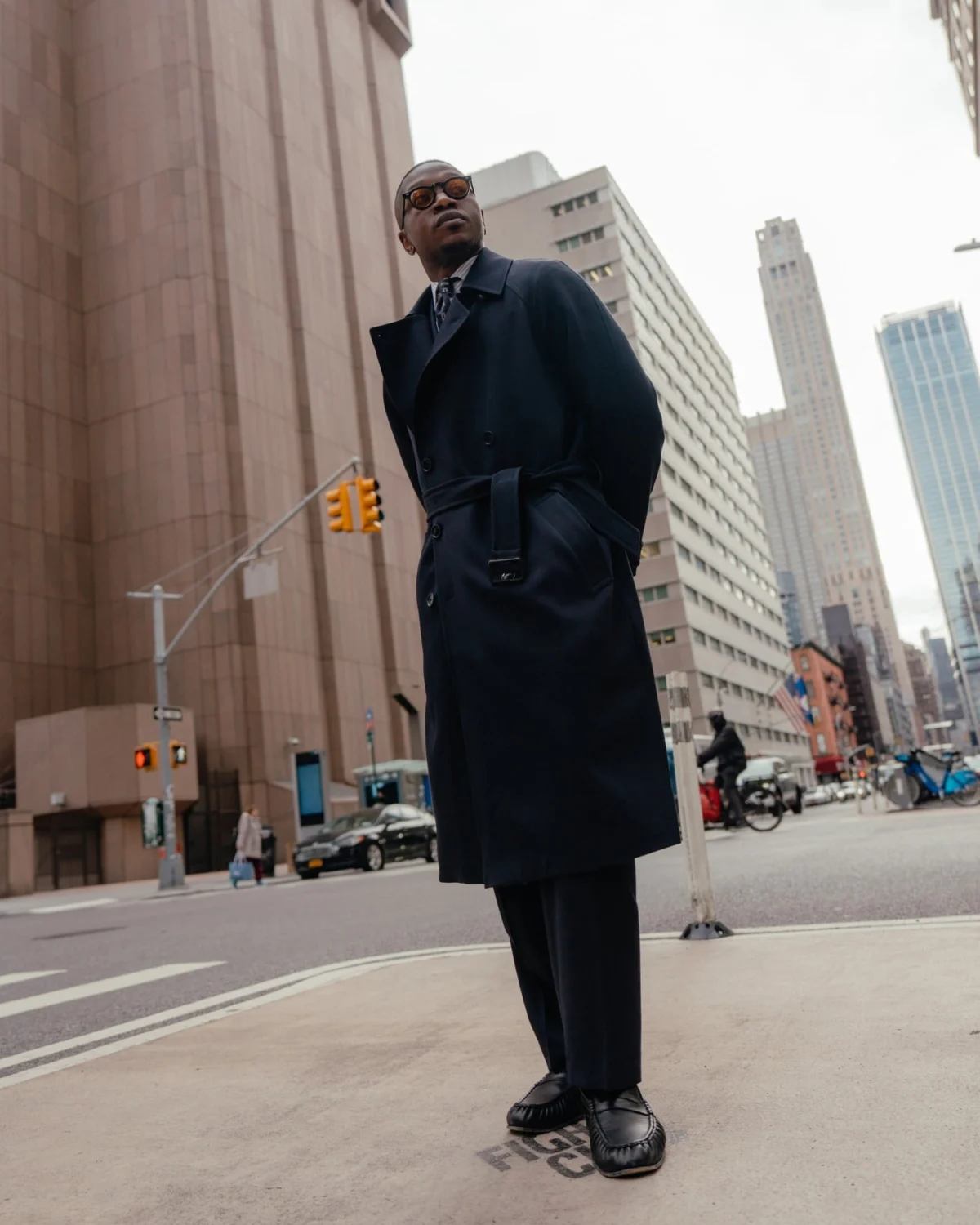
Overcoats, by contrast, are engineered for severe thermal protection in temperatures dropping below 35 degrees Fahrenheit. Utilizing heavy wool fabrics between 16 and 32 ounces, these garments feature an extended length reaching well below the knee to mid-calf, shielding the legs from biting winter winds. The internal cut is intentionally generous, accommodating heavy layering such as thick knit sweaters, vests, and structured suit jackets simultaneously. Overcoats frequently incorporate formal styling cues such as velvet collars and storm flaps, or rugged utility features like oversized patch pockets, depending on whether they lean toward formal evening wear or heritage workwear.

Peacoats represent a specialized third category with non-negotiable structural parameters. Originating in the 18th century as standard-issue attire for European and American naval sailors, a genuine peacoat features a double-breasted front with six to ten anchor-embossed buttons, wide notch lapels designed to be turned up against maritime spray, and a cropped length terminating between the hip and mid-thigh. Fabricated from dense 24-to-32-ounce Melton wool, the peacoat provides wind-resistant warmth in a boxy, structured silhouette intended for active duty rather than office commuting.
Comparative Specifications at a Glance

| Characteristic | Topcoat | Overcoat | Peacoat |
|---|---|---|---|
| Length | At or just above knee | Below knee to mid-calf | Hip to mid-thigh |
| Fabric Weight | Lighter (10–16 oz wool) | Heavier (16–32 oz wool) | Heavy (24–32 oz wool) |
| Fit Profile | Tailored, follows body lines | Roomy, allows for heavy layering | Structured, boxy through body |
| Primary Climate | Mild to moderate (35–50°F) | Severe cold (Below 35°F) | Moderate cold (30–45°F) |
| Core Construction | Single-breasted, notch lapel | Single or double-breasted | Double-breasted, wide lapels |
| Formality Level | Business formal, professional | Very formal OR very casual | Casual to smart casual |
Strategic Shopping and Wardrobe Implications
Given the unreliability of commercial labeling, industry experts and master tailors advise consumers to evaluate potential outerwear purchases based on objective physical metrics rather than marketing terminology. Buyers should measure garment length from the base of the collar to the hem, inspect the fabric weight specifications on the garment tag, and physically test the internal volume by wearing a structured suit jacket or thick sweater during the fitting process.

Climate remains the primary determinant in selecting the correct garment. Urban professionals residing in moderate winter environments where daily transit involves climate-controlled vehicles and office buildings are best served by a versatile topcoat, typically in foundational colors such as charcoal grey, camel, or navy. Conversely, individuals subjected to prolonged outdoor exposure in severe northern climates require the substantive leg coverage and thermal density of a true overcoat. The peacoat remains an optimal choice for casual weekend wear, functioning as a specialized statement piece rather than a daily corporate uniform.
Industry analysts note that while the historical definitions of topcoats and overcoats provide a valuable framework for understanding menswear heritage, the modern consumer’s purchasing decision should ultimately be governed by personal lifestyle requirements, local climate conditions, and precise physical fit. By prioritizing construction quality and fabric specifications over retail semantics, buyers can secure a durable, high-performance investment piece designed to withstand years of seasonal wear.