






The integration of artificial intelligence into the global fashion industry has evolved from a futuristic concept into a contentious economic reality, fundamentally altering the workflows of e-commerce, advertising, and creative production. When commercial model Sarah Murray first encountered an AI-generated fashion model in 2023—a digital woman of color wearing a Levi’s denim overall dress created in partnership with the AI studio Lalaland.ai—the reaction across the industry was immediate and critical. Critics labeled the initiative "artificial diversity," arguing that major corporations were bypassing real, diverse human talent in favor of synthetic approximations.
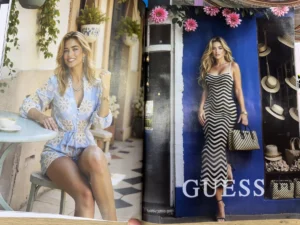
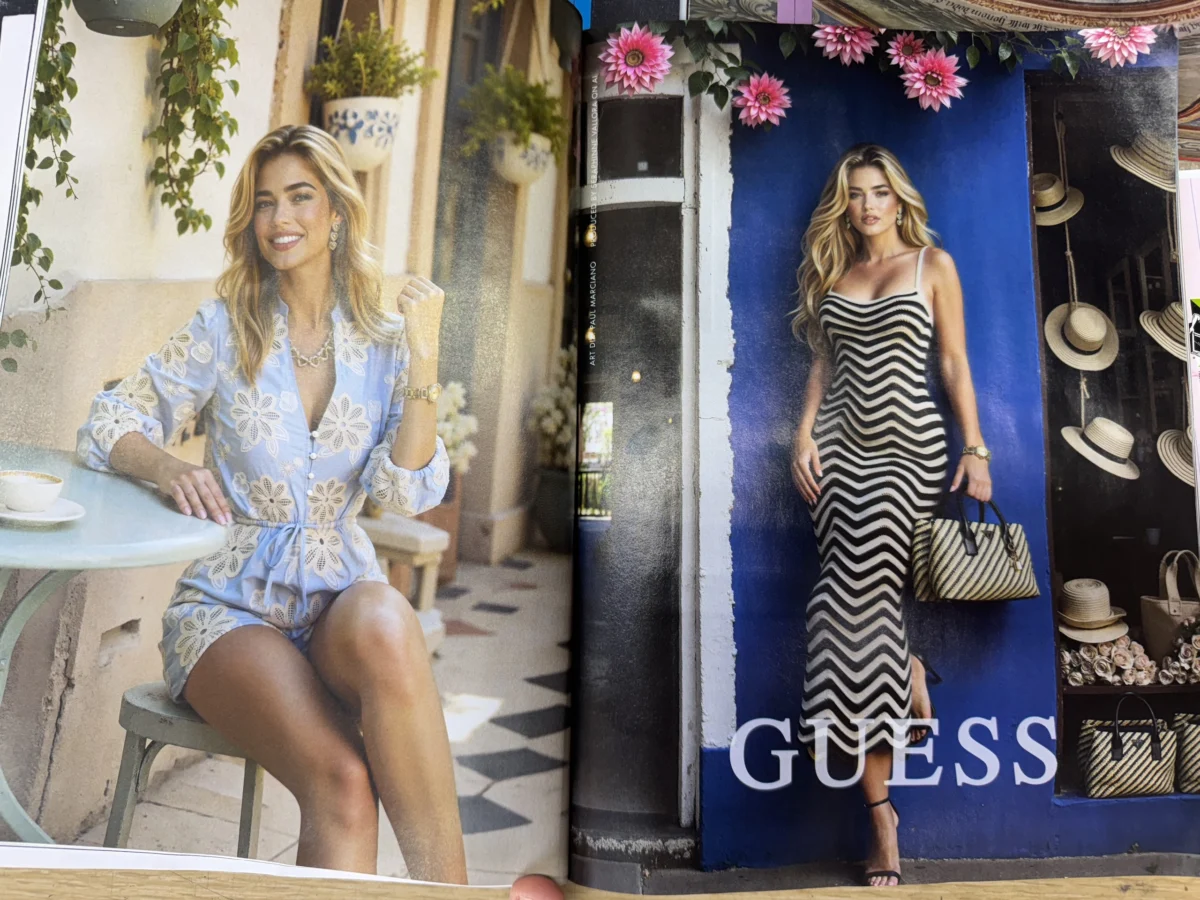
Two years later, the debate has intensified following the publication of Vogue’s July print edition, which featured a Guess advertisement utilizing a fully AI-generated model. The inclusion of synthetic imagery within a publication historically recognized as the arbiter of fashion standards triggered renewed internet discourse and brought the simmering tensions between technological efficiency and human labor to the forefront of industry discussions.

Chronology of AI Adoption in Fashion and Advertising
The deployment of computer-generated imagery (CGI) and machine learning in retail and fashion is not entirely unprecedented, though its capabilities have expanded exponentially over the past decade.
- 2013: European retailers, such as French e-commerce platform Veepee, begin experimenting with virtual mannequins to display apparel online, marking early attempts to streamline product photography.
- 2018–2019: Early iterations of virtual influencers, such as Lil Miquela, gain traction on social media, demonstrating the commercial viability of computer-generated personas in marketing. Model and technologist Sinead Bovell publishes analyses in mainstream fashion publications regarding the impending rise of CGI models.
- March 2023: Levi Strauss & Co. announces a collaboration with Lalaland.ai to supplement human models with AI-generated alternatives to increase inclusivity. The initiative faces immediate public backlash regarding authenticity and the displacement of real-world talent.
- 2023–2024: Major global brands, including H&M, Mango, and Calvin Klein, launch experimental campaigns utilizing AI-generated models for specific product lines, particularly within fast-fashion and e-commerce sectors.
- July 2025: Vogue features a Guess advertisement containing a fully AI-generated model created by creative agency Seraphinne Vallora. The publication’s decision to accept the ad under standard advertising guidelines sparks widespread debate among industry professionals regarding the mainstream normalization of synthetic models.
Economic Pressures and the Push Toward Scalability
At the core of the fashion industry’s pivot toward artificial intelligence is an unprecedented demand for visual content driven by digital marketing, social media algorithms, and e-commerce expansion. According to industry experts, traditional marketing frameworks were built for an era when brands produced a limited number of major campaigns annually—typically four seasonal rollouts per year.
In the current digital ecosystem, brands require hundreds, if not hundreds of thousands, of distinct visual assets to maintain visibility across platforms like TikTok, Instagram, and specialized online storefronts. PJ Pereira, co-founder of AI advertising firm Silverside AI, notes that scaling production from a handful of assets to massive volumes is financially unsustainable for many brands using traditional processes.

Furthermore, logistics play a significant role in production costs. Paul Mouginot, an art technologist who has worked with luxury brands, explains that photographing live models across extensive product catalogs—involving countless combinations of garments, footwear, and accessories—requires substantial investments in studio space, travel, crew salaries, and styling. By utilizing generative AI tools, brands can take flat-lay product photographs and digitally render them onto photorealistic virtual avatars within varied, coherent environments at a fraction of the time and financial cost.
The Threat to E-Commerce Labor and Diverse Talent
While high-fashion editorial models frequently achieve public recognition and prestige, the financial foundation of the modeling profession relies heavily on commercial and e-commerce work. Sinead Bovell, founder of the WAYE organization, emphasizes that e-commerce modeling serves as the primary source of financial security for the majority of working models.
The automation of these roles disproportionately affects commercial models, particularly those from non-traditional or diverse backgrounds. Critics argue that utilizing generative AI to produce "diverse" digital avatars constitutes a form of synthetic representation that bypasses the economic uplift that should rightfully be directed to underrepresented human communities. Sarah Murray highlights that numerous human models actively seek out casting opportunities with major brands, rendering the use of synthetic substitutes unnecessary from a talent-availability standpoint.

Moreover, legal concerns regarding intellectual property and likeness rights have escalated. Models report encountering ambiguous clauses in standard contracts that potentially grant brands the legal right to use their facial structures, body measurements, and distinct physical features to train proprietary AI systems without adequate ongoing compensation or explicit, informed consent.
Efforts are underway in various jurisdictions to establish regulatory protections. In New York, former model Sara Ziff and the Model Alliance have championed the Fashion Workers Act, legislative measures designed to mandate explicit consent and compensation models for the commercial use of digital replicas.
Diverse Industry Perspectives on the Future of Generative AI
Opinions regarding the ultimate trajectory of AI within the fashion sector remain divided among technologists, agency founders, and creative directors.

Proponents of the technology argue that responsible implementation requires meticulous curation and artistic oversight. Sandrine Decorde, CEO and co-founder of AI creative studio Artcare, describes her team as "AI artisans" who utilize advanced foundational models—such as Flux from Black Forest Labs—to refine datasets and generate models with distinct individual characteristics, avoiding the homogenous, overly symmetrical outputs typical of early generative systems. Decorde notes that a significant portion of Artcare’s current output focuses on generating AI models for children’s apparel, a sector historically fraught with ethical complexities and regulatory challenges regarding the labor of minors.
Conversely, traditional booking platforms maintain that human authenticity remains an irreplaceable asset. Claudia Wagner, founder of modeling platform Ubooker, views current AI implementations largely as experimental branding exercises designed to capture media attention rather than permanent replacements for human talent. Luxury heritage brands, in particular, have maintained a cautious approach, continuing to prioritize human connection, physical craftsmanship, and the subtle imperfections that define real-world charisma.
Broader Implications and Market Impact
Despite vocal criticism from industry labor advocates and consumers, empirical data suggests that synthetic advertising assets frequently yield high user engagement and conversion rates. Industry testing indicates that while social media commentary on fully synthetic video content tends to skew negative, the broader metrics—including click-through rates, platform impressions, and subsequent product sales—often exceed those of traditional campaigns.

The long-term normalization of AI models within major publications like Vogue may signal a broader cultural acceptance, mirroring previous industry shifts toward alternative beauty standards and digital-first personalities. As fashion houses continue to navigate the balance between operational efficiency and brand authenticity, the future of the profession will likely depend on establishing clear ethical standards, robust intellectual property laws, and regulatory frameworks that protect human labor while accommodating technological advancement.