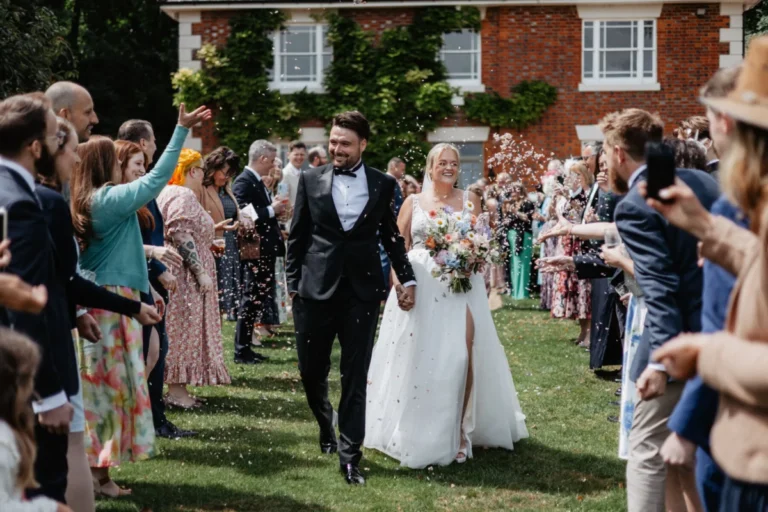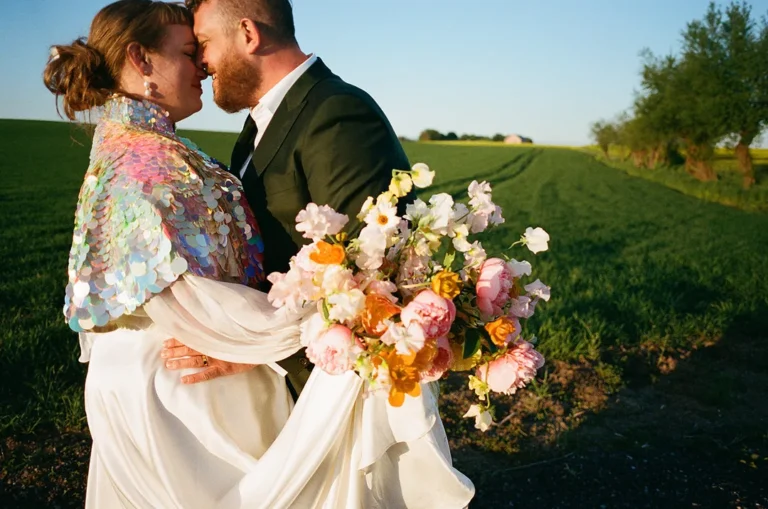









The marriage of Lauren and Elliot at the newly established Limekiln venue near Tunbridge Wells this past June represents a growing trend in contemporary British weddings: the intentional fusion of multicultural heritage with modern, minimalist aesthetics. The event, captured by photographers Helaina Storey and Charlotte Dormoy, served as a case study in self-planned, high-concept event design, blending traditional Indian customs with a bespoke, DIY approach to wedding logistics.
Venue Selection and Strategic Planning
The selection of Limekiln as a wedding venue was driven by the couple’s desire for a space that felt both intimate and architecturally significant. Situated in the Kent countryside, the venue—a sister site to the well-known Kin House—offered the couple a unique opportunity to host a large-scale event in a space that was, at the time of booking, still in its final phases of construction. For many modern couples, the ability to secure a new, bespoke venue allows for greater creative control over the aesthetic environment, a factor that influenced Lauren’s decision to manage the styling process independently.
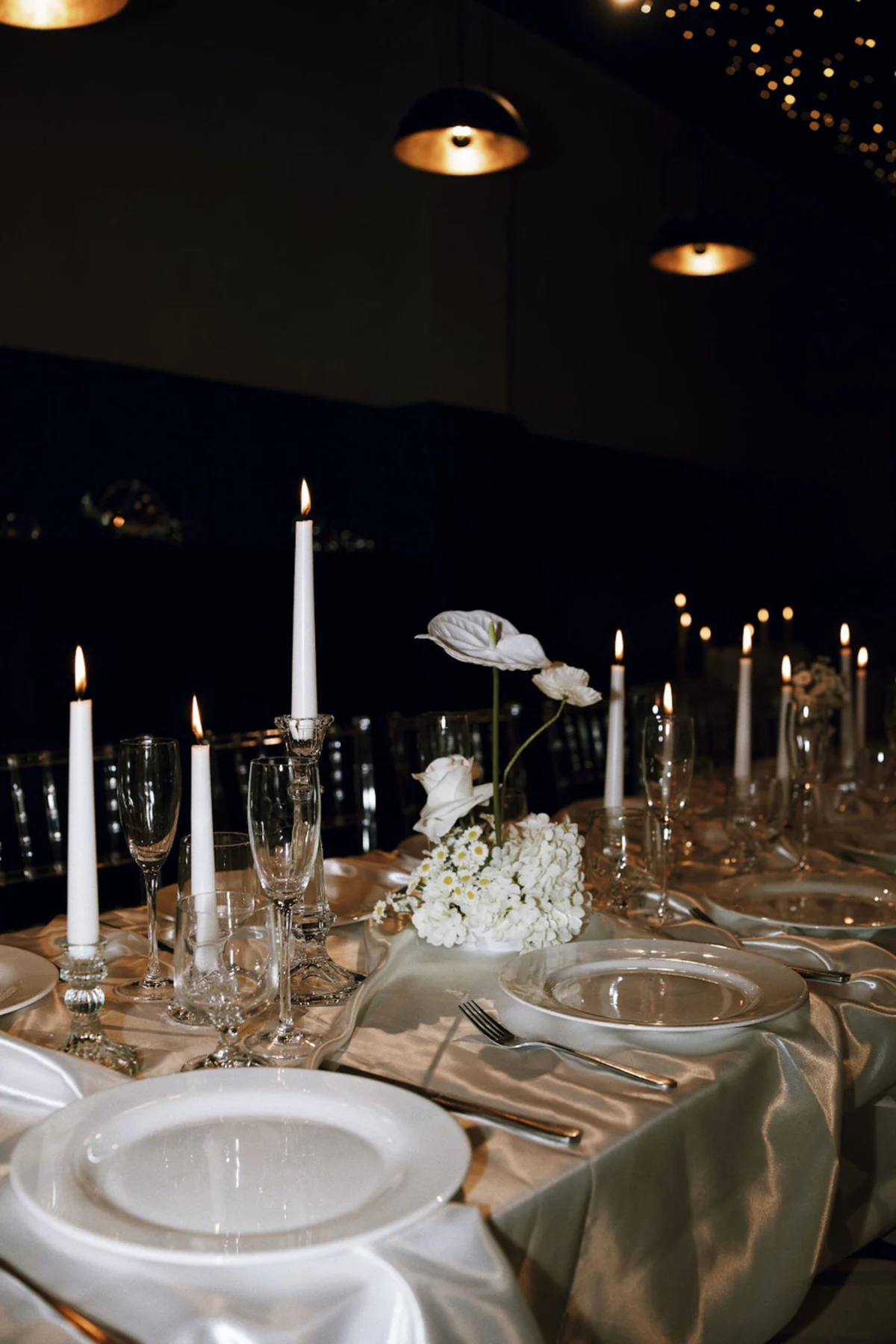
Data from the wedding industry suggests that "DIY-plus" weddings, where couples manage the logistics themselves while utilizing professional vendors for photography and catering, are rising in popularity. This approach allows for a highly personalized event. Lauren, leveraging her background in professional floristry, opted to manage the floral arrangements personally, sourcing botanical elements from Triangle Nursery. This decision not only served as a creative outlet but also allowed for a level of precision in color coordination that matched the custom stationery she designed, which drew direct inspiration from the venue’s architectural features.
A Chronology of the Wedding Day
The wedding followed a carefully structured timeline that balanced formal ceremony requirements with celebratory cultural infusions. Following the morning preparations, during which the couple exchanged private letters, the ceremony was conducted by a council-appointed celebrant. The processional featured the groom’s family participation and music chosen to reflect personal milestones.
The reception, however, served as the primary stage for the integration of Lauren’s Indian heritage. The transition from the ceremony to the wedding breakfast was marked by a surprise entrance involving traditional dhol players, signaling a shift in energy. During this time, Lauren completed a significant outfit change, moving from a Divine Atelier top and Bibi Luxe Studio skirt into a custom white sari designed by Shloka Khialani. This shift in attire not only honored her cultural roots but also provided a distinct visual marker between the formal ceremony and the evening festivities.
Cultural Integration and Ethical Consumption
A notable aspect of the event was the collaborative approach to cultural heritage. Lauren worked closely with her grandmother, known as "Ba," to curate an authentic menu and favor selection. The couple provided guests with custom spice blends and accompanying curry recipes, shifting the traditional wedding favor model toward a more interactive, educational experience.
The integration of Indian elements extended to the fashion choices as well. By sourcing a custom fusion outfit for her mother through Bibi London Couture, the family ensured that the cultural narrative was inclusive of multiple generations. The procurement process for these garments involved direct digital communication with designers in India, a practice that highlights the globalization of the wedding fashion industry, where local boutiques now frequently serve as conduits for international bespoke craftsmanship.
Logistical Challenges and Professional Coordination
Despite the meticulous planning, the event underscored the logistical vulnerabilities inherent in self-managed weddings. A significant point of friction occurred when an essential component of the bridal ensemble—a corset top—was left in Guildford, approximately 40 miles from the venue in Tunbridge Wells. The incident necessitated an emergency logistical maneuver by a family member to retrieve the item. While this event caused temporary distress, it serves as a common cautionary tale in wedding planning literature regarding the risks associated with decentralized inventory management.
The catering was managed by Kalm Kitchen, with the menu adapted to accommodate the groom’s recent diagnosis of a genetic form of diabetes. By omitting the traditional wedding cake in favor of diverse culinary offerings, the couple demonstrated an increasing awareness of health-conscious and dietary-inclusive event planning.
Broader Implications for the Wedding Industry
The wedding of Lauren and Elliot reflects a broader shift toward "authentic personalization" in the UK wedding market. The choice to avoid a traditional first dance, opting instead for a band-led opening to the dance floor, highlights a move away from rigid, inherited wedding customs in favor of environments that prioritize guest comfort and spontaneous social interaction.
Furthermore, the couple’s decision to utilize a hybrid gift registry—combining physical items for their home with contributions toward their honeymoon—is indicative of current economic trends among young professionals. This dual approach acknowledges the practical needs of setting up a household while recognizing the value of experiential gifts, a preference increasingly supported by modern registry platforms.
Expert Analysis on Modern Event Curation
From an event management perspective, the success of the Limekiln wedding can be attributed to the "moodboard-first" methodology employed by the bride. By presenting a cohesive deck of ideas—covering color palettes, menu design, and stationery aesthetics—early in the planning phase, the couple was able to maintain a consistent visual language throughout the day.
The reliance on a professional photography team to document the event using a mix of digital and analogue formats further emphasizes the aesthetic priority placed on "timelessness." Analogue photography, in particular, has seen a resurgence in the wedding industry, valued for its organic texture and the "slow" nature of the medium, which contrasts with the high-speed, digital-first consumption of social media.
Conclusion: A Legacy of Personalization
The wedding at Limekiln stands as a representative example of how modern couples are renegotiating the terms of their marriage celebrations. By balancing the formality of a legal ceremony with the warmth of cultural traditions and the efficiency of modern event planning, the couple successfully navigated the complexities of organizing a large-scale social gathering.
For future couples, the takeaway from this event is twofold: the importance of establishing a clear aesthetic and cultural narrative, and the necessity of robust logistical backup plans. As the industry continues to evolve, the trend toward weddings that serve as an extension of the couple’s identity—rather than a performance of standardized expectations—is likely to persist. Through thoughtful design, the integration of familial traditions, and a willingness to adapt to unexpected challenges, Lauren and Elliot created an event that was, by all accounts, a definitive reflection of their shared history and future aspirations.