







The global market for heritage sportswear and preppy apparel continues to experience a significant resurgence, driven by consumer demand for versatile garments that seamlessly bridge the gap between athletic functionality and high-end casual wear. As consumers increasingly seek alternatives to traditional legacy houses like Lacoste—which celebrated its 90th anniversary amid a broader cultural revival of 1970s and 1980s sportswear aesthetics—market analysts have noted a pronounced shift toward brands that balance technical textile innovations with timeless silhouettes. This comprehensive market overview examines the top ten alternative brands positioned in the preppy-sport sector, evaluating their historical roots, technical product offerings, pricing strategies, and overall industry standing.

Historical Evolution of Athletic Heritage and Preppy Fashion
The foundational blueprint of modern sports-infused fashion was established in the early 1930s when French tennis champion and entrepreneur René Lacoste revolutionized athletic apparel. By breaking away from traditional, restrictive long-sleeved tennis attire, Lacoste introduced the lightweight, breathable pique cotton shirt featuring the iconic embroidered crocodile logo. This innovation marked the first commercial instance of branding external garments, effectively laying the groundwork for the modern sportswear industry.

Throughout the late 1970s and 1980s, these athletic roots expanded into broader cultural movements across North America and Western Europe, cementing terms like "preppy" and "wasp" within mainstream fashion lexicons. Brands that emerged during or adjacent to this era capitalized on the intersection of country club culture and functional athletic gear. Today, the modern consumer looks for similar heritage cues, yet demands advancements in textile technology, such as sweat-wicking properties, UV sun protection, antimicrobial treatments, and sustainable manufacturing practices certified by bodies like B-Lab.
Key Market Criteria and Evaluation Methodology
To determine the leading alternatives to Lacoste, market researchers and fashion analysts reviewed hundreds of consumer feedback reports, sales data across major e-commerce platforms, and historical brand portfolios. The selection process prioritized three core pillars: brand heritage, technical performance integration, and pricing accessibility.

- Heritage and Provenance: Brands possessing historical ties to organized sports—such as tennis, polo, golf, or sailing—provide foundational authenticity. This context informs a brand’s dedication to ergonomic design and comfort.
- Performance Technology: While aesthetic appeal remains paramount, modern consumer loyalty relies heavily on technical textile engineering. Brands incorporating moisture-management systems, four-way stretch fabrics, and odor-neutralizing properties scored higher in overall utility.
- Price Architecture: Lacoste occupies a mid-tier luxury bracket, offering an exclusive brand image at accessible price points. The selected alternatives span a diverse pricing spectrum, accommodating budget-conscious shoppers as well as those seeking top-tier luxury investments.
Top 10 Alternative Brands to Lacoste
1. FILA (Best Overall Brand)
Founded in Biella, Italy, in 1911, FILA shares a rich athletic lineage with Lacoste, gaining massive global prominence throughout the 1980s tennis boom. The brand prioritizes technical innovation first, ensuring that athletic trousers, golf shorts, and performance polos deliver ergonomic comfort alongside aesthetic appeal.

- Product Spotlight: The Performance Iconic BB1 Polo draws from a 1975 archive design, integrating modern sweat-wicking synthetic fabrics, UV protection, and antimicrobial treatments.
- Market Position: While highly trendy and technologically advanced, FILA operates at a slightly lower price point and carries a casual athletic feel rather than traditional high-end luxury.
2. Wahts (Best Everyday Contemporary Brand)
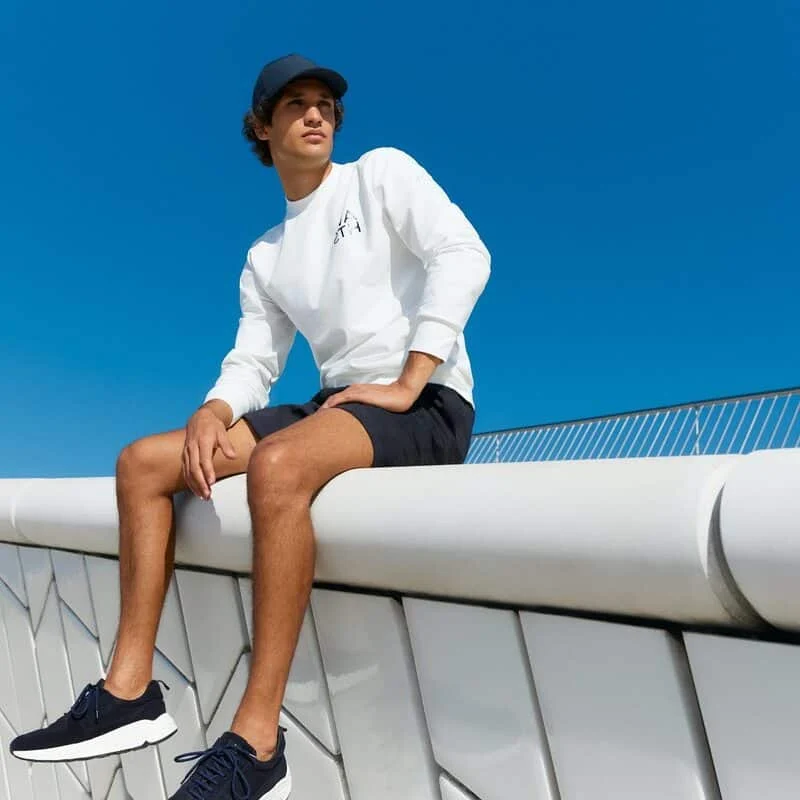
Established fifteen years ago by a Dutch Silicon Valley innovator who recognized the changing nature of business-casual attire, Wahts represents a modern, youthful approach to preppy staples. The brand merges technical fabrics with luxurious materials, focusing on sustainable practices and clean silhouettes.
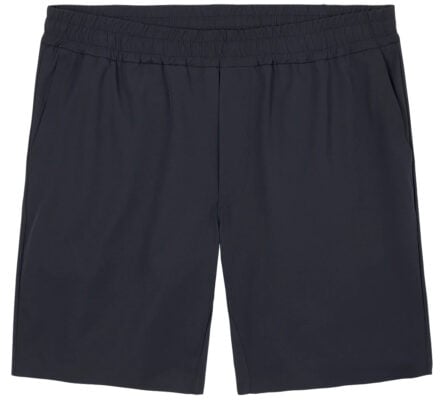
- Product Spotlight: The brand’s tailored shorts feature a contemporary relaxed fit, premium cotton-blend textiles, elastic waistbands, and hidden zip side pockets designed for a streamlined silhouette.
- Market Position: Wahts offers a cleaner, minimalist aesthetic compared to logo-heavy legacy houses, targeting consumers who prefer understated elegance.
3. Collars & Co. (Best Specialized Polo Brand)
Born out of an entrepreneur’s frustration with uncomfortable formal workwear and subsequently funded on the television program Shark Tank, Collars & Co. specializes in structured, polished apparel that maintains high levels of comfort. The brand emphasizes precise engineering in its collar construction and fabric drape.

- Product Spotlight: The Oxford Button Down Collar Polo reflects the Italian quiet luxury trend, utilizing an advanced performance-poly blend that is breathable, hypoallergenic, and soft against the skin.
- Market Position: Positioned squarely within the professional-casual crossover market, appealing to white-collar professionals seeking effortless style.
4. Roderer (Best Accessories and Bags Brand)
Launched in Dubai in 2016 under a minimalist philosophy, Roderer serves consumers turning to legacy houses primarily for leather goods and accessories. The brand focuses on timeless, understated luxury essentials constructed from high-grade materials.

- Product Spotlight: The Award Medium Messenger Bag is constructed from handmade soft-grain Italian leather, accented with discrete silver steel hardware and hardware branding, sized to accommodate modern tablet and laptop devices.
- Market Position: Premium luxury pricing that exceeds traditional mid-tier sportswear, offering an exclusive alternative to mass-market accessories.
5. Beckett Simonon (Best Footwear Alternative)
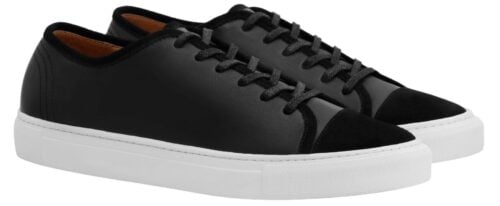
Operating as a certified B-Corporation, Beckett Simonon places immense emphasis on transparency, sustainable supply chains, and artisan-crafted footwear. The brand targets consumers seeking classic tennis profiles and versatile everyday sneakers.
- Product Spotlight: The Prieto sneaker collection utilizes full-grain leather, heritage-inspired colorways like navy and white, and waxed laces, offering a durable, handcrafted alternative to standard athletic shoes.
- Market Position: Direct-to-consumer pricing models provide exceptional value for handmade artisan goods, though the brand strictly limits its catalog to footwear.
6. Vineyard Vines (Best Preppy Staple on Amazon)
Family-owned and operated since 1998, Vineyard Vines has established itself as an authority on American preppy fashion, serving as the official outfitter for major sporting events including the Kentucky Derby and the Head of the Charles Regatta.

- Product Spotlight: The short-sleeved vintage pocket T-shirt, constructed from 100% soft-washed cotton, provides a lived-in feel with classic coastal styling.
- Market Position: Widely available through major e-commerce channels like Amazon, though some consumer segments perceive the brand as slightly overpriced relative to basic cotton apparel.
7. U.S. Polo Assn. (Best Budget-Friendly Option)
Sanctioned directly by the United States Polo Association—the governing body for the sport of polo in the U.S. since 1890—this brand boasts a history dating back to the 1880s. It delivers traditional preppy aesthetics across trousers, polos, and swimwear at accessible price points.

- Product Spotlight: The printed chest stripe pique polo shirt utilizes fine-gauge cotton with sporty graphic detailing, pairing easily with khakis or denim.
- Market Position: Highly affordable, though critics note occasional lack of supply-chain transparency regarding specific technical fabric blends.
8. Polo Ralph Lauren (Best Luxury Heritage Brand)
As a global arbiter of American preppy chic for over five decades, Polo Ralph Lauren remains a dominant force in translating athletic uniforms into high-fashion consumer trends.

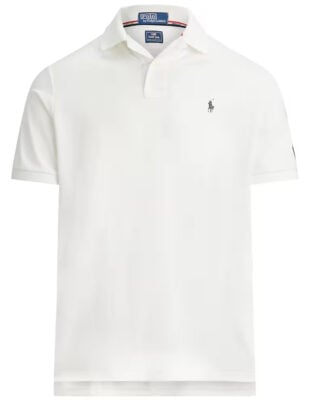
- Product Spotlight: The Team USA Collection stretch-mesh polo shirt incorporates recycled polyester, moisture-wicking technology, and official tournament detailing, marrying patriotic exclusivity with athletic performance.
- Market Position: Premium luxury pricing reflecting global brand equity, representing a benchmark standard within the preppy-sport category.
9. Wilson (Best Performance-Driven Athletic Brand)
Founded in Chicago in 1914, Wilson is globally recognized for manufacturing high-performance sports equipment and maintaining long-standing partnerships with major leagues such as the NFL. The brand has successfully leveraged the athleisure and streetwear boom to create lifestyle apparel.

- Product Spotlight: The Parkside half-zip pullover integrates anti-odor, quick-drying, and breathable fabric technologies constructed from a durable cotton, polyester, and viscose blend.
- Market Position: Highly functional athletic positioning with moderate pricing, though it carries less traditional fashion prestige than dedicated luxury houses.
10. Peter Millar (Best Investment-Grade Quality)
Established in 2001, Peter Millar focuses on high-end craftsmanship, tailoring, and luxury sportswear targeted at resort and country club environments. The brand is recognized as an investment-tier label due to the longevity and durability of its garments.

- Product Spotlight: The Surge Performance Short features four-way stretch mobility and water-resistant technical fabrics, allowing the garment to transition seamlessly from golf greens to aquatic use.
- Market Position: Premium pricing tier, reflecting superior material composition and tailored construction aimed at a mature demographic.
Industry Implications and Market Outlook
The continued expansion of the preppy sportswear market indicates that consumers increasingly prioritize garment versatility over strict functional categorization. Brands that successfully integrate technical textile advancements—such as moisture management, eco-friendly recycling processes, and anti-microbial treatments—into classic preppy silhouettes are best positioned for sustained growth through 2026 and beyond. While legacy houses like Lacoste maintain strong brand recognition, alternative labels across varying price points offer competitive features that cater to the evolving demands of modern consumers.