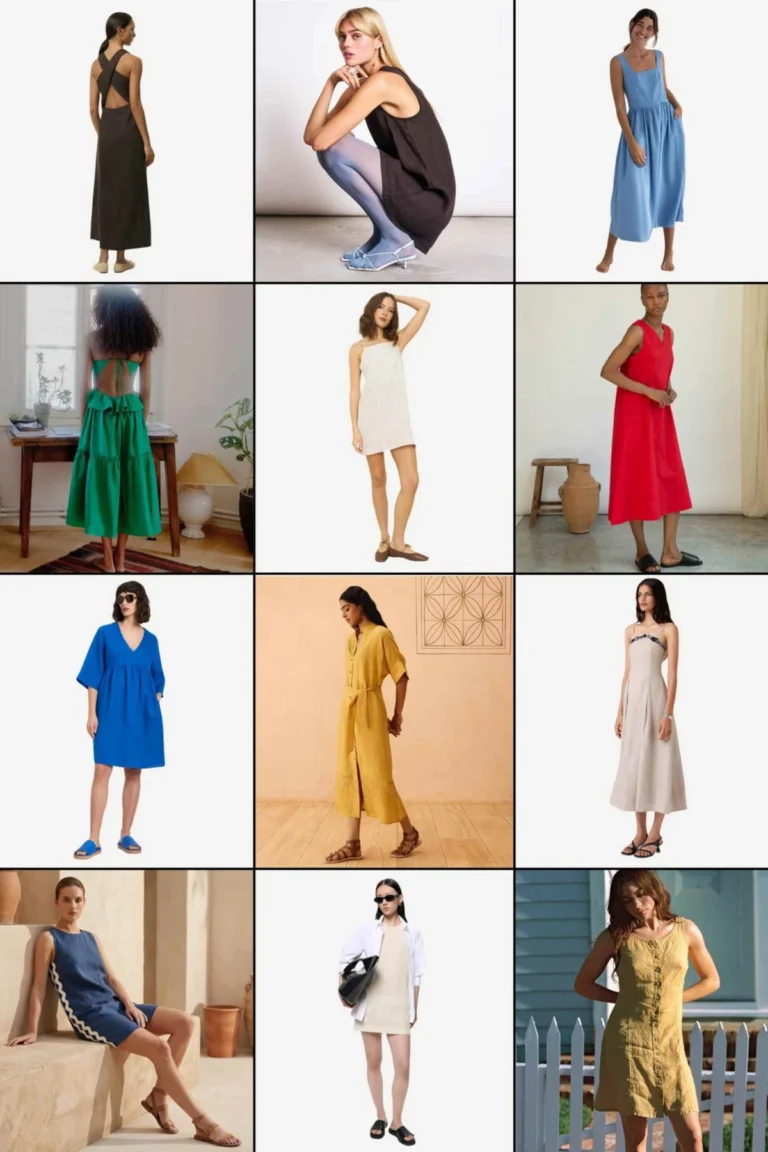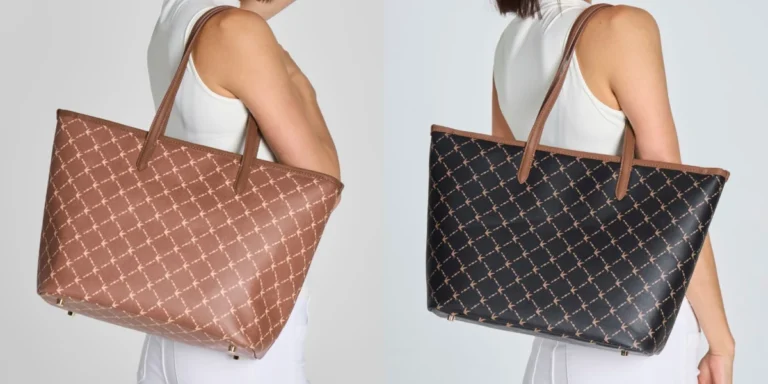











From the structured rigidity of barrel and straight-leg cuts to the relaxed drape of oversized silhouettes, denim trends remain in a constant state of flux. Yet, the foundational textile and the jean garment itself possess an enduring footprint within global fashion. The traditional twill weave is engineered to withstand heavy, rigorous wear, meaning a properly constructed and well-fitting pair of jeans can theoretically remain a staple in a consumer wardrobe for over a decade. However, much like any textile category in the modern apparel industry, denim production presents significant sustainability hurdles. These encompass resource-intensive agricultural practices, complex chemical dyeing processes, and major challenges regarding circular design and end-of-life recycling. Understanding these multifaceted impacts is essential as consumers increasingly scrutinize the brands attempting to reform the sector.
The Historical Trajectory: From Gold Rush Workwear to Runway Staple
To fully comprehend the contemporary denim market, one must trace its origins back to the 19th-century American labor force. Originally manufactured for miners, railroad workers, and manual laborers who required exceptionally durable clothing to endure extreme physical labor, longevity has always been baked into the blueprint of the garment. The modern incarnation of the jean was solidified in 1873 when San Francisco wholesale fabric merchant Levi Strauss and Reno-based tailor Jacob Davis secured a patent for the use of copper rivets to reinforce the stress points of men’s work trousers. This innovation dramatically increased the garment’s durability, allowing some early iterations to survive intact well into the twenty-first century.
Fast forward to the contemporary fashion landscape, and the industry operates on an entirely different temporal scale. A new denim aesthetic dominates the runways every single season, shifting rapidly from balloon and bootcut variations to heavily distressed finishes manufactured via chemical or mechanical abrasion to mimic the natural wear of vintage pairs. Unlike their nineteenth-century predecessors, many fast-fashion denim garments are not manufactured with a multi-year lifespan in mind. Instead, they function as short-term purchases designed to bridge the gap between rapidly accelerating micro-trend cycles.
Environmental Realities and Manufacturing Complexities
Quantifying the environmental footprint of modern denim has long relied on heavily cited, albeit often opaque, statistics regarding the massive volumes of water required to cultivate, process, and finish a single pair of jeans. Industry watchdogs note that many commonly referenced figures originate from decades-old studies with untraceable primary sources, making them unreliable baseline metrics. Furthermore, such isolated water metrics frequently fail to capture the holistic lifecycle of the garment, omitting critical variables such as chemical toxicity, labor conditions within the global supply chain, and post-consumer recyclability.
What remains scientifically verified, however, is that the production of denim requires extraordinary amounts of energy and water resources. The lifecycle begins with industrial cotton agriculture, which demands extensive irrigation, pesticide application, and land use before harvesting. The raw fibers are spun into yarn, which is subsequently dyed—predominantly with synthetic or natural indigo. While natural indigo is often marketed as an eco-friendly alternative, it frequently requires significantly greater water volumes and chemical fixatives than its synthetic counterpart.
Once dyed, the yarns are woven on industrial looms in a distinct diagonal twill pattern to produce denim fabric. Manufacturers then cut the material into pattern pieces and assemble them into finished goods, such as jeans, jackets, and dresses. This lengthy, multi-tiered supply chain frequently yields severe environmental degradation. Mismanaged dye-houses and unmonitored processing facilities routinely discharge untreated, indigo-laden chemical sludge into local waterways, destroying aquatic ecosystems and poisoning regional water supplies.
Compounding these ecological challenges is the widespread adoption of synthetic fiber blends. Modern consumers often demand stretch, elasticity, and enhanced softness in their denim, which manufacturers achieve by blending cotton with synthetic fibers such as elastane, spandex, or polyester. While these blends improve comfort, they introduce severe technical barriers to textile recycling. If a pair of blended-fiber jeans cannot be successfully resold or repurposed, they are almost guaranteed to end up in a landfill, as automated sorting facilities cannot easily separate blended polymers. Conversely, 100% pure cotton garments offer a higher potential for circular recycling, though metal hardware such as zippers, buttons, and rivets continues to complicate end-of-life processing.
Global Responses and Transparent Brand Initiatives
In response to mounting regulatory pressure and shifting consumer consciousness, a growing cohort of independent and enterprise-level brands is radically reimagining how denim is sourced, manufactured, and recycled. Industry analysts and sustainable fashion advocates encourage consumers to approach their next denim purchase as a long-term investment rather than a disposable commodity. Across North America, Europe, Oceania, and Asia, several key players are establishing new benchmarks for transparency and low-impact production.
North American Sustainable Denim Leaders
Based in the United States, Triarchy has emerged as a prominent voice in the North American market by engineering what it defines as the world’s first plastic-free stretch denim. The brand has revolutionized its manufacturing footprint by implementing closed-loop water systems that recycle up to 85% of production water, actively capturing and reusing the thick indigo sludge that conventional factories routinely dump into municipal water supplies. Triarchy’s collections are widely available in standard sizing.
In the realm of artisanal restoration and community empowerment, 4kinship—founded by Diné creative Amy Denet Deal—focuses on one-of-a-kind upcycled and restored vintage garments alongside handwoven collections. The brand actively invests in youth programs, contributing proceeds to regional initiatives such as the Diné Skate Garden Project, which offers a safe gathering and creative space for Navajo youth.
New York-based Minimalist anchors its business model in ultra-timeless design, producing curated women’s ready-to-wear apparel locally in New York City. The brand utilizes lower-impact certified materials, guarantees fair labor conditions within local manufacturing facilities, and designs its garments specifically to facilitate easier end-of-life recycling.
Oceania and the Pacific Market
In New Zealand and Australia, brands like Kowtow champion strict organic and ethical standards. Kowtow utilizes 100% Fairtrade certified organic cotton and non-toxic dyes to construct durable, elegant womenswear and complementary homewares, ensuring that every stage of the agricultural and manufacturing process is free from hazardous synthetic chemicals.
Similarly, Melbourne-founded Elk has operated as an independent pioneer in Australian design since 2004. Elk releases bi-annual collections driven by a corporate philosophy that merges minimalist aesthetic simplicity with structural innovation and supply chain accountability.
European Innovators and Upcycling Pioneers
The United Kingdom and continental Europe host some of the most aggressive legislative and grassroots movements toward circular fashion. Lucy & Yak, an independent British label, has built a dedicated following through its playful, unisex approach to staple garments like dungarees and relaxed-fit jeans, maintaining inclusive sizing from UK 4 to 32 while prioritizing responsible manufacturing practices.
In the luxury and contemporary space, Akyn—founded by veteran sustainable fashion advocate Amy Powney—produces timeless womenswear collections exclusively utilizing lower-impact material inputs. Meanwhile, PETA-approved vegan denim brand non utilizes certified recycled and organic cotton to produce classic silhouettes across Europe.
OMNES, a UK-based high-street label, focuses on affordable, responsible womenswear, attempting to shift mainstream consumer habits toward long-term wardrobe curation. In Spain, amt. studio maintains a localized production model, manufacturing contemporary garments using recycled textiles to minimize transportation emissions and material waste.
Portuguese brand ISTO. operates on a radically transparent business model, offering a single permanent collection designed to transcend seasonal trends. ISTO. utilizes organic materials and provides customers with explicit cost-breakdown transparency at the point of purchase, detailing the exact financial allocation behind each garment. In the Netherlands, Amsterdam-founded G-Star RAW continues to innovate within raw denim production, pursuing closed-loop washing techniques and recycled fabric integration to mitigate its extensive global footprint.
Asian Craftsmanship and Made-to-Order Models
In Asia, Japanese brand 9-jour approaches denim manufacturing through a hyper-localized, waste-reduction framework. Specializing in vibrant, naturally dyed selvedge denim, 9-jour manufactures its inventory strictly to order. This made-to-order operational model dramatically reduces excess energy consumption, deadstock accumulation, and material waste compared to the forecasting models typical of traditional mass-market retail.
Broader Industry Implications and Future Outlook
The transition of denim from a utilitarian workwear fabric to a hyper-trend-driven fashion commodity has undeniably exacted a severe toll on global water systems, arable land, and labor standards. However, the concurrent rise of transparent, certified sustainable brands signals a structural shift in how consumers and manufacturers evaluate garment longevity. As regulatory bodies in Europe and North America begin clamping down on greenwashing and demanding verified supply chain disclosure, the brands succeeding in the modern marketplace will be those that prioritize circular design, closed-loop water management, and durable material integrity over rapid trend turnover. For the conscious consumer, navigating this landscape requires looking past marketing claims and investing in garments designed not just for a single season, but for decades of wear.