





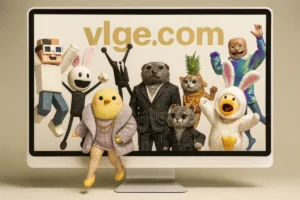
The intersection of high fashion and emerging technology has long been characterized by experimentation, yet physical constraints and massive carbon footprints continue to challenge the industry’s core ethos. Early in her career, founder and CEO Evelyn Mora recognized a fundamental paradox within the design community: while sustainable fashion designers were deeply committed to reducing their environmental impact, the logistical reality of staging large-scale, resource-intensive runway shows directly contradicted those values. This realization catalyzed a multi-year journey that ultimately culminated in the creation of VLGE, a pioneering gaming and immersive-world-building platform designed to revolutionize how luxury and independent brands connect with younger demographics.
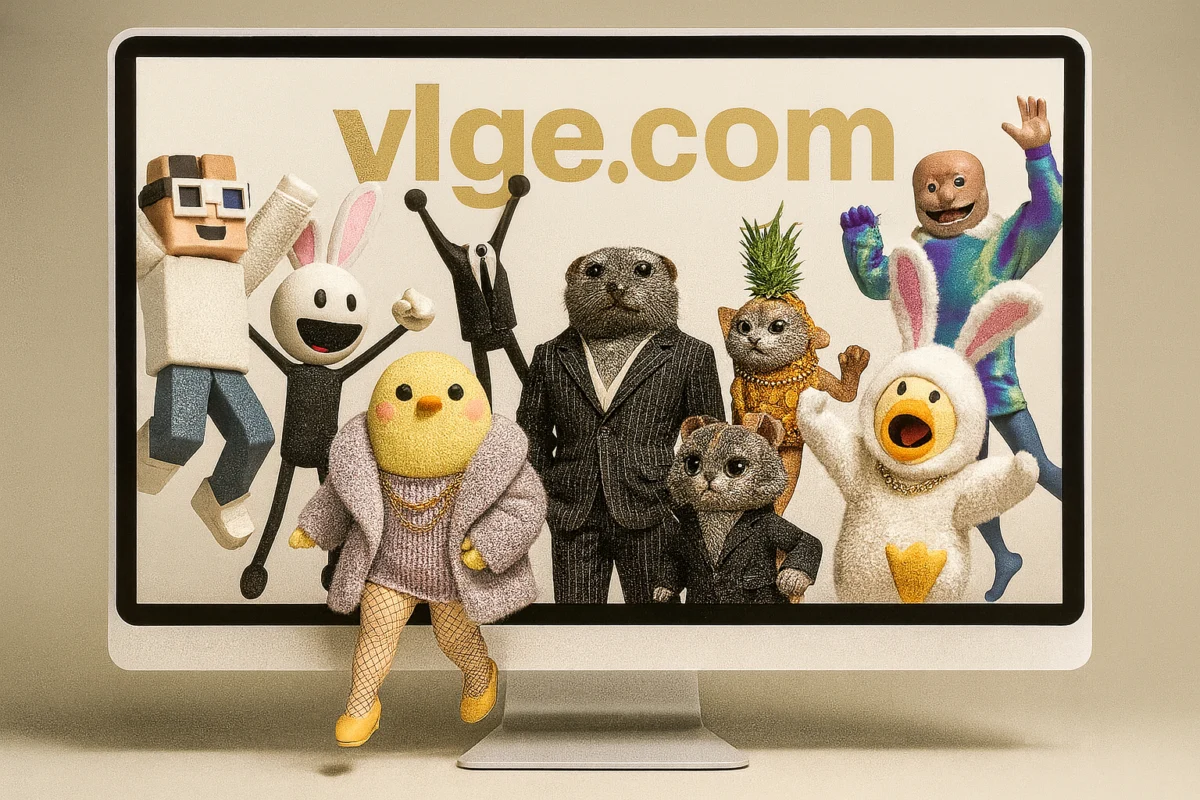
Launched in 2021, VLGE provides an end-to-end infrastructure that empowers apparel brands to construct their own bespoke virtual environments, populate them with interactive content and mini-games, and seamlessly export these digital worlds to mainstream gaming platforms such as Roblox. By circumventing traditional runway shows and costly filming campaigns, VLGE offers a scalable, low-carbon alternative for marketing luxury and contemporary wear. The platform’s capability to bridge the gap between traditional e-commerce and interactive entertainment has already attracted high-profile industry names, including Lancôme, Charlotte Tilbury, and Vogue Scandinavia, while securing $5 million in venture capital funding from notable backers such as Lammot J. du Pont of the du Pont family, the L’Oréal Group, and the British Fashion Council.
A Chronology of Innovation: From 3D Runways to World Fashion Week
The evolution of VLGE reflects a calculated trajectory from niche digital experimentation to mainstream infrastructure provider. Following its 2021 debut, the platform quickly made industry headlines by launching the world’s first three-dimensional, gamified fashion week. This initial proof-of-concept demonstrated that virtual presentations could replicate—and in some ways exceed—the engagement levels of traditional physical events without generating physical waste.
Building upon this momentum, the company announced an ambitious expansion of its capabilities. Fifty distinct fashion brands are slated to launch their own interactive, shoppable worlds simultaneously for World Fashion Week, an initiative conceived and powered entirely by VLGE. Designed to act as a crucial interoperability bridge, World Fashion Week allows independent creators and major luxury houses alike to deploy functional, commerce-enabled games across external platforms like Roblox with unprecedented ease.
According to Mora, this upcoming rollout represents the platform’s inaugural large-scale activation demonstrating real-time, cross-browser building capabilities. While Roblox remains the primary initial focus due to its immense market penetration among younger consumers, VLGE’s architecture is already compatible with Unreal Engine, with ongoing development aimed at integrating Meta Horizon Worlds in the near future.
Democratizing Virtual World-Building for Fashion Brands
The strategic pivot toward making Roblox more accessible for apparel brands stems from a stark economic and technical reality. Historically, establishing a branded presence within gaming metaverses has been an exclusionary endeavor reserved for multinational conglomerates with deep pockets.
“This is significant because Roblox has become fashion’s most powerful youth frontier, yet until now, world-building there has been costly, technical, and complex,” Mora explained in an interview. “We make it instant, affordable, scalable, and interoperable, bridging the gap between e-commerce, gaming, and cultural creation.”

Before VLGE’s platform streamlined the process, brands wishing to establish virtual real estate on Roblox typically had to contract specialized development agencies. This traditional route frequently required expenditures ranging from $10,000 to upwards of $100,000, alongside development timelines stretching across several months. Furthermore, internal marketing teams were forced to grapple with complex coding languages and specialized 3D modeling software.
VLGE addresses these friction points by abstracting the underlying technical complexity. Brands utilizing the platform can deploy immersive environments to Roblox instantly, bypassing the need for specialized engineering talent, extensive financial outlays, or prolonged development cycles. To accommodate businesses of varying scales, the platform utilizes a tiered monetization model consisting of a freemium offering alongside three distinct paid subscription levels tailored for individual creators, small businesses, and enterprise-level corporations.
The Economic Implications of Gamified Commerce
As digital natives mature into the primary demographic driving consumer spending, retail brands are forced to rethink legacy customer acquisition strategies. Traditional advertising channels and physical brick-and-mortar storefronts are increasingly supplemented—and in some cases replaced—by virtual spaces where consumers spend substantial portions of their leisure time.
Mora is betting heavily on gamified commerce as the definitive future of retail. In addition to powering external brand activations, VLGE is preparing to launch its own proprietary e-tail storefront. This digital marketplace will serve a dual purpose: retailing physical merchandise from emerging designer brands while simultaneously offering virtual 3D assets that users can purchase and export directly into Roblox avatars and environments.
This strategy highlights a broader macroeconomic shift within the global fashion sector. Industry executives are no longer viewing video games as mere marketing novelties or ancillary promotional tools, but as primary revenue-generating ecosystems. By merging digital self-expression through avatar customization with tangible e-commerce fulfillment, platforms like VLGE are establishing a continuous loop between virtual engagement and real-world purchasing behavior.
The Broader Impact on the Retail Landscape
The implications of VLGE’s technology extend far beyond the immediate convergence of gaming and apparel. As retail infrastructure continues to digitize, the tools required to build spatial computing environments are rapidly democratizing. Small and mid-sized enterprises that were previously priced out of the metaverse are now gaining the capability to compete with legacy luxury houses on a level digital playing field.
Industry analysts note that platforms lowering the barriers to entry for spatial computing will likely accelerate the adoption of Web3 and metaverse retail concepts. By removing the technical gatekeepers of world-building, VLGE is effectively positioning itself as the underlying operating system for a new era of digital consumerism.
“This moment isn’t just about fashion; it’s about the infrastructure that will power the next generation of commerce for the new generation,” Mora concluded. As the boundary lines between physical wardrobes and digital inventories continue to blur, the success of initiatives like World Fashion Week will likely serve as a bellwether for how the broader retail industry adapts to an increasingly virtualized global economy.