








As global temperatures continue to rise and consecutive summer heatwaves break historical climate records across the Northern Hemisphere, consumer demand for lightweight, breathable apparel has experienced a significant seasonal surge. Within the broader context of sustainable fashion, industry analysts and ethical consumer groups are increasingly directing attention toward natural textiles, with linen emerging as the premier fabric of choice for warm-weather styling. Driven by a combination of high thermal comfort, durability, and a comparatively lower environmental impact than conventional cotton or synthetic alternatives, linen garments—particularly dresses—have become central to modern conscious wardrobes.
To help consumers navigate the crowded marketplace of eco-friendly apparel, fashion transparency watchdogs and ratings platforms such as Good On You have released comprehensive round-ups evaluating brands based on their labor standards, environmental impact, and animal welfare metrics. Highlighting prominent eco-conscious labels such as PANGAIA, LA Relaxed, Artknit Studios, and JAN N JUNE, these curated guides aim to separate genuine sustainable practices from greenwashed marketing. As shoppers search for durable, versatile pieces to combat rising temperatures, understanding the lifecycle, manufacturing intricacies, and ethical sourcing of linen has never been more critical.
The Historical and Agricultural Context of Linen Production
Linen stands as one of the oldest cultivated fabrics in human history, with archaeological evidence of flax production dating back tens of thousands of years to ancient civilizations in Mesopotamia and Egypt. Unlike synthetic fibers derived from petrochemicals, which dominate contemporary fast fashion, traditional linen is manufactured from the inner stalk fibers of the hardy Linum usitatissimum (flax) plant.
From an agronomic perspective, flax offers substantial ecological advantages over other natural fiber crops, most notably cotton. Flax is exceptionally resilient, capable of thriving in poor-quality soils that are unsuitable for food production or intensive agriculture. Furthermore, the crop requires a fraction of the irrigation water demanded by cotton, relying largely on natural rainfall in temperate European climates where the majority of high-grade flax is cultivated. Additionally, flax plants demand significantly fewer pesticides and synthetic fertilizers to reach maturity, reducing the chemical runoff that frequently plagues conventional farming regions.
However, industry experts caution that raw agricultural sustainability does not automatically translate into a fully ethical finished product. The transformation of rigid flax stalks into soft, wearable textile yarn involves complex industrial processes—specifically retting and wet-spinning—that can carry environmental risks. Retting, the process by which pectin is broken down to separate the fibers, traditionally involved submerging flax in stagnant water bodies, which could lead to localized water pollution if not carefully managed. Modern facilities increasingly utilize dew-retting or controlled industrial processes to mitigate this impact. Moreover, subsequent bleaching, dyeing, and chemical softening treatments can introduce hazardous effluents into ecosystems unless strict regulatory standards, such as those enforced by the Global Organic Textile Standard (GOTS), are rigorously applied.
Navigating Fiber Blends, Biodegradability, and Circularity
A key challenge within the sustainable textile sector involves balancing fabric performance with end-of-life circularity. Pure, 100% linen is entirely biodegradable in its natural, unbleached, and untreated state, breaking down harmlessly in soil without releasing persistent microplastics into the environment. This positions linen as a stark contrast to polyester and nylon, which persist for centuries and shed microfibers into marine and terrestrial ecosystems during washing and wear.
Nevertheless, consumer trends often push manufacturers toward blended textiles. Linen is notoriously prone to creasing due to its low elasticity, a characteristic that many mainstream consumers find frustrating. To counteract this, brands frequently blend linen with cotton, silk, or synthetic fibers like elastane and polyester to improve crease resistance, drape, and structural stability.
While these blends may offer enhanced convenience for the wearer, they present severe logistical hurdles for textile recycling infrastructure. Multi-fiber garments are notoriously difficult and costly to separate mechanically or chemically at the end of their lifecycle, frequently resulting in downcycling or direct landfill disposal. Consequently, sustainability advocates strongly recommend that consumers prioritize pure, single-fiber linen garments whenever possible to ensure true circularity and recyclability.
Durability and the Economic Argument for Slow Fashion
Beyond its ecological footprint at the agricultural and disposal stages, linen offers exceptional mechanical durability. The high tensile strength of flax fibers means that high-quality linen garments exhibit remarkable resistance to wear and tear, often softening and improving in drape with successive washes over many years.
This longevity introduces a crucial economic and environmental dimension: cost-per-wear and resource efficiency. According to lifecycle assessment data compiled by sustainable fashion researchers, extending the active lifecycle of a garment by just nine months can reduce its combined carbon, waste, and water footprints by 20 to 30 percent. When consumers invest in well-constructed, timeless linen dresses rather than trend-driven, petroleum-based fast fashion alternatives, they actively participate in reducing the aggregate demand for virgin resource extraction.
Industry watchdogs emphasize, however, that consumers must critically evaluate their purchasing habits even within the sustainable sector. The rise of trend-driven silhouettes executed in eco-friendly fabrics—often termed "sustainable fast fashion"—risks encouraging the same rapid accumulation and disposal cycles seen in conventional retail. Experts advise shoppers to weigh the timelessness of a garment’s cut, color, and fit against their long-term wardrobe needs, ensuring that purchases are built to withstand shifting stylistic tides.
Evaluating the Market: Verified Ethical Linen Brands
To assist consumers in making informed purchasing decisions, independent rating organizations evaluate thousands of global apparel brands using transparent, data-driven methodologies. These evaluations analyze publicly available corporate disclosures, direct supply chain audits, and third-party certifications regarding worker empowerment, living wages, carbon emissions reduction, and chemical management.
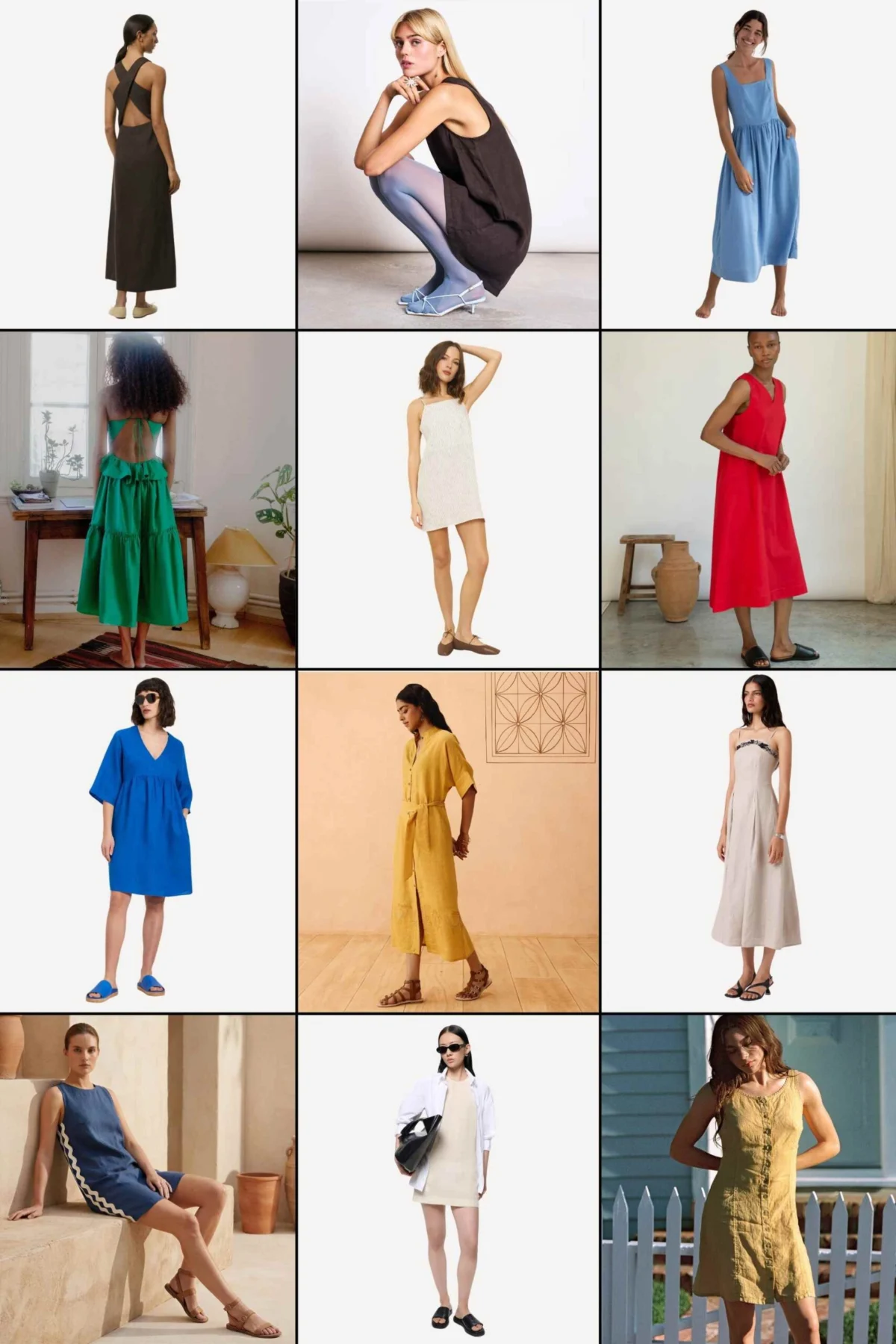
The current market features a diverse array of independent labels and innovative enterprises offering certified sustainable linen dresses. Among the standout brands highlighted by ethical fashion evaluators are:
- Artknit Studios: Recognized for its transparent supply chain and commitment to traceable, premium natural fibers, offering sophisticated silhouettes such as the Linen Twill Special Black Dress.
- JAN N JUNE: A European pioneer in eco-friendly minimalist design, utilizing certified materials and ethical local manufacturing for pieces like their signature Linen Mini Dress.
- TWOTHIRDS: Operating out of Spain, this brand emphasizes ocean conservation and utilizes lower-impact materials, featuring versatile coastal pieces like the Formentera Linen Dress.
- OhSevenDays: A sustainable slow-fashion label based in Istanbul that upcycles deadstock and eco-certified fabrics, offering timeless items such as the Holly Linen Dress.
- Whimsy + Row: A Los Angeles-based sustainable lifestyle brand focusing on limited-run batch production, local manufacturing, and zero-waste initiatives, exemplified by the Lainey Striped Linen Mini Dress.
- Beaumont Organic: Known for ethical production within Europe and Portugal, utilizing organic and natural fiber blends like their Cotton and Linen-Blend Dress.
- Lanius: A German ethical fashion leader specializing in certified organic materials, offering structured, eco-conscious options such as their Organic Linen Dress.
- Sui: Bridging traditional craft with contemporary sustainability, offering airy silhouettes like the Golden Palm Linen Maxi Shirt Dress.
- The Summer House: Emphasizing artisan livelihoods and handloom heritage, producing intricately detailed garments such as the Suhjan Embroidered Linen Dress.
- SeamsFriendly: Providing inclusive sizing and conscious production methods, including versatile pieces like the Contrast-detailed Linen Shift Dress.
- PANGAIA: A materials science company dedicated to replacing traditional textiles with high-tech, bio-based innovations and recycled blends, featuring structured designs like their A-line Linen Dress.
- LA Relaxed: Focused on local, ethical manufacturing in Los Angeles using sustainable materials to create relaxed everyday wear, including The Linen Pinafore.
Industry Implications and the Future of Conscious Apparel
The growing prominence of linen within mainstream and independent fashion markets underscores a broader structural shift in consumer consciousness. As extreme weather events increase the frequency of heatwaves across densely populated urban centers, the demand for high-performance natural fibers is projected to accelerate.
At the same time, increased regulatory scrutiny—particularly within the European Union regarding greenwashing, corporate sustainability due diligence, and digital product passports—is forcing fashion brands to substantiate their environmental claims with verifiable data. Initiatives that track garments from flax seed to finished retail product are moving from niche selling propositions to regulatory necessities.
For consumers, navigating this evolving landscape requires a dual approach: prioritizing materials with low agricultural and end-of-life impacts, such as certified organic, pure linen, while simultaneously embracing a mindful consumption model centered on garment longevity and care. By investing in durable, transparently produced apparel from verified ethical brands, shoppers can mitigate their personal environmental impact while maintaining comfort and style amid a warming climate.