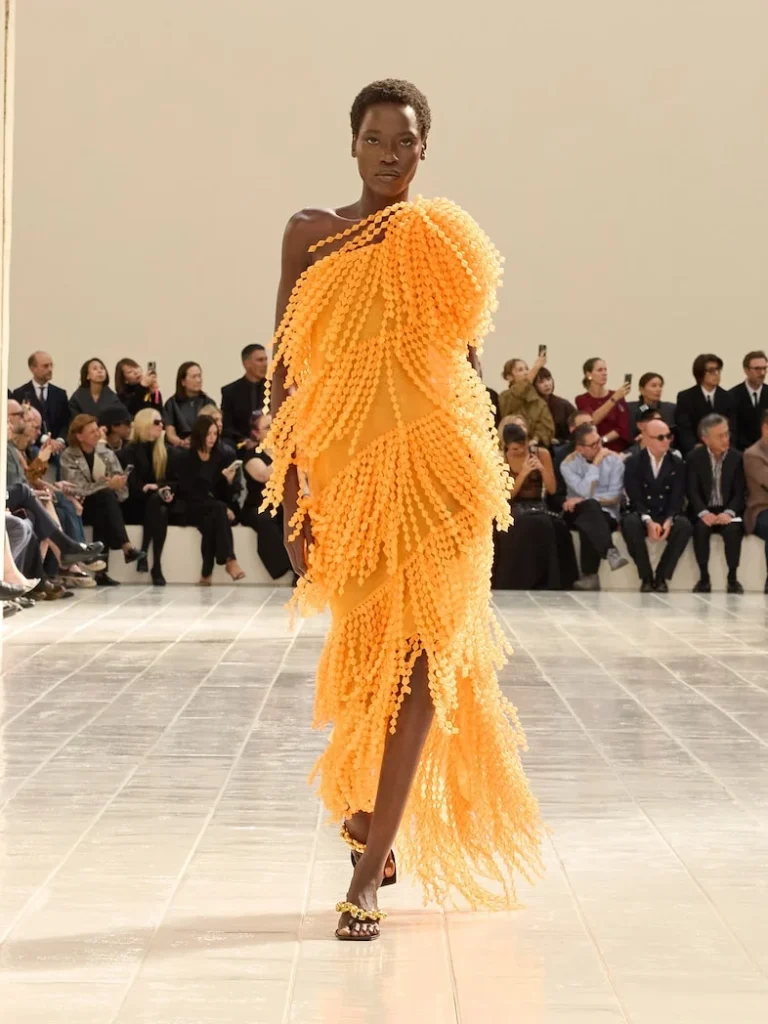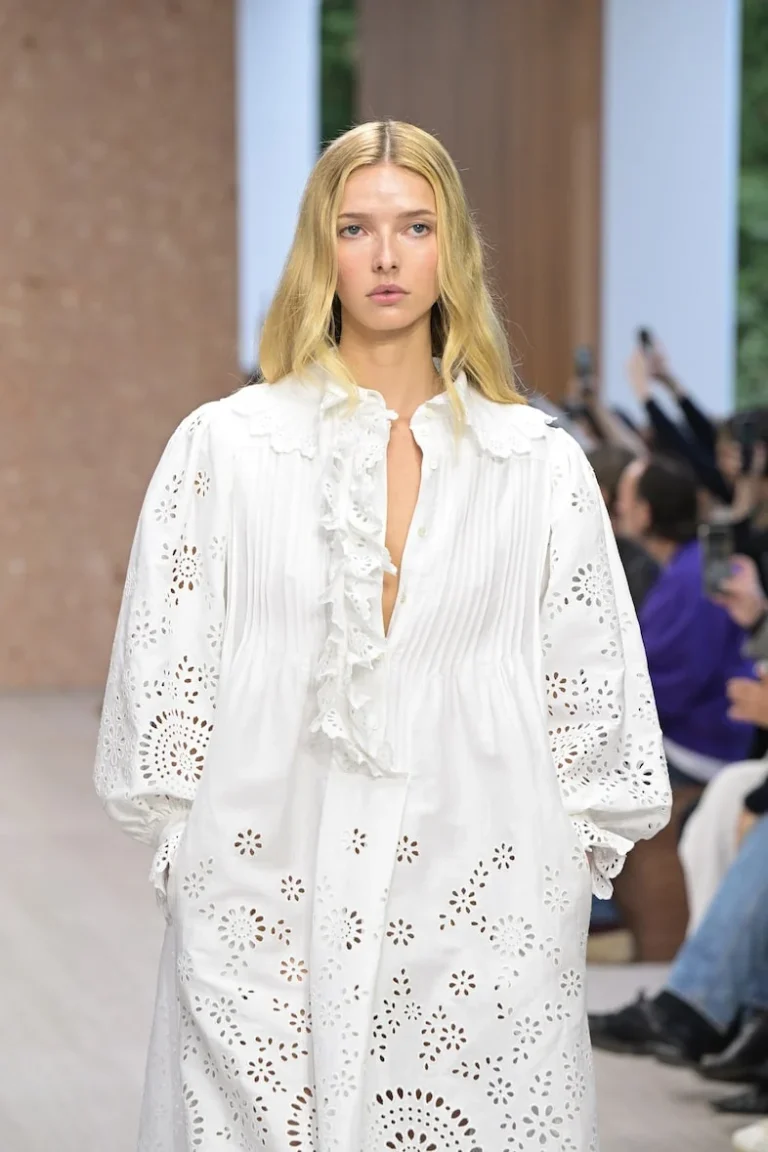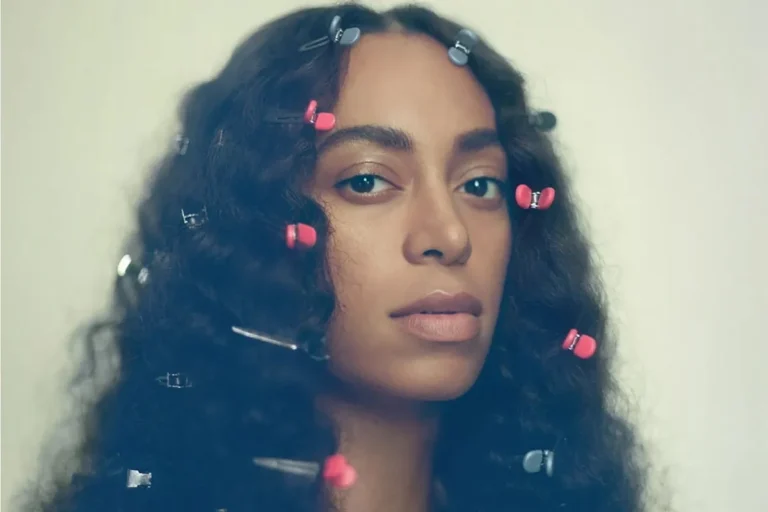



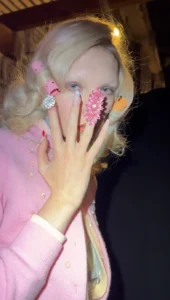
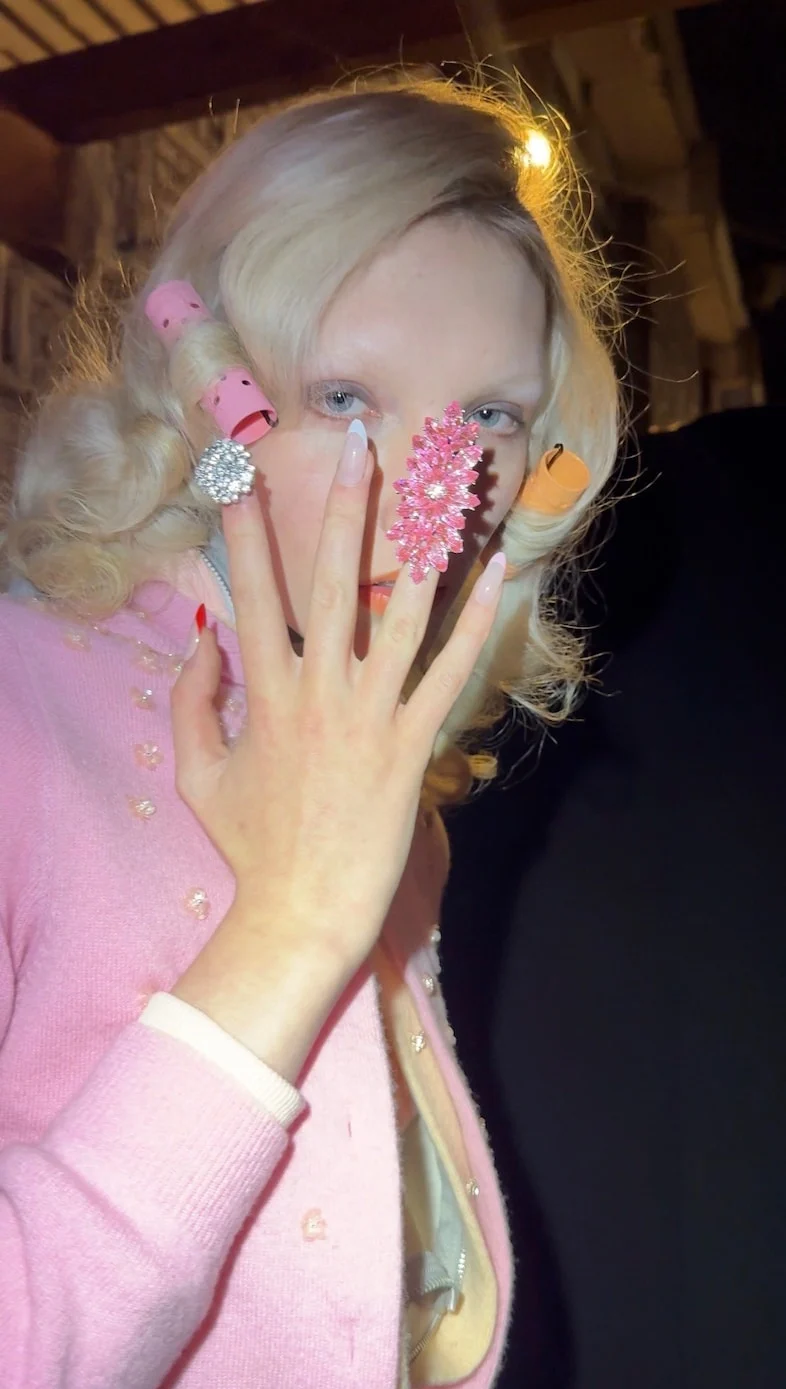
The reign of the minimalist "clean girl" aesthetic is officially facing a formidable challenge from a wave of maximalist, tactile, and high-octane nail artistry. Across global fashion capitals, red carpets, and digital platforms, manicures are undergoing a radical transformation, moving far beyond traditional polish into the realm of wearable sculpture. Pearls, precious stones, solid 18-karat gold ornaments, and genuine diamonds are increasingly replacing neutral tones and high-gloss topcoats. This shift is not merely a passing social media fad; it represents a broader cultural pivot toward expressive individualism, tactile engagement, and historical revivals in the luxury and beauty sectors.
The Evolution of Nail Adornment: From Margins to Mainstream
The integration of precious and semi-precious materials into manicures marks a departure from decades of restrained nail trends. For the better part of the late 2010s and early 2020s, beauty standards heavily favored subdued aesthetics, such as milky-white bases, understated nudes, glazed donut finishes, and short, immaculate lengths. Today, however, high fashion and pop culture have decisively embraced a more is more philosophy.
This resurgence is anchored by high-profile cultural moments and luxury interventions. During Paris Couture Week, Mellerio—widely recognized as the world’s oldest operating jewellery house—unveiled a collection of gem-set 18-karat gold nail ornaments. These pieces drew direct inspiration from an archival design first patented by the brand in 1951. Meanwhile, celebrities and athletes alike have championed the look on global stages. Pop icon Rosé has been spotted wearing real silver chains on her nails paired with fine jewelry, while tennis legend Serena Williams debuted yellow diamond-shaped nail configurations at Wimbledon.
The trend has similarly permeated Hollywood red carpets. A-listers such as Margot Robbie and Olympic figure skating champion Alysa Liu have showcased manicures studded with genuine diamonds and rubies, applied by renowned nail artist Betina Goldstein. Actress Kate Hudson brought a similar sensibility to the Academy Awards using diamond dust-infused nail lacquer, illustrating that the boundary between fine jewellery and cosmetic formulation is increasingly porous.
Historical Context and Cultural Chronology
While the contemporary obsession with bedazzled nails feels distinctly modern, its roots are deeply embedded in fashion history and cultural counter-movements. Fashion historians trace the current appetite for visible customization back to several distinct eras of self-expression.
The late 1960s and 1970s fostered a strong DIY ethos rooted in countercultural dress, where personalization served as a political and social statement. However, the foundational blueprint for modern elaborate nail art belongs indisputably to Black American beauty culture from the 1980s onward. Black women pioneered and popularized extreme lengths, intricate acrylics, rhinestones, and structural nail decorations long before these styles breached the mainstream fashion establishment.
Iconic figures cemented this visual language in the global consciousness. Olympic champion Florence Griffith Joyner turned extraordinarily long, intricately decorated nails into an inseparable component of her athletic and cultural identity during the late 1980s. Throughout the 1990s and 2000s, female hip-hop artists further amplified this aesthetic, utilizing hyper-styled nails as a core expression of glamour, wealth, and identity.
The early 2000s subsequently saw a commercialized boom in rhinestone and crystal nail decals, coinciding with Y2K maximalism. The current revival mirrors that era while incorporating contemporary luxury materials, aligning with a broader sociological phenomenon currently dubbed "whimsymaxxing."
Sociological Drivers: The Tactile Counter-Revolution
Industry analysts suggest that the explosive popularity of bedazzled and jewelled manicures is driven by a psychological reaction to the digital age. As screen time increases and artificial intelligence permeates daily life and professional environments, society has experienced an intensified craving for physical tactility, whimsy, and analog experiences.
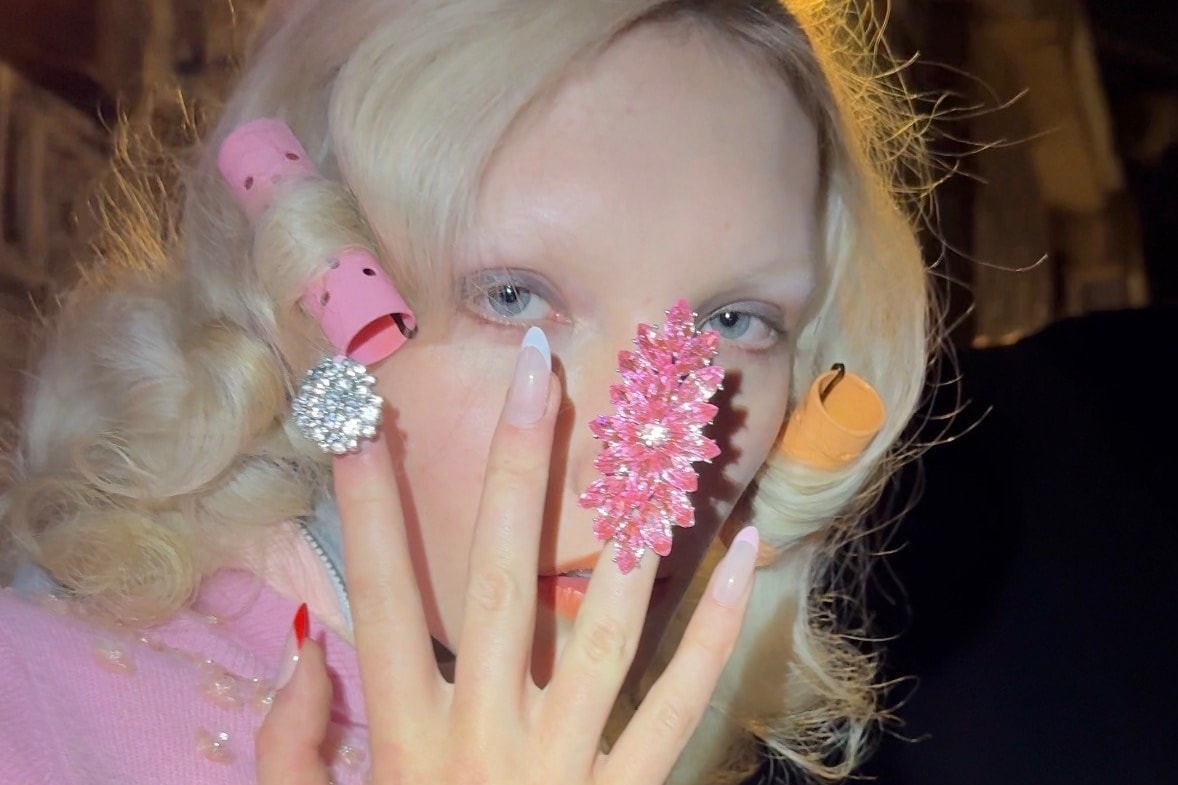
This craving manifests visibly across consumer culture. On social media platforms, viral content frequently features individuals hand-studding everyday objects—ranging from automobiles and tumblers to household appliances—with rhinestones and colorful crystals. Celebrities including Dua Lipa, Sabrina Carpenter, and Kylie Jenner have consistently showcased bedazzled aesthetics, driving demand across Gen Z and millennial consumer bases.
"The revival of bedazzled nails is perfectly in step with the heightened interest we’re seeing in nostalgia, maximalism, and personal expression in fashion," explains Summer Anne Lee, a fashion historian and adjunct instructor at the Fashion Institute of Technology. "We are seeing a peak in interest for an era of visible personalization as a counterpoint to the clean girl aesthetic."
Industry Perspectives and High-Luxury Integration
Leading nail artists report a marked surge in client requests for structural, jewellery-inspired creations. Prominent manicurist Mei Kawajiri notes an increasing demand for elements such as pearls, heavy chains, piercings, and large multi-dimensional crystals.
"I personally love big jewels more than tiny ones," Kawajiri shares, drawing parallels to childhood play and early experimentation with decorative stickers. "They remind me of when I was a kid, playing with stone stickers and putting them on my ears like earrings."
This playful yet luxurious approach has invited traditional high-jewelry Maisons to rethink how their creations interact with the human body. Mellerio’s revival of its 1951 patent—originally titled garniture décorative pour ongles—demonstrates a strategic shift in how heritage brands view fine ornamentation.
"Historically, the 1950s were a golden age for precious, playful accessories like jewelled vanity cases and eyewear," notes Laure-Isabelle Mellerio, president and artistic director of the firm. "By treating the fingernail with the same high-jewellery seriousness as an ear, a wrist or a neckline, we are redefining the boundaries of adornment. It transforms a gesture into a flash of light and turns a personal beauty ritual into a genuine piece of wearable art."
The original palladium-based designs from the 1950s have been thoughtfully modernized. Contemporary iterations utilize 18-karat gold and incorporate modern gemstones such as black diamonds, reflecting both technological advancements in manicure adhesion and evolving consumer tastes.
Broader Economic and Market Implications
The intersection of fine jewellery, cosmetics, and avant-garde nail art points to significant structural shifts within the global luxury market. Beauty brands and jewelry houses are increasingly collaborating or expanding into adjacent categories to capture consumers seeking high-involvement personal expression. Pat McGrath’s recent cosmetics collections, which frequently blur the line between makeup and precious gem application, reflect this commercial convergence.
For beauty salons and independent nail technicians, the trend requires advanced technical proficiencies. Applying structural gold ornaments, genuine gemstones, and heavy metallic chains demands specialized adhesives, balancing structural integrity with everyday wearability. Consequently, high-end nail art is positioning itself less as a routine grooming maintenance task and more as an artisanal luxury service.
As the cultural landscape continues to embrace maximalist personalization, the traditional boundaries separating cosmetics, apparel, and fine jewellery will likely continue to dissolve. Whether through archival revivals from centuries-old Parisian Maisons or grassroots DIY movements on social media, the bedazzled nail trend signals a permanent evolution in how individuals curate their physical identities in an increasingly digital world.