







Fashion independent retailers are mounting a concerted effort to pressure the UK government for urgent financial intervention as the cumulative weight of operational overheads threatens the viability of the high street. Representing the backbone of local economies, these boutique owners and small-scale fashion enterprises are reporting that the current economic landscape—defined by persistent inflation, rising energy bills, and increased business rates—has reached a critical breaking point. As of October 1, 2026, the retail sector finds itself navigating a period of unprecedented volatility, with small businesses bearing the brunt of a challenging macroeconomic climate.
The call for assistance, spearheaded by various trade bodies and advocacy groups, seeks a comprehensive review of the current tax regime, specific grants for energy efficiency transitions, and a long-term strategy to revitalize footfall in town centers. Without a structural adjustment in support, industry experts warn that the UK could witness a significant wave of permanent store closures, leading to the erosion of regional character and a loss of thousands of specialized jobs.
The Anatomy of the Current Crisis
The struggles faced by independent fashion retailers are not sudden developments but the result of a multi-year convergence of negative economic pressures. Following the global supply chain disruptions of the early 2020s, the sector faced a period of recovery that was quickly derailed by the cost-of-living crisis.
Retailers are currently contending with a “triple threat” of expenses. First, the cost of goods sold has risen significantly due to fluctuating exchange rates and increased shipping costs from primary manufacturing hubs. Second, labor costs have surged, driven by consistent increases in the National Living Wage, which, while beneficial for staff, creates a significant strain on payroll budgets for small firms with low profit margins. Finally, the burden of business rates—often cited as the single most prohibitive factor for physical retail—remains a persistent hurdle.

For the independent fashion sector, these costs are exacerbated by a fundamental change in consumer behavior. With more shoppers moving toward digital-first interactions and discount-heavy fast fashion giants, the traditional model of the “bricks-and-mortar” boutique has become increasingly difficult to sustain.
A Chronology of Economic Pressure
The trajectory of this decline can be traced back to the post-pandemic recovery phase. In 2022, retailers saw a brief spike in demand, but this was rapidly offset by inflation rates reaching double digits, which dampened consumer discretionary spending.
Throughout 2023, independent retailers focused on operational efficiency, cutting back on inventory and reducing opening hours to mitigate rising energy costs. By 2024, the focus shifted to survival, with many businesses depleting cash reserves to keep their doors open during traditionally slow periods.
The start of 2025 saw a temporary respite as supply chain costs stabilized; however, this was countered by a tightening of credit conditions. Interest rate hikes, designed to curb inflation, made borrowing for seasonal stock procurement significantly more expensive. Now, in the final quarter of 2026, retailers are reporting that the festive trading period—typically their most profitable time—is being viewed with apprehension rather than optimism, as the gap between operational costs and revenue continues to widen.
Supporting Data and Market Trends
Statistical analysis from retail consultancy firms suggests that independent fashion retailers have seen their net profit margins contract by an average of 15% over the past three years. According to recent industry surveys, nearly 60% of independent retailers report that their utility bills have increased by more than 40% compared to 2021 levels.

Furthermore, data from insolvency practitioners indicates a 12% year-on-year increase in retail business liquidations within the SME category. The vacancy rate for high street shops also reflects this trend, with “to let” signs becoming a common fixture in secondary and tertiary shopping destinations.
The shift in spending power is equally telling. While luxury retail has remained resilient, the “mid-market” independent sector—often selling clothing in the £50 to £150 price bracket—has seen the sharpest decline in transaction volume. This indicates that consumers are increasingly polarized, choosing between ultra-low-cost fast fashion or high-end investment pieces, leaving little room for the middle-tier boutiques that populate the average British high street.
Industry Responses and Advocacy
The formal requests for aid are currently being coordinated by retail associations, which are proposing a three-pillar plan to the government:
- Business Rates Reform: A permanent reduction in the multiplier for small businesses to ensure that fixed property taxes do not exceed a certain percentage of turnover.
- Energy Resilience Grants: Funding to assist small businesses in retrofitting older retail units with energy-efficient lighting, heating, and insulation, thereby lowering long-term utility overheads.
- Retail Levelling-Up Fund: A dedicated grant scheme to help small fashion businesses invest in omni-channel technologies, allowing them to compete more effectively with international online giants.
“The independent sector is not asking for a handout, but for a fair playing field,” says a spokesperson for a leading retail trade body. “Our members contribute to the cultural vibrancy of their towns and provide personalized service that large-scale retailers cannot replicate. However, when the tax burden on a small boutique is proportionally higher than that of a multinational corporation with complex offshore tax structures, the system is fundamentally broken.”
Economic Implications and Future Outlook
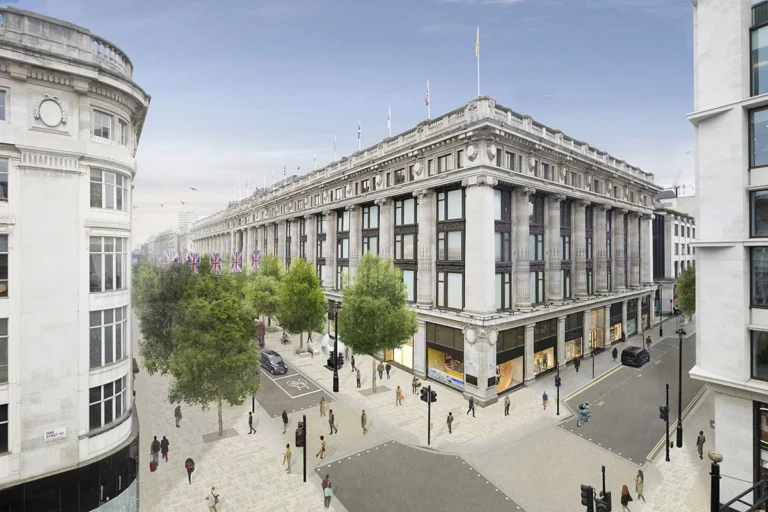
The broader impact of these closures extends far beyond the loss of individual businesses. Retail hubs serve as the anchor for social interaction in many communities. When a boutique closes, it often leaves a gap that is not easily filled, leading to a “domino effect” where the reduction in footfall impacts neighboring cafés, salons, and service providers.
Economists argue that the loss of independent retail contributes to the homogenization of the UK high street, where only businesses with massive scale or high-margin products can survive. This loss of diversity could, in the long run, diminish the attractiveness of town centers, further depressing property values and reducing local council tax revenue.
Looking ahead, the government faces a delicate balancing act. While the Treasury is under pressure to maintain fiscal discipline, there is a growing recognition that the collapse of the small business sector could have severe consequences for employment figures and regional growth. Whether the current administration will implement a targeted support package remains to be seen. Industry watchers anticipate that the upcoming Autumn Budget will be the deciding factor, with many retailers holding off on long-term investment decisions until the government’s stance on business taxation is clarified.
For now, the independent fashion sector remains in a state of high alert. The resilience that has defined these entrepreneurs for years is being tested as never before. The call for government aid is a clear signal that, for many, the time for belt-tightening has passed, and the time for policy-level intervention has arrived. As the retail landscape continues to evolve, the ability of these small businesses to adapt, supported by a more favorable regulatory environment, will likely determine the future character of the British high street.