






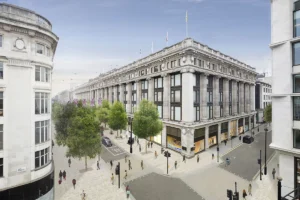



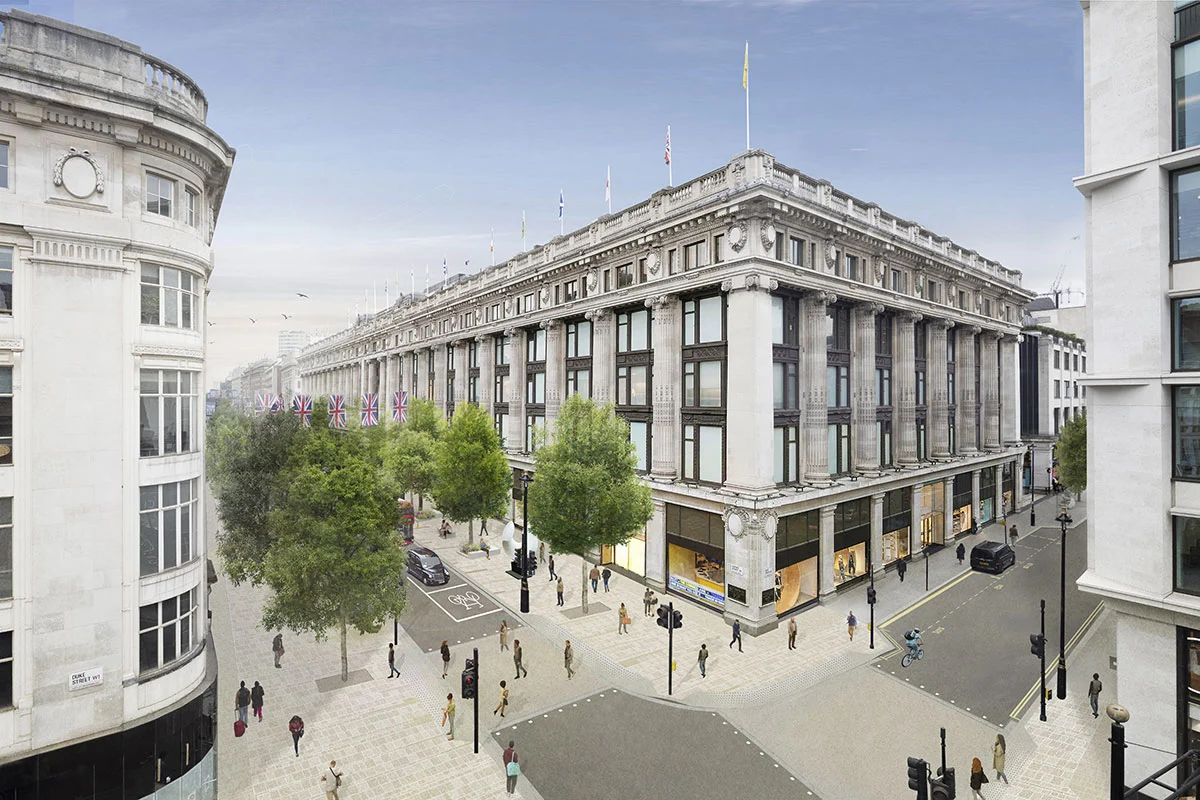
The ambitious initiative will see a near one-kilometre stretch of the world-famous retail thoroughfare—specifically the section between Orchard Street and Great Portland Street—permanently closed to all vehicular traffic, including buses, taxis, and cyclists. This shift marks a fundamental change for one of Europe’s busiest shopping districts, aligning with a broader trend of major global cities prioritizing pedestrian-friendly urban design to improve air quality, boost retail footfall, and enhance the overall experience for millions of visitors.
A Chronology of the Transformation
The decision to pedestrianise Oxford Street follows years of political friction, logistical debates, and changing retail landscapes. For decades, the street has served as a central artery for London’s bus network, often resulting in significant congestion and poor air quality.
The initial conceptual framework for this project was formally unveiled by Mayor Sadiq Khan in September 2024. The announcement was the culmination of long-term pressure from retailers and urban planners who argued that the street’s reliance on heavy vehicle traffic was incompatible with its status as a premier global retail destination. By setting a hard deadline of 26 October, the Mayor has ensured that the transformation will be operational in time for the critical Christmas trading period, a window that historically accounts for a significant portion of annual revenue for flagship stores like John Lewis, Selfridges, and the recently opened Ikea.
The Scope of the Project
The pedestrianisation project is being spearheaded by the Mayor’s office in collaboration with Transport for London (TfL) and the newly established Oxford Street Development Corporation (OSDC). The primary objective is to replace the current asphalt-dominated roadway with a pedestrian-first environment.
While specific architectural plans for the physical streetscape are still being refined, the immediate impact will be the total removal of the bus routes that have historically defined the street’s atmosphere. This necessitates a comprehensive rerouting of public transport links, which has been a primary point of contention for local authorities, particularly Westminster City Council.
Tensions Between City Hall and Local Government
Despite the Mayor’s enthusiasm for the project, describing it as a "bold vision" for a greener and more prosperous capital, the implementation has been met with vocal skepticism from the local governing body. Westminster City Council, which holds jurisdiction over the street, has repeatedly highlighted concerns regarding the practical execution of the plans.
Tim Barnes, the deputy leader of Westminster City Council, has publicly voiced the concerns of local residents and business owners. While acknowledging that a clear timetable is a necessary step, Barnes has warned that critical questions remain unanswered. "If this is going to be the greener, better and more prosperous success that the Mayor has promised, then issues around access, air pollution, street cleaning and public safety need answers urgently," Barnes stated.
The core of the Council’s objection lies in the displacement of traffic. Critics fear that by removing a major thoroughfare for vehicles, the congestion will simply be shunted into smaller, residential side streets. This "traffic migration" could, according to opponents, lead to increased air pollution and safety risks in neighborhoods that were not designed to handle high volumes of diverted traffic. The Council argues that without a holistic plan for the wider district, the project risks creating "all of the downsides and too little upside."
Supporting Data and Economic Context
The urgency of the project is driven by a need to revitalize London’s retail core following a turbulent decade. Oxford Street has faced intense pressure from the rise of e-commerce, the long-term impact of the COVID-19 pandemic, and the loss of tax-free shopping for international tourists, which has seen some luxury brands shift their focus to other European capitals.

Industry data suggests that the pedestrianisation of major city streets can lead to a 10% to 20% increase in retail footfall. By creating a high-quality, vehicle-free environment, the Mayor’s office hopes to mirror the success of similar projects in cities like Madrid, Barcelona, and Paris. Proponents argue that the current street environment, characterized by narrow pavements and constant exposure to bus emissions, is detrimental to the luxury and experiential retail models that now dominate the area.
Major retailers have largely welcomed the move. The presence of anchor tenants such as Selfridges and the recent arrival of Ikea signal a shift toward "destination retail," where consumers are looking for a day-out experience rather than a quick transaction. These businesses have argued that a pedestrian-friendly environment is essential for maintaining the street’s competitiveness against out-of-town shopping centers and online platforms.
Safety, Accessibility, and Logistics
One of the most complex aspects of the transition is the logistics of servicing such a high-density retail area without vehicles. Currently, the street relies on constant deliveries, waste collection, and accessibility for disabled visitors. TfL and the OSDC are reportedly working on new protocols to manage these requirements during designated "off-peak" hours or through alternative access points.
Public safety is also a paramount concern. The transition to a wide, open pedestrian space requires significant investment in street furniture, lighting, and security infrastructure to prevent the area from becoming a target for vehicle-based threats or antisocial behavior. The Mayor’s office has committed to working closely with the Metropolitan Police to ensure that the new design incorporates "hostile vehicle mitigation" measures that do not detract from the street’s aesthetic appeal.
Implications for London’s Future
The pedestrianisation of Oxford Street is a litmus test for the future of urban centers in the United Kingdom. If successful, the project could serve as a template for other major thoroughfares across London that are currently struggling to balance transport utility with environmental and commercial needs.
However, the implications are not purely positive. The displacement of bus routes, in particular, raises concerns for accessibility. Many elderly or mobility-impaired shoppers rely on the current bus network to access specific stores directly. TfL will need to demonstrate that the new, rerouted network maintains a level of accessibility that prevents the area from becoming exclusive to those who can afford to travel by taxi or those who are physically capable of walking from the nearest tube station.
Environmental analysts are also watching the situation closely. While the removal of combustion-engine buses from the immediate street will undoubtedly lower nitrogen dioxide levels on Oxford Street, the net environmental impact depends on where those buses are relocated. If the rerouting leads to longer bus journeys or increased traffic idling on adjacent streets, the localized air quality improvements on Oxford Street could be offset by degradation elsewhere in the borough.
Looking Ahead to October
As the 26 October deadline approaches, the focus will shift from the political debate to the technical delivery. The Mayor’s office faces the significant challenge of managing the transition during the lead-up to the busiest retail quarter of the year. Any logistical failures, such as blocked delivery routes or public transport confusion, could turn the initial excitement into public frustration.
Despite the remaining friction with Westminster City Council, the project appears to have reached the point of no return. The institutional support from major retail stakeholders and the stated backing of the Mayor indicate that the physical transformation of Oxford Street will proceed. For London, this is more than just a road closure; it is an attempt to redefine the identity of its most famous street for the 21st century—moving away from its history as a congested transit corridor and toward a vision of a modern, pedestrian-centric urban plaza.
Whether this bold experiment will truly result in a "greener, better and more prosperous" London remains to be seen. The success of the project will ultimately be measured not by the rhetoric of its architects, but by the tangible experience of the millions who traverse the street each year, and the long-term viability of the businesses that call it home. The coming months will be a critical testing period for one of the most significant urban planning projects in recent British history.