









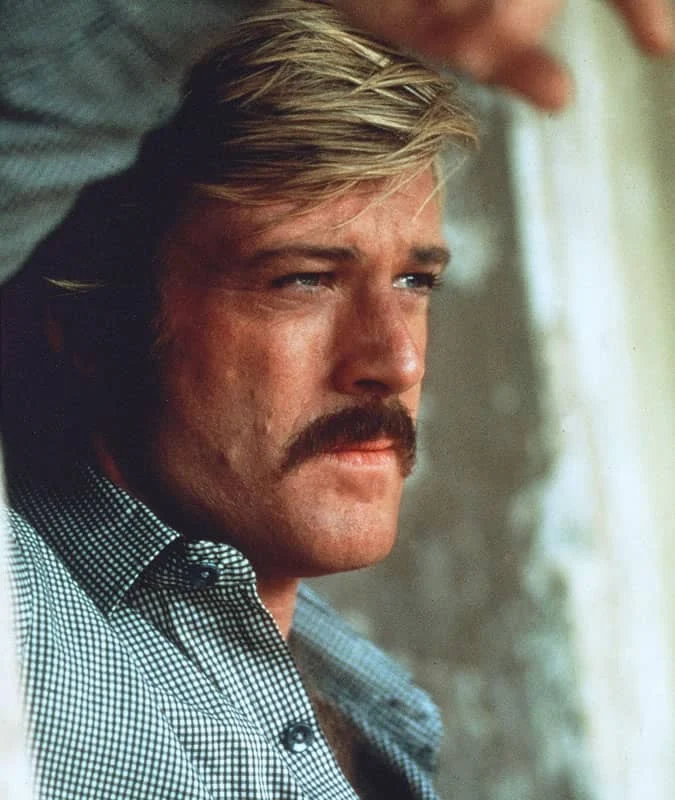
The landscape of men’s personal grooming is experiencing a notable stylistic pivot, moving away from the ubiquitous full beard that has dominated fashion cycles for over a decade and directing its attention toward the upper lip. Once relegated to historical archives or associated with specific pop-culture subcultures, the standalone moustache has re-emerged as a deliberate fashion statement. This resurgence mirrors broader trends in menswear where retro accessories—such as cross-body bags and bucket hats—frequently cycle back into mainstream popularity. Cultivating a well-maintained moustache requires an understanding of historical context, structured growth stages, face-shape compatibility, and a dedicated maintenance routine utilizing modern grooming products.
Historical Evolution of Upper Lip Hair
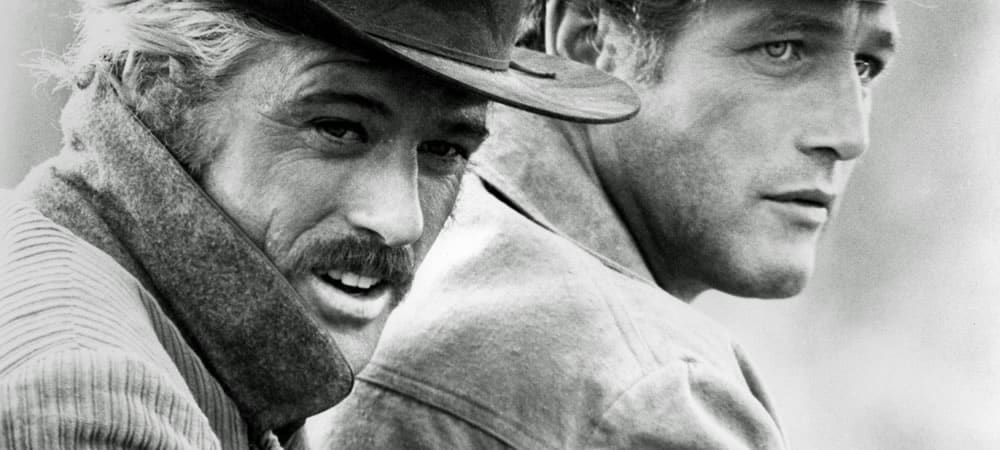
Facial hair trends have historically been dictated by a combination of military regulation, societal status, and cinematic influence. The modern lineage of the moustache dates back to the early 1600s, popularized by figures like King Charles, before reaching a distinct zenith during the 1930s and 1940s. During this era, leading Hollywood actors such as Clark Gable and Errol Flynn integrated whiskers into their standard public and on-screen personas.
Concurrently, institutional frameworks played a significant role in normalization. British military forces, for instance, mandated moustache-wearing as an official component of uniform dress codes for a period, cementing the look as a symbol of rugged masculinity and disciplined formality.
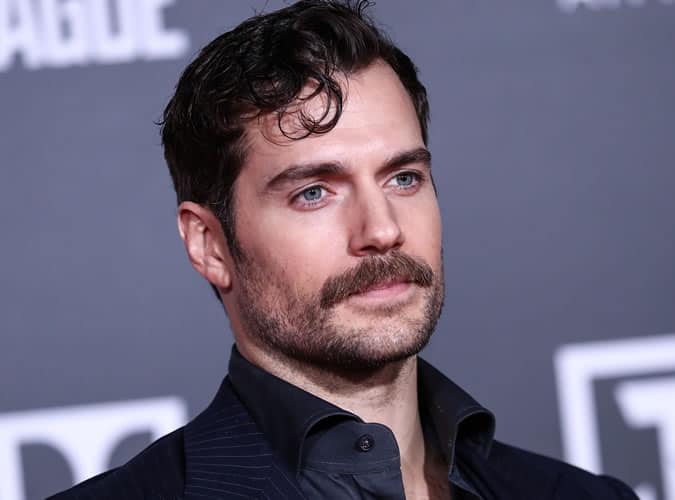
However, the cultural standing of the moustache shifted dramatically in the latter half of the twentieth century. By the 1980s, the style faced severe cultural decline, frequently associated with adult entertainment industries or viewed as outdated and unrefined. This association relegated the look to the periphery of mainstream fashion for decades. The contemporary revival, observed on modern high streets and international fashion runways alike, has been heavily fueled by a new wave of celebrity adopters—including Henry Cavill, James Franco, and prominent characters in stylised cinematic and television productions such as Netflix’s Narcos and films like The Nice Guys.
The Five-Stage Growth Chronology
Transitioning from a clean-shaven face or a full beard to a standalone moustache is a methodical process that demands adherence to a timeline. Facial hair grows at an average rate of approximately 0.4 millimeters per day, meaning meaningful styling capacity requires a commitment of several weeks.
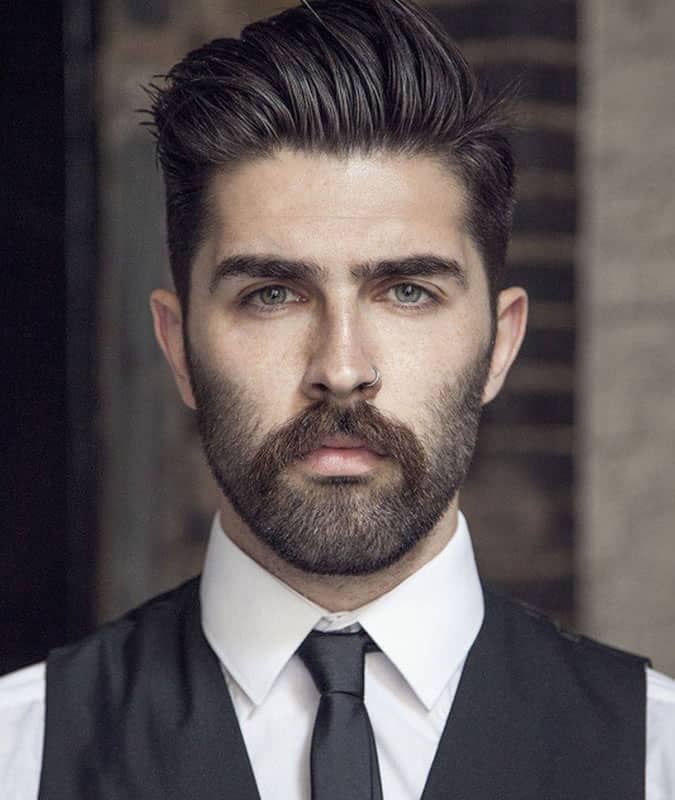
Stage 1: Assessing Growth Potential
Before committing to a specific shape, individuals must evaluate their natural density and growth patterns. Attempting to style a moustache prematurely is counterproductive, much like pruning a hedge before it has reached sufficient volume. Cultivating a full beard first serves as a practical diagnostic tool, allowing individuals to identify and navigate the awkward in-between growth phases while highlighting any patchy areas that may complicate the final design.
Stage 2: Preparation and Patience
Patience is the primary variable in successful facial hair cultivation. If a preliminary beard growth phase yields stubble that struggles to exceed six to eight millimeters in density, a full standalone moustache is statistically unlikely to develop beyond a thin upper-lip line. Conversely, if growth is robust, the natural direction of the hair follicles will become apparent after two weeks, guiding the choice between styles such as the toothbrush moustache or a classic handlebar.
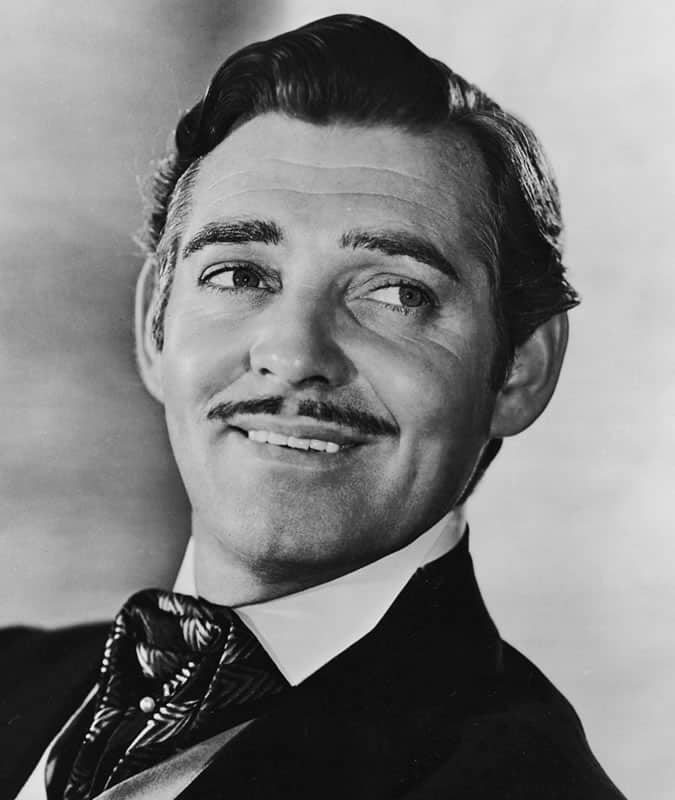
Stage 3: Navigating the Early Days
The initial weeks require consistent maintenance to keep surrounding facial hair uniform and presentable. As hairs beneath the nose begin to extend over the upper lip, precision clippers should be employed to clean stray hairs and define a clean border. For styles requiring length, such as a handlebar, the hair can be systematically trained outward rather than downward to preserve maximum length along the lateral edges.
Stage 4: Selecting the Appropriate Style
Styling decisions must be informed by anatomical structure, particularly facial geometry. Industry experts note that individuals with strong, prominent jawlines generally find it easier to carry off dense, full moustaches. In contrast, those with softer, square, or oval face shapes often achieve better aesthetic balance by opting for a subtler "beardstache"—a low-grade trimmed beard paired with a more prominent upper-lip growth.
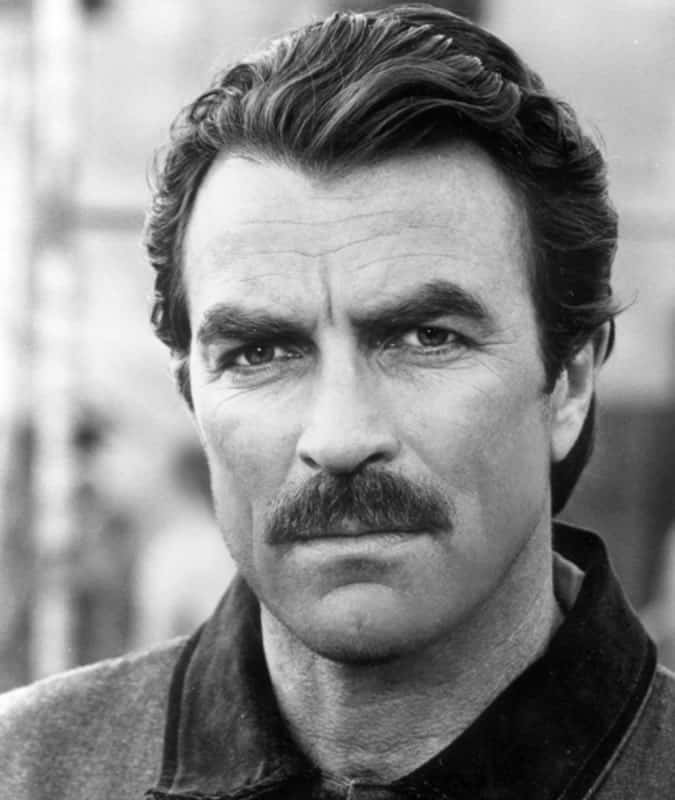
Key Moustache Classifications
To achieve a polished result, individuals typically align their growth with one of several established classifications:

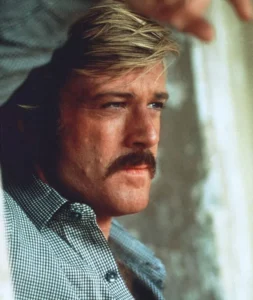
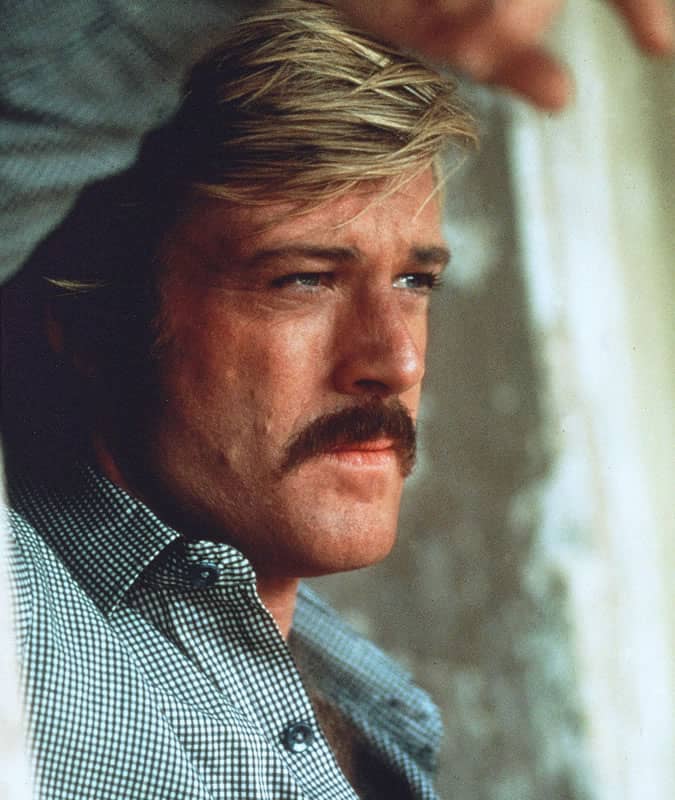
- The Full Moustache: Demanding high density and a minimum length of 10 millimeters, this style projects uncompromised commitment. Inspired by mid-century icons like Robert Redford in Butch Cassidy, the look avoids overly rigid shaping to maintain a natural, rugged aesthetic.
- The Beardstache: Functioning as an entry-level style for beginners, this look pairs a heavily trimmed beard (typically set to a grade one, or three millimeters) with a denser, more prominent moustache, offering texture without harsh contrast.
- The Pencil Moustache: Characterized by a razor-thin line of hair precisely traced above the lip using detail trimmers. Popularized during the golden age of Hollywood, this style requires high maintenance and a refined approach to personal presentation.
- The Standard Moustache: A low-profile, classic approach that integrates seamlessly into a daily routine without dramatic shaping or exaggerated curvature, often maintained via regular wet-shaving of the surrounding skin.
Maintenance Protocols and Essential Grooming Products
Maintaining the structural integrity of a moustache requires a disciplined regimen combining mechanical trimming, specialized cosmetics, and routine cleansing.
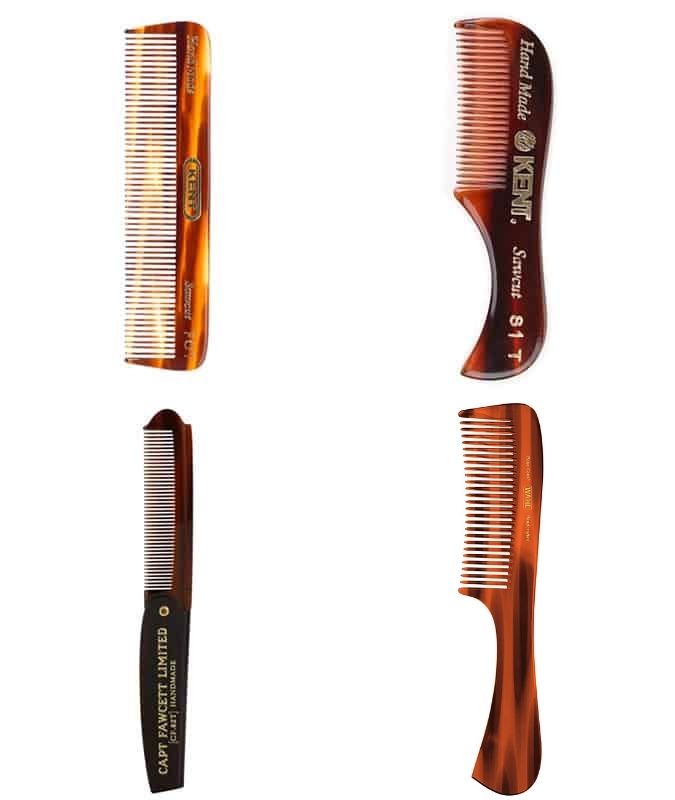
Trimming and Taming
Hair should be trimmed every three to four days once the desired length is achieved. Crucially, trimming must be performed when the hair is entirely dry; wet hair naturally extends and relaxes, which can lead to over-cutting once it contracts to its original dry state. Depending on the chosen style, a combination of a specialized beard trimmer and fine-point facial hair scissors is necessary to eliminate strays.
Combing and Structuring
While moustache combs are sometimes stereotyped, they remain functionally vital for longer styles. Combing detangles the hair, straightens unruly strands prior to trimming, and ensures the even distribution of styling products. Moustache wax provides essential hold and environmental protection, though application must be measured to avoid a greasy, weighed-down appearance.

Hygiene and Conditioning
Facial hair is naturally coarser than scalp hair and is prone to moisture depletion. Regular cleansing with dedicated shampoos and conditioners is mandatory. For the skin beneath the hair, dermatological health must be maintained: shorter styles benefit from lightweight facial moisturizers, while longer, denser moustaches require specialized beard oils or balms that penetrate the coarse hair shafts to nourish the skin underneath without clogging pores.
Broader Market Implications

The return of the moustache reflects a broader economic and cultural shift within the male grooming sector. As consumers increasingly invest in niche personal care products—spanning precision trimmers, organic waxes, and conditioning oils—manufacturers have expanded their grooming portfolios to cater specifically to facial hair maintenance beyond traditional shaving supplies. This micro-trend underscores a wider consumer appetite for vintage aesthetics integrated into modern lifestyle routines, marking a permanent diversification in contemporary menswear standards.