






The modern consumer’s journey toward sustainability has steadily expanded past outerwear, denim, and daily professional attire into the most intimate category of clothing: sleepwear. For decades, the global pajama market was heavily dominated by synthetics like polyester, nylon, and conventional non-organic cotton. However, growing awareness surrounding environmental degradation, microplastic pollution, and ethical labor practices has catalyzed a profound shift in how shoppers approach bedtime apparel. Industry analysts note that contemporary sleepwear consumers no longer prioritize aesthetic appeal and comfort in isolation; instead, traceability, material provenance, and corporate accountability have emerged as central purchasing drivers.
This structural pivot within the textile industry reflects a broader realignment of global consumer values. As international regulatory bodies tighten scrutiny on greenwashing and consumers demand absolute transparency from apparel manufacturers, independent rating systems and ethical directories have stepped into the spotlight. Curating high-rated brands based on rigorous, multi-pillar assessments—encompassing environmental impact, labor conditions, and animal welfare—has become essential for navigating an increasingly crowded marketplace of eco-friendly alternatives.
The Environmental and Health Imperatives of Sustainable Fabrics
To understand the rapid ascent of sustainable sleepwear, one must examine the material composition of traditional nightwear. Standard commercial pyjamas frequently rely on petroleum-based synthetic fibers such as polyester and nylon. While cheap to produce, these materials present distinct disadvantages for both human physiology and planetary health. Synthetic fibers lack natural breathability, trapping body heat and moisture during sleep. This thermal discomfort frequently disrupts sleep architecture, leading to nocturnal restlessness and overheating.
From an environmental standpoint, the consequences are severe. Synthetics are derived from fossil fuels, contributing directly to carbon emissions during extraction and processing. Furthermore, every time synthetic garments are laundered, they shed thousands of microscopic plastic fibers. These microplastics bypass municipal water treatment facilities, ultimately contaminating marine ecosystems and entering the global food chain.
In contrast, the market’s leading ethical sleepwear brands champion renewable, plant-based, and circular materials. Organic cotton—particularly varieties certified by the Global Organic Textile Standard (GOTS)—forms the backbone of many sustainable sleepwear collections. Unlike conventional cotton, which relies heavily on synthetic pesticides and chemical fertilizers that degrade soil health and endanger agricultural workers, organic cotton is cultivated using methods that preserve biodiversity and maintain soil integrity.
Linen, derived from the flax plant, represents another gold standard in sustainable sleepwear. Requiring minimal water and agrochemicals to thrive, flax is a resilient crop that can grow in poor soils. Linen garments offer superior natural temperature-regulating properties, making them exceptionally well-suited for nightwear. Additionally, regenerated cellulosic fibers such as TENCEL Lyocell and sustainably sourced bamboo have gained immense traction. Produced via closed-loop systems—where solvents are captured and recycled at rates exceeding 99%—these silky, breathable fabrics offer luxurious alternatives to traditional silk and synthetics without compromising ecological principles.
Decoding Supply Chain Transparency: Labor, Wages, and Human Rights
Material selection represents only one facet of comprehensive sustainability. The human cost of fast fashion has historically remained hidden behind glossy marketing campaigns and opaque supply chains. Ethical sleepwear manufacturing requires a rigorous examination of labor practices across every tier of production, from raw fiber harvesting to final garment assembly.
Industry watchdogs and consumer advocacy groups emphasize that true sustainability is inextricably linked to social justice. When evaluating ethical nightwear, conscious consumers look for brands that guarantee fair wages, secure employment contracts, safe working conditions, and strict adherence to international labor standards. Historical abuses in the global garment sector—ranging from excessive overtime and forced labor to hazardous factory environments—have underscored the urgent need for independent third-party audits.
Prominent sustainability rating frameworks evaluate brands against comprehensive labor metrics. These assessments investigate whether workers are paid a living wage—defined as remuneration sufficient to cover a family’s basic needs, including food, housing, healthcare, and education—rather than merely complying with local legal minimum wages, which frequently fall short of basic survival thresholds. Furthermore, brands committed to ethical manufacturing often maintain long-term relationships with certified factories, fostering stable economic development within artisan communities and manufacturing hubs across the globe.
Animal Welfare in Modern Sleepwear: Navigating Hidden Components
While consumers actively seeking ethical fashion readily avoid obvious animal-derived materials like conventional silk, leather, or down fillings, sustainable sleepwear curation requires a heightened level of scrutiny regarding microscopic or overlooked details.
High-end nightwear collections frequently incorporate subtle animal-derived components that can slip past the radar of well-intentioned buyers. A prime example is the use of mother-of-pearl buttons, harvested from the inner layers of bivalve mollusks, or traditional silk piping. To maintain cruelty-free standards, progressive sleepwear labels substitute traditional silk with innovative plant-based alternatives like TENCEL or bamboo silk blends, and replace shell buttons with corozo nuts, recycled metals, or certified biodegradable plant resins. This holistic commitment to cruelty-free design ensures that animal welfare is safeguarded from the stitching and tags down to the smallest fastening.
Spotlight on Certified Leaders in Ethical Sleepwear
A new generation of brands has emerged to meet the surging demand for transparent, high-quality, and ethically manufactured nightwear. Rigorously vetted against comprehensive sustainability criteria, these companies demonstrate that comfort, style, and ecological responsibility can coexist harmoniously.
Sustain by Kat
Focusing on timeless organic apparel for women and children, Sustain by Kat champions a chemical-free approach to nightwear. The brand utilizes GOTS-certified organic cotton, ensuring that no harmful synthetic pesticides enter the agricultural ecosystem. Crucially, Sustain by Kat distinguishes itself through its commitment to non-toxic coloration, utilizing exclusively plant-based, lower-impact dyes. By eliminating heavy metal mordants and synthetic azo dyes, the brand protects both the health of textile artisans and the skin of the end consumer, offering garments in sizes XS through XL.
Boody
Founded in Australia by two lifelong friends, Boody has established itself as an international benchmark for comfortable everyday essentials and loungewear. Centered around organically grown bamboo, the brand prioritizes health, style, and structural sustainability. Boody minimizes manufacturing waste through innovative, low-waste pattern-cutting techniques and operates a closed-loop water system that recycles solvent solutions during bamboo fiber production. Spanning an inclusive sizing matrix from XS to 4XL, the brand proves that sustainable sleepwear can accommodate diverse body types while maintaining rigorous environmental standards.
Printfresh
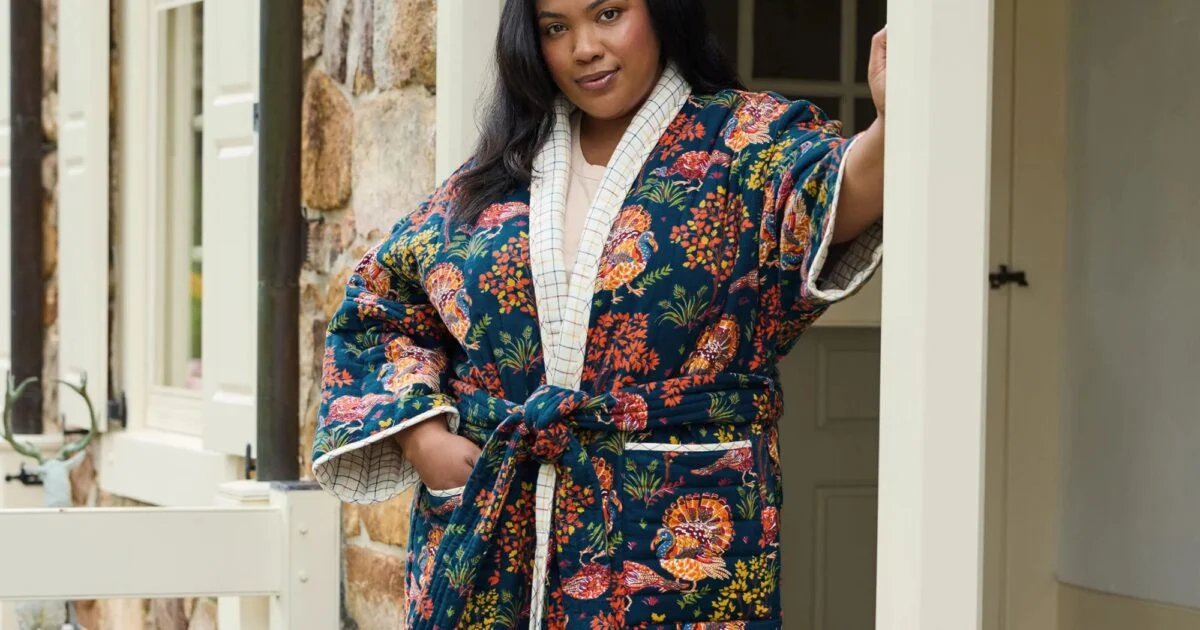
Established in 2016 by textile designer and entrepreneur Amy Voloshin alongside her business partner and husband Leo Voloshin, US-based Printfresh injects vibrant personality into the ethical sleepwear space. As a majority woman-owned enterprise, Printfresh draws inspiration from botanical illustrations, historical textiles, and domestic animal motifs. Their statement sleepwear and lounge collections are crafted with an emphasis on artisanal block-printing and sustainable manufacturing partnerships, offering an expansive size range spanning from 2XS to 6XL.
Noctu
Rooted in the United Kingdom, Noctu embraces a minimalist design philosophy where simplicity, functional utility, and uncompromising comfort intersect. The brand specializes in luxurious nightwear and loungewear crafted exclusively from premium organic cotton. Noctu’s quiet, understated aesthetic appeals to consumers seeking timeless bedtime staples produced under strict environmental and ethical oversight, with collections generally available in sizes S through L.
CASAGiN
Hailing from Italy, CASAGiN designs apparel for individuals striving to integrate conscious consumerism into every facet of their daily lives, including their nighttime routines. The brand’s sleepwear and intimates lines emphasize circular design principles, utilizing eco-friendly, biodegradable, and plant-derived fibers. With most items available in sizes ranging from XS to 2XL, CASAGiN represents the intersection of classic Italian design sensibility and modern ecological accountability.
Aiayu
Established in Denmark in 2015, Aiayu operates as a luxury lifestyle brand dedicated to creating foundational pieces for a conscious home and wardrobe. The brand evaluates its environmental footprint through a holistic lens, asserting that a product’s geographic origin, manufacturing methodology, and ultimate end-of-life impact are equally as critical as its visual and tactile aesthetics. Aiayu’s curated sleepwear collections emphasize durability, timeless cuts, and rigorous supply chain oversight, typically offered in sizes XS through L.
Mightly
Expanding sustainable options into the youth market, Mightly specializes in GOTS-certified organic cotton and Fair Trade Certified children’s apparel, including durable, soft pyjamas, tees, and leggings. Partnering with Fair Trade USA-certified facilities, Mightly ensures that the factories producing children’s sleepwear provide safe working conditions, fair compensation, and empowerment programs for workers, safeguarding the next generation of consumers from both chemical exposure and exploitative labor.
Broader Market Implications and Future Outlook
The transition toward sustainable sleepwear is indicative of a broader structural transformation within the global textile economy. As corporate accountability laws expand across the European Union, North America, and key manufacturing hubs in Asia, brands are increasingly compelled to substantiate their environmental claims with verifiable data rather than marketing assertions.
Market analysts project that the global sustainable apparel sector will continue its aggressive upward trajectory, driven heavily by younger demographic cohorts—Millennials and Generation Z—who exhibit significantly higher brand loyalty toward companies with demonstrable social and environmental credentials. For the sleepwear industry, this shift signifies that sustainability is no longer a peripheral niche market, but rather the baseline expectation for future commercial viability.
Ultimately, investing in ethical sleepwear transcends the immediate tactile pleasure of soft fabrics and temperature regulation. By choosing garments produced from organic, plant-based materials under fair labor conditions, consumers actively participate in a circular economic model that respects planetary boundaries and honors human dignity. As editorial guides and transparency directories continue to demystify brand supply chains, the path toward a more conscious, peaceful night’s sleep becomes increasingly accessible to the global consumer.