









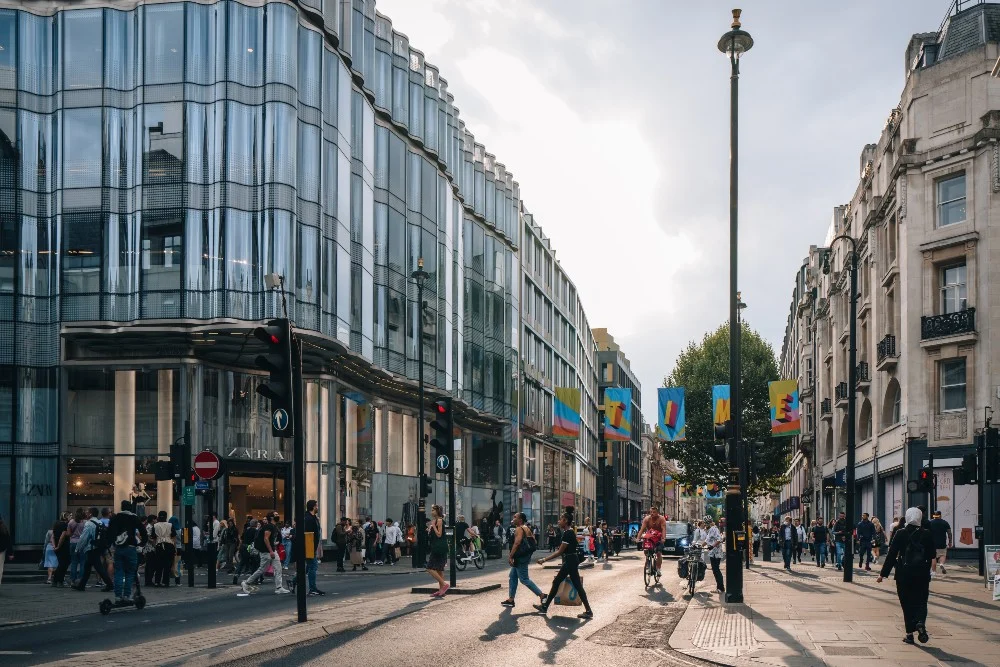
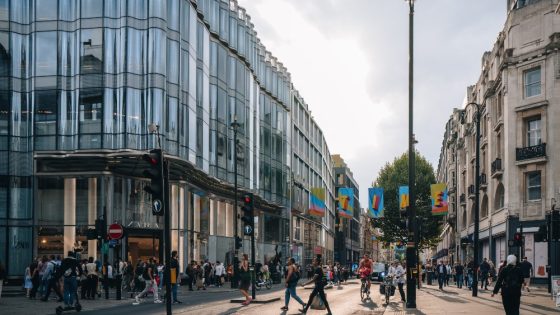
The New West End Company (NWEC), a powerhouse organization representing over 800 businesses spanning 100 streets across London’s iconic West End—including Oxford Street, Regent Street, Bond Street, and Mayfair—has formally called upon the UK government to implement a transformative policy framework designed to catalyze a decade of sustained economic expansion. As the heartbeat of the nation’s retail, leisure, and hospitality sectors, the district is positioning itself as a vital engine for national recovery, but leadership warns that without strategic intervention, the area risks losing its competitive edge to global rivals such as Paris, New York, and Singapore.
The initiative, titled "Open for Growth," serves as a strategic blueprint intended to reshape the regulatory and fiscal environment of the district. By addressing systemic challenges such as business rates, public safety, and tourism incentives, the NWEC aims to fortify the West End’s status as a premier global destination, ensuring it continues to serve as a significant contributor to the United Kingdom’s gross domestic product (GDP).
Economic Significance: A National Powerhouse
To understand the urgency behind the NWEC’s request, one must first consider the sheer scale of the West End’s economic footprint. The district is responsible for approximately 3% of the UK’s total economic output. Beyond the raw GDP figures, it acts as a critical tax generator, contributing £17 billion annually to the national exchequer. Furthermore, the district supports a workforce of over 350,000 individuals, many of whom are employed in high-value retail and service roles that define the London experience.
Perhaps most notably, the West End accounts for 8% of the UK’s total business rates—a tax levied on non-domestic properties that remains a point of contention for retailers facing high overheads. The NWEC argues that the current structure of these rates, combined with other fiscal pressures, creates a disproportionate burden on businesses that are already operating in one of the most expensive real estate markets in the world.
The Open for Growth Roadmap
The "Open for Growth" roadmap is not merely a list of grievances but a targeted set of policy recommendations aimed at specific pain points that hinder operational efficiency and visitor experience. The proposal centers on four primary pillars:
- Business Rates Reform: The NWEC is advocating for a more flexible and equitable tax system. They argue that the current business rates regime is outdated and discourages long-term investment, particularly as the retail landscape shifts toward omni-channel models.
- Tackling Organised Crime: A safe, clean environment is essential for a world-class shopping district. The proposal calls for a national, coordinated effort to combat shoplifting and organized crime rings that have increasingly targeted high-end retailers, impacting both staff safety and inventory loss.
- Visitor Economy Spending Initiative: To maintain the West End’s status as a global hub, the NWEC is pushing for policies that encourage international tourism. This includes revisiting the removal of tax-free shopping for international visitors, which critics argue has diverted luxury spending to other European capitals.
- Reinvestment of Overnight Visitor Taxes: The roadmap suggests that a portion of the revenue generated from visitors staying in the district should be directly reinvested into the infrastructure and maintenance of the area, ensuring the public realm remains attractive to both domestic and international tourists.
Historical Context and Recent Challenges
The West End has faced a turbulent period over the last several years. The onset of the COVID-19 pandemic in 2020 forced a sudden and unprecedented shutdown of the district’s retail and hospitality sectors. While the lifting of lockdowns saw a gradual return of footfall, the recovery has been uneven.
In late 2022 and throughout 2023, the district grappled with the combined effects of rising energy costs, inflationary pressures, and the cost-of-living crisis, which dampened domestic consumer confidence. Additionally, the labor market has remained tight, with businesses struggling to fill roles in hospitality and service. By launching the "Open for Growth" plan, the NWEC is attempting to pivot from the reactive crisis management of the pandemic era toward a proactive, long-term growth strategy that looks ahead to the 2030s.
Official Perspectives and Industry Support
Dee Corsi, the Chief Executive of the New West End Company, has been a vocal proponent of the need for a national policy shift. Speaking on the launch of the roadmap, Corsi emphasized that the West End is not an isolated bubble of wealth but a central pillar of the national economy.
"This collection of over 800 businesses within a 20-minute walking radius makes an overwhelming and disproportionate contribution to the national economy," Corsi stated. "The potential for growth and impact is exponential, however, it relies on a policy framework which supports West End businesses and is globally competitive. Without this, money allocated to London and the UK gets redirected abroad to the likes of Paris, Tokyo, New York, and Singapore."
The call for reform has gained traction among major industry players. Adam Hawksbee, the external affairs director at Marks & Spencer, highlighted the practical challenges retailers face, noting that the status quo is insufficient for the current global retail environment. "For our stores to thrive, we need a tax system that supports growth and a West End that is safe, clean, and welcoming to visitors from the UK and around the world," Hawksbee remarked.
Strategic Implications for the UK Government
The NWEC’s request places the government in a difficult position. While the Treasury is under pressure to maintain tax revenue, the argument presented by the NWEC is that reform is not an expense but an investment. By lowering barriers to entry and improving the attractiveness of the West End, the government could theoretically see an increase in overall tax revenue through higher visitor spending, increased employment, and greater investment in capital projects.
The proposal also highlights the importance of the "public-private partnership" model. By working in tandem with the Mayor of London, the Metropolitan Police, and local government bodies, the NWEC aims to streamline decision-making. The implicit warning in their report is clear: the global competition for high-net-worth visitors and international investment is fierce. If London does not actively curate its environment to be welcoming and efficient, it will inevitably lose market share to competing cities that are already implementing similar growth-focused strategies.
Future Outlook and Policy Implementation
Looking forward, the success of the "Open for Growth" plan will depend on the government’s willingness to engage with these proposals during upcoming fiscal events, such as the Autumn Statement or the annual Budget. Analysts suggest that while wholesale reform of business rates is politically and economically complex, the government may be more inclined to consider targeted interventions regarding public safety and the promotion of the tourism sector.
The timeline for these changes remains speculative, but the NWEC is clearly positioning itself to be a permanent fixture in the policy debate. Their data-driven approach, which links the success of the West End to the wider economic health of the UK, provides a compelling narrative for policymakers who are looking for ways to boost national productivity.
As the retail and hospitality sectors continue to evolve, the "Open for Growth" initiative stands as a testament to the resilience of the West End. Whether or not these specific proposals are adopted, the movement marks a significant moment in the relationship between London’s business community and the national government. The coming months will likely reveal whether this unified voice is enough to shift the needle on national policy, or if the West End will be forced to adapt to a new, more challenging status quo. Regardless of the outcome, the focus remains firmly on securing the district’s legacy as a world-leading destination for business, leisure, and retail in an increasingly globalized economy.