










The skincare industry has long promoted a bifurcation of daily routines, suggesting that specific formulations are required for morning and evening application. While marketing strategies often emphasize this separation to encourage the purchase of two distinct products, dermatological science suggests that the distinction is rooted in physiological needs and environmental factors rather than rigid regulatory requirements. Understanding these nuances is critical for consumers navigating the saturated beauty market to ensure they are applying products that effectively maintain the skin’s moisture barrier.
The Physiology of Skin Barrier Function
The fundamental reason for using different creams at different times of the day lies in the skin’s circadian rhythm and exposure to external stressors. During daylight hours, the primary goal of any skincare regimen is protection. The skin is subjected to ultraviolet (UV) radiation, atmospheric pollution, and fluctuating humidity levels. Consequently, day creams are formulated with lighter, more breathable textures. This weightlessness is intentional, allowing the product to sit comfortably under layers of makeup or sun protection without clogging pores or causing the product to "pill."
Conversely, the nighttime period—typically defined as the window of sleep—is characterized by a different set of biological processes. Research into transepidermal water loss (TEWL) indicates that the skin experiences a significant increase in moisture evaporation while the body is at rest. As blood flow to the skin increases overnight to facilitate repair, the barrier function can become compromised if not properly supported. Night creams are, therefore, engineered to be occlusive. By utilizing thicker, lipid-rich formulas, these products create a protective film that traps moisture and prevents the dehydrating effects of the environment, ensuring the skin remains hydrated through the eight-hour sleep cycle.
A Chronology of Skincare Innovation
The evolution of specialized day and night creams mirrors the broader progress of dermatological research over the last several decades. In the mid-20th century, the "cold cream" was the primary moisturizing tool, often used indiscriminately. By the 1980s and 1990s, the development of sophisticated cosmetic chemistry allowed brands to isolate ingredients that performed best under specific conditions.
The 2000s marked a significant shift toward ingredient-led marketing. As consumers became more educated about the benefits of antioxidants like Vitamin C for daytime use and active ingredients like retinoids for nighttime, the industry responded by segmenting products. This segmentation was initially driven by the need to protect unstable ingredients. For instance, many early-generation retinoids were photo-sensitive and degraded upon exposure to sunlight, necessitating their inclusion exclusively in night-only formulas. While modern encapsulation technology has made some of these ingredients more stable, the traditional categorization remains, largely due to consumer habit and the desire for streamlined routines.
Key Ingredients and Their Strategic Roles
For a night cream to be effective, it must prioritize barrier restoration. Experts consistently emphasize the importance of ceramides, which serve as the "mortar" between the skin cells. By reinforcing these cellular bonds, ceramides help maintain the structural integrity of the stratum corneum, the skin’s outermost layer.
In addition to ceramides, humectants are essential components. Hyaluronic acid and glycerin work by attracting water molecules from the deeper layers of the skin or the atmosphere, pulling them into the surface to plump and hydrate. When evaluating a potential night cream, consumers are advised to look for these "repair" ingredients rather than just temporary surface-level emollients.
Furthermore, nighttime provides a window for "corrective" skincare. Because the skin is not being exposed to environmental pollutants during sleep, it is the optimal time to introduce more potent actives. Retinoids—derivatives of Vitamin A—are the gold standard for accelerating cell turnover and addressing signs of aging. Peptides, meanwhile, act as signaling molecules that can encourage collagen production. However, it is imperative that users introduce these ingredients gradually. A common mistake is the "stacking" of multiple active ingredients, which can lead to barrier disruption, inflammation, and sensitivity, effectively counteracting the benefits of the moisturizer.
Evaluating Performance: The Science of Testing
When dermatologists and independent laboratories assess the efficacy of a night cream, they utilize a multi-metric approach. The primary metric is the measurement of TEWL, which quantifies the rate of water loss from the skin over a set period. Products that show a marked reduction in TEWL are deemed superior in their occlusive capabilities.
Beyond moisture retention, testing protocols now incorporate sensor-based evaluations of skin elasticity, texture, and radiance. Fragrance and packaging also play a role in the evaluation; airtight, opaque containers are preferred for night creams to prevent the oxidation of sensitive active ingredients. The consensus among clinical researchers is that a product’s "wear" is just as important as its chemical composition. If a cream is too heavy or greasy, it may discourage consistent use—a critical factor in the long-term success of any skin regimen.
The Impact of Diverse Testing Populations
A significant shift in the beauty industry has been the move toward inclusive testing cohorts. Historically, skincare research often relied on limited demographics, which led to products that did not address the diverse needs of different skin tones and textures. Current industry standards now dictate that "best-in-class" products must be evaluated across a spectrum of ages, ethnicities, and skin types.
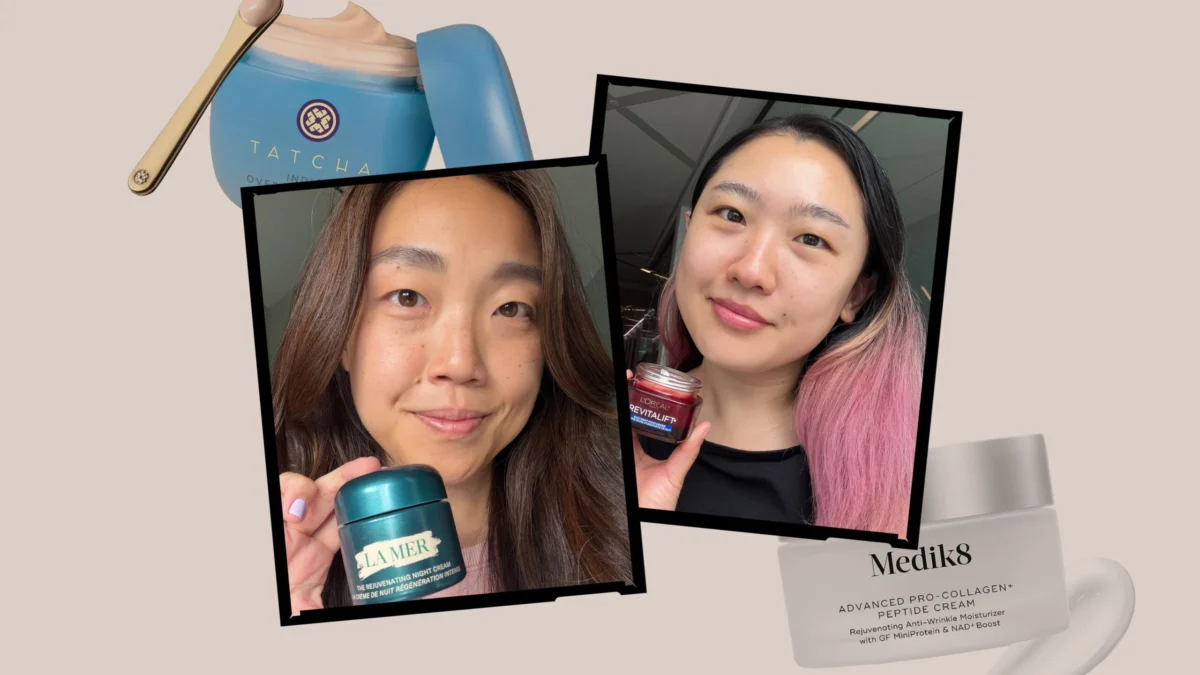
For example, skin with higher melanin content may have different TEWL patterns and sensitivity thresholds compared to lighter skin. Similarly, skin over the age of 50 requires different hydration levels than skin in its 20s. By involving a diverse team of editors, dermatologists, and testers, brands can ensure that their products are truly effective for a global consumer base. This shift toward inclusivity is not merely a social mandate but a scientific necessity; a product cannot be deemed broadly effective if its performance is limited to a single demographic.
Analysis: Do You Actually Need Both?
The debate over whether a consumer truly requires separate day and night creams often results in a nuanced conclusion. For those with normal or resilient skin, a high-quality, non-comedogenic moisturizer can often serve both purposes. However, the distinction becomes relevant when specific ingredients are involved.
If a day cream contains SPF, it should be reserved for the morning; applying sunscreen at night is unnecessary and potentially counterproductive, as the filters can be heavy and unnecessary for overnight recovery. Conversely, if a product contains high-strength retinoids or exfoliating acids like glycolic acid, it must be restricted to nighttime use to avoid photosensitivity and potential damage from UV rays.
The distinction is ultimately one of utility. If a consumer prefers a lightweight, serum-like texture for the morning to ensure a smooth application of makeup, and a rich, balm-like texture at night to provide a sense of comfort and deep hydration, then the two-product approach is justified. If, however, a consumer finds a single product that provides adequate hydration without causing irritation or interfering with makeup, there is no scientific mandate to force a separation.
Broader Implications for Consumer Health
As the beauty industry continues to grow, the pressure to maintain complex routines can lead to "skincare fatigue." The importance of these products should not be overstated; while they are vital for maintaining the barrier, they are only one component of overall skin health, which is also influenced by diet, hydration, sleep quality, and genetic factors.
The ongoing focus on ingredient transparency—encouraged by dermatologists and consumer advocacy groups—has empowered individuals to make informed decisions based on their specific concerns rather than marketing hype. The transition toward understanding why a product works, rather than just when it should be used, represents a more mature approach to skincare.
Moving forward, the industry is expected to see a rise in "intelligent" formulations—creams that adapt to environmental signals or that use advanced delivery systems to release active ingredients at specific times during the sleep cycle. Until such technologies become mainstream, the best approach for the average consumer remains simple: prioritize hydration, support the moisture barrier with ceramides and humectants, and choose products that suit the unique sensory preferences and environmental demands of the user’s daily life. Consistency remains the most significant predictor of success, far outweighing the importance of adhering to arbitrary product labels.