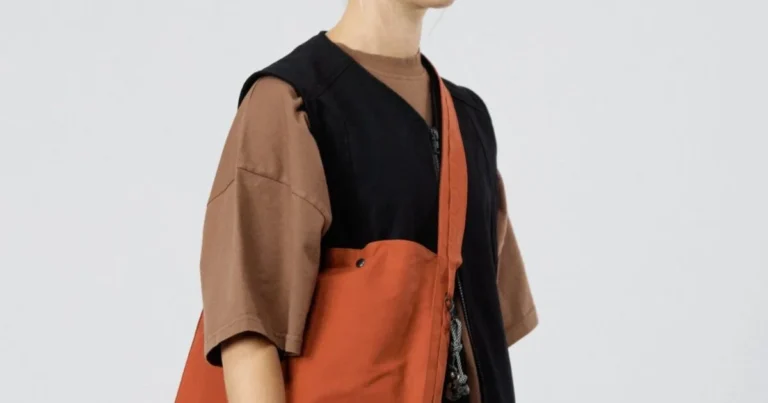











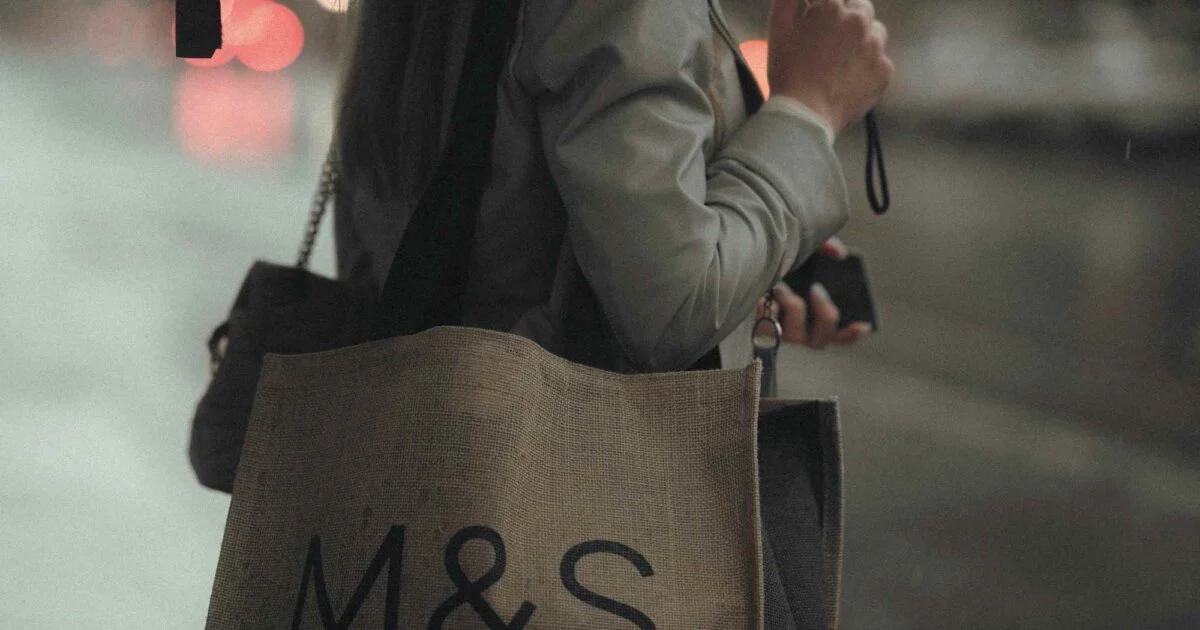
Marks & Spencer made its inaugural appearance at London Fashion Week, introducing a "see now, buy now" runway format that brings immediate commercial availability to the catwalk. Founded in 1884, the British heritage retailer has long stood as an economic barometer and a household name across the United Kingdom, recognized for its comprehensive offerings in food, fashion, and homewares. However, as the retail giant expands its presence into high-fashion spheres, its operational footprint faces heightened scrutiny. Evaluating the company through ethical transparency indexes reveals a middling "It’s a Start" score from Good On You, a rating that underscores the tension between corporate sustainability pledges and the structural realities of mass-market retail.
Background and Evolution of the Retail Giant
The trajectory of Marks & Spencer mirrors the broader evolution of British commerce over the past century and a half. Originally established as a penny bazaar in Leeds, the enterprise transformed into a high street fixture renowned for quality and reliability. Its cultural footprint is deeply embedded in British society, symbolized historically by strict supplier standards and trusted private-label goods.
In recent decades, however, the economic pressures of global retail competition have reshaped the company’s business model. To maintain market share against aggressive low-cost competitors and ultra-fast-fashion online entities, Marks & Spencer has increased its reliance on mass production. The logistical framework required to stock sprawling brick-and-mortar locations with continuous inventory cycles raises complex questions regarding resource allocation, waste generation, and labor practices. While the brand promotes rigorous internal assessments, external evaluators continually probe the systemic impacts of manufacturing clothes on an industrial scale.
Environmental Impact and Fast-Fashion Shifts
The environmental evaluation of Marks & Spencer yields a middling "It’s a Start" classification, reflecting a mixture of proactive material substitution and the inherent unsustainability of high-volume production. On one hand, the brand has made demonstrable progress in material sourcing. Corporate disclosures indicate that the company is on schedule to completely phase out virgin polyester in favor of recycled alternatives.
Despite these measures, environmental analysts note persistent systemic challenges. Polyester remains a synthetic, fossil-fuel-derived fiber that sheds microplastics during every domestic wash cycle. Given that polyester constitutes the brand’s second most heavily utilized material, reliance on the fabric continues to contribute to global microplastic pollution. Furthermore, greenhouse gas reduction targets have been established within direct operations and the broader supply chain under science-based frameworks, aligning with international climate trajectories.
Yet, waste management remains a contentious area. Investigative reports from organizations such as Changing Markets and Greenpeace have previously identified UK garment waste, including items linked to prominent high street retailers, in textile dumping grounds across the Global South, such as Kenya and Ghana. While Marks & Spencer maintains that it does not export excess inventory for disposal, the sheer volume of apparel circulating in the global economy contributes to a pervasive take-make-waste cycle.
To combat this, the retailer has instituted various circular economy initiatives, including clothing take-back partnerships with Oxfam, dedicated repair services, and a one-year product guarantee on children’s apparel. Nevertheless, these interventions operate alongside newly accelerated production models. The introduction of programs like "Love That Drop"—monthly trend-led capsule collections designed to move from concept to consumer within a two-week window—draws direct parallels to the operating cadence of fast-fashion enterprises. This acceleration was further emphasized by the brand’s September London Fashion Week debut, which utilized a consumer-facing catwalk model to bypass the traditional six-month industry lead time.
Labor Rights and Supply Chain Transparency
Labor standards across the global garment industry remain a critical metric for ethical evaluation, and Marks & Spencer’s performance in this domain occupies a similar middle ground. The company demonstrates notable transparency compared to many industry peers. More than half of its final-stage production facilities hold certifications from the Sedex Members Ethical Trade Audit (SMETA) Best Practice Guidance, and the organization publicly discloses its tier-one fashion suppliers through the Open Supply Hub.
During periods of global disruption, such as the COVID-19 pandemic, supply chain protocols were adjusted to safeguard vulnerable workers, a stability facilitated by long-term relationships with key manufacturing partners. Additional corporate programs target the economic empowerment of women and girls within regional production hubs.
Despite these achievements, a notable gap remains regarding compensation. Independent analysts point to a lack of verifiable evidence confirming that workers throughout the entire supply chain receive a living wage. Furthermore, the company has not formally adopted an internationally recognized benchmark for a living wage across all manufacturing tiers. Given the vast scale of the retailer’s clothing production, the absence of guaranteed living wages for all garment workers highlights a persistent vulnerability in global fashion supply chains.
Animal Welfare Policies
In the realm of animal welfare, Marks & Spencer maintains formal policies aligned with the Five Domains of Animal Welfare. The brand has instituted sourcing guidelines that mandate non-mulesed wool and utilize finishing tanneries certified by the Leather Working Group (LWG) for its leather goods. Future corporate targets include sourcing all animal fibers, including wool, from preferred certified standards such as the Responsible Wool Standard (RWS) by 2030.
However, the continued commercial reliance on animal-derived materials—including leather, shearling, wool, down, and alpaca—remains a point of critique. Ethical fashion advocates argue that regardless of certification standards, the extraction of animal products inherently carries risks of animal suffering. Industry observers suggest that major retailers should leverage their financial capacity to accelerate the development, testing, and commercialization of next-generation, non-animal, and non-plastic alternatives.
Pathways to Improved Sustainability
For Marks & Spencer to elevate its standing from a middling rating to top-tier ethical recognition, structural shifts in its business model are deemed necessary by sustainability watchdogs. Key recommendations include:
- Scaling down overall production volumes to mitigate overconsumption.
- Expanding supply chain traceability beyond tier-one facilities to encompass raw material producers and cotton growers.
- Committing to verifiable living wage benchmarks for all workers involved in manufacturing.
- Reducing dependency on both virgin synthetic fibers and intensive animal-derived materials in favor of circular, regenerative alternatives.
Ethical and Sustainable Alternatives
Consumers seeking brands with higher ratings across environmental, labor, and animal welfare metrics can look to several alternative labels operating within comparable apparel and lifestyle categories:
Toad&Co
A United States-based brand offering socially and environmentally responsible menswear and womenswear designed for outdoor and casual wear, primarily available in extended sizing ranges.
Harvest & Mill
Specializing in domestic production, this US brand grows, mills, and manufactures basics exclusively using American organic cotton. Its unbleached and undyed product lines significantly reduce water and chemical inputs while supporting agricultural biodiversity.
Colorful Standard
Operating out of Denmark, this producer of organic cotton essentials rejects seasonal micro-trends in favor of timeless, durable apparel designed to counter fast-fashion overconsumption.
Sheep Inc
A specialized knitwear brand focused on carbon-negative merino wool production, prioritizing strict animal welfare, traceability, and environmental regeneration.
SeamsFriendly
Offering customizable clothing for women, men, and children, this label produces items on demand to exact physical measurements, minimizing excess inventory and textile waste while utilizing natural fabrics.
Printfresh
A woman-owned sleepwear and apparel company rooted in ethical manufacturing principles, providing botanical and animal-inspired designs in an extensive size range.
Oobi
An Australian children’s wear and lifestyle brand that utilizes low-impact, non-toxic dyes, avoids animal products entirely, and employs sea freight logistics to lower its carbon footprint.
Disruptor London
A PETA-approved vegan beauty and personal care brand focused on ingredient transparency, waterless formulations, plastic-free packaging, and responsible manufacturing practices.
The ongoing evaluation of Marks & Spencer highlights the complex balancing act required of legacy retailers attempting to modernize within a fast-paced market while addressing mounting ecological and social demands. As consumer expectations shift toward radical transparency, the pressure on high street institutions to reconcile high-volume commerce with genuine sustainability will only intensify.