









In a celebration that underscored the growing trend of localized, "at-home" nuptials, Louisa and Josh exchanged vows in the picturesque village of North Wootton, Somerset, this past May. The wedding, which transitioned from a traditional church ceremony at the historic St. Peter’s to a highly personalized garden reception on the groom’s family farm, served as a case study in the logistical and aesthetic benefits of community-focused event planning.
The Venue and Historical Significance
The choice of venue was rooted in both geography and heritage. The ceremony took place at St. Peter’s, a site of significant emotional weight for the groom’s family, who have held baptisms, weddings, and funerals within its walls for generations. Of particular note was the use of the original "banns book," a historical ledger dating back to 1824. By participating in this tradition, the couple joined a lineage that includes the groom’s own grandparents, who were married in the same church in 1959.
Following the religious service, the wedding party and guests relocated to the family farm. The reception was hosted under a custom-built Cruck Tent, an architectural choice that offered both rustic charm and the structural flexibility required for the couple’s elaborate floral displays. The farm itself holds personal significance, as the couple has spent the past several years developing the property, including the garden space that served as the primary reception area. The location provided a direct view of Glastonbury Tor, the site of the couple’s engagement in April 2023, effectively tying the narrative of their courtship to the celebration of their marriage.
A Chronology of the Day
The day followed a carefully structured timeline designed to prioritize guest interaction. After the mid-day ceremony, the couple opted for an extended cocktail hour, a strategic decision based on their observations of previous weddings. By allocating more time for mingling, the couple ensured that guests could experience the garden setting, enjoy sparkling wine and canapés, and utilize the onsite mini-golf course before the formal dinner service.
The dinner was catered by The French Kitchen, based in West Horrington. The menu was designed to highlight regional culinary talent, culminating in a tiered "cake of cheese." This centerpiece featured a curated selection of Somerset-produced dairy, including Godminster cheddar from Bruton, White Lake Driftwood goat’s cheese from Shepton Mallet, and Wookey Cave Aged Cheddar.
The evening concluded with a dance floor anchored by a large disco ball, a design element borrowed from the Cruck Tent’s owners. The first dance, set to The Stone Roses’ "Sally Cinnamon," was chosen after the couple surveyed guests via their RSVP process, ensuring that the musical selection resonated with the attendees.
Aesthetic Design and Local Procurement
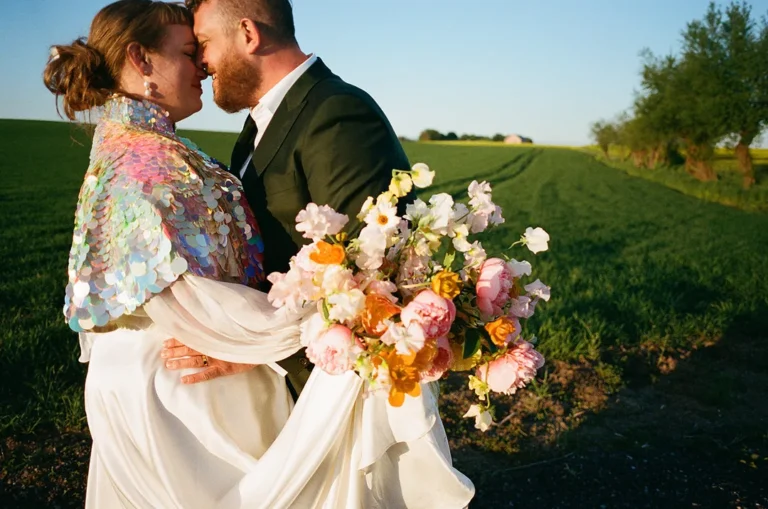
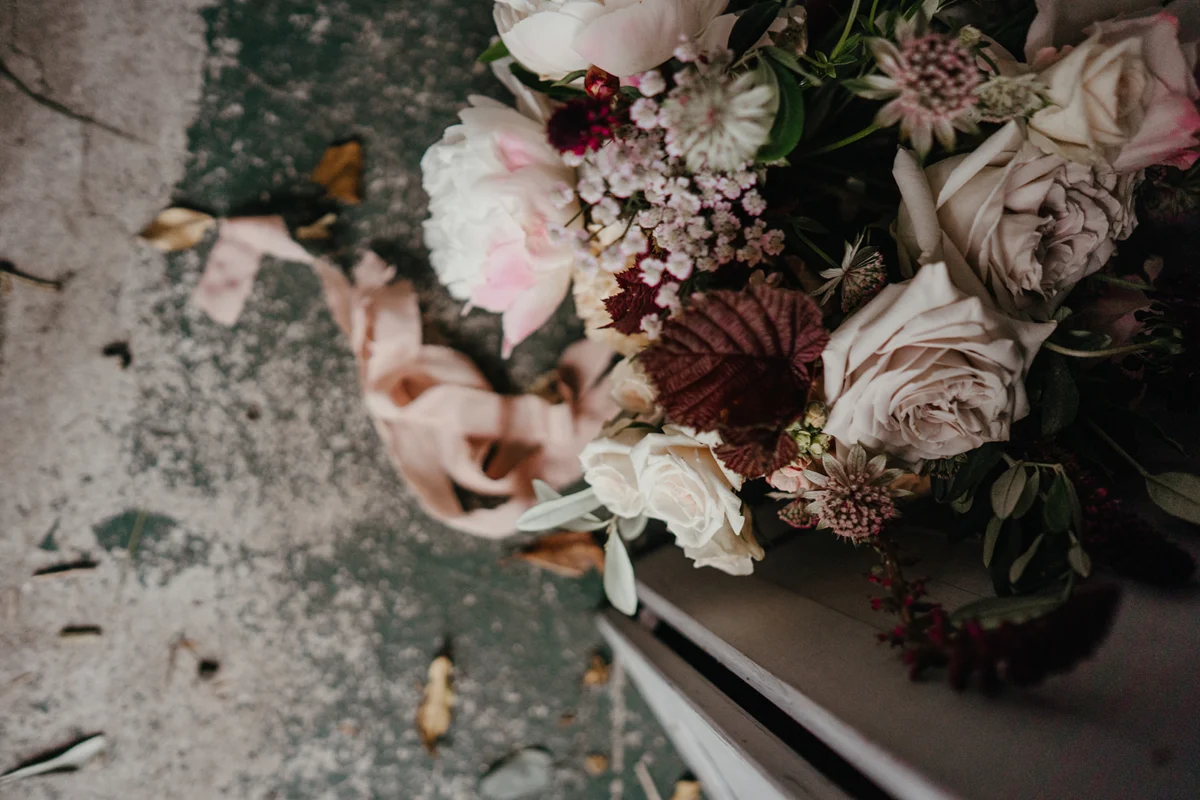
The event’s visual identity was defined by a commitment to seasonal, locally sourced materials. The floral arrangements, managed by Megan Lily Floral Design, utilized a pastel color palette intended to reflect the English countryside in late May. A focal point of the decor was a large floral chandelier suspended from the wooden beams of the tent, positioned directly over a circular bar. This installation served as a testament to the versatility of the Cruck Tent’s structure and the technical skill of the floral design team.
The bridal party’s attire further reinforced the spring theme. The bride wore a custom halterneck gown from the Sassi Holford boutique in Taunton. Known for its structured bow detail and flowing train, the dress was styled without a veil, allowing for a clearer appreciation of the garment’s architectural lines. The bridesmaids wore pastel blue ensembles from Maids to Measure, consistent with the couple’s desire to maintain a soft, cohesive color palette throughout the event.
Economic and Logistical Implications
The wedding highlights a broader trend in the UK wedding industry: the "hyper-local" movement. By sourcing goods and services from within the Somerset region—including printing for stationery at St. Andrew’s Press in Wells and dairy from local producers—the couple reduced their carbon footprint while supporting the regional economy.
Industry data suggests that at-home weddings have seen an uptick in popularity due to the desire for autonomy in scheduling and the ability to customize spaces to fit the couple’s specific needs. However, these events require a high level of logistical coordination. In this instance, the couple acted as their own project managers, designing their own stationery via digital tools like Canva and coordinating with a network of local vendors to ensure the day ran smoothly.
The rings exchanged during the ceremony also reflected a preference for sustainable luxury. Both were pre-owned, with the bride’s 22ct yellow gold band dating back to 1864–1865, originally purchased at an antiques fair by the groom’s mother. This choice underscores a growing shift away from mass-produced jewelry in favor of items with historical provenance and lower environmental impact.
Official Statements and Reflection
Reflecting on the process, the couple emphasized that the success of the event was not merely a result of aesthetic planning but of effective time management. By allowing for a two-year engagement, the pair avoided the common pitfalls of rushed decision-making, enabling them to curate every element of the day at a sustainable pace.
"Don’t do something just because it’s an Instagram trend," the couple advised in a post-event statement. They stressed that the most impactful aspect of the day was the ability to spend quality time with their guests, rather than adhering to a rigid, trend-driven itinerary. Their advice to future couples is to prioritize the photographer’s portfolio above other investments, as the photographic record serves as the primary way to relive the experience long after the event has concluded.
Impact on the Local Wedding Sector
The collaboration between the couple and vendors like Joshua Gooding, who documented the day, and Megan Lily Floral Design, who provided the florals, serves as a model for how small-scale local businesses can benefit from professional-quality coordination at private events. The event suggests that the future of the wedding industry lies in this hybrid model: high-end professional services paired with the personal, intimate environment of a family home.
As the wedding industry continues to recover and evolve post-pandemic, the demand for venues that offer a "blank canvas" for personalization, such as the Cruck Tent used here, remains high. The success of this event in North Wootton demonstrates that when couples align their values—local procurement, historical respect, and communal focus—with their logistical planning, the result is an event that is both aesthetically significant and deeply personal.
The day concluded without significant incident, a result the couple attributed to the professional organization of their vendors and their own commitment to clear, early-stage communication. For those planning similar celebrations, the takeaway is clear: the most successful weddings are those that define themselves not by external trends, but by the specific needs and history of the individuals involved.