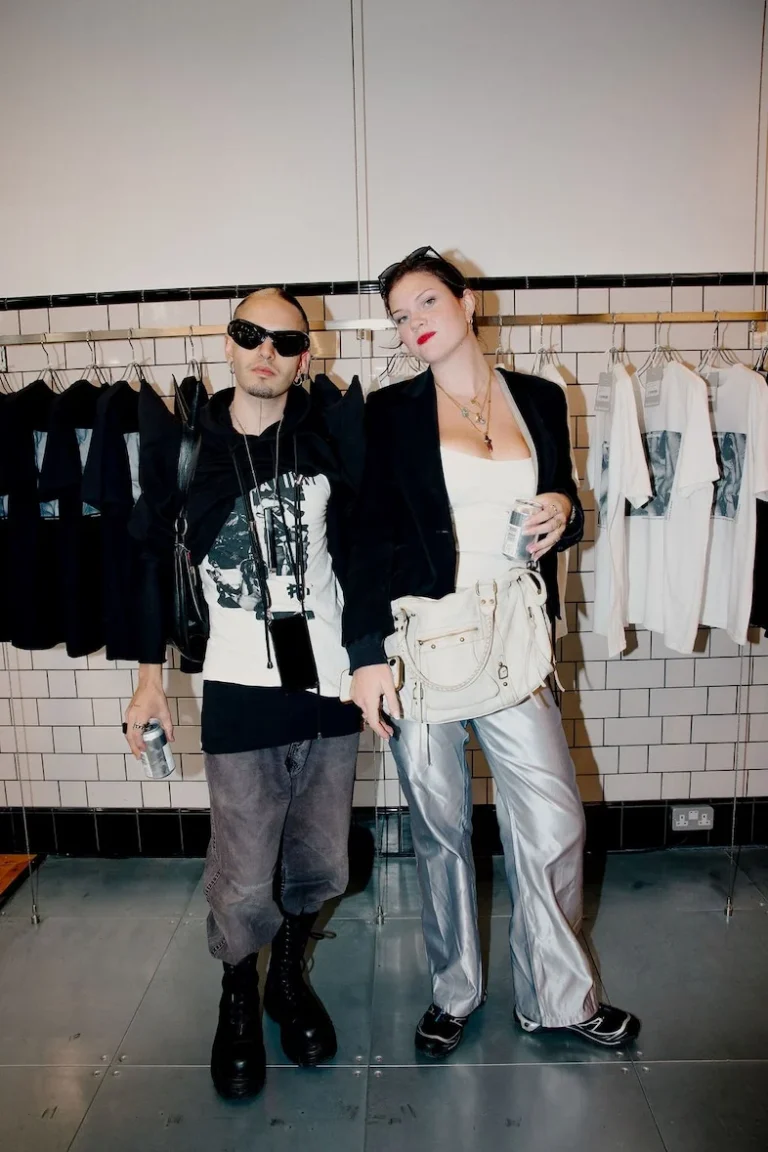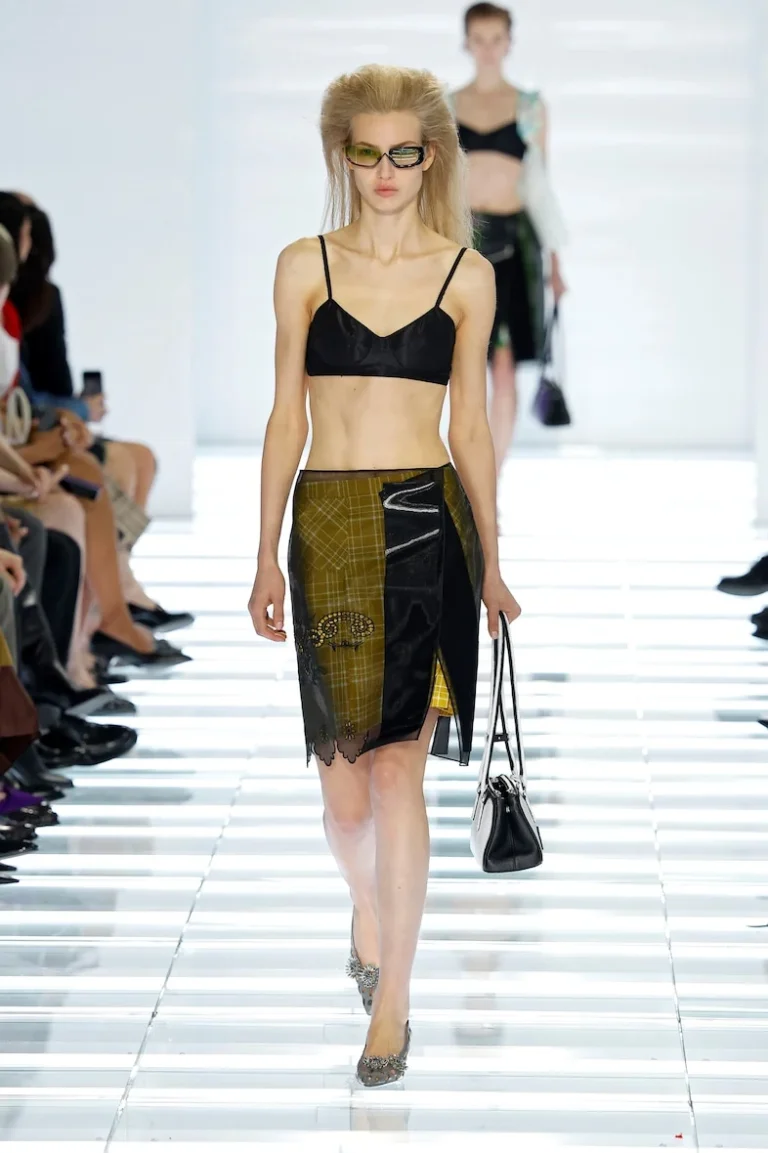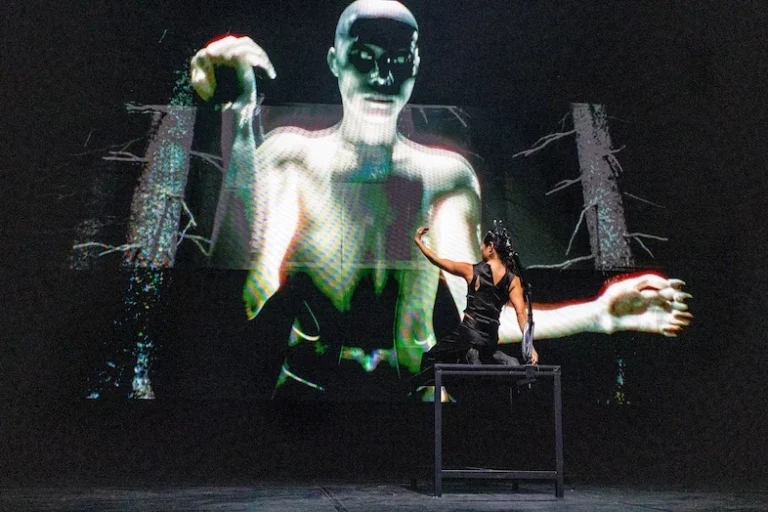







Everyone has an idea of Gucci in their heads. Following Louis Vuitton and its ubiquitous monogrammed handbags, Gucci stands as the second-most copied luxury brand globally. For a significant portion of the consumer base, the illegal counterfeit industry serves as their introduction to the Florentine fashion house, whether they recognize the merchandise as authentic or illicit. While mass-market knock-offs inherently threaten the exclusivity of luxury labels, they simultaneously generate unprecedented global reach and brand awareness. Analysts often argue that this pervasive imitation inadvertently reinforces the intrinsic and perceived value of authentic pieces. Gucci’s universal footprint allows demographics as disparate as a modern teenager and an octogenarian to instantly conjure its visual codes. Whether associated with hip-hop culture, the sensual minimalism of the Tom Ford era, modern pop icons like Harry Styles, or its equestrian heritage, Gucci has cultivated a multifaceted identity where a version of the brand exists for every consumer demographic.
On September 25, during Milan Fashion Week, creative director Demna embraced these contradictions head-on with his Spring/Summer 2027 collection. The runway presentation served as a comprehensive homage to the diverse archetypes that have shaped the label’s century-long legacy, bridging the gap between tracksuit-clad trap artists and sophisticated Italian matriarchs. Explaining the conceptual foundation of the collection, the Georgian designer noted that the brand moves fluidly between aristocracy and pop culture, Florence and Hollywood, high taste and low taste, heritage and mass desire, as well as belonging and rebellion. This exhibition marked Demna’s third runway presentation for the house, yet industry insiders widely regarded it as his most definitive articulation of a personal vision for the brand since assuming the creative helm.
Front Row Stardom and Celebrity Presence
The front row at Milan Fashion Week frequently generates as much cultural commentary as the garments walking the runway, and Gucci’s SS27 presentation was no exception. Donatella Versace cemented her status as a vocal supporter of Demna’s creative direction, making her second consecutive appearance at his shows following her attendance at the Autumn/Winter 2026 debut in February. She was joined in the front row by fashion luminaries including Mariacarla Boscono and Bianca Jagger.
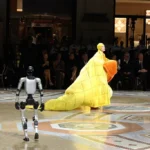
The arrival zone outside the venue played host to a procession of global cultural figures. Cardi B commanded attention upon arrival, wearing an oversized white faux-fur puffball coat while posing for an array of international photographers. Other notable attendees included Homer Gere—fresh from his work on the set of the adaptation of Bret Easton Ellis’s novel The Shards—alongside actor Edward Norton, musician Romeo Beckham, producer and artist Arca, and actress Camila Morrone. The convergence of Hollywood actors, music industry icons, and legendary designers underscored Gucci’s unique position at the intersection of cinema, music, and luxury fashion.
The Set Design and Immersive Retail Experience
Demna transformed the Milanese presentation space into an expansive, fully realized Gucci flagship store. The immersive installation featured functioning merchandising displays, dedicated try-on areas, and security guards stationed at the doors who doubled as the gatekeepers for the runway show. The presentation officially commenced when a uniformed security guard swung open the boutique’s glass doors to admit the initial wave of models, who stepped onto the floor mimicking everyday consumers navigating a retail environment.
The backdrop of the set featured a hyper-realistic simulation of a bustling Milanese streetscape visible through faux display windows. Models occasionally darted back and forth across this background vista, emulating urban pedestrians moving purposefully through the city. Complementing the retail environment, the auditory landscape consisted entirely of instrumental elevator music tailored specifically for the house, reinforcing the satirical yet affectionate commentary on consumerism and retail architecture that has become a hallmark of Demna’s design vocabulary.
A Chronological Analysis of the Menswear Collection
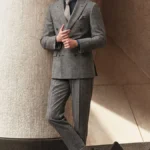
The runway presentation followed a distinct chronological separation between menswear and womenswear, eschewing the mixed-gender pacing common among contemporary luxury houses. The menswear segment opened with a sequence of sharp, monochromatic tailoring that directly referenced the sleek, provocative minimalism introduced by Tom Ford during his tenure in the 1990s. These tailored ensembles were styled with dark, rectangular sunglasses that echoed the defining silhouettes of that era.
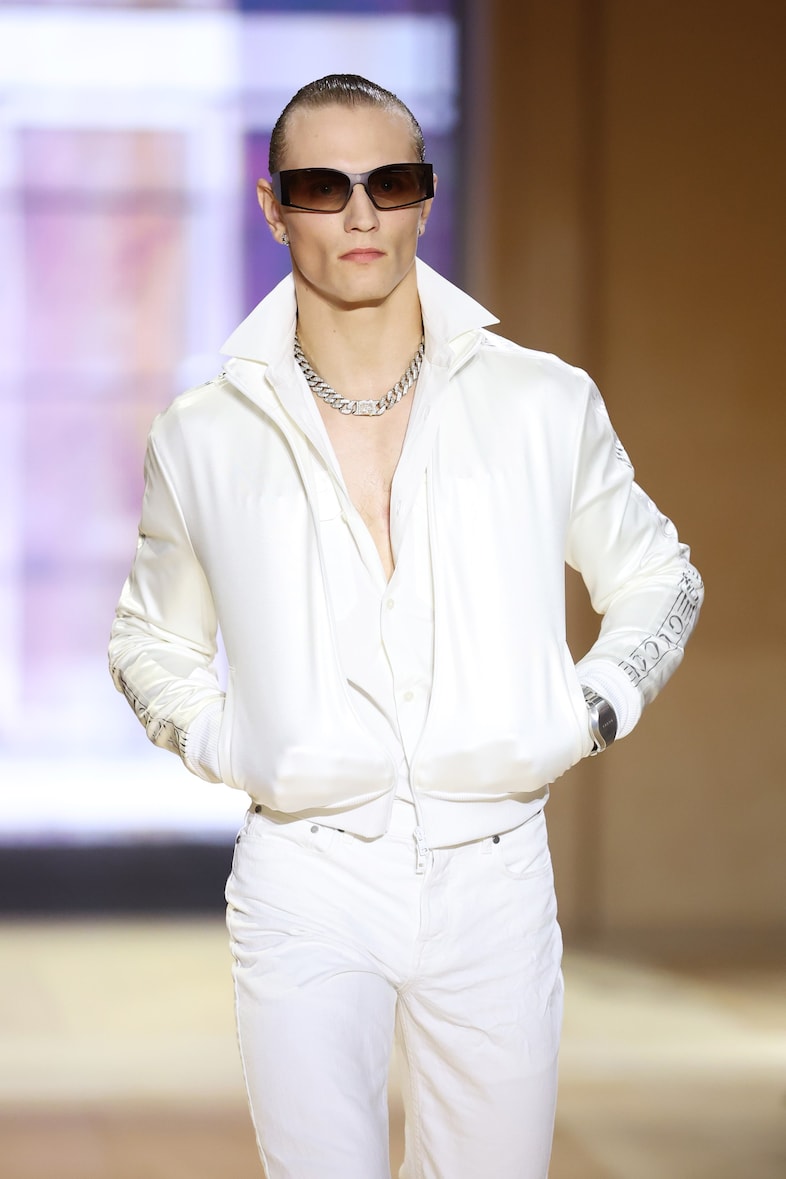
As the presentation progressed, silhouettes evolved to feature widened shoulders and elevated waistlines, transporting the audience into the vibrant, excess-driven aesthetic of the 1980s—an era reflected in period pieces like The Shards. Midway through the menswear presentation, two standout looks captured the juxtaposition of luxury and subculture: a pristine white silk bomber jacket followed by its counterpart in heavy black leather. Both models wore oversized eyewear, with one accessorized by a chunky silver chain reminiscent of the early-2000s street grifter aesthetic.
The menswear evolution concluded with contemporary streetwear styling favored by modern underground musicians, such as previous Gucci collaborators fakemink and Nettspend. These looks featured slouchy silhouettes, undone tailoring, and garments worn intentionally low, accented with emotive eye makeup and backwards-facing baseball caps.
The Evolution of Womenswear: From Equestrian Roots to Club Culture
The womenswear portion of the presentation traced the chronological evolution of the brand from its historical inception. Founded in Florence in 1921, Gucci originally operated as an artisanal leather goods and luggage workshop catering to the equestrian community by manufacturing horse harnesses and riding gear. Accordingly, Demna opened the womenswear sequence with a high-fashion interpretation of classic equestrian attire.
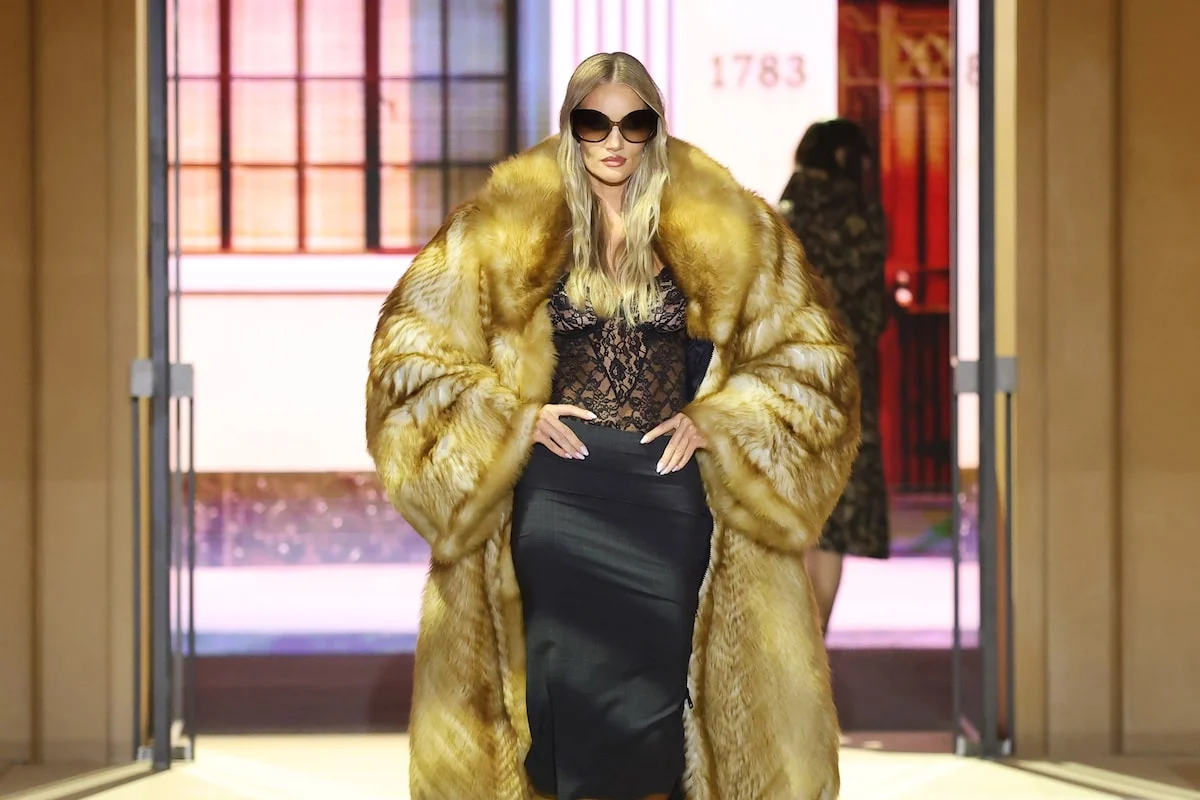
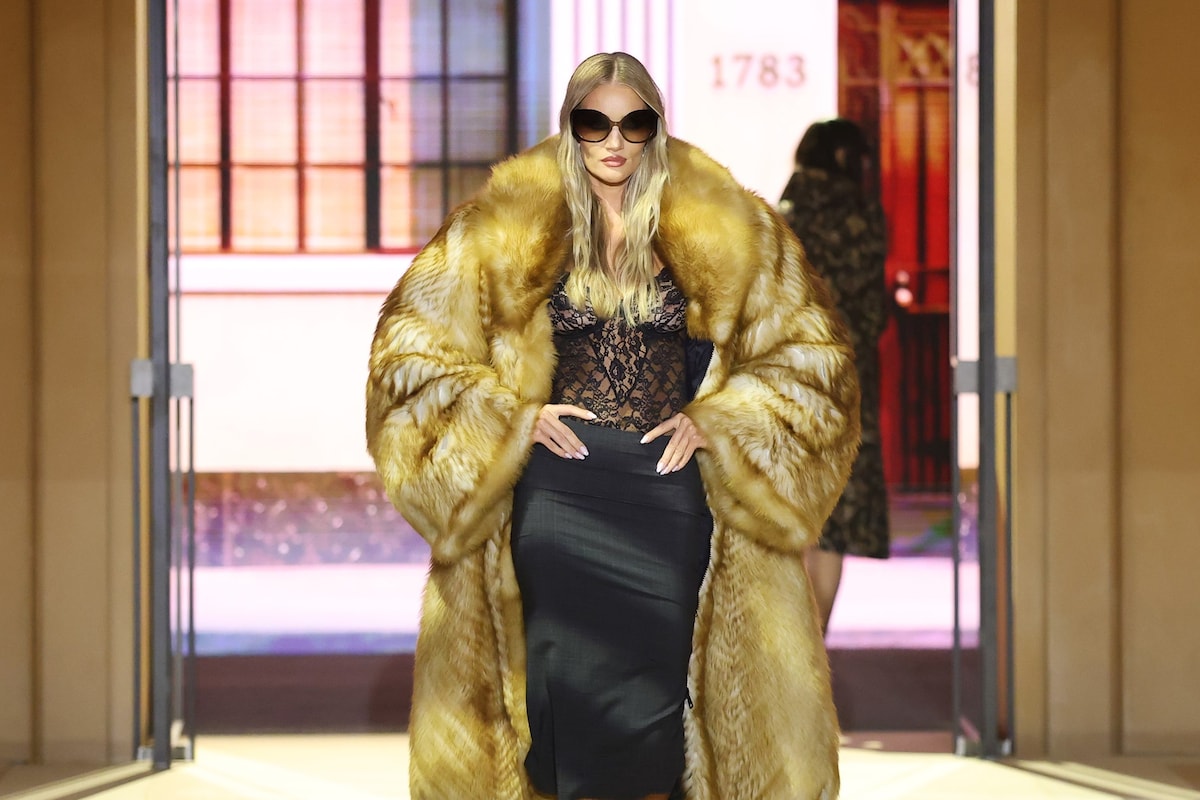
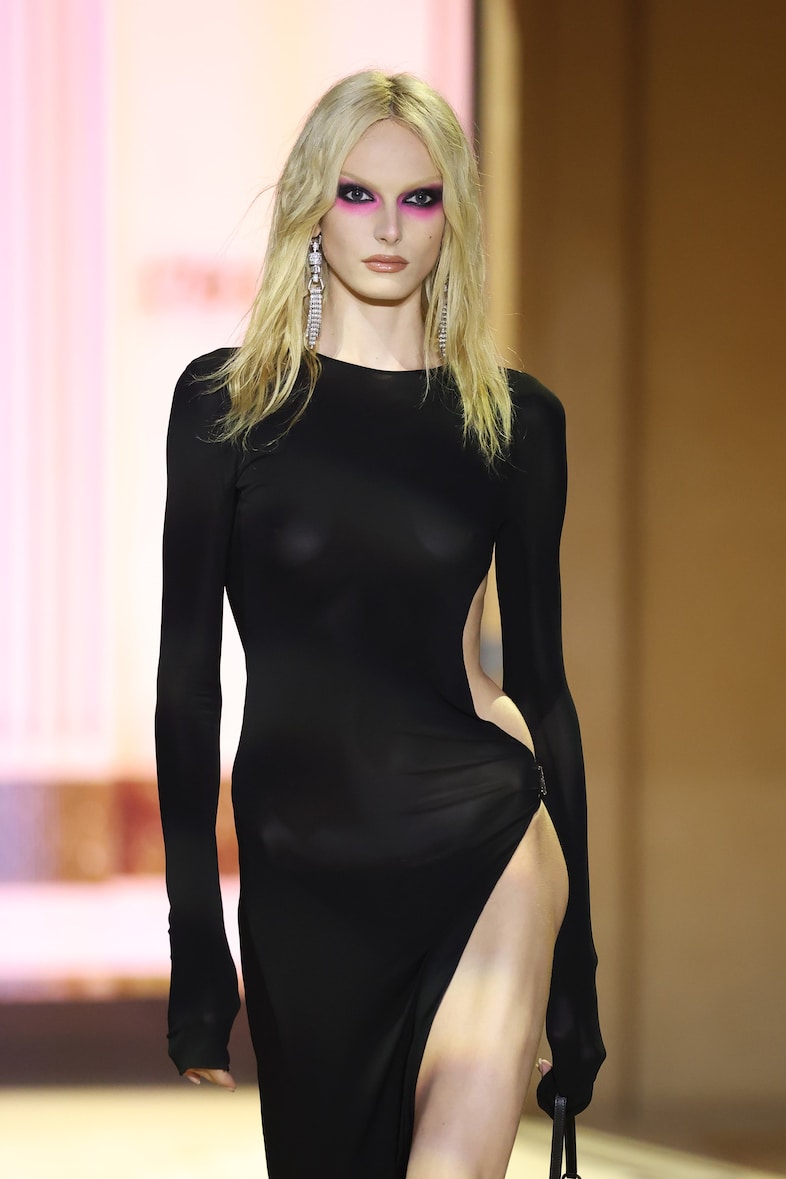
This aristocratic opening quickly gave way to a succession of looks worn by older female models embodying the archetypal affluent Italian matriarch, an aesthetic observed appreciatively by Bianca Jagger from the front row. The collection steadily accelerated toward contemporary nightlife glamour as the runway progressed. Alex Consani appeared in a sheer black dress that served as a direct modern reinterpretation of Tom Ford’s iconic white cut-out gowns from Autumn/Winter 1996. The finale featured supermodels Rosie Huntington-Whiteley, Anok Yai, and Candice Swanepoel, all styled in exaggerated silhouettes that leaned heavily into a high-octane, club-ready aesthetic.
Historical Context of Gucci and Counterfeit Market Dynamics
To understand the weight of Demna’s SS27 collection, it is necessary to examine the historical trajectory of Gucci and its complex relationship with consumer perception. Established by Guccio Gucci in 1921, the company expanded from a local Florentine leather goods shop into a global luxury conglomerate. Throughout the latter half of the 20th century, the brand experienced periods of immense commercial success interspersed with brand dilution due to over-licensing in the 1970s and 1980s.
The arrival of Tom Ford as creative director in 1994 revitalized the house by injecting unbridled sex appeal, sleek tailoring, and modern marketing strategies that transformed Gucci into a cultural juggernaut. Subsequent creative leadership under Frida Giannini and later Alessandro Michele leaned heavily into maximalism, eclecticism, and vintage-inspired theatricality, further cementing the label’s ubiquitous status in popular culture.
The pervasive presence of counterfeit merchandise, while legally and economically challenging for the luxury sector, has historically played a paradoxical role in cementing brand visibility. Industry estimates indicate that the global market for counterfeit luxury goods accounts for hundreds of billions of dollars annually, with monogrammed items from brands like Louis Vuitton and Gucci remaining the most frequently replicated products. While intellectual property theft undermines corporate revenue and compromises artisan labor standards, sociological and economic analyses suggest that widespread imitation functions as a form of grassroots marketing. By making the visual lexicon of a luxury brand universally recognizable across diverse socioeconomic strata, the counterfeit market inadvertently maintains top-of-mind awareness that drives aspirational purchases of authentic goods.
Implications of Demna’s Creative Direction
Demna’s appointment at Gucci represents a calculated pivot toward cultural commentary and self-referential design. By deliberately spotlighting the tensions between high culture and low culture, authenticity and replication, and historical heritage and modern street subcultures, the creative director has positioned Gucci as a living archive of contemporary fashion semiotics.
The SS27 collection demonstrates a maturing vision for the brand under Demna’s leadership. By grounding the presentation in a simulated retail space and methodically reviewing the stylistic eras that defined the house over the past century, the collection successfully bridged the gap between archival reverence and forward-looking provocation. As Gucci continues to navigate the shifting landscapes of global luxury consumption, the Spring/Summer 2027 presentation indicates that embracing, rather than shunning, the complex and contradictory stereotypes associated with the brand may be its most potent strategy for sustained relevance.