





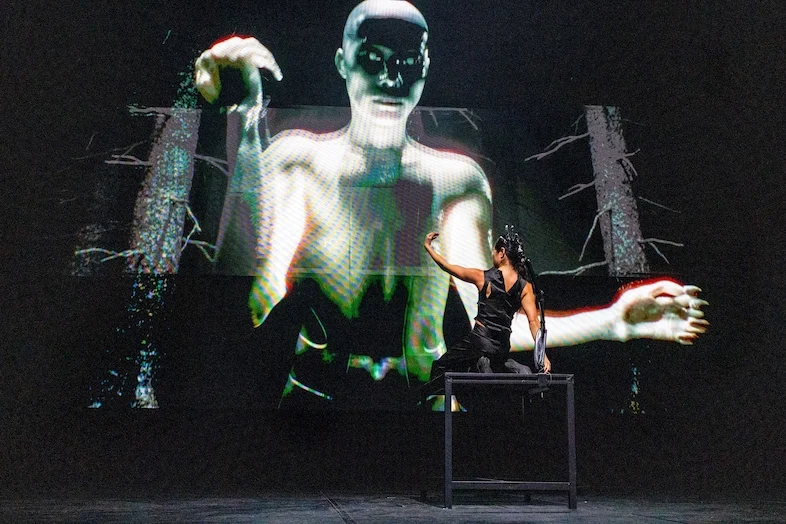
The intersection of contemporary art, advanced engineering, and commercial enterprise took center stage in the British capital as the Southbank Centre launched its inaugural Creative Intelligence festival. Running from September 11 to 13, the three-day multi-disciplinary summit convened international artists, technologists, venture builders, and cultural theorists to examine the rapidly accelerating evolution of digital creativity. Designed to address a cultural landscape transformed by artificial intelligence, quantum computing, and shifting economic models, the festival offered a rigorous examination of how creators can navigate, shape, and monetize emerging technologies rather than passively submit to them.
Background Context and Event Genesis
The conceptual roots of the Creative Intelligence festival trace back to a long history of institutional experimentation at the Southbank Centre, which famously hosted landmark performances of electronic and computer music as early as 1968. Nearly six decades later, the institution sought to reestablish its role as a vital incubator for bleeding-edge creative practices. Curated in partnership with the strategic consultancy PACT, the 2026 event was structured to bridge the widening gap between traditional artistic disciplines and the fast-paced ecosystems of Silicon Valley and European tech incubators.
The festival’s overarching mission statement drew heavily from the network of "cultural first movers" supported by organizations such as Restless Egg, a London-based incubator known for merging venture capital mechanics with cultural production. By inviting figures from diverse technological frontiers—ranging from quantum physicists and anti-surveillance designers to the architects of competitive robotic combat leagues—the Southbank Centre framed modern artistry not merely as the execution of static works, but as the active design of protocols, frameworks, and digital infrastructures.
Chronology and Key Programming Highlights
The three-day summit unfolded through a dense schedule of keynote presentations, interactive workshops, deep-listening sessions, and live technology demonstrations.
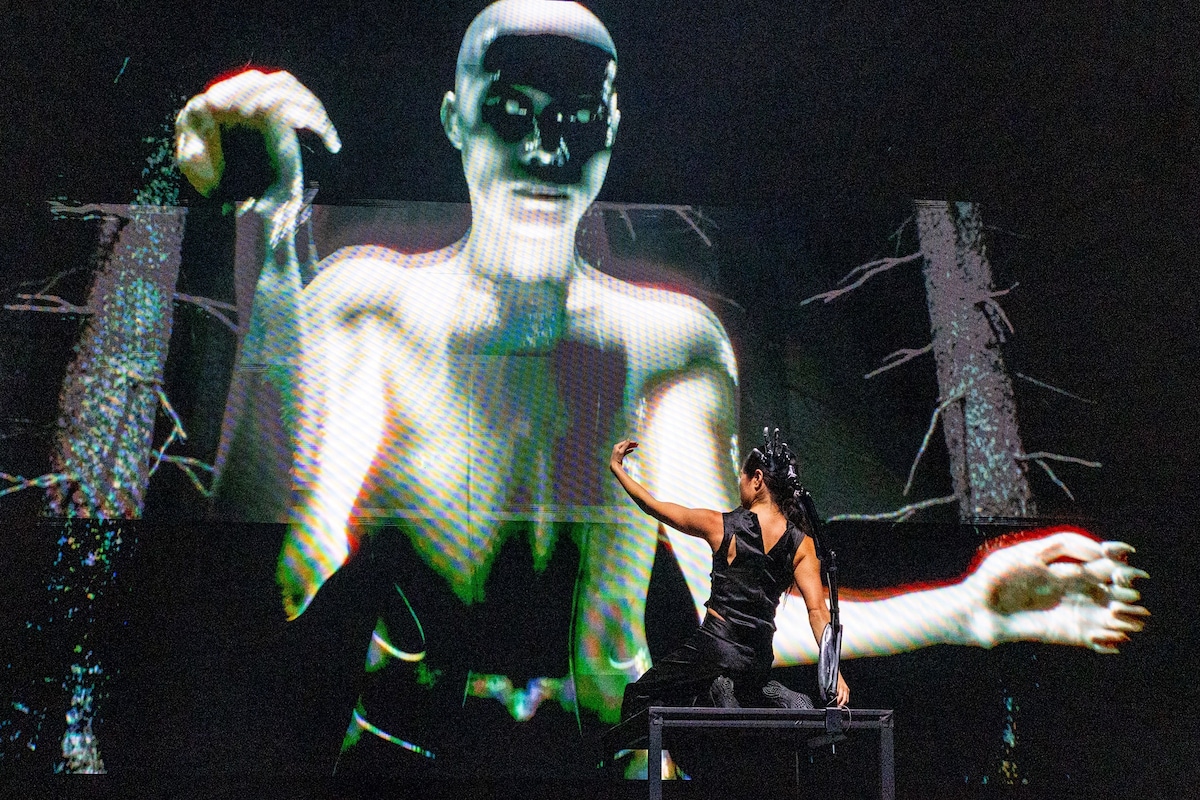
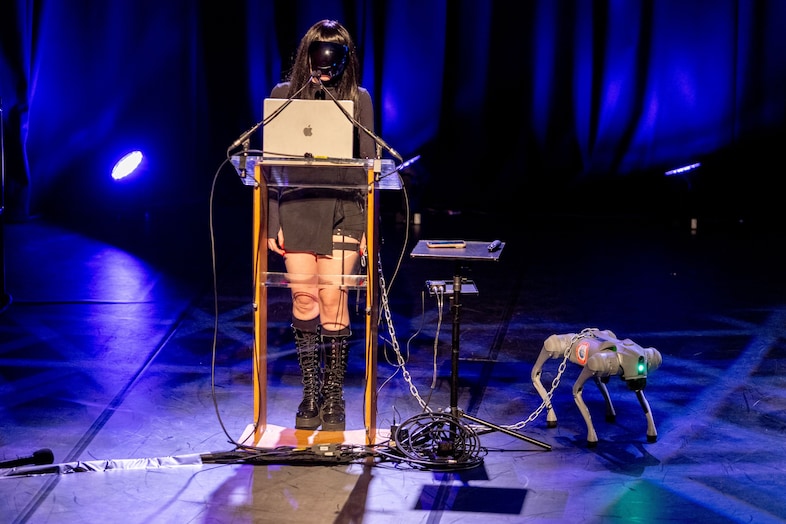
Day One opened with high-impact showcases that immediately challenged conventional expectations of gallery and stage spaces. Among the most talked-about installations was a demonstration by the team behind the world’s first competitive robot dog fighting league, featuring autonomous mechanical hounds straining against their leashes alongside cyborg-masked handlers. This visceral juxtaposition of robotics and performance art set a provocative tone for discussions surrounding autonomy, machine learning, and physical embodiment in the digital age.
The afternoon sessions pivoted toward structural critique and creative worldbuilding. Directors Jenn Nkiru and Jordan Hemingway participated in a panel hosted by artist Danielle Brathwaite-Shirley, focusing on the arduous process of sustainable community-building and the ethical complexities of corporate brand partnerships. Rather than advocating for rapid commercial scaling, the speakers emphasized slow, deliberate artistic growth and the preservation of core values in an attention economy dominated by rapid monetization.
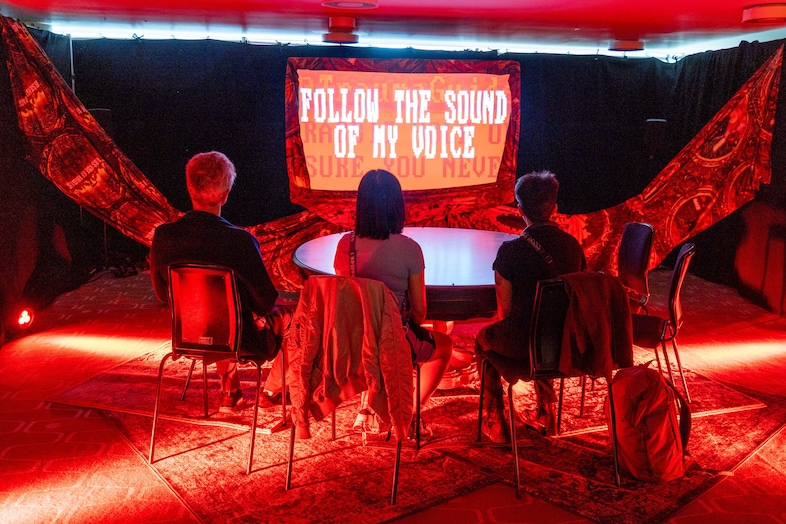
Day Two shifted focus toward technical literacy and early-stage technological adoption. Holly Herndon and Mat Dryhurst led an immersive, deep-listening session that traced their trajectory from the groundbreaking album Frontier to recent experiments in training bespoke artificial intelligence voice models with local community choirs. Parallel sessions featured Peckham Digital’s hands-on exhibits, including anti-surveillance makeup demonstrations by Lauren Bowker of The Unseen and live demonstrations of Quantum Backrooms, a video game utilizing prototype quantum computing technology developed by Moth Quantum.
The final day culminated in structural announcements for the creative sector, most notably the launch of the Creative Intelligence Award. Backed by CoSTAR National Lab, the Southbank Centre, and UKRI, the initiative established a £50,000 project development grant aimed specifically at practitioners operating at the nexus of art and technology, with applications opening in October.
The Economics of Creativity: Rejecting the Starving Artist Paradigm
A central thesis debated throughout the festival was the urgent need to dismantle the romanticized trope of the starving artist. Speakers argued that historical models of arts funding are structurally obsolete, forcing creators into precarious financial situations that ultimately stifle innovation.
Restless Egg co-founder William Morgan articulated a controversial yet pragmatic approach during his panels, advocating for the adoption of venture capital models within cultural production. Morgan framed commercialization not as a compromise of artistic integrity, but as a "force multiplier for creativity." By utilizing structured market mechanisms, artists can secure sustainable revenue streams that fund ambitious, large-scale projects without relying entirely on philanthropic grants or state subsidies.
This sentiment was reinforced during collaborative discussions featuring the Mozilla Foundation and Diana Ayton-Shenker, CEO of Leonardo/ISAST. Participants explored alternative economic architectures designed to foster cross-disciplinary research and inquiry. The dialogue underscored a shared consensus among institutional leaders: as legacy creative economies crumble, artists must actively participate in designing the financial rails of the future to ensure equitable compensation and intellectual property protection in digital spaces.
Redefining Artificial Intelligence and Slop Culture
Artificial intelligence dominated panel discussions, addressing both the anxieties surrounding generative content and the practical necessity of technological literacy. Industry analysts and cultural critics at the festival warned of the imminent risk of digital saturation—colloquially referred to as "slop"—characterized by low-effort, algorithmically generated media flooding consumer markets.
However, the prevailing directive from technologists and artists alike was a firm rejection of technological avoidance. K Allado-McDowell, in conversation with Sougwen Chung and Jazia Hammoudi, argued that derivative AI output is almost exclusively the result of users relying on default system parameters.
"Most of what is called slop is people working with the core, default setting of the system," Allado-McDowell noted.
Speakers argued that artists possess the unique lateral thinking skills required to subvert these baseline configurations. By engaging with machine learning systems early in their development cycles, creative practitioners can actively alter algorithmic inputs, thereby transforming the nature of the output. William Morgan echoed this perspective, emphasizing that human intervention remains the decisive factor in steering technological trajectories: "If you change the people, which are the input, I’m willing to bet that the output will change."
Early Adoption and the Ethics of Emerging Tech
Extending the argument for proactive engagement, Moth Quantum founder Harry Kumar advocated for the immediate integration of artists into the developmental phases of embryonic technologies such as quantum computing. In a panel alongside Morgan and Lauren Bowker, Kumar stressed the importance of public transparency. By introducing creative thinkers to complex technological systems while they are still in maturation, developers can demystify high-tech innovation and provide the public with a clearer understanding of developments occurring behind closed doors.
This philosophy aligns closely with the concept of "protocol art," a framework championed by Herndon and Dryhurst. Under this paradigm, the act of creation extends far beyond traditional instrumentation or canvas painting to encompass data curation, framework design, and infrastructural architecture. As Herndon summarized during her session, every logistical and structural decision within a digital workflow constitutes an "art-making moment."
Broader Impact and Industry Implications
The inaugural Creative Intelligence festival concluded with a clear message for the broader cultural sector: technological disruption is no longer a speculative future event, but an ongoing present reality. By bringing together disparate fields—including video game design, privacy-oriented cosmetics from Termite and The Unseen, and live performances by the London Community Laptop Orchestra—the event demonstrated that creativity remains robust, provided practitioners adapt to new tools and economic models.
Industry analysts reviewing the summit noted that the conversations at the Southbank Centre reflect a broader generational shift within the arts. As artificial intelligence, quantum systems, and decentralized economic frameworks continue to mature, the dividing line between technologist and artist is rapidly dissolving. Initiatives like the Creative Intelligence festival and its accompanying funding grants signal a concerted effort to ensure that the future of digital culture is shaped not by corporate boardrooms alone, but by the critical inquiry and imaginative friction of artists on the front lines of innovation.