







Over the past decade, the intersection of technology and the creative industries has evolved from an experimental novelty into a foundational pillar of modern design. As artificial intelligence, augmented reality, and real-time digital rendering continue to reshape traditional artistic landscapes, major commercial entities are increasingly forced to re-evaluate how they present their work to the public. Yesterday at Kensington Olympia, global fashion retailer H&M joined forces with visionary photographer Nick Knight and his renowned creative platform, SHOWstudio, to present H&M&YOU&I. This landmark event sought to answer a pressing question for the contemporary fashion sector: how can cutting-edge digital innovation and human-centric artistry converge to make runway presentations more accessible, engaging, and emotionally resonant?
The event represented more than a traditional seasonal presentation; it was the culmination of over a year of intensive research, digital development, and artistic collaboration. Designed to explore the multifaceted relationship between clothing, storytelling, and human connection, the exhibition dismantled the conventional, rigid structure of the modern runway show. By integrating interactive visual technologies with live performance art, the collaboration demonstrated how digital tools can amplify, rather than replace, the physical craft of fashion designers, models, and artists.
Genesis and Development: Merging Digital Innovation with Human Craft
The technological framework underpinning H&M&YOU&I was more than twelve months in the making. The project originated from a collaborative effort to fuse foundational fashion imagery captured by Nick Knight with intricate, expressive fashion illustrations created by artist Cliff Warner. Rather than relying on seamless, hyper-polished digital environments—an aesthetic frequently championed by major technology corporations—Knight and the SHOWstudio team made a deliberate artistic choice to preserve elements of human imperfection within the digital interface.
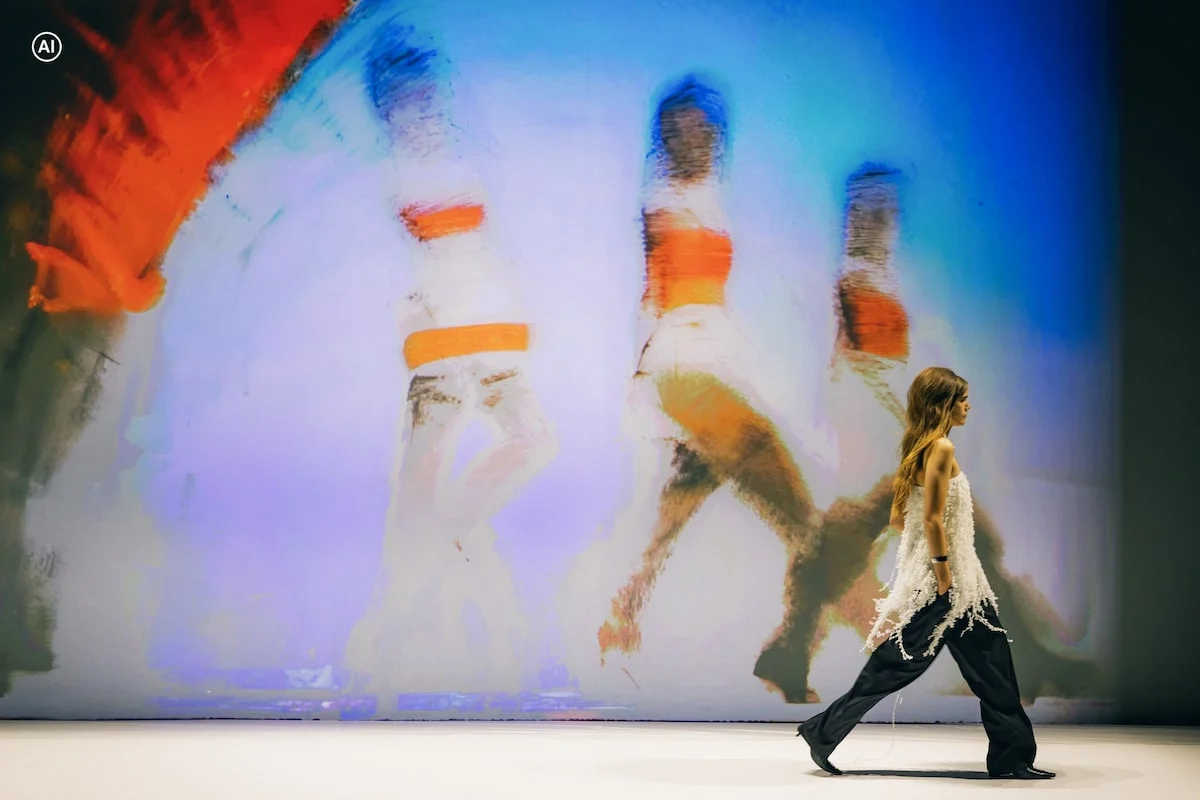
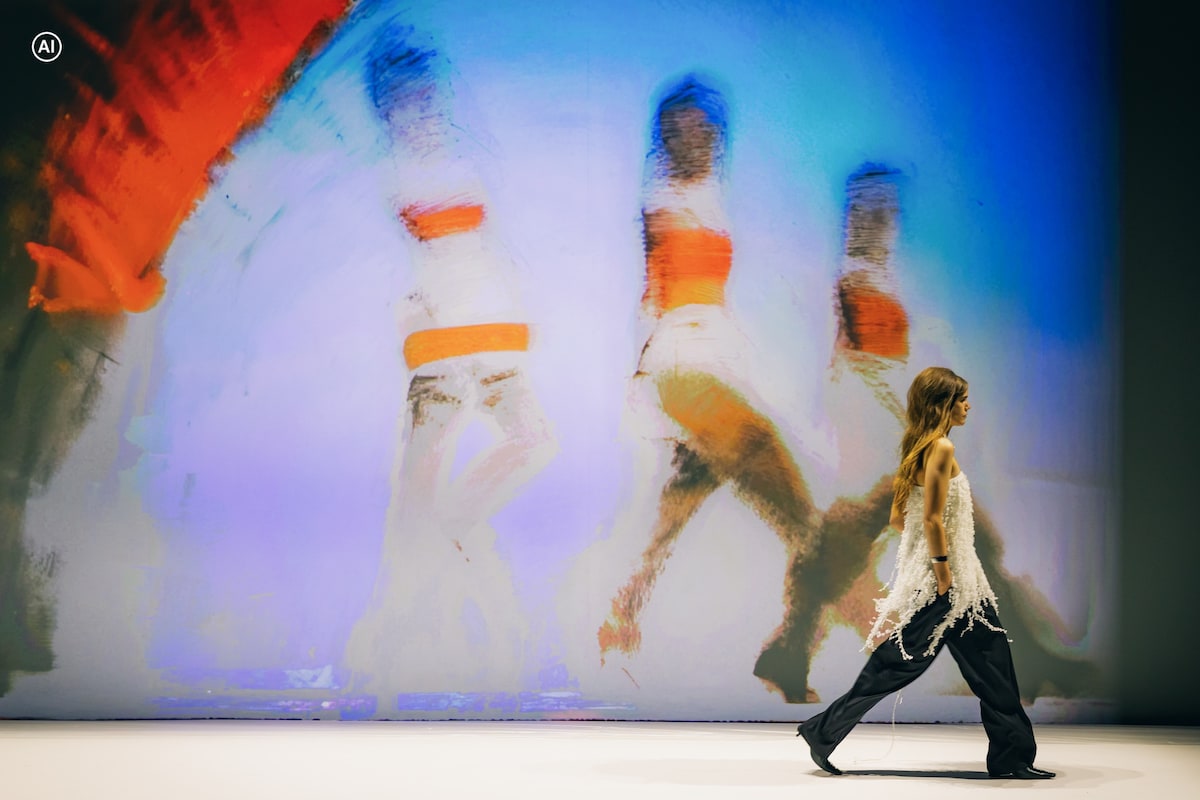
During the development process, engineers and designers programmed intentional nuances, such as slight latency and subtle visual delays, into the interactive displays. This design philosophy was rooted in Knight’s belief that technology should reflect the emotional and physical realities of humanity rather than sterile perfection. By projecting digital mirrors of the runway models that transformed into Warner’s artistic figurines, the installation created a dialogue between physical reality and digital abstraction. When models and actors such as Alex Consani and Archie Renaux traversed the runway, the interactive screens behind them responded in real-time, allowing performers to physically engage with their digital counterparts. This technical achievement underscored a central thesis of the collaboration: that innovation in fashion must prioritize emotional resonance and artistic integrity over mechanical efficiency.
Chronology of the Event: A Multi-Sensory Spectacle
The evening’s proceedings at Kensington Olympia unfolded through a carefully choreographed sequence of performances, collection reveals, and interactive demonstrations. The event commenced with an opening performance by celebrated Brazilian ballerina Ingrid Silva, whose graceful choreography immediately established a tone centered on human movement and emotional expression.
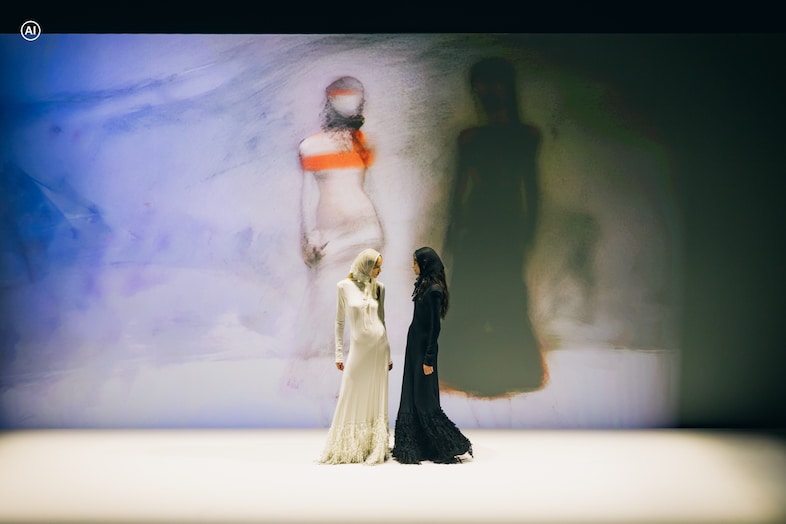
Following the opening performance, the runway presentation showcased three distinct collections under one unified banner: the H&M Studio line, H&M’s comprehensive Autumn collection, and menswear pieces from the elevated H&M Atelier label. The garment lineup emphasized eclecticism, boldness, and individuality, aligning with the overarching creative vision articulated by Ann-Sofie Johansson, H&M’s Creative Advisor and Head of Design Womenswear. Johansson noted that the Autumn/Winter collections were conceived as a celebration of self-expression, freedom, and rule-breaking—values that mirrored Nick Knight’s career-long defiance of industry status quos.
In alignment with modern retail strategies, H&M implemented a "See Now, Buy Now" model for the event. Immediately following the conclusion of the runway presentation, the first drop of the Autumn womenswear collection and the H&M Atelier menswear line were made available for purchase across the brand’s global digital channels, bridging the traditional gap between seasonal runway previews and consumer availability.
The chronological climax of the presentation featured a surprise live performance by British musician and frequent brand collaborator Labrinth. Emerging from a spotlight positioned directly within the front row, Labrinth delivered a powerful rendition of Foreigner’s classic ballad "I Want to Know What Love Is." In addition to his live performance, Labrinth curated the complete auditory landscape for the evening, blending diverse musical genres and eras to complement the thematic interplay between physical garments and digital projections.
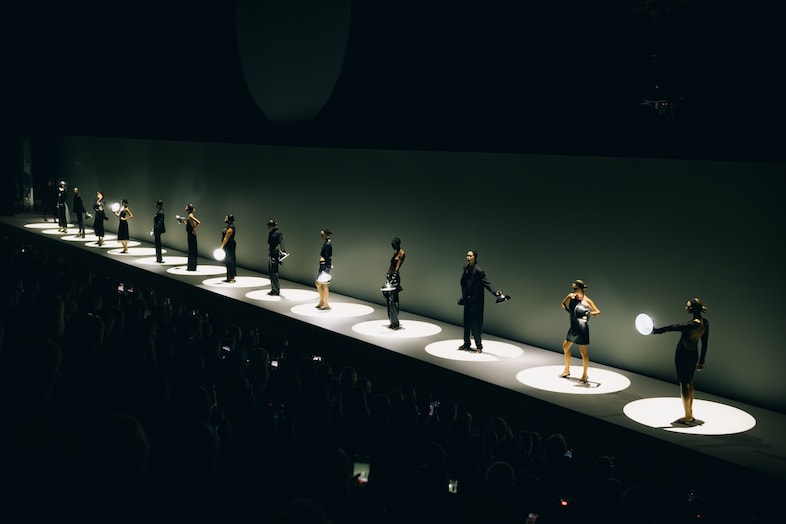
Cast and Front Row: Bridging High Fashion and Popular Culture
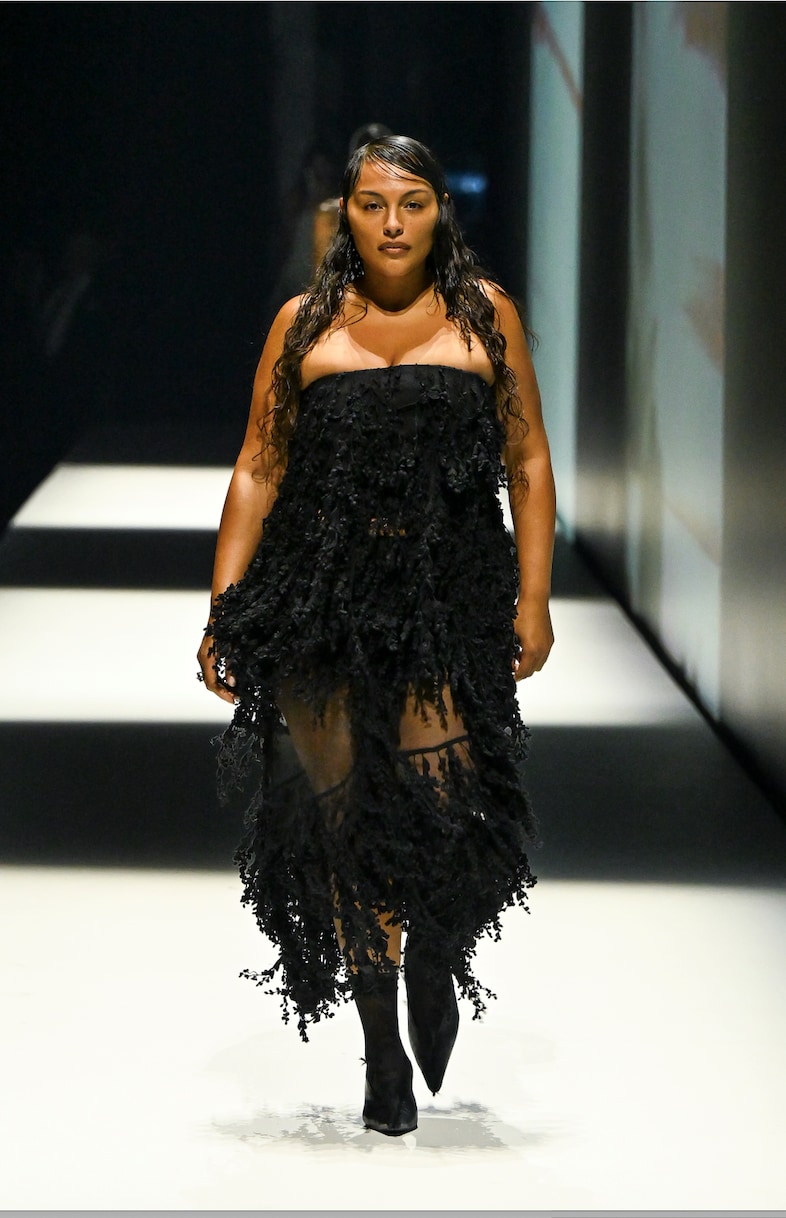
The casting of H&M&YOU&I reflected contemporary industry dynamics, bringing together some of the most sought-after models of the era alongside multi-generational fashion royalty. The runway featured prominent figures such as Paloma Elsesser, Lila Moss, Angelina Kendall, and Alva Claire. In a poignant nod to fashion history, legendary models Kristen McMenamy and Karen Elson walked the runway immediately following their respective daughters, Lily McMenamy and Scarlett White, creating a series of widely celebrated mother-daughter moments.
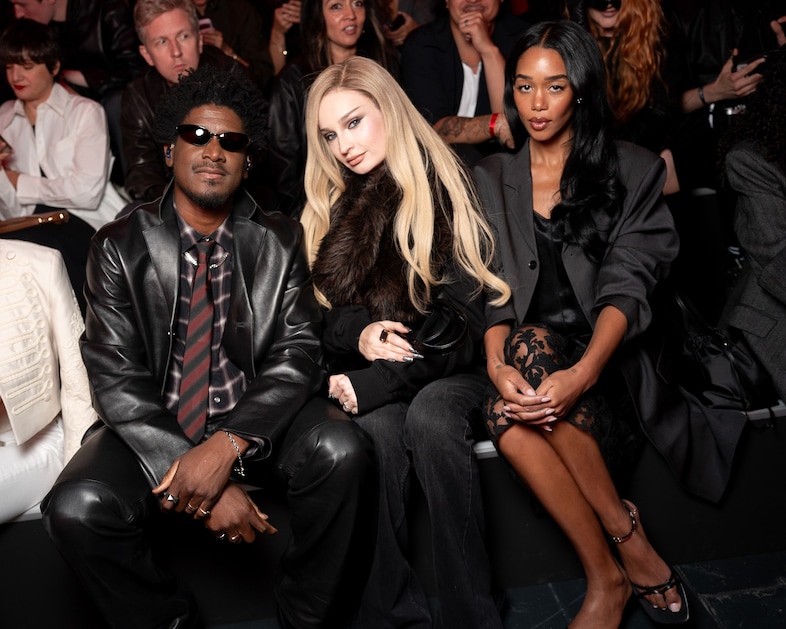
The front row drew an equally notable assembly of cultural figures, actors, and musicians. Attendees included Dazed cover stars Myha’la and fakemink, singer Tems, alongside public figures such as Audrey Nuna, Grace Van Patten, and Cruz Beckham. The convergence of high-profile talent from film, music, and fashion underscored H&M’s strategic positioning at the intersection of commercial accessibility and high-end cultural relevance.
The Afterparty and Community Engagement
Upon the conclusion of the runway presentations and musical performances, the Kensington Olympia space underwent a rapid architectural and atmospheric transformation, converting into an expansive afterparty venue. The musical programming for the evening featured collaborative and individual sets from prominent artists within the electronic and independent music communities. Kim Petras performed a high-energy back-to-back set with u.r.trax, while artists affiliated with Foundation.FM’s community—including Lexii, Matty Chiabi, Lagoon, and Crystal Waters—provided ongoing musical accompaniment.
In an effort to democratize access to major London Fashion Week events, the organizers extended invitations to members of the public, including representatives from the Dazed Club community, allowing emerging creatives and fashion enthusiasts to experience the scale and production of a major industry afterparty firsthand.
Industry Implications and Future Outlook
The collaboration between H&M, Nick Knight, and SHOWstudio arrives at a critical juncture for the global retail and fashion sectors. As brands face mounting pressure to engage digitally native consumers while maintaining sustainable production and presentation practices, hybrid physical-digital events offer a viable pathway forward.
By utilizing interactive projection technology that emphasizes human imperfection rather than synthetic perfection, the project challenges the prevailing tech-industry narrative that prioritizes flawless automation. Furthermore, the integration of immediate e-commerce availability ("See Now, Buy Now") highlights a growing industry-wide shift away from the traditional six-month lead time between runway shows and retail availability.
The success of H&M&YOU&I suggests that future fashion presentations will increasingly rely on multidisciplinary collaborations that merge traditional tailoring with real-time digital art, immersive sound design, and audience interactivity. As commercial entities continue to navigate the digital age, initiatives of this scale provide a blueprint for how massive global retailers can leverage high art and technological innovation to redefine consumer engagement and creative boundaries.