





PRATTELN, Switzerland — The global textile industry, long under pressure to reconcile aesthetic demand with environmental stewardship, has reached a new milestone in manufacturing efficiency. On September 14, 2026, specialty chemicals leader Archroma announced a strategic partnership with the Portuguese home textiles manufacturer Lameirinho to bring the InOneGO dyeing process into full-scale commercial production. This collaboration marks the first time this innovative, single-step application system has been deployed at an industrial scale for high-end home linens, representing a significant shift in how cellulosic fabrics are processed globally.
The InOneGO system represents a departure from the traditional, multi-stage dyeing processes that have dominated the industry for decades. By consolidating the coloration, fixation, and softening stages into a singular pad-dry application, the technology promises to reduce the complex logistics of textile finishing. For Lameirinho, a company synonymous with luxury bedding and home interior products, the adoption of InOneGO is not merely an operational upgrade; it is a strategic move to align their manufacturing capabilities with the increasing market demand for sustainable yet high-performing textiles.
A Chronology of Innovation and Adoption
The development of InOneGO did not occur in a vacuum. It is the culmination of years of R&D within Archroma’s Textile Effects division, which has been focused on addressing the "resource-intensive" nature of sulfur dyeing. The timeline of this transition reflects the broader industry’s move toward "lean manufacturing."
For several years, Archroma has been refining its portfolio of sulfur dyestuffs, specifically the DIRESUL® RDT range, which is characterized by its pre-reduced, low-sulfur liquid formulation. The integration of these dyes into a single-step process was identified as a critical bottleneck in the supply chain. By late 2025, pilot programs were initiated to test the feasibility of combining these dyes with biomass-based alternatives, such as the EarthColors® and FiberColors® ranges. The success of these trials, particularly regarding color fastness and the ability to replicate vintage "wash-down" aesthetics, provided the necessary validation for Lameirinho to integrate the technology into their production lines in 2026.
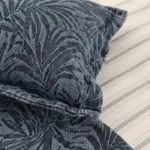
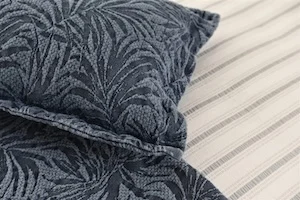
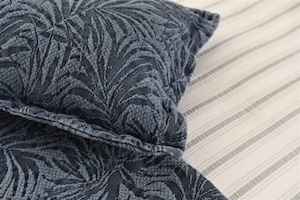
Following months of rigorous testing, the first collection produced via this method—a line of high-end bedlinens—has now reached the global market. This commercial rollout serves as a bellwether for the rest of the textile sector, demonstrating that structural innovations in chemical application can be successfully scaled without sacrificing the aesthetic qualities expected by luxury consumers.
Technical Foundations and Chemical Synergy
At the core of the InOneGO process is a sophisticated chemical synergy designed for woven cellulosic textiles. Unlike traditional reactive dyeing, which often requires significant water volume to remove unfixed dyes and auxiliary chemicals, the InOneGO system is engineered for the Stenter and Thermosol lines.
The process leverages the chemical properties of the DIRESUL® RDT dyes, which are designed to provide consistent, deep, and reliable shades. When combined with the EarthColors® and FiberColors® biomass-based sulfur dyes, the resulting fabrics exhibit a depth of color that mimics traditional indigo-dyed denim. The technical challenge, which Archroma has addressed, was the "wash-down" effect. Historically, achieving a distressed, vintage look required repetitive wash cycles, each contributing to water waste and energy consumption.
Julio Perales, Technical and Product Segment Manager at Archroma Textile Effects, noted that the breakthrough lies in the system’s ability to deliver the same distressed character in a single step. By eliminating the need for multiple washes, the technology preserves the structural integrity of the fabric while maintaining the necessary color fastness. This is a crucial detail for home textiles, which must endure frequent laundering while retaining their original aesthetic appeal.
Environmental Impact and Data-Driven Efficiency
The push for this technology is heavily supported by data-driven environmental assessments. Using the proprietary ONE WAY Impact Calculator, Archroma has benchmarked the InOneGO process against conventional cold pad-batch reactive dyeing combined with a pigment top-dye finish.
The data reveals substantial improvements across three key metrics: water consumption, energy usage, and chemical oxygen demand (COD). While the industry standard for traditional dyeing often involves significant aqueous waste streams, the InOneGO process minimizes the liquor ratio, effectively reducing the water footprint by an estimated 30% to 50% depending on the specific fabric weight and construction.
Beyond water, the energy savings are attributed to the reduction in drying cycles and the elimination of intermediate washing stages. In a high-volume manufacturing environment, these reductions translate to lower operational costs and a smaller carbon footprint. The ability to integrate biomass-based sulfur dyes—which utilize waste from agricultural sources—further reduces the dependence on petroleum-based precursors, providing a dual-benefit of environmental preservation and resource circularity.
Industry Implications and Market Outlook
The partnership between Archroma and Lameirinho highlights a broader trend: the "premiumization" of sustainable manufacturing. Brands are no longer looking for sustainable solutions that come at the cost of performance or aesthetic quality. They require "drop-in" solutions that can be integrated into existing infrastructure.
The scalability of the InOneGO process—specifically its compatibility with standard Stenter and Thermosol equipment—is perhaps its greatest asset. Mills do not need to invest in an entirely new machinery fleet to adopt this technology, which lowers the barrier to entry for smaller manufacturers and accelerates the pace of adoption among larger, established players.
Jorge Leitão, Innovation and Development Manager at Lameirinho, emphasized that the technology has allowed the company to achieve a range of effects that were previously difficult to produce in a sustainable manner. From authentic indigo looks to contemporary vintage finishes, the process provides designers with a wider palette without the environmental baggage of conventional techniques. This is particularly important for the home textiles market, where interior trends change rapidly and consumer scrutiny of supply chains has reached an all-time high.
Addressing the Sustainability Mandate
As global regulations regarding textile waste and chemical discharge tighten, particularly in the European Union, the adoption of technologies like InOneGO is likely to become a competitive necessity rather than a voluntary initiative. The European Green Deal and the associated "Strategy for Sustainable and Circular Textiles" are pushing manufacturers toward processes that are designed for durability and circularity.
Archroma’s strategy, which involves a comprehensive "systemic" approach—linking chemistry, process, and data—aligns with these regulatory expectations. By providing manufacturers with the tools to quantify their environmental savings, Archroma is helping companies like Lameirinho demonstrate transparency to stakeholders and consumers.
The ability to maintain fastness in wash-down effects is a critical technological hurdle that has been cleared. In the past, achieving the "distressed" look often meant sacrificing the durability of the dye. With InOneGO, the fixation process is more uniform, ensuring that the finished product remains vibrant and consistent even after repeated domestic wash cycles.
Future Trajectory of the Collaboration
The collaboration between Archroma and Lameirinho is expected to expand. As the current collection of bedlinens makes its way to retailers and consumers, the performance data will be monitored to further optimize the chemical application for different fiber blends and textures.
Analysts within the textile chemical sector suggest that the InOneGO model could eventually be applied to other segments, such as apparel and upholstery. The success of the current deployment in Portugal is a significant validation point. If the market reception remains positive, it is highly probable that other home textile manufacturers will seek to license or adopt the InOneGO protocol to stay competitive in an increasingly crowded and conscious marketplace.
In summary, the partnership represents a fusion of chemical engineering and industrial design. It proves that the "single-step" paradigm is not only theoretically sound but commercially viable. As the textile industry continues to grapple with the dual challenges of operational efficiency and environmental impact, the InOneGO system by Archroma provides a template for the future of textile production—one that favors precision, reduced resource consumption, and uncompromised aesthetic value. The milestone reached on September 14, 2026, serves as a clear indication that the path forward for textile manufacturing is one of intelligent, integrated, and sustainable chemical application.