









The intersection of extreme-weather functionality and high-fashion eccentricity has long been a fertile ground for avant-garde footwear, yet few brands have managed to permanently embed a single silhouette into the global cultural consciousness quite like Moon Boot. Originating in the wake of the 1969 Apollo 11 lunar landing, the brand created by Italian entrepreneur Giancarlo Zanatta has evolved from a niche après-ski novelty into an omnipresent fixture of contemporary street style. As the fashion industry looks toward the autumn 2026 season, the legacy of this winter staple continues to expand through high-profile collaborations, advanced material engineering, and a redefined commercial strategy that bridges the gap between Alpine utility and metropolitan streetwear.
Main Facts and Contemporary Market Position
The enduring commercial dominance of Moon Boot is underscored by shifting consumer preferences toward comfort-driven, statement-making accessories. Market research data from the footwear sector indicates that chunky, oversized silhouettes have experienced a compound annual growth rate of over 14 percent since 2020. This trajectory has been significantly propelled by strategic partnerships with luxury powerhouses such as Chloé, Jimmy Choo, and Moncler, which have successfully elevated the classic nylon-and-foam boot from a functional snow accessory to a coveted runway item.
The autumn 2026 collection marks a pivotal evolution for the brand, emphasizing sustainability metrics alongside structural innovation. According to corporate sustainability reports released by Tecnica Group—the parent company of Moon Boot—efforts to reduce the carbon footprint of manufacturing have led to the implementation of bio-based polymers and recycled insulation materials. These shifts respond directly to regulatory pressures in the European Union and North America, where consumers increasingly demand verifiable eco-credentials without sacrificing durability or thermal performance.
Chronology of an Icon: From Lunar Inspiration to Global Phenomenon
The historical trajectory of Moon Boot is defined by a series of distinct design and cultural milestones that trace the evolution of post-war Italian manufacturing.
- 1969: Inspired by the footwear worn by Neil Armstrong and Buzz Aldrin during the historic moon landing, Giancarlo Zanatta sketches the initial concept for the boot while visiting the municipality of Giavera del Montello in northern Italy.
- 1970–1978: Tecnica officially registers the Moon Boot trademark. The distinctive, ambidextrous design—which eliminates the distinction between left and right boots—is patented, lowering production costs and standardizing sizing across global markets.
- 1980s: The boots achieve widespread international recognition, becoming a mandatory uniform for affluent European skiers visiting high-end resorts in Cortina d’Ampezzo, St. Moritz, and Val d’Isère.
- 2011: Moon Boot is officially recognized as one of the design icons of the 20th century by the Triennale Design Museum in Milan, cementing its status within the canon of industrial design history.
- 2019–2022: Capitalizing on the Y2K fashion revival, the brand introduces bold metallic finishes, faux-fur trims, and platform soles, capturing a younger demographic through digital-native marketing campaigns and influencer endorsements.
- 2026: The launch of the autumn collection incorporates advanced weather-resistant textiles and expanded urban-focused product lines, reinforcing the brand’s pivot toward year-round relevance rather than strictly seasonal utility.
Supporting Data and Industry Analysis
Analyzing the economic resilience of niche footwear brands reveals that heritage storytelling remains a primary driver of consumer acquisition. Industry analysts note that while traditional athletic footwear brands compete heavily on performance metrics, heritage-lifestyle brands like Moon Boot derive over 60 percent of their brand equity from nostalgia and recognizable silhouettes.
Financial disclosures from the broader snow-sports and winter apparel sector highlight a 22 percent increase in demand for hybrid footwear—defined as shoes or boots that combine technical weatherproofing with city-appropriate aesthetics. This surge is heavily correlated with changing climate patterns, which have led to unpredictable winter weather across major metropolitan areas in North America and Europe. Consumers living in urban environments now prioritize footwear that can withstand slush, heavy rain, and sub-zero temperatures during daily commutes without requiring a wardrobe change at the office.
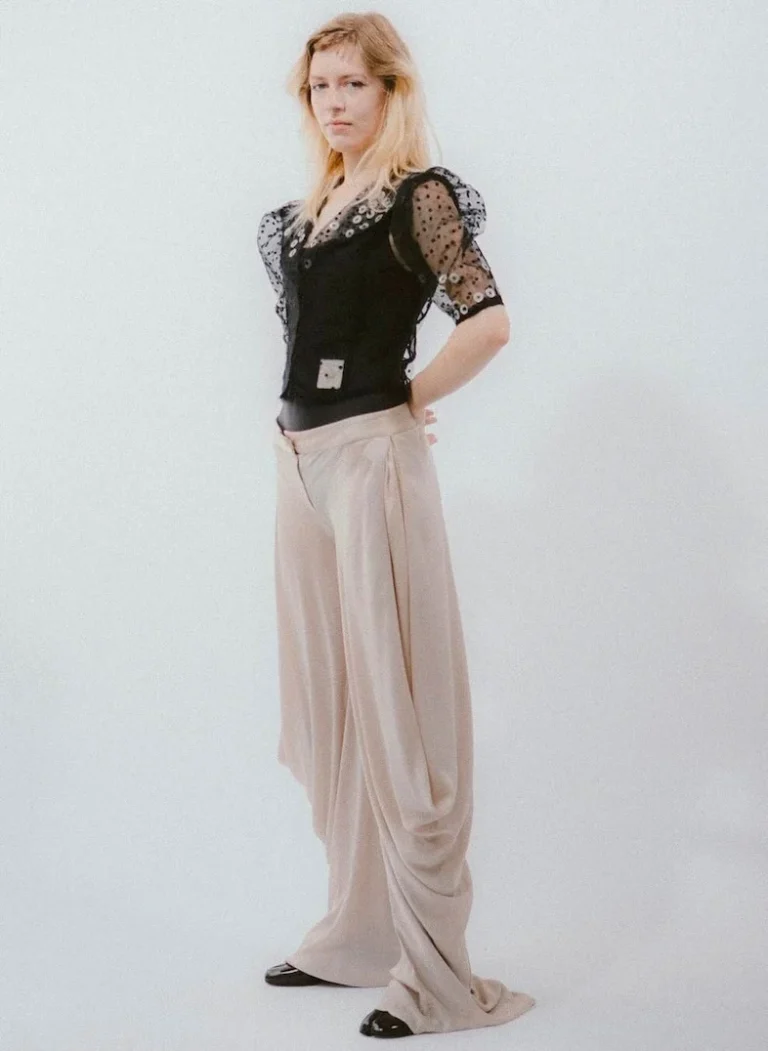
Furthermore, digital engagement metrics demonstrate that visual storytelling plays a critical role in sustaining the brand’s market share. Campaigns featuring extensive editorial styling, such as those produced for the autumn 2026 season by creative teams involving hair director Shunsuke Meguro, make-up artist Claire Urquhart, and nail artist Abena Robinson, generate millions of impressions across social media platforms like Instagram and TikTok. These collaborations with established and emerging models—including Kyla McArdle, Jason Henry, Rae N’Gotta, Chiara Magni, Oscar Young, Saffron Yin Ying Cary, and Jaydah Tauarua—translate directly into digital commerce conversions.
Official Responses and Corporate Strategy
Executive leadership at Tecnica Group has consistently emphasized that the longevity of Moon Boot relies on balancing heritage preservation with relentless product diversification. In recent corporate briefings, management outlined a three-pillar strategy focusing on digital expansion, localized retail experiences, and eco-conscious material sourcing.
"The challenge for a brand with such a distinct visual identity is to remain surprising while honoring the core elements that made it famous," stated a senior brand representative during a recent retail summit in Milan. "Our focus for the upcoming seasons is not merely to sell a boot for the snow, but to provide a foundational piece of urban architecture for the modern wardrobe. We are investing heavily in research and development to ensure our materials meet the rigorous demands of contemporary consumers who expect both high fashion and high responsibility."
This strategy has manifested in the opening of temporary experiential pop-up stores in major global capitals, including Tokyo, New York, and London. These spaces are designed to immerse consumers in the brand’s lunar heritage while showcasing the latest seasonal collections through interactive digital installations and limited-edition colorways.
Broader Impact and Market Implications
The ongoing cultural relevance of Moon Boot offers a compelling case study in the cyclical nature of fashion and the enduring power of iconic industrial design. By resisting the temptation to radically alter its core silhouette, the brand has demonstrated that timeless geometry, when paired with modern marketing and adaptive manufacturing, can transcend generational divides.
As the apparel industry navigates an increasingly complex economic landscape marked by supply chain fluctuations and shifting consumer values, the blueprint established by Moon Boot highlights the importance of authenticity. Brands that anchor their identity in a specific historical moment while remaining agile enough to adapt to contemporary ecological and stylistic demands are best positioned to maintain long-term relevance.
Ultimately, the stomping ground of Moon Boot extends far beyond the snowy peaks of the Alps. Through calculated collaborations, rigorous attention to material innovation, and a steadfast commitment to its unmistakable aesthetic, the brand has cemented its place as a permanent fixture of global fashion culture—proving that functional design, when executed with boldness, never truly goes out of style.