









The 2024 edition of Geneva Watch Days has concluded, marking another pivotal moment in the horological calendar as industry leaders, collectors, and media gathered in Switzerland to navigate a rapidly shifting economic and creative landscape. This year’s event, characterized by its decentralized format and focus on direct engagement, saw the core team from aBlogtoWatch—Rick, Ariel, David, and Ripley—reconvene to dissect the successes and logistical challenges of the gathering. As the luxury watch sector grapples with cooling secondary market prices and a pivot toward long-term brand equity over speculative hype, the discourse surrounding the event has shifted from mere product launches to the fundamental sustainability of the industry’s exhibition model.
The Evolution of the Geneva Watch Days Format
Unlike the traditional, trade-show-heavy atmosphere of the former SIHH (now Watches & Wonders), Geneva Watch Days operates as a self-managed, collaborative decentralized exhibition. Since its inception in 2020, the event was designed to be agile, allowing brands to showcase new releases in a distributed fashion across various hotels and venues in Geneva. This format has proven particularly resilient, offering a degree of intimacy that larger trade shows often lack.
However, the 2024 event brought to the forefront the logistical friction inherent in such an arrangement. Attendees noted that the geographic spread of the venues, combined with the unseasonably high temperatures in Geneva, created a demanding environment for journalists and retailers alike. Despite these conditions, the event remains a cornerstone of the industry because it provides a necessary platform for independent watchmakers and smaller luxury houses to maintain visibility during a period where consumer sentiment is increasingly selective.
Chronology of the 2024 Event and Key Developments
The event kicked off with a flurry of technical presentations and aesthetic updates from established maisons. The early days were dominated by discussions surrounding the Grand Prix d’Horlogerie de Genève (GPHG) selections. The GPHG, often described as the "Oscars of the watch industry," serves as a vital bellwether for current trends in high-end horology. This year, the debate centered on the criteria for inclusion, with observers noting a trend toward conservative innovation—a reaction to the volatile economic conditions that have marked the first half of 2024.
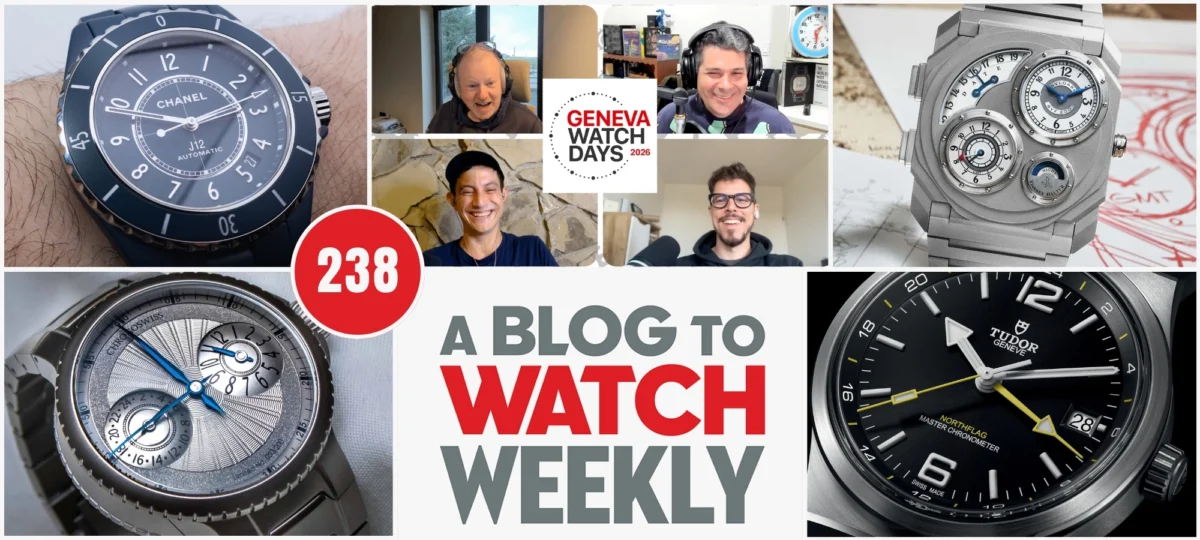
As the week progressed, the conversation transitioned from formal showcases to the intersection of horology and investment. The aBlogtoWatch editorial team highlighted the distinction between the "collector’s mindset"—focused on provenance, craftsmanship, and personal utility—and the "investor’s mindset," which has been significantly dampened by the correction in the secondary market. By mid-week, the focus shifted to technical heavyweights, including the debut of new iterations of the Chanel J12, specifically the Blue Ceramic models, and the refined mechanics of the A. Lange & Söhne 1815 Up/Down.
Supporting Data: The State of the Secondary Market
The backdrop for this year’s Geneva Watch Days is a distinct cooling in the secondary watch market. According to recent industry reports, the market for pre-owned luxury watches has seen a contraction in transaction volume, particularly among the "Big Three" brands (Rolex, Patek Philippe, and Audemars Piguet). This correction follows a historic peak in 2021 and early 2022, when speculative demand inflated prices to unsustainable levels.
For 2024, data indicates that the "investor bubble" has largely burst, forcing a return to "collector-first" consumption. Industry analysts suggest that this is a healthy, albeit painful, adjustment for the market. By moving away from price-driven speculation, the watch industry is finding that demand is now driven by brand loyalty and tangible technical innovation—qualities exemplified by the Tudor Northflag and the persistent demand for historically significant manual-wind movements. This shift suggests that while the "hoarding" behavior identified by some observers continues, it is increasingly directed toward pieces with enduring mechanical value rather than short-term liquidity.

Official Perspectives and Brand Strategy
While official statements from brand representatives often emphasize optimism, there is an underlying acknowledgment of the need for greater transparency and improved visitor infrastructure. Many brands participating in Geneva Watch Days have noted that the event’s strength lies in its ability to facilitate "authentic conversations." Unlike the high-pressure sales environments of the past, Geneva provides a venue for brands to explain the nuance of their manufacturing processes, which is essential as the market becomes more sophisticated.
Industry insiders have also pointed to the importance of "brand storytelling" as a hedge against economic volatility. Brands like A. Lange & Söhne, which continue to focus on high-complication mechanical watches, remain insulated from the fluctuations that affect entry-level luxury steel sports watches. This reinforces the idea that the "ultra-luxury" segment of the market remains robust, even as the broader mid-range luxury sector encounters headwinds.
Broader Implications for the Watch Industry
The implications of the 2024 event are threefold. First, the decentralized format of Geneva Watch Days is likely to remain the blueprint for the foreseeable future, as it provides a cost-effective alternative for brands to reach their core audiences. Second, the industry is clearly signaling a retreat from the speculative investment phase, placing the focus back on horological craft. This shift is likely to benefit independent makers who can offer unique, high-quality, and lower-volume production, which appeals to the modern, discerning collector.
Third, the logistical challenges of the event highlight a broader need for the industry to professionalize its event management. As the number of international journalists and retailers continues to grow, the infrastructure in Geneva—ranging from climate-controlled transport to optimized venue accessibility—must evolve. The "sweat equity" invested by participants is currently viewed as a badge of dedication, but long-term sustainability will require a more streamlined experience to accommodate a wider global audience.
The Role of Independent and Legacy Brands
A significant theme of the week was the balance between heritage and modernization. Chanel’s continued refinement of the J12 line in ceramic demonstrates a successful transition from fashion-centric horology to serious mechanical watchmaking. Similarly, the presence of legacy brands like A. Lange & Söhne serves as a reminder that even in an era of digital connectivity, the physical, manual-wound watch remains the pinnacle of the collector’s interest.
The debate surrounding the "power reserve" of a watch—a recurring motif in the aBlogtoWatch discussions—serves as a metaphor for the industry itself. Just as a watch must be wound and maintained to remain functional, the luxury watch industry must constantly reinvest in its craft and its relationships with its customers to survive. The anxiety regarding power reserves reflects a deeper, perhaps subconscious, concern about the longevity of current industry trends.
Conclusion: Looking Ahead
As the industry looks toward the remainder of 2024 and into 2025, the lessons from Geneva are clear: the era of easy gains and speculative growth is behind us. In its place is a more challenging, more competitive, and ultimately more rewarding environment. The watchmakers that succeed in the coming years will be those that prioritize craftsmanship, maintain clear communication regarding their brand value, and foster a community of collectors who are invested in the hobby for the sake of the watchmaking art itself.
The collective experience of the team at aBlogtoWatch—navigating the heat, the venues, and the complex, often contradictory, signals of the market—mirrors the experience of the entire horological community. It is an industry in transition, attempting to reconcile its rich history with the demands of a modern, digital, and economically cautious world. Geneva Watch Days 2024 did not offer all the answers, but it provided the essential platform where those questions could be asked, debated, and perhaps eventually, answered. Whether the future of the industry lies in manual-wind classics or innovative new materials, the commitment to "authentic watch conversations" remains the industry’s most vital asset.