





In the annals of cosmetic history, few inventions have achieved the universal ubiquity of the French manicure. Characterized by its signature opaque pink base and crisp white tips, the style has survived five decades of shifting trends, cultural scrutiny, and technological advancements in nail care. While its name suggests a Parisian origin, the aesthetic was born not in a French atelier, but on the busy film sets of 1970s Hollywood, emerging as a pragmatic solution to a common production bottleneck.
The Origins of a Hollywood Necessity
The year was 1976, and the logistics of film production were proving costly. Jeff Pink, the founder of the professional nail care brand Orly, was a primary supplier for Hollywood studios at the time. He recalls a conversation with a film director who expressed mounting frustration over the time lost during production. Whenever an actress changed her outfit to suit a scene, the hair and makeup department was required to repaint her nails to ensure color coordination. This inefficiency resulted in significant delays and increased production costs.

Seeking a remedy, Pink turned to the basic tools available at the time. He drew inspiration from the white pencils that were then commonly used by women to clean under their nails to create a brighter, cleaner appearance. Pink recognized that if he could replicate this natural, clean look with polish, he could provide a versatile aesthetic that complemented every wardrobe choice, thereby eliminating the need for constant repainting. At the time, white nail polish was not a standard commercial product. Pink successfully lobbied a manufacturer to produce a gallon of white polish to facilitate his vision. The resulting "Natural Nail Look" was an immediate success on set, earning him praise for his contribution to production efficiency.
Chronology of a Global Trend
Following its success on screen, the style began its transition into the mainstream. In 1976, Orly officially launched the "Natural Nail Look" kit. However, the moniker by which the world now knows the trend—the "French manicure"—was not coined until 1978. Following a demonstration of the technique at Paris Fashion Week, Pink sought a more sophisticated name for the style. Drawing inspiration from his recent trip to the French capital, he rebranded the technique.
The 1980s and 1990s marked the era of the French manicure’s entrenchment in popular culture. The style was bolstered by high-profile endorsements from celebrities like Cher and Barbra Streisand, who brought the look into the national spotlight during appearances on The Tonight Show Starring Johnny Carson. Throughout the 1990s, the style became a defining feature of the decade’s aesthetic, appearing on cultural icons ranging from Rachel Green in the television series Friends to Princess Diana.

By the turn of the millennium, the French manicure had permeated every segment of the beauty market. However, this ubiquity eventually led to a period of stigmatization. In the mid-2000s, the style became increasingly associated with excessive, thick-tipped acrylics often seen on reality television personalities and in specific subcultures. This evolution prompted a backlash from the fashion establishment, with beauty publications of the era frequently labeling the look as "tacky" or "dated."
Data and Design Evolution
The transformation of the French manicure from a "natural" look to a stylized design is closely linked to the rise of acrylic nail technology. As nail technicians gained the ability to sculpt artificial extensions, the white tips grew wider, brighter, and more prominent. Historian Suzanne E. Shapiro, author of Nails: The Story of the Modern Manicure, suggests that the trend functioned as "dental veneers for the hands"—an artificial, heightened version of perfection that appealed to a specific desire for professional-looking, low-maintenance beauty.
The cultural stigma that attached itself to the French manicure in the 2010s was not entirely aesthetic. Industry experts note that the criticism of long, white-tipped acrylics often carried classist and anti-Black undertones, as elaborate, high-maintenance nail art created by women of color was frequently dismissed as "unprofessional" by mainstream media outlets.

A pivotal moment for the style occurred in the late 1990s when celebrity nail artist Bernadette Thompson revolutionized the concept. By incorporating a $100 bill into a French manicure for rapper Lil’ Kim, Thompson transformed the look from a conservative standard into a vehicle for artistic expression. This specific creation, which challenged the boundaries of what a French manicure could be, was later recognized by the art world, with a reproduction displayed at the Museum of Modern Art in New York City.
The Modern Renaissance
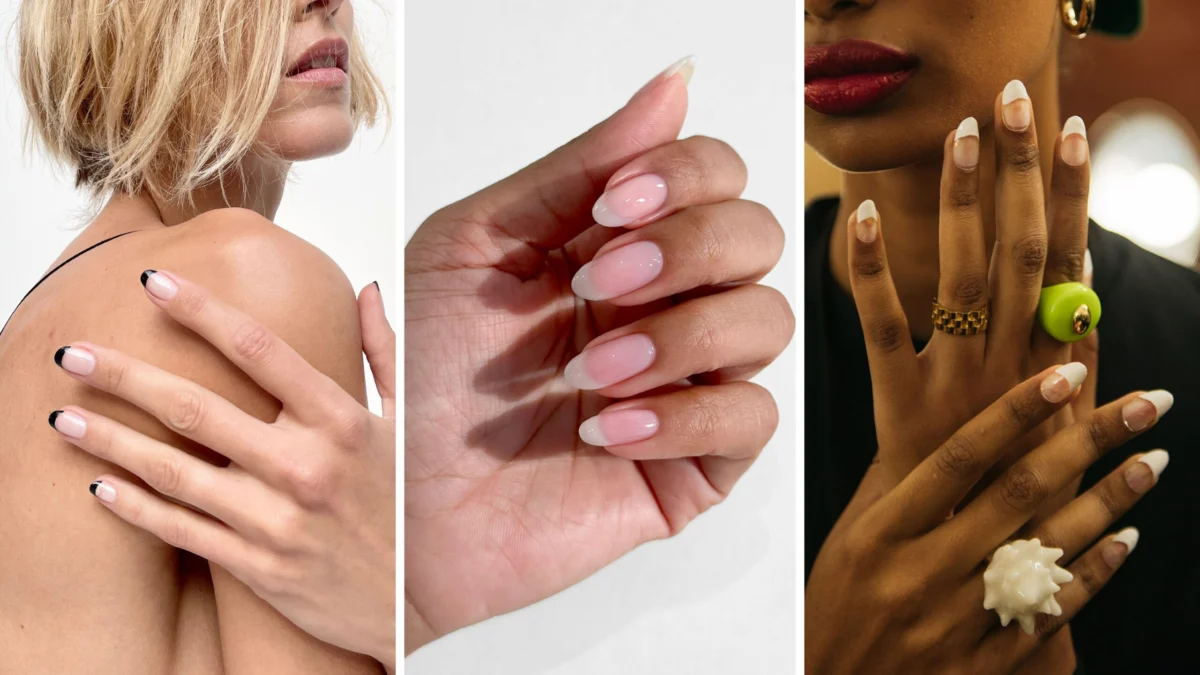
The current decade has seen a dramatic rehabilitation of the French manicure. The rise of sophisticated nail art in the 2010s provided the necessary framework for the style to be viewed as a canvas rather than a rigid set of rules. As nail artists began to experiment with color, texture, and line thickness, the "fixed" look of the 1990s gave way to endless variations, including neon tips, metallic finishes, and the subtle "invisible French" style popularized by artists like Jin Soon Choi for high-profile clients.
This shift in perception is mirrored by the industry’s current stance. Publications that once categorized the French manicure as a fashion faux pas now frequently feature it as a staple of elevated, modern style. Nail artist Tom Bachik, who has worked with figures such as Jennifer Lopez and Selena Gomez, notes that the current popularity of the style stems from its inherent versatility. "Once artists began changing the colors, proportions, and textures, it became clear how adaptable the style could be," Bachik explains.

Implications and Future Outlook
The endurance of the French manicure serves as a case study in the cyclical nature of beauty trends. Its ability to survive intense criticism and emerge as a perennial favorite suggests that it has transcended the status of a "trend" to become a fundamental element of the modern beauty lexicon.
From an economic perspective, the French manicure remains a core service for salons worldwide. Its near-universal recognition ensures that a client can request the style in almost any culture or language and receive a predictable result. This reliability, combined with the current movement toward nail art as a legitimate medium of personal expression, has solidified the style’s future.
Looking forward, the evolution of the French manicure appears poised to continue. As technology enables more precise application and new materials emerge, the "classic" look will likely continue to be deconstructed and reinvented. Jeff Pink, reflecting on the 50-year milestone of his invention, remains optimistic about its longevity. "The French manicure is not just a fashion," he states. "It is a style, and style lasts forever."

As the industry moves toward 2030 and beyond, the French manicure stands as a testament to the power of a simple, functional idea. Whether manifesting as the minimalist look of the 1970s or the avant-garde iterations of today, the style remains an essential component of the global beauty industry, bridging the gap between historical glamour and contemporary innovation. Its journey from a pragmatic, time-saving trick for movie sets to a permanent fixture in the global fashion conversation highlights how even the most utilitarian designs can achieve a timeless status through constant, creative adaptation.