

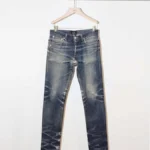



Luxury multi-brand retailer End has officially entered the private-label market, marking a significant strategic pivot for a company that has built its reputation on curating the world’s most sought-after streetwear and high-end fashion brands. This month, the retailer is rolling out its inaugural own-brand collection for men and women across its four flagship UK brick-and-mortar locations in London, Newcastle, Manchester, and Glasgow. The launch represents a maturation of the business model, shifting End from a pure-play destination for third-party designers to a vertical retailer with its own proprietary manufacturing and design identity.
The move comes at a time when the luxury retail sector is grappling with shifting consumer behaviors, rising operational costs, and the need for higher margin control. By introducing an in-house label, End is looking to capture a greater share of the value chain while reinforcing its position as a tastemaker in the global streetwear ecosystem.
A Strategic Evolution: From Curator to Creator
For over a decade, End has served as a primary gateway for UK consumers to access hard-to-find Japanese labels, American heritage brands, and European luxury houses. Its rapid growth from a niche sneaker store in Newcastle to a national retail powerhouse has been defined by its ability to predict trends. The decision to launch an own-brand label is the logical culmination of this expertise.
Industry analysts suggest that private labels allow retailers to bypass the wholesale markups associated with third-party brands, thereby offering higher quality materials at competitive price points while protecting margins. In the current economic climate, where discretionary spending is under pressure, providing a "premium-entry" product line serves as an effective tool for customer retention.
Chronology of Expansion
The trajectory of End’s expansion has been characterized by careful, deliberate growth. Founded in 2005 by Christiaan Ashworth and John Parker, the company initially focused on a digital-first approach.

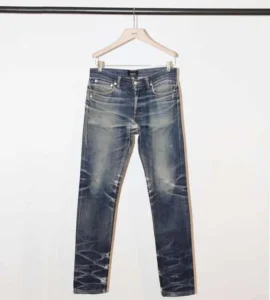
- 2005: End launches as a boutique in Newcastle, focusing on rare denim and sneakers.
- 2010–2015: The brand solidifies its digital presence, becoming a global destination for online luxury retail.
- 2018: Significant investment from private equity firm Index Ventures signals a push for aggressive physical expansion.
- 2021: Carlyle Group acquires a majority stake in the business, valuing the retailer at approximately £750 million, providing the capital necessary for further infrastructure development.
- 2023–2024: The retailer optimizes its supply chain and logistics network, a prerequisite for the complexities of managing an in-house production line.
- September 2026: The official launch of the "End Label" across all physical UK retail stores.
Market Context and Data Analysis
The global luxury market has seen a marked shift toward vertical integration. According to recent retail data, private label segments in the premium fashion sector have grown at a compound annual growth rate (CAGR) of 4.5% over the past three years. Retailers that control their own manufacturing are better positioned to respond to "fast-fashion" cycles without sacrificing the aesthetic standards expected by a luxury clientele.
Furthermore, the data suggests that customers who engage with a retailer’s own brand show a 20% higher lifetime value compared to those who exclusively purchase third-party items. For End, the strategy is not to replace the high-end designer brands that anchor their stores, but to fill "white space" in the wardrobe—essential pieces like elevated basics, technical outerwear, and premium knitwear that complement existing inventory.
Industry Implications and Competitive Landscape
The launch of an in-house line places End in direct competition with established luxury conglomerates that have their own retail arms, such as Selfridges or Harrods, which have both successfully leveraged their own-brand labels to drive foot traffic. However, End’s competitive advantage lies in its specific brand equity: its deep-rooted connection to subcultural fashion and its loyal, trend-conscious demographic.
By maintaining control over the design process, End can ensure that the new label adheres to the same quality control standards as the brands they stock. Industry experts note that the primary risk for such a transition is the dilution of brand prestige. If the quality of the new label does not match the standard of the labels surrounding it on the shelf, the halo effect of the retailer could be diminished. Conversely, a successful launch serves as a powerful marketing tool, proving that the retailer understands the nuances of manufacturing just as well as the nuances of curation.
Operational Logistics and Supply Chain
Behind the scenes, the development of the label has necessitated a reconfiguration of End’s supply chain. Moving from a model of procurement to one of design-to-delivery requires a vastly different set of competencies, including sourcing high-grade textiles, managing seasonal production timelines, and ensuring ethical compliance throughout the manufacturing process.
While the retailer has not disclosed the specific manufacturing hubs for the new collection, industry observers expect a blend of European production—known for craftsmanship in tailoring and leather goods—and specialized Asian manufacturing for technical apparel. This geographical diversification is a hallmark of sophisticated retail brands looking to balance cost efficiency with product integrity.
Looking Ahead: The Future of the End Brand
The rollout in the London, Newcastle, Manchester, and Glasgow stores acts as a pilot program. If consumer reception meets the internal KPIs set by the executive team, it is highly probable that the collection will see a broader rollout to the global online market, potentially accompanied by dedicated pop-up activations in key international hubs such as Paris or Tokyo.
The launch is also a litmus test for the company’s leadership under the ownership of the Carlyle Group. As investors look for long-term growth in a crowded digital marketplace, the ability to generate higher margins through proprietary goods is a critical performance metric.
"The retail landscape is increasingly bifurcated," notes a senior fashion analyst. "You have the ultra-luxury houses that dictate their own terms, and then you have the retailers who have to fight for shelf space and margin. By launching an in-house label, End is effectively declaring that they have become their own most important partner."
Conclusion: A New Chapter
As the doors open to reveal the inaugural End collection, the focus will remain on whether the product resonates with the brand’s core demographic. The transition from a retailer that highlights the work of others to one that showcases its own creative vision is a bold step, but one that is well-supported by the company’s historical performance and current financial standing.
The coming months will provide the necessary data to determine if the "End Label" will become a staple of the modern wardrobe or merely a temporary experiment. Given the brand’s history of calculated, successful expansion, the odds appear to be in their favor. For now, the focus is on the four UK flagship stores, where the brand will invite its most loyal customers to engage with the next iteration of the End story—a story that is no longer just about who they stock, but about who they are.