





Carnegie Fabrics, a prominent New York-based innovator in sustainable textiles and acoustical management solutions, has officially announced the launch of Aperture Embroider, the latest textile innovation integrated into its broader Crush Collection. This expansion marks a strategic shift for the company, blending high-performance industrial standards with a vibrant, aesthetic-forward design philosophy. By incorporating 91% plant-based content into its signature Biobased Xorel platform, Carnegie continues to address the growing demand for interior design solutions that reconcile the necessity for environmental responsibility with the desire for expressive, high-tactility textures in commercial architecture.
The Evolution of Biobased Xorel and the Crush Collection
The introduction of Aperture Embroider is the latest milestone in Carnegie’s long-standing history of pioneering sustainable material science. Since the inception of the Xorel line, the company has sought to eliminate the reliance on traditional, petrochemical-based fibers that have historically dominated the contract upholstery and wallcovering markets.
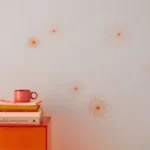
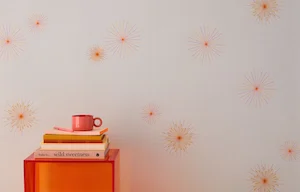
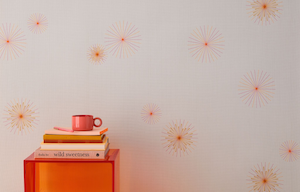
The Crush Collection serves as a stylistic departure from the minimalist, neutral-toned trends that have defined much of the commercial interiors market over the past decade. By introducing bold graphics, saturated palettes, and intricate embroidery, Carnegie is positioning itself to capture a design segment that prioritizes emotional resonance and visual dynamism. Aperture Embroider specifically utilizes radial, stitched bursts to create a sense of movement, providing a textural depth that bridges the gap between traditional wallcoverings and high-end artisanal upholstery.
Chronology of Carnegie’s Material Innovation
Carnegie’s trajectory toward this launch is rooted in a decades-long commitment to sustainable manufacturing. To understand the significance of the Aperture Embroider release, one must examine the company’s developmental timeline:
- 1980s: Carnegie introduces Xorel, a high-performance polyethylene textile designed to offer an alternative to PVC, which was then common in commercial wallcoverings.
- 2013: The company shifts toward plant-based innovation, successfully launching Biobased Xorel, which utilizes sugar cane as its primary feedstock rather than fossil-fuel-based polyethylene.
- 2020–2024: Carnegie expands its certification portfolio, securing Cradle to Cradle (C2C) Gold and Material Health Platinum status, signaling a move toward fully circular, non-toxic manufacturing.
- August–September 2026: The formal rollout of the Crush Collection and the sub-release of Aperture Embroider, marking a pivot toward color-centric design without sacrificing the company’s rigorous environmental standards.
Performance Specifications and Material Integrity
In the commercial sector, aesthetic appeal is frequently secondary to durability. Aperture Embroider is engineered to exceed the rigorous performance demands of high-traffic commercial environments. The fabric is rated for 200,000 double rubs, a metric that indicates exceptional abrasion resistance, making it suitable for both heavy-duty upholstery and high-impact wall applications.
Furthermore, the textile’s cleanability profile is designed to meet the strict sanitation protocols of modern healthcare, corporate, and hospitality settings. It is compatible with water-based, solvent-based, and bleach-based cleaning solutions, a feature that has become non-negotiable for facility managers in the post-pandemic era.
Perhaps most significant is the absence of chemical finishes. While many competitors rely on topical treatments to achieve stain resistance or flame retardancy—often utilizing PFAS or other "forever chemicals"—Carnegie has maintained a "finish-free" manufacturing process. By ensuring that the inherent properties of the fiber provide the necessary protection, the company avoids the environmental and health risks associated with the leaching of traditional fabric treatments.
Sustainability and Regulatory Compliance
The environmental credentials associated with Aperture Embroider are extensive, placing it among the most transparent products in the global textile market. The product carries a comprehensive list of certifications that cater to architects and designers pursuing WELL, LEED, or Living Building Challenge (LBC) certifications:
- Material Health: The product is free of antimicrobials, ozone-depleting substances, and PVC. It also carries the Cradle to Cradle Material Health Platinum Certification, the highest tier available, verifying that the product contains no chemicals of concern.
- Carbon and Sourcing: As a USDA Certified Biobased Product, the textile’s reliance on rapidly renewable materials contributes to a reduced carbon footprint compared to synthetic counterparts.
- End-of-Life: A critical component of the launch is the inclusion of Aperture Embroider in Carnegie’s "responsible return program," which facilitates the recovery and recycling of materials at the end of their useful life, supporting a circular economy model.
Market Implications and Industry Context
The launch of the Crush Collection and Aperture Embroider arrives at a pivotal moment for the commercial design industry. Analysts observe that commercial spaces are increasingly being designed to mimic residential comfort, a trend often referred to as "resimercial" design. This movement demands textiles that provide the warmth and visual interest of residential fabrics while maintaining the stringent safety and performance standards of commercial-grade materials.
By incorporating embroidery into the Biobased Xorel line, Carnegie is effectively addressing a "tactility gap." Historically, sustainable bio-based fabrics were often limited to flat, synthetic-looking weaves. Aperture Embroider changes this dynamic by introducing a three-dimensional surface that interacts with lighting and perspective, allowing designers to create "statement walls" that serve both acoustic and aesthetic functions.
From an economic perspective, the shift toward sustainable, high-performance materials is no longer a niche preference but a financial necessity for developers. Buildings that utilize sustainable materials often command higher lease rates and benefit from increased occupant satisfaction. The ability to specify a product like Aperture Embroider—which is both "Red List Free" and highly durable—reduces the long-term maintenance costs and potential liability associated with hazardous building materials.
Official Perspective on Design Philosophy
While Carnegie has not released a singular, lengthy manifesto, the company’s broader communications regarding the Crush Collection emphasize a transition from "restraint" to "expression." The design team at Carnegie has noted that while environmental responsibility remains the non-negotiable foundation of their manufacturing, the visual language of their products must now evolve to reflect a more human-centric design approach.
The inclusion of Aperture Embroider in the Crush lineup is a response to designers who have long requested more "playful" options within the Xorel family. By layering expressive, spark-like patterns over the robust Biobased Xorel ground, Carnegie has created a product that serves the needs of the architect (performance) and the interior designer (aesthetics) simultaneously.
Analysis: The Future of Responsible Textiles
The success of Aperture Embroider will likely serve as a barometer for how traditional textile manufacturers navigate the tension between sustainability and design. As chemical regulations tighten—particularly regarding PFAS and other persistent chemicals—manufacturers that have already invested in clean manufacturing, such as Carnegie, are finding themselves in a competitive advantage.
The shift toward 91% plant-based content is also a hedge against the volatility of the petroleum market. By decoupling their supply chain from crude oil, Carnegie ensures a more predictable pricing structure and insulates their production from the geopolitical instability that often affects synthetic fiber manufacturing.
Conclusion
Aperture Embroider represents more than just a new pattern for Carnegie Fabrics; it is an articulation of the company’s long-term strategy to harmonize advanced bio-manufacturing with the demands of contemporary, high-fashion interiors. With its combination of extreme durability, chemical transparency, and a design-forward aesthetic, the product is positioned to become a staple in the next generation of sustainable commercial architecture. As the industry continues to prioritize the health of both the environment and the end-user, innovations like the Crush Collection will continue to play a foundational role in defining the standards of the modern built environment. For stakeholders looking to balance aesthetic innovation with rigorous sustainability goals, the introduction of Aperture Embroider offers a viable and compelling solution.