










The fashion industry faces an unprecedented challenge: to decouple its growth from environmental degradation and ethical compromises, a transformation increasingly driven by both consumer demand and ecological necessity. For decades, the dominant narrative has pitted animal-derived materials like leather, wool, and down against their synthetic counterparts, often made from virgin plastics. While the former are frequently perceived as "natural," their production carries significant burdens, including profound animal welfare concerns, substantial greenhouse gas emissions, extensive land use, and water pollution. Conversely, the seemingly modern solution of synthetic materials, such as polyester, acrylic, polyurethane (PU), and polyvinyl chloride (PVC), presents its own set of critical environmental problems, primarily rooted in their reliance on fossil fuels, contribution to microplastic pollution, and non-biodegradable nature. This false dichotomy leaves conscious consumers and responsible brands searching for a third path: innovative, plastic-free, and animal-free alternatives that genuinely align with planetary and ethical well-being.
The impetus to move beyond conventional materials is clear. Public awareness regarding the environmental footprint and ethical implications of fashion choices has surged. Recent polling across the United States and Australia reveals a significant misconception among consumers who associate "natural" materials with inherent harmlessness. This perception often overlooks the industrial scale and intensive processing involved in producing animal-derived textiles. Leather, for instance, frequently undergoes chromium and formaldehyde tanning, rendering it non-biodegradable and contributing to toxic wastewater. Wool scouring, a necessary step in processing raw wool, is another significant source of water pollution. Beyond processing, the very act of raising animals for commodities is inherently resource-intensive and environmentally inefficient.
The environmental cost of animal agriculture for fashion is staggering. Livestock, particularly cows and sheep, are major contributors to potent methane emissions through enteric fermentation, a greenhouse gas with a global warming potential far exceeding carbon dioxide in the short term. According to the United Nations Food and Agriculture Organization (FAO), livestock accounts for a substantial portion of anthropogenic greenhouse gas emissions globally. For the fashion supply chain specifically, these emissions are a critical concern, exacerbating climate change. Furthermore, the intensive farming of ducks and geese for down feathers often leads to significant phosphorus emissions, which can devastate aquatic ecosystems by promoting harmful algal blooms and depleting oxygen levels.
Land use is another critical factor. Animals raised for fashion, whether for their hides, wool, or feathers, require vast tracts of land for grazing or for cultivating feed crops like soy. This land demand far surpasses what would be necessary to grow plant-based alternatives for textiles and food, contributing to deforestation, habitat destruction, and biodiversity loss. A 2018 study published in Science highlighted that animal agriculture uses 83% of the world’s farmland but delivers only 18% of the world’s calories. While fashion’s share is smaller than food, the principle of inefficiency holds true. The expansion of agricultural land for animal rearing directly impacts critical ecosystems and endangers countless species.
Beyond environmental metrics, the ethical considerations are paramount. Modern science increasingly reveals the complex cognitive and emotional lives of animals. Cows demonstrate excitement when learning new tasks, sheep exhibit the ability to recognize different emotions in their peers, and young ducklings display abstract thought. These findings underscore a fundamental truth: animals are sentient beings capable of feeling pain, experiencing joy, and possessing a desire to live. Yet, the production of animal-derived materials inherently involves transforming these sentient individuals into objects, often through cruel industrial practices and ultimately, slaughter. Organizations like People for the Ethical Treatment of Animals (PETA) and the Royal Society for the Prevention of Cruelty to Animals (RSPCA) consistently campaign against the abuses prevalent in the leather, wool, and down industries, advocating for a complete shift towards animal-free alternatives.
The emergence of synthetic materials was once hailed as a modern marvel, offering durability, versatility, and often lower costs. However, the environmental bill for these innovations has become increasingly apparent. Materials like PVC and polyurethane-based synthetic leather, acrylic knitwear, and polyester jacket fillings are fundamentally derived from fossil fuels. Their production perpetuates reliance on a carbon-intensive industry, necessitating the continued extraction and processing of crude oil and natural gas. This dependency runs counter to global efforts to decarbonize economies and transition to renewable energy sources. The textile industry’s demand for virgin synthetics is not static; manufacturing of polyester, the world’s most used fiber, is projected to grow from 71 million tonnes in 2023 to 78 million tonnes in 2024, according to Textile Exchange, signaling a worrying upward trend in fossil fuel consumption for fashion.
The lifecycle of synthetic fibers further compounds their environmental impact. Unlike many natural fibers, synthetics do not biodegrade in natural environments, or their biodegradation is severely inhibited when processed or dyed with non-biodegradable substances. A major concern is microplastic pollution. Every wash cycle of a synthetic garment, such as an acrylic sweater, releases microscopic plastic fibers into waterways. These microfibers bypass wastewater treatment plants, entering rivers, lakes, and oceans, where they are ingested by marine life and enter the food chain, with potential long-term consequences for ecosystems and human health. Research by the Ellen MacArthur Foundation has highlighted that an equivalent of one garbage truck of textiles is landfilled or incinerated every second, with synthetics making up a substantial portion of this waste, persisting in the environment for hundreds of years.
Fortunately, the fashion industry is not confined to this false choice. A burgeoning field of material science and innovation is paving the way for a new generation of textiles that are both animal-free and plastic-free. While the most sustainable option remains to extend the lifespan of existing garments through careful wear, repair, and second-hand shopping, the development of novel materials offers exciting prospects for responsible sourcing in new productions.
Innovations in Plastic-Free Leather Alternatives
The demand for leather alternatives that mimic the aesthetic and durability of traditional leather without its ethical and environmental baggage has spurred significant innovation. Several promising materials are now emerging, offering viable plastic-free solutions:
- MIRUM: Developed by Natural Fiber Welding (NFW), MIRUM represents a significant leap forward in bio-based materials. It is crafted entirely from natural inputs such as rice hulls, coconut husks, charcoal, clay, latex rubber, and plant-based oils and waxes. This composition allows MIRUM to achieve a far smaller climate impact compared to both animal and traditional synthetic leathers, as evidenced by early life cycle assessments. What truly sets MIRUM apart is its circularity potential: at its end-of-life, the material can be recycled back into new MIRUM, or it can naturally biodegrade, offering a truly cradle-to-cradle solution. Brands are increasingly exploring its application in footwear, accessories, and upholstery.
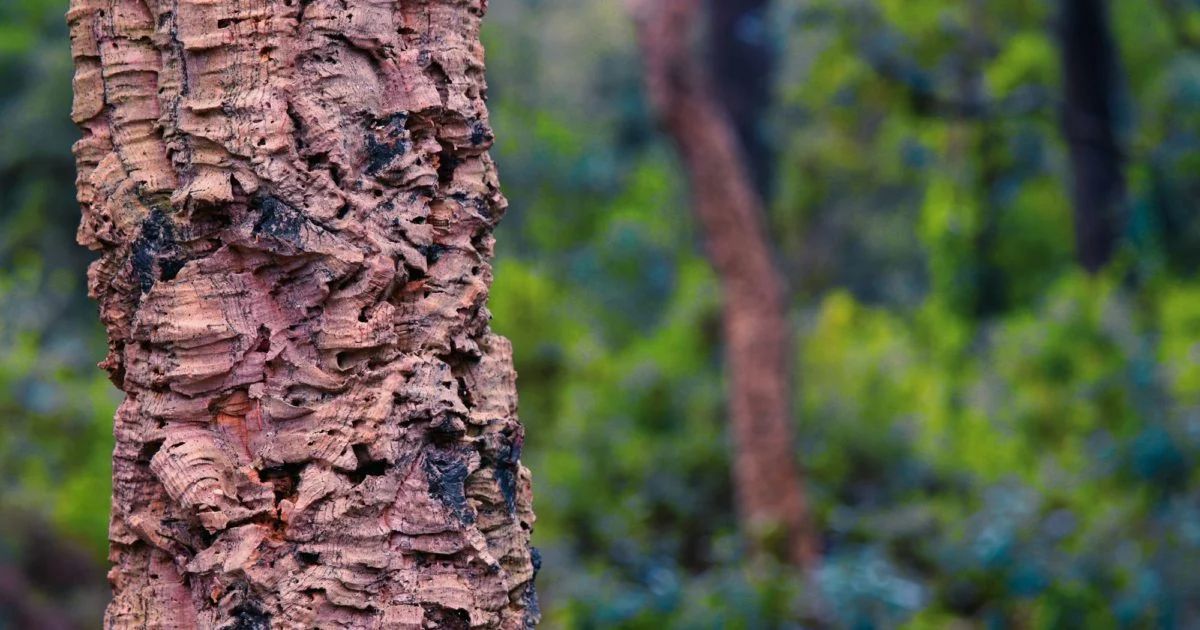
- Cork: This ancient material is experiencing a modern resurgence as a sustainable leather alternative. Harvested from the bark of the Quercus suber (cork oak) tree, the process is inherently sustainable as it does not require felling the tree. In fact, periodic harvesting every 9-12 years actually aids the tree in absorbing and sequestering more carbon dioxide from the atmosphere, making cork forests vital carbon sinks and biodiversity hotspots. Cork is naturally water-resistant, durable, and flexible. When bonded to a natural backing like organic cotton, it can be dyed, embossed, and manipulated to achieve a variety of finishes, mimicking leather. However, consumers must exercise diligence, as some cork products may still incorporate plastic coatings to enhance durability or aesthetic, necessitating direct inquiry with brands about their material composition.
- Washable Paper (and Treekind): Derived from responsibly sourced wood pulp, washable paper offers another compelling tree-based alternative. When sourced with certifications ensuring no old-growth or native forest logging, and utilizing fast-growing tree plantations, this material can be produced efficiently with a relatively small land footprint. Washable paper is robust, tear-resistant, and water-resistant, making it suitable for various fashion applications. Innovators like Biophilica are further advancing this category with materials such as Treekind. Treekind is a wood-based material uniquely made from discarded and already dead wood, demonstrating an ultra-sustainable sourcing model. Crucially, Treekind is designed to be fully compostable at its end-of-life, offering a completely circular solution.
Plastic-Free Wool Alternatives for Warmth and Comfort
The perception that warmth equates to wool is being challenged by advanced material science and a deeper understanding of thermal properties. Dr. Rebecca Van Amber, a fashion academic, highlights that the warmth of a garment often depends more on its thickness and weave density – preventing wind and cold penetration – than on the specific fiber type. This insight opens the door for a range of plastic and wool-free alternatives:
- TENCEL Lyocell: A cellulosic fiber derived from sustainably grown and harvested eucalyptus wood, TENCEL Lyocell is produced in a groundbreaking closed-loop system. This innovative manufacturing process ensures that 99% of the solvents and water used are recovered and reused, minimizing environmental discharge. TENCEL Lyocell fibers offer remarkable thermo-regulation and moisture-wicking properties comparable to wool, while boasting a significantly smaller land footprint, thus protecting biodiversity. Its smooth surface also makes it gentle on sensitive skin, and it is fully biodegradable.
- Hemp: A historical textile fiber, hemp is making a strong comeback due to its exceptional sustainability profile. Organically grown hemp requires minimal water and land, thrives without pesticides or herbicides, and even enriches the soil it grows in. Known for its strength and durability, hemp softens beautifully with each wash, developing a luxurious drape. When blended with responsibly sourced cotton, it can achieve a soft, wool-like texture, making it ideal for knitwear and outerwear. Its inherent breathability also contributes to comfort across various climates.
- Organic or Recycled Cotton: While conventional cotton production can be water-intensive, responsibly sourced cotton offers a sustainable alternative. This category includes certified organic cotton (e.g., GOTS certified), cotton grown with holistic management practices (e.g., rain-fed), and recycled cotton. Organic cotton cultivation eschews harmful synthetic pesticides and fertilizers, protecting soil health, biodiversity, and farmer well-being. Recycled cotton dramatically reduces the demand for virgin fibers, conserving water, energy, and raw materials. When choosing cotton, consumers are encouraged to prioritize certifications like GOTS (Global Organic Textile Standard) and Fairtrade, which ensure robust environmental and social standards throughout the supply chain. The water footprint of cotton varies widely by region and farming practice, underscoring the importance of these certifications.
Plastic-Free Down Alternatives for Lightweight Insulation
Achieving lightweight, effective insulation without resorting to live-plucking, feathers from slaughtered birds, or synthetic plastics has been a significant challenge. While some brands offer recycled polyester or commercially biodegradable synthetics like PrimaLoft, the focus for truly plastic-free solutions lies elsewhere:
- Flower Down (FLWRDWN) by PANGAIA: This innovative material, pioneered by the sustainable brand PANGAIA, offers a revolutionary plant-based insulation. FLWRDWN is made from wildflowers, which are processed into a bio-polymer using an aerogel primarily derived from recycled paper. Life cycle assessments have demonstrated that FLWRDWN significantly reduces global warming potential and energy demand compared to traditional synthetic jacket fillings. This material provides excellent insulation, is water-repellent, and while it utilizes a bio-polymer (a type of plant-based plastic), it is designed to be biodegradable, representing a significant step towards a circular economy for outerwear.
- Kapok: Although not yet widely adopted in fashion apparel, kapok is a natural, fluffy fiber derived from the seed pods of the kapok tree. This buoyant, hypoallergenic, and naturally water-resistant fiber is increasingly being used as a down alternative in products like pillows and mattresses. Kapok is biodegradable and compostable, making it an attractive, planet-friendly alternative to traditional down and synthetic fillings. Brands like Kapok Knot are beginning to explore its potential in apparel, making it a material to watch for future sustainable outerwear collections. Its lightweight nature and insulating properties make it an ideal candidate for ethical and eco-conscious insulation.
The broader implications of this shift towards plastic-free, animal-free materials are profound. It signifies a paradigm change in how the fashion industry perceives and utilizes resources, moving away from linear "take-make-dispose" models towards more circular and regenerative systems. This evolution is supported by major industry bodies and NGOs, such as the Ellen MacArthur Foundation, which advocates for a circular economy for fashion, emphasizing material innovation, increased utilization, and improved recycling. Fashion brands, from luxury houses to high-street retailers, are increasingly investing in research and development, setting ambitious targets for sustainable material sourcing, and collaborating with biomaterial start-ups. This collective effort is creating new economic opportunities, fostering innovation, and empowering consumers to make choices that resonate with their values.
Ultimately, the future of fashion lies in its ability to innovate responsibly. By embracing plastic-free, animal-free alternatives, the industry can transcend outdated dichotomies and forge a path towards a truly sustainable, ethical, and aesthetically compelling future, benefiting animals, people, and the planet alike.