











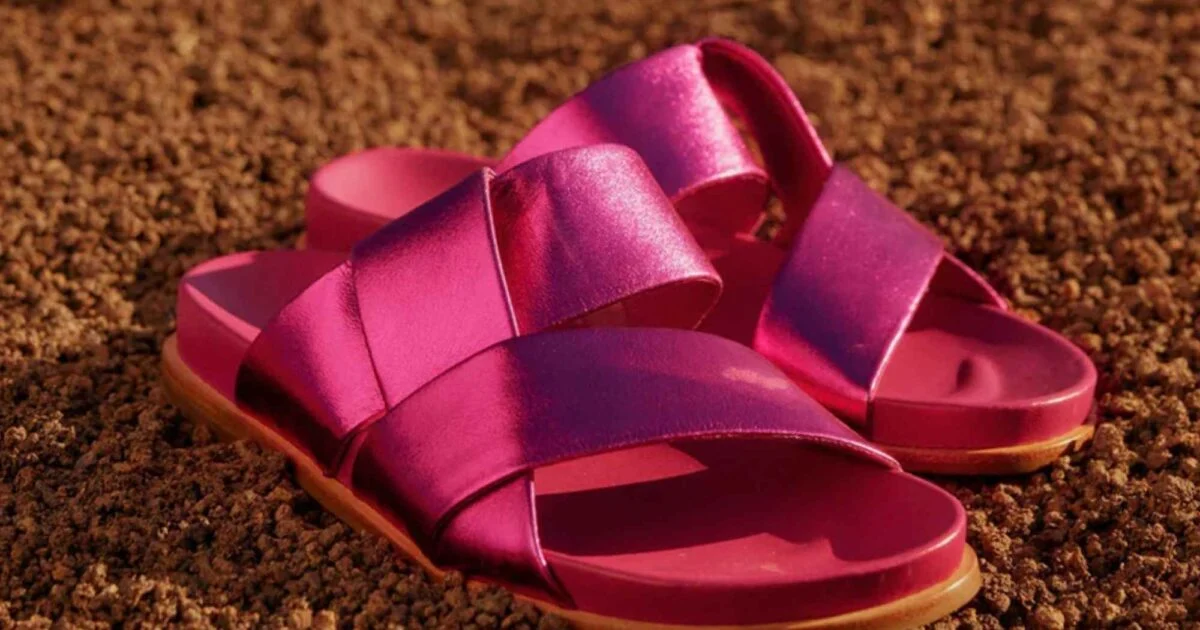
In an era increasingly defined by the fusion of comfort and style, Birkenstock sandals, particularly the ubiquitous ‘Arizona’ style, have firmly entrenched themselves as a cornerstone of the enduring "dad sandal" trend. These chunky German-engineered sandals have transitioned from a counter-culture staple to a global fashion phenomenon, celebrated for their distinctive aesthetic and orthopaedic design. However, beneath the surface of their widespread popularity and commercial success lies a critical evaluation of their ethical and environmental footprint, leading to a "Not Good Enough" rating by independent assessors. This disparity between market dominance and sustainability performance has spurred a significant segment of conscious consumers and industry observers to seek out more responsible alternatives that align both with contemporary style and core ethical values.
The brand’s journey from a niche, health-focused footwear provider to a high-fashion collaborator has been remarkable. For centuries, the Birkenstock family has been involved in shoemaking, with Johann Adam Birkenstock registering as a shoemaker in 1774. The concept of contoured arch supports, a hallmark of the brand, was developed by Konrad Birkenstock in 1896, leading to the "footbed" that would become central to their design philosophy. Initially gaining traction in Germany, Birkenstocks found a dedicated following among health enthusiasts and, later, the counter-culture movements of the 1960s and 70s, particularly in the United States, where they became synonymous with a relaxed, bohemian lifestyle.
The past decade has witnessed an unprecedented resurgence in Birkenstock’s mainstream appeal. This modern renaissance has been meticulously orchestrated and organically amplified through various cultural touchpoints. Social media platforms have played a pivotal role, transforming the sandals into viral sensations and must-have items for influencers and everyday fashion enthusiasts alike. Celebrity endorsements, both overt and subtle, have further cemented their status as a versatile wardrobe essential, equally at home on red carpets as on casual outings. A notable milestone in its recent ascent was the brand’s prominent appearance in the highly anticipated 2023 "Barbie" movie, a cultural juggernaut that catapulted the classic style into the global spotlight for a new generation.
Beyond popular culture, Birkenstock has strategically elevated its brand image through high-fashion collaborations. Partnerships with avant-garde designers like Rick Owens and luxury houses such as Valentino demonstrated the brand’s versatility and its ability to transcend its utilitarian origins, appealing to an affluent and fashion-forward demographic. These collaborations were not merely one-off events but part of a sustained strategy to broaden its market reach and reinforce its status as a design icon. The year 2026 has seen Birkenstock continuing this trajectory with further diversification, including an unexpected foray into nail polish, a bridal collection developed in collaboration with Danielle Frankel, another with streetwear giant Kith, and most recently, a capsule collection with the esteemed French shoe brand Repetto. These expansions underscore Birkenstock’s aggressive growth strategy and its ambition to become a comprehensive lifestyle brand, far removed from its humble origins.
However, as Birkenstock’s commercial star continues to ascend, a critical examination of its sustainability record reveals a less lustrous picture. Despite its heritage and undeniable market presence, the brand has received a "Not Good Enough" rating across key environmental, social, and animal welfare metrics from independent sustainability assessment platforms. This evaluation stands in stark contrast to the brand’s public image and the growing consumer expectation for transparency and ethical production practices.
The specific deficiencies highlighted in the most recent rating review paint a comprehensive picture of areas requiring significant improvement. From an environmental standpoint, the brand has been criticized for a lack of commitment to using lower-impact materials. In an industry increasingly adopting recycled content, organic fibers, and innovative bio-based alternatives, Birkenstock’s reliance on traditional materials without clear, measurable targets for sustainable sourcing raises concerns. While cork, a primary material in their footbeds, is renewable, the overall material mix and manufacturing processes have not demonstrated sufficient efforts towards reducing environmental harm, such as energy consumption, water usage, or waste management.
On the social front, a critical issue identified is the absence of a verifiable commitment to ensuring living wages across its supply chains. The concept of a living wage, distinct from a minimum wage, ensures that workers can afford a decent standard of living for themselves and their families, covering basic needs like food, housing, healthcare, and education. For a global brand with extensive manufacturing operations, the lack of transparent policies and verifiable actions to guarantee fair compensation for all workers, from raw material suppliers to factory employees, represents a significant ethical gap. Industry experts and labor rights organizations consistently advocate for brands to implement robust living wage policies, conduct regular audits, and engage in direct dialogue with workers and their representatives to ensure equitable labor practices.
Furthermore, Birkenstock’s animal welfare regulations have also been deemed inadequate. While the brand primarily uses leather, a by-product of the meat industry, the assessment indicates a lack of clear policies or certifications guaranteeing ethical sourcing of animal-derived materials. This includes ensuring that animals are not subjected to cruel treatment, that land management practices are sustainable, and that traceability throughout the supply chain is robust. In an era where consumers are increasingly aware of animal welfare issues and seeking vegan or certified ethical alternatives, this oversight is a notable area for improvement.
The "Not Good Enough" rating places Birkenstock in a challenging position, as it highlights a disconnect between its popular appeal and its responsibility to people, the planet, and animals. While Birkenstock has not publicly addressed these specific criticisms in detail, a typical response from a brand of its stature would involve acknowledging the assessment, outlining existing sustainability initiatives, and committing to future improvements. However, without concrete, verifiable actions and transparent reporting, such statements often fall short of satisfying the demands of an informed consumer base and ethical watchdogs. This situation underscores a broader implication for the fashion industry: commercial success alone can no longer be the sole metric of a brand’s value; ethical performance is increasingly paramount.
The growing consumer demand for sustainable and ethical products is not merely a fleeting trend but a fundamental shift in purchasing behavior. Empowered by platforms that provide comprehensive ratings and transparent information, consumers are becoming increasingly discerning, choosing to support brands that align with their values. This movement is part of a larger push towards conscious capitalism, where businesses are expected to consider their broader impact on society and the environment, not just their shareholders.
For brands like Birkenstock, a low sustainability rating can have long-term implications, potentially eroding consumer trust and loyalty, particularly among younger demographics who prioritize ethical considerations. It also puts pressure on the brand to invest significantly in improving its supply chain transparency, adopting lower-impact materials, and implementing verifiable social and environmental safeguards. The fundamental principle that "the most sustainable fashion is what’s already in your closet" remains paramount, encouraging consumers to extend the life of their existing items, seek second-hand options, and only purchase new when absolutely necessary. However, when new purchases are unavoidable, the informed consumer is now equipped to make choices that support a more ethical industry.
Recognizing this critical gap and the desire for responsible consumption, a dedicated search was undertaken to identify more sustainable and ethical brands offering sandals akin to the popular Birkenstock style. The goal was to find alternatives that would not only complement outfits but also align with moral convictions. The enduring design of a supportive, contoured footbed, a feature that has defined this style of shoe for hundreds of years in Germany, has been reinterpreted by a new wave of conscious brands. These innovators have taken the popular silhouette and infused it with sustainable materials, ethical manufacturing processes, and transparent supply chains, offering consumers compelling alternatives.
Here are some of the standout sustainable alternatives to Birkenstocks:
ESSÄN
Founded in 2016 by Marre Muijs, ESSÄN was established as a direct response to the prevalent fast fashion cycle characterized by overproduction, trend-chasing, and significant waste. The brand champions a philosophy of "slow fashion," meticulously crafting shoes and accessories with an emphasis on longevity and timeless design over fleeting trends. ESSÄN deliberately limits its production runs, ensuring that demand is met without contributing to excess inventory and waste. Furthermore, the brand employs low-waste cutting techniques during manufacturing, optimizing material usage and minimizing textile waste. By eschewing the traditional fashion calendar in favor of a single, permanent collection, ESSÄN encourages thoughtful consumption and a departure from seasonal obsolescence, allowing consumers to invest in pieces designed to last. Their commitment to careful craftsmanship and sustainable practices positions them as a leader in ethical footwear.
Elk
A pioneer of independent Australian design, Elk was founded in Melbourne in 2004, building a reputation for its distinctive aesthetic and ethical approach. Elk creates bi-annual collections that are deeply informed by a design ethos where simplicity and sustainability intersect with innovation. The brand is known for its commitment to transparent sourcing and the use of high-quality, durable materials, often incorporating natural fibers and responsibly managed leathers. Elk places a strong emphasis on working with manufacturers who uphold fair labor practices and safe working conditions, ensuring that their supply chain reflects their values. Their designs often feature a clean, minimalist aesthetic, making them versatile and enduring additions to any wardrobe, including their take on the comfort sandal. Elk’s dedication to both design integrity and ethical production resonates with consumers seeking stylish yet responsible options.
Up-Fuse
Up-Fuse is a Cairo-based social enterprise that embodies the principles of a circular economy and social empowerment. Operating under the belief that "one’s trash is another’s fabric," the brand specializes in transforming waste materials into unique, functional products. Up-Fuse’s innovative approach not only tackles environmental pollution by diverting waste from landfills but also creates significant social impact. The brand collaborates with Syrian, Ethiopian, and Sudanese female refugees in Egypt, providing them with meaningful employment opportunities, fair wages, and skills training. This initiative helps these vulnerable communities achieve economic independence and integration, demonstrating a powerful model where environmental sustainability and social justice are intrinsically linked. Their products, including sandals and accessories, are not only eco-conscious but also carry a profound story of empowerment and resilience.
Nisolo
Nisolo, an American brand, stands out for its unwavering commitment to ethical production, particularly its focus on ensuring living wages throughout its entire supply chain. This commitment goes beyond mere compliance with minimum wage laws, striving to provide wages that allow workers to cover their basic needs and save for the future. Nisolo achieves this through transparent partnerships with its artisan producers and regular audits of its factories. Beyond fair labor, Nisolo is also actively engaged in combating climate change, investing in initiatives that reduce its carbon footprint and promote environmental stewardship. This includes responsible sourcing of materials, minimizing waste in production, and exploring sustainable packaging solutions. Their footwear, including ethically made sandals, reflects a holistic approach to sustainability, prioritizing both human welfare and planetary health.
Vesica Piscis
Based in Spain, Vesica Piscis is a vegan footwear brand that champions environmental responsibility through innovative production methods and material choices. The brand utilizes a high proportion of lower-impact materials, including recycled components and plant-based alternatives to traditional leather, significantly reducing its ecological footprint. A key aspect of their sustainability strategy is the use of renewable energy in their manufacturing processes, minimizing reliance on fossil fuels and lowering greenhouse gas emissions. Furthermore, Vesica Piscis operates on a made-to-order basis. This production model is highly effective in reducing waste, as it eliminates overproduction and the need for excessive inventory, ensuring that each product is made specifically for a customer, thereby conserving resources and preventing landfill contributions. Their commitment to veganism, combined with their advanced sustainable practices, offers a truly ethical option for conscious consumers.
Agazi
Agazi, a vegan footwear brand from Poland, offers a diverse range of shoes, including sneakers, sandals, heels, and flats, all crafted without any animal-derived materials. The brand is at the forefront of material innovation, utilizing non-animal alternatives such as hemp, a highly sustainable and durable fiber, and innovative plant-based leathers made from apple skin and grapes. These alternative leathers provide the look and feel of traditional leather without the associated environmental and ethical concerns of animal agriculture. Agazi’s dedication to cruelty-free fashion, coupled with its focus on high-quality, sustainable materials, makes it a compelling choice for consumers seeking stylish and ethical footwear. Their commitment to exploring and integrating cutting-edge material science into their designs positions them as a forward-thinking brand in the ethical fashion landscape.
The evolution of the fashion industry is increasingly marked by a shift towards greater transparency and accountability. As platforms like Good On You continue to provide comprehensive, data-driven ratings of fashion brands’ impact on people, the planet, and animals, consumers are empowered to make more informed purchasing decisions. This growing awareness exerts significant pressure on established brands to re-evaluate their practices and on emerging brands to embed sustainability from their inception. The availability of diverse and stylish alternatives to popular items like Birkenstocks demonstrates that ethical consumption does not necessitate a compromise on style or comfort. Ultimately, the power of consumer choice remains a driving force in shaping a more responsible and sustainable future for the global fashion industry.
Editor’s note: Feature image via ELK, all other images via brands mentioned. Good On You publishes the world’s most comprehensive ratings of fashion brands’ impact on people, the planet, and animals. Use our directory to search thousands of rated brands. This article was updated on 20 July 2026. Our editors frequently make updates to articles to ensure they’re current. We refreshed our selection of products to ensure we’ve got top picks from brands with recent ratings.