










In 2026, the omnipresence of athleisurewear—often prioritizing comfort over sartorial elegance—stands in stark contrast to its historical forebear: the rigorous, yet undeniably stylish, tradition of tennis whites. A century ago, before the advent of performance fleece and joggers, men’s athletic attire merged sport with an exacting code of style, embodied most notably by the all-white ensemble of lawn tennis. This distinct dress code, far from being merely a practical choice, functioned as a potent symbol of status, wealth, and adherence to an exclusive social order. Paradoxically, these pristine garments, while visually striking, often proved genuinely impractical for the very act of strenuous physical exertion they were meant to accompany.

The Genesis of White: A Sport for the Elite
At the dawn of the 20th century, tennis was not merely a sport but a definitive marker of social class. Its courts, meticulously manicured and typically found within the private estates and exclusive country clubs of Britain, the United States, and Germany, underscored its status as a pursuit of the affluent. In an era where leisure itself was a luxury inaccessible to the majority, lawn tennis emerged from earlier bat-and-ball games, inheriting and solidifying a strict code of Victorian etiquette that inextricably linked one’s attire to one’s social standing.

The adoption of white as the mandatory uniform for tennis players stemmed from a dual rationale: one seemingly practical, the other profoundly social. From a practical standpoint, white was believed to reflect sunlight, offering a degree of cooling on sunny courts, and to subtly disguise perspiration stains, a minor but significant concern for maintaining an unblemished appearance. However, the social implications far outweighed these perceived practicalities.
Maintaining pristine white garments in an era preceding the widespread availability of domestic washing machines was an arduous and costly endeavor. Laundry, a labor-intensive process involving hand-washing, boiling, bluing agents to prevent yellowing, starching, and meticulous ironing, was a significant household chore. For the wealthy, this burden was entirely outsourced to domestic staff, whose wages and labor represented a substantial expense. Thus, appearing in immaculate white was a silent, yet unequivocal, declaration of one’s financial capacity to afford such upkeep. Blue-collar workers, conversely, eschewed white clothing precisely because its susceptibility to dirt and stains would betray their daily toil and lack of disposable income for extensive laundry services. The spotless white outfit served as a visible barrier, reinforcing the exclusivity of the sport and signalling membership in an elite social circle.
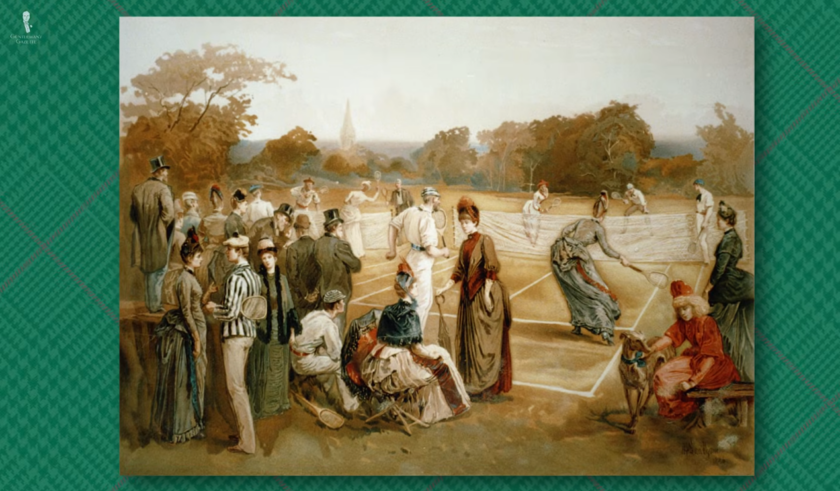
Beyond the practical and symbolic, tennis gatherings frequently doubled as significant social events. Players and spectators alike congregated on private lawns, where the game was as much an excuse for polite conversation and courtship as it was a competitive match. This social dimension further cemented the dress code’s role as a "members-only" signal, distinguishing participants from the broader populace and reinforcing the genteel nature of the pastime.
A Century of Evolution: Men’s Tennis Attire Through the Decades

The journey of men’s tennis whites from rigid formality to performance-driven design is a microcosm of broader shifts in fashion, sport, and societal norms.
-
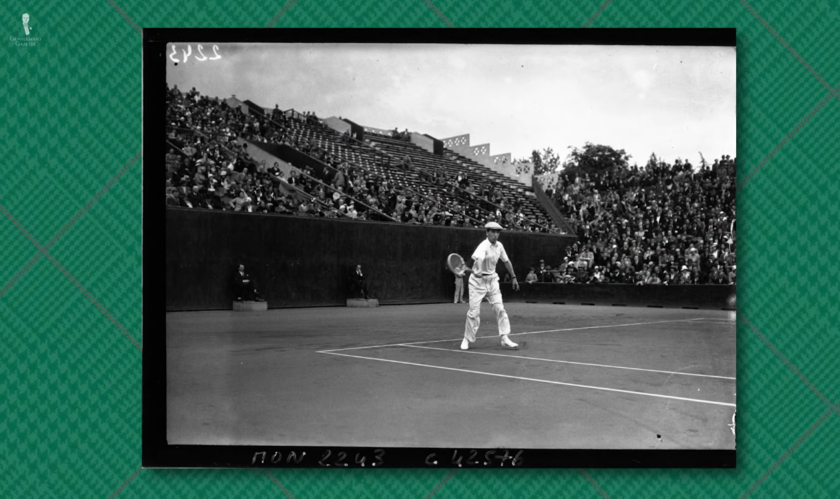
Turn-of-the-Century Formality (1900s-1910s): Early tennis attire bore a striking resemblance to formal daywear. Men donned heavy white flannel trousers, often paired with long-sleeved white shirts, sometimes featuring starched collars. The ensemble was frequently topped with a jacket or a substantial wool sweater, and occasionally even a straw boater hat. Bare arms on court were considered profoundly inappropriate, akin to appearing in undergarments today. The prevailing etiquette dictated that a gentleman maintained an air of decorum, even while engaging in sport. Comfort and freedom of movement were secondary to upholding appearance and tradition.
-
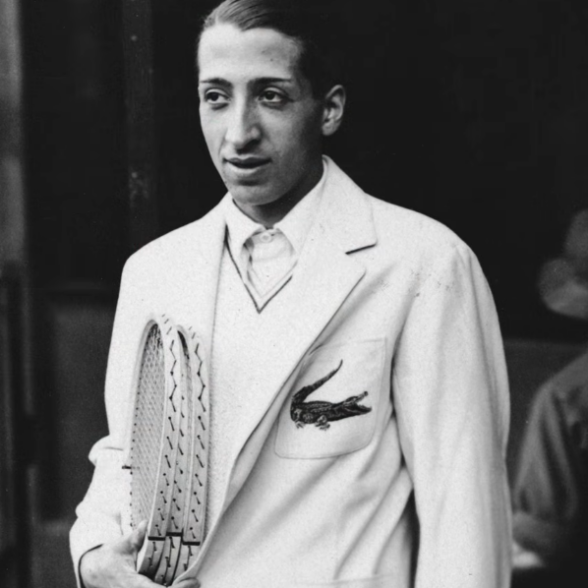
The Roaring Twenties and Thirties: Athleticism Emerges: As tennis evolved into a more dynamic and competitive sport, the clothing began a gradual, yet discernible, loosening. Shirts shed some of their rigid structure and weight, sleeves began to shorten, and jackets became less common during the heat of a match. This era saw the rise of figures like René Lacoste, the French "Crocodile," who revolutionized tennis wear with his innovative approach. Dissatisfied with the discomfort of traditional shirts, Lacoste developed the "petit piqué" knit polo shirt in 1926. This breathable, short-sleeved garment, designed for maximum comfort and freedom of movement, quickly gained popularity and eventually became a global icon, permanently altering the landscape of sportswear. While still white, the focus began to shift towards functionality, enabling players to perform with greater agility.
-
Mid-Century Modern: Function Takes the Forefront (1940s-1960s): By the mid-20th century, shorts had become the undisputed standard for male tennis players, replacing the cumbersome long trousers. Cuts became more generous, allowing for a genuine range of motion—a tacit acknowledgment that heavy wool flannels were inherently impractical for athletic endeavor in warm conditions. This period also witnessed the advent of synthetic fibers like nylon and polyester, heralded as "miracle fabrics." These materials were marketed for their rapid-drying properties, superior to natural fibers like cotton or wool, offering unprecedented advantages in managing perspiration. Despite these significant advancements in material science and design, the requirement for white attire remained largely non-negotiable across most tournaments, irrespective of the fabric composition.
-
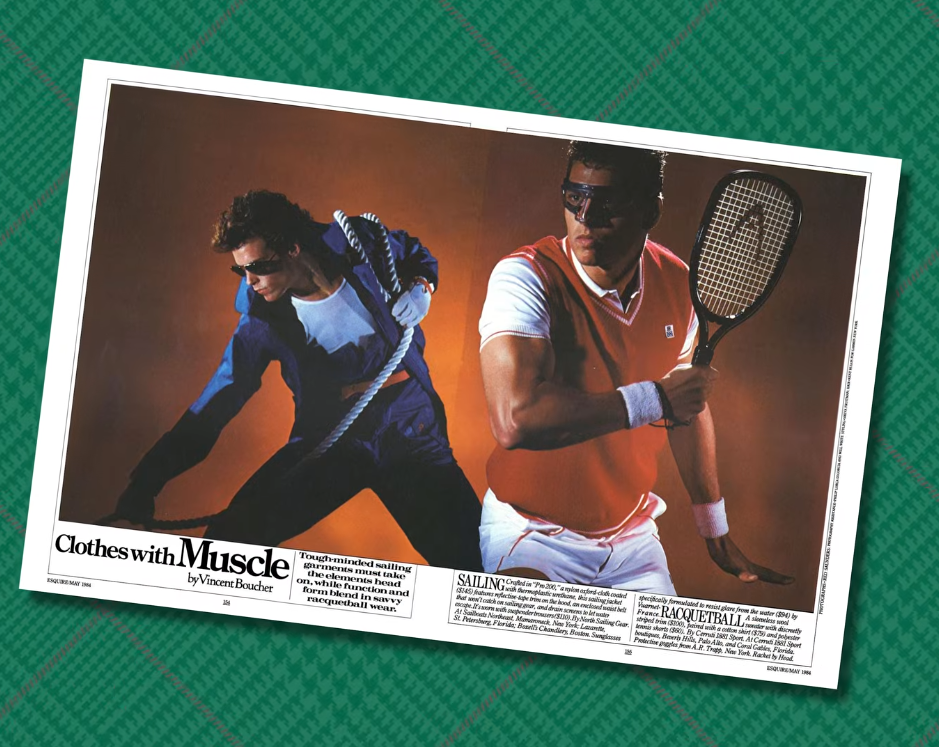
The 1970s and Beyond: The Color Revolution: The strict all-white dictate finally began to wane in the 1970s, a decade marked by cultural shifts, commercialization, and the growing influence of television. Tournament organizers, eager to attract broader audiences and capitalize on sponsorship opportunities, relaxed their dress codes. Sports brands—such as Adidas, Nike, Fila, and Jantzen—seized this opportunity, pushing players toward bolder colors, vibrant stripes, and prominent logos on the new, highly adaptable synthetic fabrics. This era ushered in an explosion of individual expression on the court, transforming players into walking billboards for their sponsors and injecting a new visual dynamism into the sport. While most tournaments embraced this colorful transformation, one major exception steadfastly held its ground: Wimbledon.
Wimbledon’s Unyielding Tradition: The Last Bastion of White
Wimbledon, the oldest and arguably most prestigious tennis tournament in the world, remains a steadfast custodian of the all-white dress code. This rule is one of the last surviving vestiges of the sport’s original class-driven etiquette, rigorously enforced to this day. The All England Lawn Tennis and Croquet Club’s official "predominantly in white" rule states that "white does not include off-white or cream" and that "any coloured trim around the neckline or cuffs must be no wider than one centimetre." This strict adherence to tradition often leads to moments of controversy, with players occasionally being asked to change garments deemed non-compliant, underscoring the Club’s unwavering commitment to its heritage.
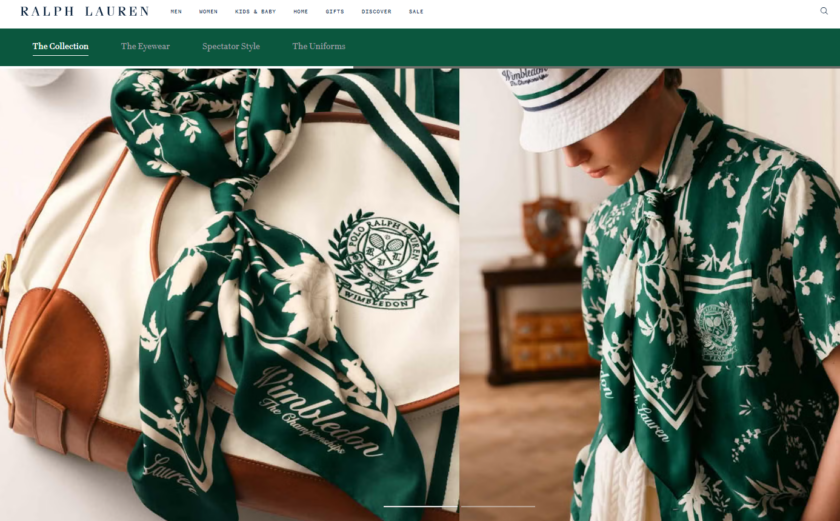
What might seem less expected, however, is the identity of the official outfitter tasked with navigating this stringent requirement. Since 2006, Ralph Lauren, an iconic American label, has held this exclusive title, now entering its third decade in the role. This partnership marks a significant historical milestone, as Ralph Lauren is the only designer in the tournament’s history to hold such a designation. The brand’s approach respectfully embraces Wimbledon’s signature colors of purple and dark green, incorporating them subtly into official uniforms and spectator collections, rather than attempting to reinvent the iconic all-white aesthetic. Ralph Lauren’s designs for Wimbledon often feature pleated trousers in lighter cottons, paired with bold striped blazers reminiscent of the earliest tennis clubwear, thereby honoring the tournament’s deep historical roots while injecting a touch of contemporary elegance. The collection extends to accessories, offering fans and participants an opportunity to partake in the traditional aesthetic while maintaining modern comfort.

The Practicality Test: History Meets Modern Reality
To truly appreciate the evolution of tennis attire, one must confront the reality of playing in period-accurate gear. A recent experiment involved playing a full tennis match in traditional tennis whites, under conditions mirroring a typical summer day: roughly 75°F (24°C) with 65% humidity. The results offered a stark illustration of the trade-offs between historical style and practical performance.

The first outfit comprised a poplin cotton shirt, tailored trousers, and a heavy wool tennis sweater—the type period players wore between matches, ostensibly for warmth or to maintain body temperature. In the summer heat, the sweater proved counterproductive, exacerbating heat retention rather than providing comfort. Sweat was visible almost immediately on the natural fibers, and the situation only worsened as the match progressed, leading to discomfort and restricted movement. The thick fabrics quickly became saturated, increasing in weight and hindering the wearer’s agility.
Swapping the poplin shirt for a pique-knit polo, a style popularized by Lacoste, offered a noticeable improvement. The slightly raised knit texture of the pique fabric allowed for better air circulation, preventing the material from clinging directly to the skin and proving more effective at disguising sweat stains than the woven cotton. While still a natural fiber, the knit construction offered a clear advantage in moisture management and comfort.
A second set was played in full wool flannel trousers and a wool sweater, paired with period-appropriate canvas court shoes. Surprisingly, this ensemble did not feel dramatically worse than the heavy cotton outfit, primarily because the initial cotton garments were already significantly challenging. However, the wool’s inherent insulation and weight, combined with its tendency to absorb and retain moisture, made for an arduous experience. The shoes, lacking modern cushioning and support, added another layer of discomfort and reduced agility.
The unequivocal verdict from this practical test was clear: while the traditional kit undeniably exuded a timeless aesthetic, its practicality for actually playing a physical sport in summer heat was severely lacking. Heavy natural fibers and full-coverage garments, though historically significant, were never designed with high-performance athleticism in mind. No amount of "it hides stains" could fully disguise the sheer volume of perspiration and the resulting discomfort.

Broader Impact and Implications: A Legacy Beyond the Court
The enduring legacy of tennis whites extends far beyond the confines of the court, influencing mainstream fashion and laying groundwork for the modern athleisure movement.
- Fashion’s Enduring Influence: The clean, crisp aesthetic of tennis whites, particularly the polo shirt and the cable-knit sweater, transcended sports attire to become staples of "preppy" and smart-casual fashion. Brands like Ralph Lauren built empires partly on romanticizing this classic, aspirational sportswear, making it accessible for everyday wear. The silhouette, the restrained elegance, and the association with refined leisure continued to resonate, influencing countless designs in menswear.
- The Athleisure Connection: While poles apart in material and immediate comfort, the historical journey of tennis whites provides context for modern athleisure. Both movements represent a blurring of lines between athletic wear and everyday fashion. However, the evolution from status-driven, impractical formality to comfort-driven, high-performance wear highlights a fundamental shift in priorities. Modern athleisure prioritizes technical fabrics, ergonomic design, and versatility, driven by consumer demand for comfort and functionality in all aspects of life.
- Material Science and Performance: The transition from natural fibers to synthetics, and then to advanced performance fabrics, underscores the profound impact of material science on sportswear. Early synthetics, despite their initial drawbacks, paved the way for moisture-wicking, breathable, and lightweight materials that are now standard in athletic apparel. This relentless pursuit of performance has transformed sports clothing from a fashion statement into a critical tool for athletic success and comfort.
The Style Verdict: A Balance of Aesthetics and Performance
Tennis whites undeniably earn their reputation for classic style. The clean silhouette, the rich history, and the quiet formality continue to project an image of elegance and refinement more than a century after their inception. However, their practical limitations, particularly the heavy natural fibers and full coverage, were never truly built for the strenuous demands of competitive sport in summer heat. A few sets on the court are more than enough to underscore this point.

The overarching lesson for contemporary dressing is not to rigidly recreate the entire historical kit, but rather to judiciously borrow its most timeless elements. A well-cut polo shirt, the perfect shade of white, or a classic tennis sweater draped casually over the shoulders can evoke the spirit of classic tennis style without sacrificing modern comfort. The heavy wool flannels and cumbersome layers, while historically fascinating, are best left to the annals of fashion history, making way for designs that elegantly bridge the gap between sartorial tradition and athletic performance.