









The polo shirt, a garment that seamlessly bridges the divide between athletic utility and sophisticated casual wear, has solidified its position as a ubiquitous warm-weather essential in men’s wardrobes globally. Despite its omnipresence, the market has become overwhelmingly saturated, with offerings ranging from venerable luxury fashion houses to mass-producing fast-fashion conglomerates. While virtually every apparel brand manufactures a polo shirt, discerning a truly superior example amidst the multitude of options presents a considerable challenge for consumers.

Recognizing this market complexity and the widespread consumer frustration with common quality issues such as persistent collar roll, the discomfort of synthetic fabric blends, and premature shrinking of hems, a comprehensive evaluation was undertaken. This rigorous study put sixteen of the world’s most prominent polo shirt brands through an ultimate series of tests designed to objectively assess their actual performance and construction quality. The findings aim to provide an invaluable guide for consumers seeking enduring style and genuine craftsmanship.
The Enduring Legacy and Evolution of the Polo Shirt

The history of the polo shirt is deeply rooted in sportswear, tracing its origins to the late 19th and early 20th centuries. Initially designed for polo players in British India, its modern iteration is largely credited to French tennis champion René Lacoste. Dissatisfied with the restrictive long-sleeved, starched tennis attire of his era, Lacoste innovated a short-sleeved, collared shirt made from a loosely knit cotton piqué fabric that offered superior breathability and freedom of movement. This revolutionary design, introduced in 1926 and commercially available by 1933, quickly became a staple on tennis courts worldwide. Its distinctive crocodile logo, a nod to Lacoste’s nickname, further cemented its iconic status.
By the mid-20th century, the polo shirt transcended its athletic origins, popularized further by brands like Ralph Lauren, which launched its "Polo" label in 1967. Lauren successfully repositioned the garment as a symbol of aspirational American preppy style, extending its appeal from sports fields to country clubs, casual offices, and everyday wear. This historical trajectory illustrates the garment’s successful evolution from a specialized sports uniform to a universal menswear icon, underpinning its current market dominance.
The Modern Market Landscape: A Global Phenomenon
Today, the global market for polo shirts is vast and diverse, characterized by robust growth projections. Industry reports indicate that the casual wear segment, of which polo shirts are a significant component, continues to expand, driven by evolving workplace dress codes, increased leisure time, and a persistent demand for comfortable yet presentable attire. Data from market analysis firms project the global apparel market to reach substantial valuations, with casual wear representing a significant portion. Within this, the polo shirt segment thrives, reflecting its versatility and cross-demographic appeal.

The market is fragmented, comprising high-end luxury brands like Loro Piana and Zegna, offering meticulously crafted shirts from premium materials at significant price points; established mid-range brands such as Ralph Lauren, Lacoste, and Fred Perry, which command strong brand loyalty; and a burgeoning segment of direct-to-consumer (DTC) brands alongside fast-fashion retailers, which prioritize affordability and rapid trend cycles. This saturation, while offering choice, simultaneously creates a labyrinth for consumers attempting to differentiate genuine quality from superficial branding.
The 5 Core Criteria for Evaluating the Perfect Polo Shirt
To navigate this complex market and provide an objective assessment, the evaluation employed five core pillars, designed to meticulously separate truly exceptional garments from those that are merely forgettable. These criteria serve as a robust framework for understanding what constitutes a high-quality polo shirt.
1. Fabric Quality & Performance
The foundational element of any superior polo shirt is its fabric. Given its primary role as a warm-weather garment, the material’s ability to perform under pressure – specifically in hot and humid conditions – is paramount. The evaluation meticulously analyzed several key aspects:
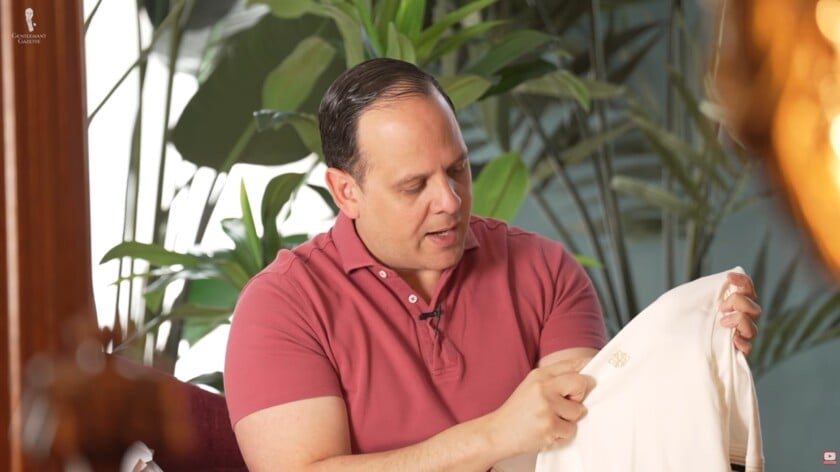
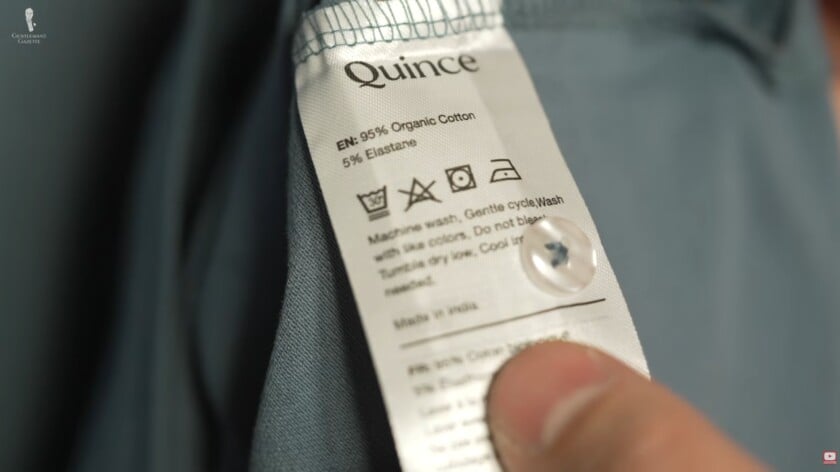
- Material Composition: A strong preference was noted for 100% natural fibers, particularly long-staple cotton piqué. Experts, including the lead evaluator Raphael H. H. von Förster, consistently advocate for high-quality cotton over synthetic blends. While synthetic fabrics like polyester, nylon, and spandex are often marketed for their "moisture-wicking" or "performance" attributes, Mr. von Förster highlights that they frequently trap heat against the skin, creating an uncomfortable "plastic bag" sensation in summer. Furthermore, synthetics are prone to retaining chemical odors and can feel clammy when wet. In contrast, high-quality 100% long-staple cotton offers a natural, open mesh structure that breathes infinitely better, facilitating superior air circulation and natural moisture evaporation.
- Knit Density and Hand Feel: The density and consistency of the piqué knit were scrutinized. A denser, tighter knit often indicates greater durability and shape retention, while still maintaining breathability. The "hand feel"—how the fabric feels to the touch—was also critical, with softer, smoother textures often correlating with higher-grade cotton fibers and refined finishing processes.
- Durability and Shrinkage Resistance: Fabrics were assessed for their inherent strength and resistance to pilling, fading, and distortion after washing. Pre-shrunk cotton or cotton blends with excellent dimensional stability were favored, addressing the common consumer complaint of shrinking hems.
2. Fit & Silhouette
Even the most exquisite fabric can be undermined by poor fit and an ill-conceived silhouette. The evaluation emphasized that a polo shirt must offer a balanced and flattering drape, regardless of the wearer’s body type. Key considerations included:
- Proportionality: The overall balance of the shirt, including sleeve length, body length, and shoulder width, was critical. Sleeves should ideally hit mid-bicep for a classic look, and the body should be long enough to stay tucked in if desired, but not excessively so for untucked wear.
- Chest and Waist Taper: A good polo should offer a gentle taper from the chest to the waist, providing a clean, modern silhouette without being overly constrictive or resembling a "baggy potato sack." The fit should allow for comfortable movement without excess fabric.
- Sizing Accuracy: A significant factor in the value rating was the accuracy of online size guides. Raphael H. H. von Förster underscored that sizing varies wildly across brands, making reliable charts indispensable. A high-quality shirt loses immense value if a customer, despite using the brand’s proprietary online sizing calculator, receives a garment that fits poorly. Accurate sizing charts are crucial for building consumer trust and minimizing returns.
3. Construction & Tailoring Workmanship
True luxury and longevity in a garment are often revealed in the meticulous details of its construction. The evaluation paid close attention to how each polo shirt was physically assembled, distinguishing between mass-produced expediency and artisanal quality.
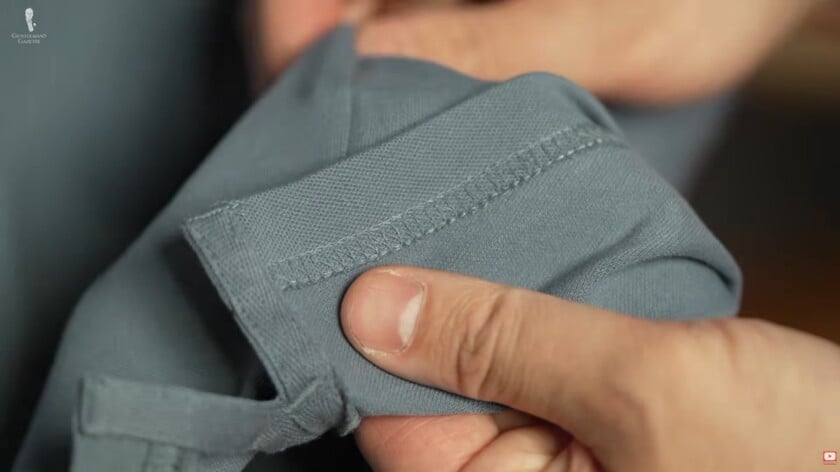
- Stitching Quality: Indicators of superior workmanship included even, consistent stitching, high stitch density (more stitches per inch for greater durability), and neat, secure thread ends. Reinforced stitching at critical stress points, such as the placket, side vents, and armholes, was highly valued for enhancing the garment’s lifespan.
- Seam Finishes: Cleanly finished seams, such as flat-felled or overlocked seams that prevent fraying and add strength, were a hallmark of quality.
- Collar Construction: A critical point of differentiation was the collar. Raphael H. H. von Förster strongly prefers a "shirt collar" over the standard "ribbed collar." Standard ribbed collars, made from stretchy knit elastic, are prone to losing elasticity over time due to sweat, washing, and heat, leading to the dreaded "collar curl." A shirt collar, constructed from the same fabric as the main body (or a matching woven fabric) and reinforced with an inner lining, maintains its flat, crisp, and structured appearance, much like a dress shirt collar. This feature significantly enhances the shirt’s refined aesthetic and longevity.
- Placket Construction: The placket, where the buttons are attached, was also examined. A well-constructed placket should be symmetrical, lie flat, and show no signs of puckering or stretching, indicating careful assembly and often, the use of a fused interlining for stability.
4. Hardware, Hardware Attachments, & Aesthetics
The small, often overlooked accents on a polo shirt can dramatically elevate its perceived quality, transforming it from a mere commodity into a piece of refined menswear.
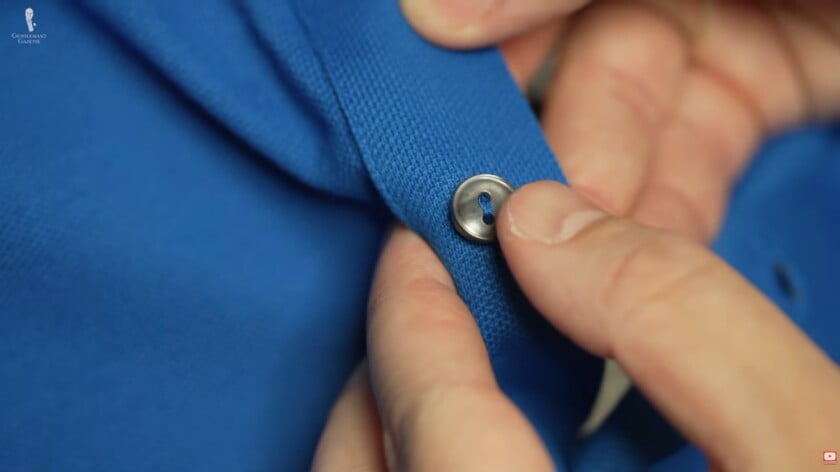
- Button Material: The evaluation prioritized natural, premium button materials. Mother-of-Pearl (Nacre) buttons, sourced from mollusk shells, are prized for their iridescent sheen, strength, and natural variations, signifying a high-end garment. Corozo buttons, derived from the seeds of the Tagua palm tree, offer a similar natural aesthetic, durability, and a unique grain, often considered a sustainable alternative to plastic. The use of plastic buttons, while common, was generally indicative of lower quality.
- Button Attachment (Shank): The presence of a "thread shank" was a significant quality indicator. A thread shank is a small stem of tightly wrapped thread created underneath the button during the sewing process. This elevates the button slightly off the fabric, providing crucial space for the overlapping placket layer to sit flat underneath it. As Raphael H. H. von Förster noted, without a shank, buttons sewn flush to the fabric can cause the material to bunch, pull tightly, or make the shirt difficult to button up comfortably.
- Overall Aesthetics and Branding: The visual balance, color fastness, and the subtlety or prominence of branding were considered. High-quality garments often feature refined, understated branding, allowing the inherent quality of the shirt to speak for itself.
5. Transparency & Country of Origin
In an increasingly conscious consumer market, the transparency of a brand’s manufacturing processes and its country of origin play a crucial role in assessing overall value and ethical standing.
- Ethical Sourcing and Labor Practices: While difficult to verify directly in every instance, brands that openly communicate their commitment to ethical sourcing of materials and fair labor practices in their manufacturing facilities were viewed more favorably. This reflects a growing consumer demand for responsible production.
- Environmental Impact: Brands demonstrating efforts towards sustainable manufacturing, such as using organic cotton, minimizing water waste, or employing eco-friendly dyes, were also considered. The lifecycle impact of the garment, from raw material to disposal, is becoming an increasingly important metric.
- "Made In" Label Significance: The "Made In" label, while not an absolute guarantee of quality, often provides insight into manufacturing standards and cost structures. Certain countries are renowned for specific textile expertise, and transparency regarding where the garment was produced contributes to consumer trust and informs perceptions of craftsmanship.
Methodology and Final Score Calculation
The evaluation process for the sixteen prominent polo brands was meticulous, involving hands-on inspection, wear tests, and detailed analysis against the five core criteria. Each aspect within these pillars was weighted according to its impact on the garment’s overall quality, durability, and aesthetic appeal. For instance, fabric quality and construction workmanship received substantial weighting, reflecting their fundamental importance to a polo shirt’s performance and longevity. Fit, hardware, and transparency also contributed significantly to the final assessment.

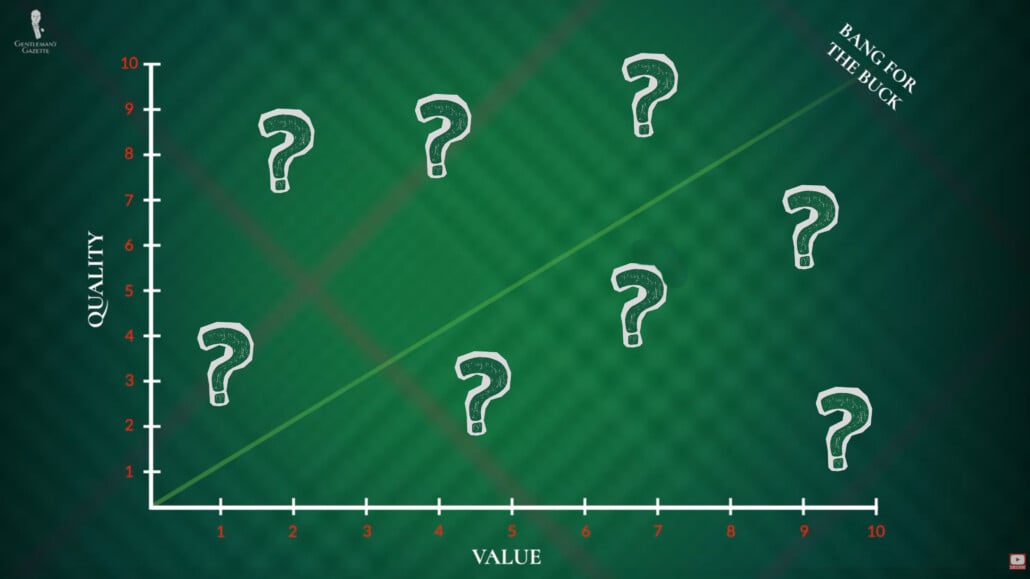
The comprehensive scores were calculated based on a proprietary rubric, comparing the assessed quality to the garment’s price point, ultimately determining its overall value proposition. This approach ensures that the final rankings are not solely based on absolute quality but also on whether that quality is commensurate with its cost, offering a holistic view for the discerning consumer. The full findings, including specific brand rankings and detailed scores, are presented in a comprehensive video report accompanying this assessment.
Broader Implications and Consumer Guidance

This in-depth evaluation carries significant implications for both consumers and the apparel industry. For consumers, it serves as a critical guide in a market often obscured by marketing hype. It empowers individuals to make informed purchasing decisions that prioritize lasting quality over fleeting trends, thereby reducing the environmental footprint associated with fast fashion and disposable garments. Investing in a "truly good" polo shirt, as highlighted by this study, translates into a garment that retains its appearance, comfort, and structural integrity through numerous wears and washes, offering superior cost-per-wear value.
For the industry, the study underscores the enduring demand for craftsmanship, natural materials, and transparent manufacturing. It implicitly challenges brands to elevate their standards, particularly in areas like fabric selection, collar construction, and sizing accuracy. As consumer awareness regarding sustainability and ethical production grows, brands that can genuinely demonstrate superiority across these critical criteria are poised for long-term success. The insights from this assessment contribute to an ongoing dialogue about what truly defines quality in menswear, urging a shift towards more thoughtful consumption and production practices in the global apparel landscape. The ultimate aim is to equip consumers with the knowledge to identify a polo shirt that is not just a seasonal purchase, but a lasting investment in their wardrobe.