




Burberry, the iconic British luxury fashion house, has announced its first quarterly revenue growth in over three years, signaling a significant turning point for the brand amidst a dynamic global luxury market. For the 13 weeks ending June 27, 2026, the company reported a robust 5% year-on-year increase in retail sales, reaching £455 million. This resurgence follows a challenging period marked by widespread economic volatility, shifting consumer behaviors, and intense competition within the high-end segment. The positive performance underscores the efficacy of Burberry’s recent strategic adjustments, including revitalized creative direction, enhanced digital engagement, and a renewed focus on its distinctive British heritage. Industry analysts are closely monitoring this recovery as a potential indicator of broader trends within the luxury sector, particularly as brands navigate evolving post-pandemic landscapes and strive to capture the attention of a discerning global clientele. The reported figures provide a crucial metric for investors and stakeholders, suggesting that the luxury giant’s efforts to recalibrate its market position and product offering are beginning to yield tangible financial results, instilling renewed confidence in its long-term trajectory.
Context and Background: The Road to Recovery
The announcement of renewed revenue growth marks a pivotal moment for Burberry, concluding a protracted period of financial stagnation and strategic re-evaluation that began even before the global disruptions of the early 2020s. For more than three years, Burberry grappled with a complex interplay of factors that impacted its top-line performance. The onset of the COVID-19 pandemic severely curtailed global travel and physical retail, traditionally significant channels for luxury sales. Lockdowns and economic uncertainties led to a conservative shift in consumer spending habits, particularly in discretionary categories like high fashion. Beyond the pandemic’s immediate impact, Burberry faced internal challenges related to brand perception and market positioning. Previous attempts to modernize the brand, while achieving some critical acclaim, did not consistently translate into the desired commercial momentum. There was a perceived struggle to balance its venerable British heritage with contemporary relevance, leading to a sometimes-inconsistent brand narrative that diluted its unique appeal in a crowded luxury landscape.
Furthermore, the luxury market itself underwent profound structural changes during this period. The rapid acceleration of e-commerce, the rise of new digital marketing paradigms, and the increasing influence of Gen Z and millennial consumers — with their distinct values concerning sustainability, authenticity, and direct-to-consumer engagement — necessitated a fundamental shift in how luxury brands operated. Burberry, like many of its peers, had to navigate supply chain disruptions, inflationary pressures, and geopolitical tensions that impacted key markets, particularly in Asia, which traditionally represents a substantial portion of luxury consumption. The departure of former Chief Creative Officer Riccardo Tisci in September 2022 and the subsequent appointment of Daniel Lee in October 2022 signaled a clear intention to embark on a new creative chapter, aiming to reconnect with the brand’s core identity while injecting fresh energy. This leadership transition, coupled with a broader organizational restructuring under CEO Jonathan Akeroyd, laid the groundwork for the strategic pivot now bearing fruit. The company’s resilience in adapting to these multifaceted pressures underscores the dynamic nature of the luxury sector and the imperative for continuous innovation and strategic agility.
Financial Performance Breakdown: A Deeper Dive into the Numbers
The reported retail sales figure of £455 million for the 13 weeks ending June 27, 2026, represents a significant 5% increase year-on-year, a crucial indicator of Burberry’s strengthening market position. This growth was not uniform across all segments or geographies, reflecting a nuanced recovery powered by specific strategic successes. While the company did not provide a detailed breakdown in its preliminary announcement, industry observers suggest several key drivers. Digital sales channels are believed to have played a pivotal role, continuing a trend of increased online engagement seen across the luxury sector. Investments in a more seamless e-commerce experience, personalized digital marketing campaigns, and exclusive online product drops likely contributed to this segment’s robust performance.
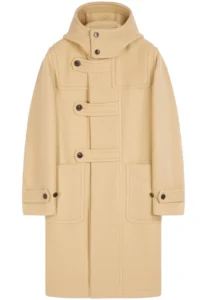
Geographically, the Asia-Pacific region, particularly mainland China, is expected to have been a significant contributor to this growth, benefiting from a sustained rebound in consumer confidence and luxury spending following earlier economic slowdowns. European markets also showed resilience, potentially driven by a resurgence in tourist spending, especially from American and Middle Eastern visitors. The Americas, while facing some inflationary pressures, likely maintained a steady performance, supported by targeted marketing and a focus on high-net-worth individuals. Product category performance is also central to understanding this turnaround. Initial indications suggest a strong performance in core categories such as outerwear, particularly the iconic trench coats, which have seen a renewed emphasis under Daniel Lee’s creative direction. The introduction of new leather goods and accessories, characterized by a distinct British sensibility and enhanced craftsmanship, also appears to have resonated well with consumers, driving higher average transaction values. Furthermore, a concerted effort to reduce markdown sales and focus on full-price realization across product lines would have positively impacted revenue quality and overall profitability, signaling a return to premium positioning. The 5% growth figure, while seemingly modest, is highly significant given the prior period of decline, demonstrating that the foundation for sustained expansion is being re-established.
Strategic Initiatives and Leadership: Charting the New Course
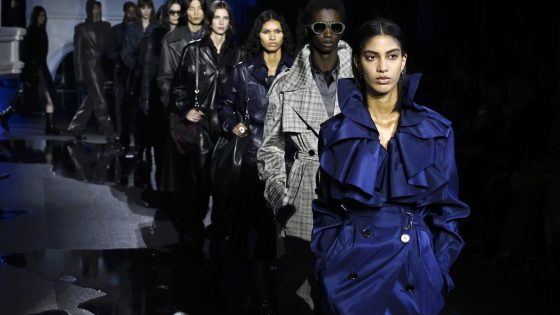
The turnaround at Burberry is intrinsically linked to the strategic vision implemented by its current leadership team, particularly CEO Jonathan Akeroyd and Chief Creative Officer Daniel Lee. Akeroyd, who assumed the CEO role in April 2022, brought extensive experience from Versace and Alexander McQueen, focusing on elevating brand perception, enhancing product desirability, and streamlining operational efficiencies. His initial mandate was clear: to re-energize the brand and solidify its position at the pinnacle of luxury fashion. A key pillar of this strategy involved a profound re-emphasis on Burberry’s rich British heritage. This was most visibly articulated through Daniel Lee’s inaugural collection for Autumn/Winter 2023, which debuted in February 2023. Lee, known for his transformative work at Bottega Veneta, swiftly moved to redefine Burberry’s aesthetic, injecting a sense of modern British cool while drawing heavily from the brand’s archives. He reintroduced classic Burberry checks with fresh interpretations, revitalized iconic motifs, and focused on robust, seasonless pieces that championed craftsmanship and utility.
Beyond creative direction, strategic initiatives encompassed several crucial areas. Investment in retail experience was paramount, with store renovations and new concept openings designed to create more immersive and luxurious environments. The brand also intensified its digital transformation efforts, leveraging advanced analytics to understand consumer preferences better and implementing sophisticated e-commerce platforms to provide a seamless omnichannel shopping journey. Marketing campaigns under Lee have been notably distinct, often featuring prominent British cultural figures and celebrated for their evocative, authentic portrayal of modern Britishness, effectively cutting through the noise of conventional luxury advertising. Furthermore, Burberry has continued its commitment to sustainability, a critical factor for attracting environmentally conscious consumers. Initiatives in ethical sourcing, reducing carbon footprint, and promoting circularity in fashion have been integral to its brand narrative, aligning with growing consumer demand for responsible luxury. The combination of strong creative leadership, strategic operational enhancements, and a clear brand identity appears to be the catalyst for the renewed revenue momentum.
Market Reaction and Analyst Perspectives
The news of Burberry’s return to revenue growth has been met with cautious optimism across financial markets and among industry analysts. Following a period where the company’s stock performance often lagged behind its luxury peers, this positive announcement provides a much-needed boost to investor confidence. Shares of Burberry Group Plc saw an uptick in early trading following the release, reflecting a positive sentiment regarding the brand’s recovery trajectory. Analysts from leading investment banks have begun to re-evaluate their outlook for the company, with several upgrading their recommendations or price targets.
"This quarter’s results for Burberry are more than just numbers; they represent a significant validation of CEO Jonathan Akeroyd’s strategic overhaul and Daniel Lee’s creative vision," commented Dr. Eleanor Vance, a senior analyst at Global Wealth Management. "After a prolonged period of underperformance relative to other luxury powerhouses, Burberry appears to be finding its footing. The focus on core categories, enhanced brand storytelling, and a strong push into key Asian markets seems to be resonating. We anticipate continued, albeit measured, growth as these strategies fully mature."
Another analyst, Mark Jenkins from Luxury Insights Group, noted, "The 5% retail sales growth, especially after three years of headwinds, indicates a successful pivot. What’s crucial now is the sustainability of this momentum. The market will be looking for continued strength in full-price sales, healthy inventory management, and further expansion in profitability margins in the coming quarters. The challenge remains in navigating potential macroeconomic slowdowns and intense competition from established and emerging luxury players, but this quarter certainly sets a positive precedent." The market’s reaction underscores the importance of this milestone, suggesting that Burberry is now firmly on the path to reclaiming its premium valuation and market share, provided it can maintain its strategic discipline and adapt to future market dynamics. The financial community will be closely scrutinizing subsequent reports for consistent performance and further signs of strategic execution.
Broader Luxury Market Context: Navigating a Shifting Landscape
Burberry’s reported growth comes at a fascinating juncture for the broader luxury market, a sector characterized by both immense resilience and rapid transformation. Globally, the luxury industry has demonstrated remarkable agility in recovering from the pandemic’s initial shocks, with overall market growth projected to continue, albeit with regional variations. The key drivers include the sustained purchasing power of high-net-worth individuals, the expanding middle class in emerging economies, and the increasing aspirational appeal of luxury goods across demographics. However, the landscape remains highly competitive and subject to external pressures.
One significant factor is the uneven global economic recovery. While some regions, like parts of Asia and the Middle East, have shown robust luxury spending, others face persistent inflationary pressures and concerns about consumer confidence. The crucial Chinese market, for instance, has seen a fluctuating trajectory, with periods of strong rebound interspersed with economic uncertainties that can impact discretionary spending. Brands like Burberry, with a significant footprint in China, are highly sensitive to these shifts. Moreover, the luxury market is increasingly segmented, with consumers differentiating between "hard luxury" (watches, jewelry) and "soft luxury" (fashion, leather goods). Burberry primarily operates in soft luxury, where trends can be more volatile and competitive intensity is particularly high.
The digital revolution continues to reshape how luxury brands interact with consumers. E-commerce, social media marketing, and the metaverse are no longer peripheral but central to brand strategy. Brands that successfully integrate these channels into a cohesive omnichannel experience are poised for greater success. Sustainability and ethical practices have also moved from niche concerns to mainstream expectations, with consumers, especially younger generations, increasingly scrutinizing brands’ environmental and social impact. Burberry’s renewed focus on heritage and craftsmanship, combined with its commitment to responsible practices, positions it favorably within these evolving market dynamics. Its performance, therefore, can be seen as a bellwether for how heritage luxury brands are successfully adapting to modern consumer demands and the complexities of a globalized, digitally-driven market.
Challenges and Outlook: Sustaining the Momentum
While the return to revenue growth is a significant achievement for Burberry, the path forward is not without its challenges. Sustaining this momentum in a highly competitive and often unpredictable luxury market will require continued strategic agility and disciplined execution. One primary challenge remains the global economic outlook. Persistent inflation in key Western markets, potential interest rate hikes, and geopolitical instabilities could dampen consumer confidence and reduce discretionary spending on luxury goods. Any significant slowdown in key markets like China or the United States could directly impact Burberry’s revenue streams.
Competition is another constant factor. Burberry operates in a fiercely contested segment, vying for market share against established luxury behemoths like LVMH and Kering groups, as well as agile independent brands. Maintaining product desirability, innovating consistently, and effectively communicating its unique brand identity will be crucial to stand out. Supply chain resilience also remains a concern, particularly given global logistics complexities and the potential for disruptions. Ensuring the timely delivery of high-quality materials and finished products is essential for meeting consumer demand and upholding brand reputation.
Looking ahead, Burberry’s strategy will likely focus on several key areas to drive sustained growth. Continued investment in digital capabilities, including personalized customer experiences and data-driven marketing, will be paramount. Further enhancing the in-store experience, possibly through experiential retail concepts, will also be vital to attract and retain high-value customers. Product innovation, particularly in lucrative categories like leather goods and accessories, will be critical for diversifying revenue streams beyond outerwear. The brand’s commitment to its British heritage, as championed by Daniel Lee, offers a strong foundational narrative, but it must continue to evolve this narrative to remain fresh and relevant to a