










The fashion industry stands at a critical juncture, grappling with the profound environmental and ethical implications of its material choices. For decades, traditional animal-derived materials like leather, wool, and down have been staples, often perceived as "natural" and luxurious. However, mounting evidence reveals their significant contribution to climate change, biodiversity loss, and animal suffering. Simultaneously, the proliferation of synthetic alternatives, while seemingly sidestepping animal welfare concerns, introduces a new set of environmental challenges, primarily stemming from their petroleum-based origins and pervasive microplastic pollution. This dual dilemma compels a deeper exploration into truly sustainable, plastic-free, and animal-free material innovations that can steer the industry towards a more responsible future.
The True Cost of Animal-Derived Materials
The widespread belief that "natural" materials inherently equate to environmental harmlessness is a significant misconception, particularly when applied to animal-derived products. Polling in both the United States and Australia indicates a strong consumer bias towards this belief, which often masks the complex and damaging realities of their production.
- Environmental Footprint:
- Greenhouse Gas Emissions: Livestock, primarily cows and sheep raised for leather and wool, are major contributors to potent methane emissions. Methane is a greenhouse gas significantly more potent than carbon dioxide over a 20-year period, contributing substantially to global warming. A single cow can produce 70-120 kg of methane annually, and with billions of livestock globally, this accumulates rapidly.
- Land Use and Biodiversity Loss: Raising animals for fashion, whether directly or through the cultivation of feed crops like soy, demands vast tracts of land. Studies by Our World in Data illustrate that animal agriculture requires considerably more land than would be needed to grow plants for direct human consumption and material use. This extensive land conversion leads to deforestation, habitat destruction, and a precipitous decline in biodiversity. For instance, the expansion of cattle ranching for leather is a primary driver of Amazon deforestation.
- Water Pollution and Consumption: The processing of animal-derived materials is often highly water-intensive and polluting. The tanning of leather, for example, typically involves chromium and formaldehyde, resulting in significant wastewater contamination that can harm ecosystems and human health. This processing also renders leather largely non-biodegradable. Similarly, wool scouring, a process to clean raw wool, consumes massive amounts of water and often discharges untreated effluent laden with grease, dirt, and chemicals. Factory farming of ducks and geese for down, while often associated with water-intensive feed production, also leads to phosphorus emissions from waste, which can cause eutrophication in aquatic ecosystems, devastating local biodiversity.
- Ethical Imperatives:
- Beyond environmental concerns, the ethical dimension of using animal-derived materials is increasingly scrutinised. Scientific research continues to reveal the complex cognitive and emotional lives of animals. Cows exhibit excitement when learning new tasks, sheep demonstrate the ability to recognise emotions in their peers, and young ducklings display abstract thought. These findings underscore that animals are sentient beings capable of feeling pain, fear, and joy, and possess a desire to avoid suffering.
- The commodification of animals for fashion transforms these sentient individuals into mere objects, often subjected to cruel practices inherent in industrial farming systems. From the conditions in which they are raised to their ultimate slaughter, the production of animal-derived materials often involves practices that disregard animal welfare, compelling many consumers and brands to seek alternatives that do not rely on animal exploitation.
The Unintended Consequences of Synthetic Replacements
As awareness of the impacts of animal agriculture grew, the fashion industry increasingly turned to synthetic materials as alternatives. Polyester, acrylic, PVC, and polyurethane-based "vegan leathers" surged in popularity, offering durability, versatility, and often lower costs. However, this shift, while addressing some ethical concerns, inadvertently created new and equally pressing environmental problems.
- Fossil Fuel Dependence: The vast majority of synthetic materials are derived from petrochemicals, meaning their production is intrinsically linked to the extraction and processing of fossil fuels. This reliance directly contradicts global efforts to decarbonise economies and transition to renewable energy sources. The continued demand for synthetics perpetuates the fossil fuel industry, exacerbating climate change through both extraction and manufacturing emissions. Textile Exchange reports indicate that the manufacturing of polyester, the world’s most used fibre, is projected to grow from 71 million tonnes in 2023 to 78 million tonnes in 2024, highlighting an increasing dependence on these non-renewable resources.
- The Microplastic Menace: One of the most critical environmental drawbacks of synthetic fibres is their contribution to microplastic pollution. When garments made from materials like acrylic or polyester are washed, they shed microscopic plastic fibres that are too small to be filtered by most wastewater treatment plants. These microfibres then enter waterways, eventually accumulating in oceans, lakes, and even terrestrial environments. Once in the environment, microplastics are ingested by marine life and enter the food chain, with potential implications for ecosystem health and human well-being. Unlike natural fibres, synthetic microfibres do not biodegrade, persisting in the environment for hundreds of years. Even natural fibres that have been heavily processed or dyed with non-biodegradable substances can contribute to this problem, underscoring the complexity of material sustainability.
Beyond the False Dichotomy: A New Era of Materials
The prevailing debate often frames material choices as a false dichotomy: animal products versus synthetics. However, the fashion industry is demonstrating that it can, and must, move beyond these limited options. While extending the lifespan of existing garments through careful wear, repair, and purchasing pre-loved items remains the most sustainable choice, innovative material science is opening up exciting new avenues for responsible new production. This new era focuses on materials that are not only animal-free but also free from virgin plastics, embodying principles of circularity, biodegradability, and minimal environmental impact.
Innovations in Leather Alternatives
The demand for leather alternatives that do not rely on animal hides or fossil fuels has spurred significant innovation. Here are some leading examples:
- MIRUM: Developed by Natural Fiber Welding (NFW), MIRUM represents a significant leap forward in plastic-free leather alternatives. This material is crafted entirely from natural inputs such as rice hulls, coconut husks, charcoal, clay, natural latex rubber, and plant-based oils and waxes. Its bio-based content and fully circular potential are key differentiators. An early life cycle assessment (LCA) indicates that MIRUM boasts a significantly smaller climate impact compared to both traditional animal leather and conventional synthetic leathers. Crucially, MIRUM is designed for circularity; at its end-of-life, it can be recycled back into new MIRUM material or, if that infrastructure is unavailable, it is engineered to biodegrade, returning its organic components to the earth. This material began gaining commercial traction in the early 2020s, with brands exploring its application in footwear and accessories.
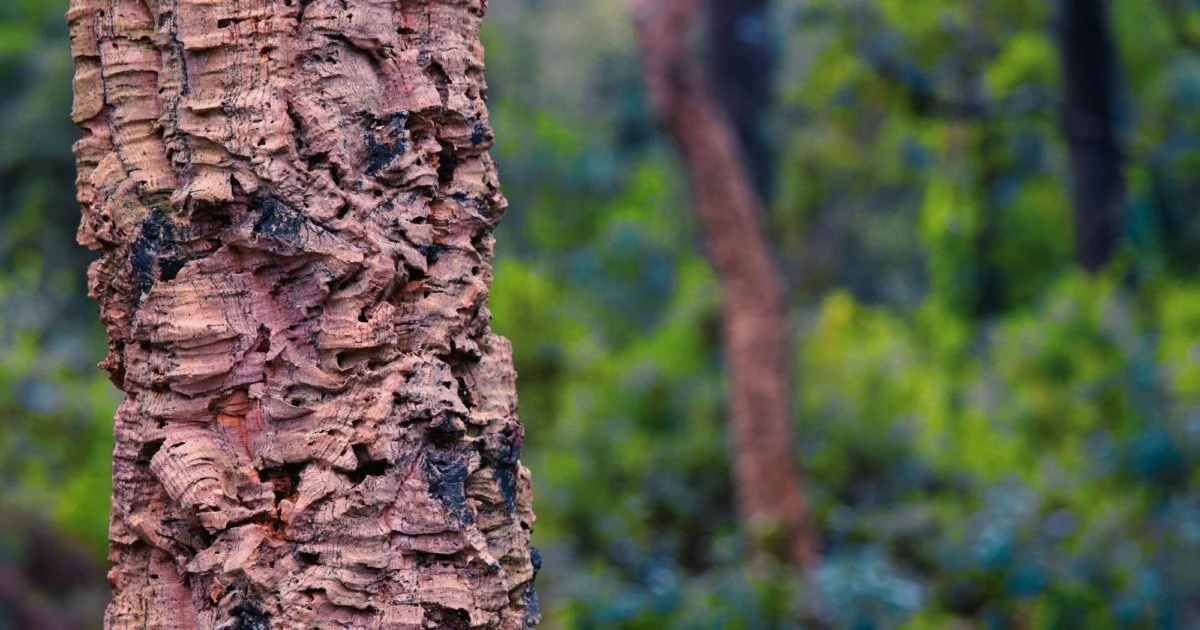
- Cork: Not all sustainable innovations require cutting-edge technology; sometimes, the answers lie in nature’s existing solutions. Cork, harvested from the bark of the Quercus suber (cork oak) tree, is a remarkable material. The process of stripping the outer bark every 9-12 years does not harm the tree; in fact, it stimulates the tree to absorb and store more carbon dioxide from the atmosphere, actively contributing to climate mitigation. Cork is naturally water-resistant, durable, and lightweight. When backed onto a natural textile like organic cotton, it can be dyed, embossed, and cut to create a versatile leather alternative suitable for bags, wallets, and even clothing accents. Consumers should exercise diligence, however, as some cork products may still incorporate plastic coatings for added durability or specific finishes, necessitating verification with brands about their material composition.
- Washable Paper & Treekind: Derived from sustainably sourced wood pulp, washable paper offers another compelling alternative. When procured with certifications that guarantee no old-growth or native forest logging (e.g., FSC certification), it represents an efficient use of fast-growing tree plantations on relatively small land footprints. This material is surprisingly durable, water-resistant, and tear-resistant, offering a unique aesthetic. Start-ups are further refining this concept. Biophilica, for instance, has developed Treekind, a wood-based material made exclusively from discarded and already dead wood. Treekind exemplifies a truly circular approach, as it is compostable at its end-of-life, ensuring its return to natural cycles without generating waste. The development of such wood-based alternatives highlights a growing trend towards utilising forestry by-products and waste streams.
Warmth Without Wool: Sustainable Knitwear Solutions
The perception that warmth equates to wool is deeply ingrained, yet fashion academic Dr. Rebecca Van Amber points out that the insulating properties of a garment often depend more on its thickness and tight knit structure, which prevents wind and cold penetration, rather than the specific fibre type. A range of plastic-free and wool-free materials can provide comparable warmth and comfort for winter wear.
- TENCEL Lyocell: A flagship material in sustainable textiles, TENCEL Lyocell is made from wood cellulose, typically derived from responsibly grown and harvested eucalyptus trees. What sets TENCEL apart from other cellulosic fibres is its innovative closed-loop production process. Solvents used in the spinning process are recovered and reused at a reported rate of over 99%, significantly reducing water pollution and chemical waste. TENCEL Lyocell offers excellent thermo-regulation and moisture-wicking properties, akin to wool, making it ideal for activewear and comfortable knitwear. Furthermore, it boasts a significantly smaller land footprint compared to wool, thereby helping to protect biodiversity, and its production is free from the methane emissions associated with sheep farming.
- Hemp: A historical textile with a resurgence in modern fashion, hemp is celebrated for its remarkable sustainability profile. When grown organically, hemp requires minimal water and land compared to many other crops, and it thrives without the need for pesticides or herbicides, often improving soil health. Hemp fibres are exceptionally strong and durable, becoming progressively softer with each wash. When blended with responsibly-sourced cotton, hemp can create fabrics that are luxuriously soft and insulating, providing a wool-like feel without the associated environmental or ethical concerns. Its rapid growth cycle and versatility make it a cornerstone of regenerative agriculture in textiles.
- Organic and Recycled Cotton: Cotton, a ubiquitous fibre, has a complex sustainability profile. However, responsibly sourced variations offer compelling plastic-free alternatives. This category includes certified organic cotton (grown without synthetic pesticides, herbicides, or GMOs), Fairtrade cotton (ensuring fair wages and working conditions for farmers), and cotton grown with holistic management practices such as rain-fed cultivation and soil regeneration techniques. While conventional cotton can be water-intensive, these more responsible versions mitigate many of those impacts. Recycled cotton, derived from post-industrial or post-consumer waste, further reduces the demand for virgin resources and diverts textile waste from landfills. When appropriately knit, thick organic or recycled cotton fabrics can offer substantial warmth and comfort, proving that this familiar plant can be a sustainable choice. Brands like Patagonia and Nudie Jeans have been pioneers in advocating for and using organic and recycled cotton extensively since the early 2000s.
Feather-Free Fillings: Down Alternatives Reimagined
Avoiding live-plucking, feathers from slaughtered birds, and synthetic plastic fillings presents a significant challenge for insulated outerwear. While some companies offer commercially biodegradable synthetics or fully recycled polyester options, the frontier of innovation lies in plant-based fillings.
- FLWRDWN (Flower Down): Developed by the materials science company PANGAIA, FLWRDWN represents a groundbreaking approach to insulation. This innovative filling is crafted from wildflowers, which are processed into a bio-polymer and combined with an aerogel predominantly derived from recycled paper. The result is a lightweight, insulating, and water-repellent material that offers a sustainable alternative to traditional down and synthetic fills. A life cycle assessment commissioned by PANGAIA indicated reduced global warming potential and lower energy demand in the manufacturing of FLWRDWN compared to conventional synthetic jacket fillings. While it does incorporate a bio-polymer (a plant-based plastic), its biodegradability at end-of-life significantly reduces its environmental footprint compared to petroleum-based plastics. PANGAIA introduced FLWRDWN in their puffer jackets and vests in 2019, marking a significant commercial milestone for plant-based insulation.
- Kapok: Although not yet as widely adopted as some other alternatives, kapok is a natural fluffy fibre derived from the seed pods of the kapok tree (Ceiba pentandra). This lightweight, buoyant, and insulating fibre is biodegradable and compostable, making it an excellent health- and planet-friendly alternative to feathers in products like pillows and, increasingly, apparel. Kapok trees grow naturally in tropical rainforests and produce the fibres without the need for cultivation, pesticides, or irrigation, making it a highly sustainable resource when harvested responsibly. Brands such as Kapok Knot are beginning to integrate this fibre into their product lines, signaling its potential as a future staple in sustainable insulation.
The Path Forward: Industry Shifts and Consumer Power
The shift towards plastic-free, animal-free materials is not merely a trend but a fundamental recalibration of the fashion industry’s values and practices. This transition is being driven by a confluence of factors: increasing consumer awareness and demand for ethical and sustainable products, stringent environmental regulations in some regions, and proactive research and development by material scientists and innovative brands.
Industry bodies like Textile Exchange and the Sustainable Apparel Coalition are playing crucial roles in standardising metrics, fostering collaboration, and promoting best practices for material sourcing and production. Their reports and initiatives provide critical data and frameworks for brands committed to sustainability. Investment in biomaterial research is also accelerating, with venture capital flowing into start-ups that promise scalable, eco-friendly solutions.
Ultimately, consumer choices hold immense power. By actively seeking out brands that prioritise these innovative materials, asking critical questions about material composition, and supporting businesses committed to transparency and genuine sustainability, consumers can accelerate the industry’s transformation. The era of false dichotomies is fading, giving way to a more holistic understanding of fashion’s impact and a commitment to materials that truly respect people, the planet, and animals. The future of fashion lies not in simply replacing one problematic material with another, but in embracing a regenerative, circular, and compassionate approach to design and production.