










The fashion industry, long under scrutiny for its environmental and social footprint, is undergoing a profound transformation, with footwear emerging as a critical frontier for sustainable innovation. As consumers become increasingly discerning, demanding transparency and ethical production, the market for comfortable, long-lasting, and sustainably made flat shoes is expanding rapidly. This shift is not merely a fleeting trend but a fundamental re-evaluation of how shoes are designed, manufactured, and consumed, guided by rigorous ratings systems that assess brands’ impact on people, the planet, and animals.
The Imperative for Sustainable Footwear
The urgency for sustainable practices within the footwear sector is underscored by alarming statistics. Annually, over 20 billion pairs of shoes are produced globally, with a significant portion ending up in landfills, taking decades or even centuries to decompose. Traditional shoe manufacturing is resource-intensive, relying heavily on water, energy, and chemicals, particularly in the processing of conventional leather and the creation of synthetic materials derived from fossil fuels. The production of a single pair of leather shoes, for instance, can require thousands of liters of water and contribute substantially to greenhouse gas emissions through livestock farming and tanning processes. Beyond environmental concerns, the industry has faced widespread criticism for exploitative labor practices, including low wages, unsafe working conditions, and a lack of transparency in complex global supply chains.
In response, a growing movement of conscious consumers and innovative brands is championing a different path. This movement is not just about reducing harm but actively promoting regenerative practices, circular economy principles, and fair labor standards. Independent organizations, such as Good On You, play a pivotal role in this ecosystem by curating and assessing brands against comprehensive sustainability methodologies. Their ratings system, which evaluates environmental policies, labor conditions, and animal welfare, empowers consumers to make informed choices that align with their values, fostering accountability across the industry.
Chronology of a Conscious Movement
The journey towards sustainable footwear has evolved over several distinct phases. Early efforts, predominantly in the late 20th century, focused on niche "eco-friendly" brands that often prioritized natural materials like hemp and organic cotton, albeit sometimes with limited aesthetic appeal or durability. The early 2000s saw a gradual increase in awareness, particularly regarding fair labor practices, leading to the emergence of Fair Trade certifications in various apparel categories, including some footwear components.
The mid-2010s marked a significant acceleration. With the rise of digital platforms and increased access to information, consumers became more aware of the broader impacts of fast fashion. This period saw the proliferation of ethical fashion blogs, independent rating systems, and a public outcry against environmental degradation and human rights abuses in supply chains. Brands began to respond, initially with "greenwashing" tactics, but increasingly with genuine commitments to sustainability, driven by both consumer demand and emerging regulatory pressures.
By the late 2010s and early 2020s, material innovation became a central pillar of the sustainable footwear movement. The focus shifted from merely reducing harm to actively seeking alternative, lower-impact materials. This era witnessed the rise of sophisticated vegan leathers derived from plant-based sources (like pineapple leaves, mushrooms, apples, and grapes), recycled plastics, and innovative bio-based polymers. Simultaneously, established brands started integrating certifications like the Leather Working Group (LWG) into their sourcing strategies to ensure more responsible leather production, acknowledging that while ideal to avoid, if used, it must be done ethically. The current landscape, exemplified by trends like mesh flats and Puma’s Speedcat ballet sneakers gaining traction in 2026, reflects a future where style and sustainability are no longer mutually exclusive but deeply integrated.
Defining the Best More Sustainable Flat Shoes
The criteria for what constitutes a "best" sustainable flat shoe extend far beyond conventional comfort and style. It encompasses a holistic evaluation of its lifecycle, from raw material sourcing to end-of-life disposal.
-
Material Innovation and Responsibility: This is perhaps the most critical aspect.
- Animal-Derived Materials: If leather or suede are used, brands are expected to source them from tanneries certified by the Leather Working Group (LWG). LWG assesses tanneries based on environmental compliance, water and energy consumption, chemical management, and hide traceability. This ensures a more responsible approach, though the inherent environmental impact of livestock farming remains a challenge.
- Vegan Alternatives: The landscape of vegan materials has rapidly evolved. Early synthetic leathers, often PVC or PU-based, were criticized for their reliance on fossil fuels. The new wave of vegan materials, however, prioritizes bio-based components (e.g., bio-oil, corn, mushroom, fruit waste like apple and grape skins) and recycled content (e.g., recycled PET from plastic bottles, recycled natural rubber instead of synthetic rubber). Brands like Will’s Vegan Store, featured in top sustainable lists, exemplify this by using bio-oil-based materials and recycled natural rubber, significantly reducing their environmental footprint.
- Other Low-Impact Materials: Organic cotton, linen, hemp, cork, and natural rubber (sourced responsibly to avoid deforestation) are also favored for their renewable nature and lower processing impact.
-
Ethical Production and Supply Chain Transparency: Sustainable shoes are made under fair working conditions. This means workers receive living wages, operate in safe environments, and are not subjected to forced or child labor. Brands achieving high sustainability ratings often provide training to their suppliers, conduct regular audits, and strive for transparency across their entire supply chain, from material cultivation to final assembly.
-
Durability and Longevity: A truly sustainable shoe is one that lasts. High-quality construction, timeless design, and the use of robust materials contribute to a shoe’s lifespan, reducing the need for frequent replacements and thereby lessening consumption and waste.
-
Circular Economy Principles: Brands are increasingly adopting strategies that minimize waste. This includes designing for durability, offering repair services, utilizing deadstock or surplus fabrics, and implementing made-to-order models to prevent overproduction. The ultimate goal is to keep materials in use for as long as possible and to ensure they can be recycled or biodegraded responsibly at the end of their life.
Supporting Data: The Consumer and Industry Response
The shift towards sustainable footwear is not just a niche market; it’s a significant economic trend. A 2023 report by Grand View Research indicated that the global sustainable footwear market size was valued at USD 10.3 billion in 2022 and is projected to grow at a compound annual growth rate (CAGR) of 6.7% from 2023 to 2030. This growth is driven by increasing consumer awareness of environmental degradation, a preference for ethical brands, and the rising availability of innovative eco-friendly materials.
Surveys consistently show that consumers, particularly younger demographics, are willing to pay a premium for sustainable products. A 2022 Deloitte study revealed that 55% of consumers in the UK had purchased a sustainable product or service in the last year, with environmental impact being a significant factor in purchasing decisions. This data validates the business case for sustainability, pushing more brands, from startups to established players, to integrate ethical practices into their core strategies.
Industry leaders and material innovators continually emphasize the importance of collaboration. "The future of fashion relies on a collective effort," stated a representative from a leading sustainable textile innovation hub, "from scientists developing new bio-materials to designers integrating them, and critically, to consumers demanding them. Every step, quite literally, counts."
Spotlight on Top-Rated Sustainable Brands for Flat Shoes
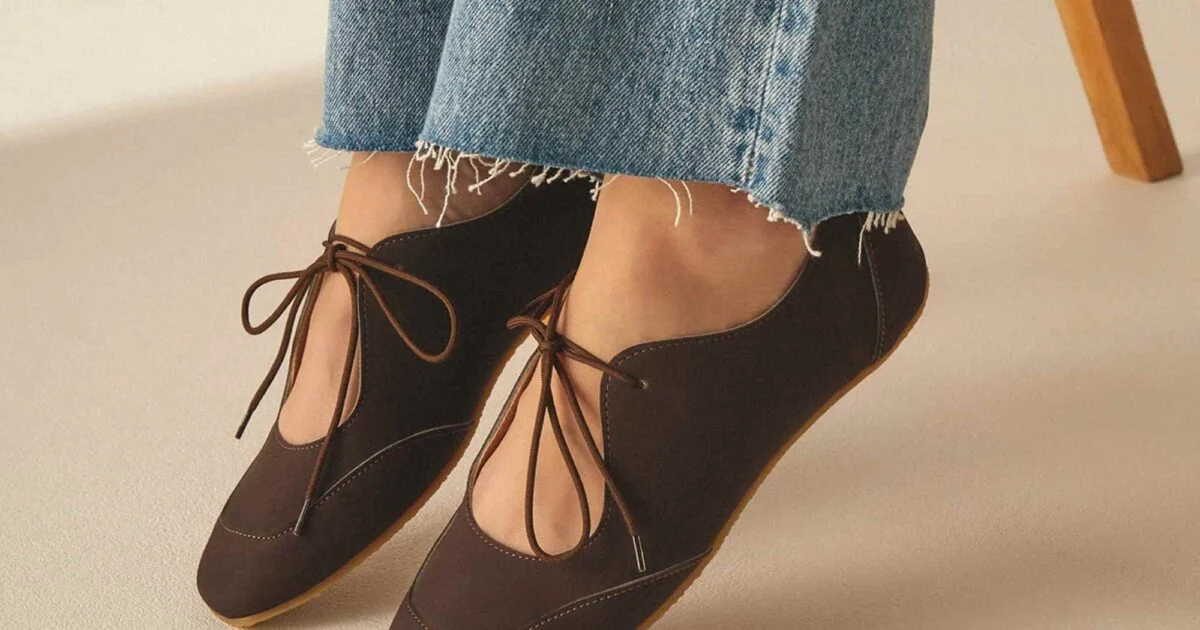
For consumers seeking new, ethically produced flat shoes, a curated selection of brands stands out for their commitment to sustainability, as independently rated "Good" or "Great" by rigorous methodologies. These brands offer a range of styles, from classic ballerinas and smart loafers to trendy ballet sneakers and braided designs, all while upholding high ethical standards.
-
Agazi: This Polish vegan footwear brand is a pioneer in material innovation. Agazi’s collection, which includes sneakers, sandals, heels, and a diverse range of flat shoes, exclusively uses non-animal-derived materials. They are particularly noted for their advanced use of hemp and sophisticated apple skin and grape-based alternative leathers, showcasing the potential for luxurious and durable vegan options. Their commitment to plant-based innovation positions them at the forefront of ethical material development.
-
ESSÄN: Founded in 2016 by Marre Muijs, ESSÄN was conceived as a direct antidote to the fashion industry’s overproduction and trend-chasing culture. The brand champions thoughtful craftsmanship over rapid cycles, eschewing seasonal fashion calendars in favor of a single, permanent collection of shoes and accessories. ESSÄN limits production runs and employs low-waste cutting techniques, embodying a philosophy that prioritizes longevity, quality, and minimal environmental impact.
-
Christy Dawn: Hailing from the US, Christy Dawn presents a minimalist showroom aesthetic with vintage-inspired women’s clothing and footwear. The brand earns a "Great" rating, largely due to its innovative approach to sourcing: all products are locally made using surplus (deadstock) fabric. This practice significantly reduces textile waste and supports local economies. Their commitment to extending the life of materials makes them a fantastic option for a conscious wardrobe, with sizes available in standard XS-XL and dedicated Extended and Petite collections.
-
Elk: An influential pioneer of independent Australian design, Elk was established in Melbourne in 2004. The brand is renowned for its bi-annual collections, which are meticulously informed by a design ethos where simplicity, sustainability, and innovation converge. Elk consistently demonstrates how contemporary design can be harmoniously integrated with ethical production and responsible material choices, offering items predominantly in AU sizes 6-18.
-
Reformation: The LA-based brand Reformation famously aims to create "killer clothes that don’t kill the environment." Their comprehensive sustainability strategy includes ensuring that a significant proportion of their suppliers pay a living wage and providing extensive training to improve working conditions throughout their supply chain. This holistic approach, combined with stylish designs, makes Reformation a leading choice for ethically conscious fashion, with an inclusive size range from XS-3XL.
-
Vesica Piscis: This Spanish vegan footwear brand showcases a profound commitment to environmental stewardship. Vesica Piscis utilizes a high proportion of lower-impact materials and powers its manufacturing processes with renewable energy. Crucially, they operate on a made-to-order basis, drastically reducing waste from overproduction. Their dedication to ethical practices extends to offering a wide range of shoe sizes from 36-46, making sustainable choices accessible.
-
Etiko: An Australian designer of organic fair trade clothing and shoes, Etiko consistently sets a high benchmark for ethical practices. The brand is a vocal advocate for upholding the human rights of individuals working in traditionally exploitative industry supply chains. Etiko’s unwavering commitment to Fair Trade principles and organic materials demonstrates that a business can be both commercially successful and a powerful force for social justice, offering clothes in AU sizes 8-20 and shoes in UK sizes 3-13.
The Crucial Role of Secondhand Markets
While new sustainable options are vital, the most sustainable purchase is often one that already exists. The burgeoning secondhand market, facilitated by platforms like Vinted, eBay, and local thrift shops, offers an invaluable avenue for ethical consumption. Shopping pre-owned extends the lifecycle of products, reduces demand for new production, and keeps items out of landfills, embodying a true circular economy principle. For those seeking unique styles or aiming to further reduce their environmental footprint, exploring the secondhand market for flat shoes is an exemplary choice.
Broader Impact and Future Implications
The rise of sustainable flat shoes, and indeed sustainable fashion as a whole, carries significant broader implications. It signals a maturation of consumer values, moving beyond superficial trends to demand genuine ethical and environmental responsibility. This pressure is not only driving innovation in materials and manufacturing but also forcing larger, conventional fashion companies to re-evaluate their entire business models.
The implications for the industry are profound:
- Innovation Acceleration: Expect continued breakthroughs in bio-materials, circular design, and clean manufacturing technologies. Investment in these areas will grow exponentially.
- Supply Chain Transformation: Greater transparency, traceability, and accountability will become standard, with brands increasingly mapping and auditing their entire supply chains.
- Policy and Regulation: As sustainability becomes a mainstream concern, governments are likely to introduce stricter regulations on material sourcing, chemical use, waste management, and labor practices in the fashion industry.
- Consumer Empowerment: Tools like Good On You will become even more integral, providing accessible and reliable information to help consumers navigate complex choices and reward truly ethical brands.
In conclusion, the movement towards sustainable flat shoes is a microcosm of a larger, global shift in consciousness. It represents a future where comfort, style, and ethical integrity are intrinsically linked, offering consumers the opportunity to make choices that look good, feel good, and do good for both people and the planet. As the industry continues to evolve, guided by informed choices and innovative practices, the path towards a truly sustainable footwear landscape appears not only possible but increasingly inevitable.