










Fashion retailers are poised to benefit significantly from an anticipated surge in summer holiday spending, despite a backdrop of persistent economic uncertainty, according to new research from KPMG. The report, released on July 3, 2026, reveals that a substantial 42% of holidaymakers are planning to acquire new clothing items, and a further 25% intend to purchase footwear specifically for their upcoming travels. This consumer intent presents a crucial opportunity for the retail sector, signalling a potential bright spot amidst an otherwise cautious economic landscape. The findings suggest a robust consumer desire to refresh wardrobes and invest in travel-specific apparel, indicating that the allure of leisure travel continues to drive discretionary spending in fashion.
The KPMG Findings: A Deeper Dive into Consumer Intent
The KPMG study, conducted across several key demographics and consumer groups, paints a detailed picture of pre-holiday purchasing behaviour. The 42% figure for clothing purchases encompasses a wide array of categories, from swimwear and resort wear to versatile travel outfits and accessories. This intent is particularly strong among younger demographics (18-34), where the desire for new fashion items to complement holiday experiences, often shared on social media, appears more pronounced. For footwear, the 25% indicates a focus on comfort, style, and practicality for travel, including sandals, espadrilles, and lightweight walking shoes. The research also highlighted regional variations, with consumers in areas experiencing more stable economic conditions or with higher disposable incomes showing a marginally greater propensity to spend on holiday fashion.
The report’s methodology involved surveying thousands of consumers across major markets, probing their spending intentions for the upcoming summer season. Analysts at KPMG noted that while consumers remain acutely aware of inflationary pressures and higher interest rates, the psychological impact of holiday planning often overrides these concerns, at least temporarily. “There’s a clear bifurcation in consumer behaviour,” explains Linda Chen, Head of Consumer Markets at KPMG. “On one hand, daily spending on essentials remains constrained. On the other, aspirational spending related to significant life events, like holidays, demonstrates remarkable resilience. Consumers are clearly prioritising experiences, and for many, new outfits are an integral part of that holiday experience.”
Economic Context: Navigating Persistent Uncertainty
The year 2026 continues to be characterised by a complex economic environment. Global inflation, while showing signs of moderation from its peaks in 2022-2024, remains elevated in many regions. Central banks are grappling with the delicate balance of taming price rises without triggering severe recessions, leading to continued fluctuations in interest rates. The cost of living crisis, driven by higher energy prices and food costs, has squeezed household budgets for an extended period. Geopolitical tensions also contribute to a sense of instability, impacting supply chains and commodity prices.
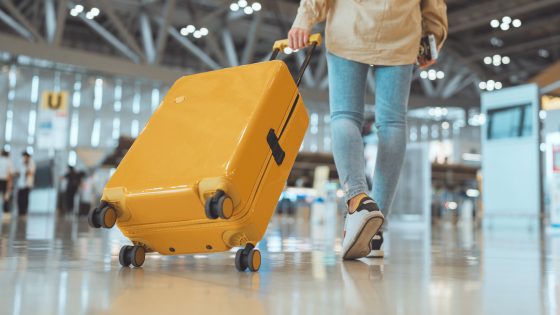
Despite these headwinds, the travel sector has shown remarkable recovery and growth since the lifting of pandemic-era restrictions. Pent-up demand for travel, accumulated during years of lockdowns and limited mobility, continues to fuel bookings. Airlines are reporting strong passenger numbers, and hotel occupancy rates are nearing pre-pandemic levels. This robust recovery in travel directly correlates with the observed consumer intent to purchase holiday-specific fashion. Consumers, having perhaps curtailed other forms of discretionary spending, appear willing to allocate funds to enhance their holiday experience, viewing new clothing and footwear as essential components of their travel preparations. This pattern suggests a strategic allocation of limited discretionary income towards perceived ‘high-value’ experiences and the associated material goods that enhance them.
A Chronology of Retail Resilience and Consumer Shifts
The current outlook for summer 2026 is built upon several years of evolving consumer behaviour and retail adaptation.
- 2020-2021 (Pandemic Peak): Global lockdowns severely impacted fashion retail, particularly categories like occasion wear and travel apparel. E-commerce surged, but overall demand for new clothing declined as social events and travel ceased.
- 2022 (Reopening and Revenge Spending): As economies reopened, a wave of "revenge spending" emerged. Consumers, eager to socialise and travel again, flocked to stores and online platforms, leading to a temporary boom in fashion sales. However, this period also saw the first significant signs of inflationary pressures.
- 2023 (Inflation Takes Hold): Rising inflation and interest rates began to temper consumer enthusiasm. Discretionary spending became more cautious, with consumers prioritising value and essentials. Fashion retailers faced challenges with discounting and managing inventory in a less predictable market.
- Late 2024 – Early 2025 (Adaptation and Segmentation): Retailers began to refine strategies, focusing on cost efficiencies, targeted marketing, and diversified product offerings. The market started to segment more clearly, with luxury and ultra-value segments showing relative resilience, while the mid-market faced sustained pressure. Sustainability became an increasingly important factor in consumer choices.
- Late 2025 (Travel Resurgence Solidifies): The global travel industry fully rebounded, with international travel nearing or exceeding 2019 levels. This created a renewed, albeit more discerning, demand for travel-related fashion. Retailers started to anticipate this trend more proactively.
- Mid-2026 (Current Outlook): The KPMG report for summer 2026 solidifies the expectation that holiday travel will be a primary driver for fashion sales, demonstrating a pattern of consumer resilience in specific, experience-driven categories.
Industry Reactions and Strategic Adjustments
The KPMG findings have been met with cautious optimism across the fashion retail sector. Retail executives are already recalibrating their strategies to capitalise on this projected demand.
Sarah Jenkins, CEO of ‘Voyage Style Co.’, a leading online travel fashion retailer, commented, "This report validates what we’ve been seeing in our own sales data over the past few months. There’s a tangible excitement around travel, and our customers are actively seeking out pieces that are both stylish and practical for their trips. We’ve significantly ramped up our inventory of versatile resort wear, swimwear, and comfortable yet chic footwear. Our marketing campaigns are now heavily focused on destination-specific fashion guides and ‘pack-with-me’ content."
Similarly, major high-street chains are adjusting their in-store merchandising and online promotions. "We’re transforming our summer collections to really speak to the holidaymaker," stated Mark Harrison, Retail Director at ‘Global Threads’, a multi-brand fashion conglomerate. "Think vibrant colours, lightweight fabrics, and multi-functional items that can transition from beach to evening. We’re also seeing a strong demand for durable, comfortable footwear, so our shoe departments are well-stocked. The challenge is balancing this investment with continued economic vigilance."
Industry analysts are also weighing in. Dr. Eleanor Vance, a retail economics specialist at the London School of Economics, observed, "This isn’t just about frivolous spending. For many, a holiday represents a significant investment and a much-needed break from daily pressures. Dressing for the occasion contributes to the overall experience. Retailers who understand this psychological link and offer compelling, relevant products will be the ones who truly benefit. It also highlights the importance of an omnichannel approach, as consumers often browse online for inspiration and then purchase in-store for fit, or vice versa."
Broader Impact and Implications
The projected boost in holiday-related fashion sales carries several broader implications for the economy and the retail ecosystem:
- Supply Chain Management: Retailers will need robust and agile supply chains to meet this concentrated demand. Any lingering disruptions from global events or shipping bottlenecks could lead to missed opportunities. Emphasis will be placed on forecasting accuracy and diversified sourcing.
- Inventory Optimisation: Overstocking or understocking could be detrimental. Retailers must meticulously manage inventory to ensure popular items are available without accumulating excess stock that might require deep discounting later. This requires sophisticated data analytics and real-time sales tracking.
- Marketing and Merchandising: Targeted marketing campaigns focusing on holiday themes, destination-specific looks, and travel essentials will be critical. In-store merchandising will likely see displays mimicking holiday scenarios to inspire purchases.
- Sustainability Imperative: While consumers are buying new items, the trend towards sustainable consumption is not entirely diminished. Retailers offering ethically sourced materials, durable products, or even rental options for occasion wear may appeal to a segment of environmentally conscious holidaymakers. The challenge is to communicate these values effectively without deterring impulse purchases.
- E-commerce vs. Brick-and-Mortar: While online shopping offers convenience for pre-trip planning, the tactile experience of trying on clothing and shoes remains vital for many. Physical stores can leverage personal styling services and curated holiday collections to attract customers, while e-commerce platforms can offer vast selections and swift delivery options. An integrated, seamless omnichannel experience will be paramount.
- Economic Ripple Effect: Increased sales in clothing and footwear translate into higher revenues for retailers, potentially leading to increased employment in retail roles, greater investment in new collections, and a positive contribution to national GDP. This positive sentiment can also boost investor confidence in the retail sector, which has faced considerable volatility.
- Innovation in Product Design: The demand for travel wear often pushes innovation. Designers are increasingly focusing on wrinkle-resistant fabrics, quick-drying materials, multi-functional garments, and compact packing solutions. This trend will likely accelerate as travel remains a significant consumer priority.
Challenges and the Road Ahead
Despite the positive outlook for holiday fashion sales, the sector is not without its challenges. The underlying economic uncertainty means that consumer sentiment could shift rapidly in response to new economic data or geopolitical events. Retailers must remain flexible and adaptable. Intense competition, both from established players and emerging online brands, means that standing out requires more than just product availability; it demands compelling storytelling, strong brand identity, and exceptional customer experience.
Furthermore, while the 42% and 25% figures are encouraging, they also imply that a significant portion of holidaymakers may still opt to re-wear existing items or make minimal new purchases. This underscores the need for targeted marketing that converts intent into actual sales. The pressure to offer value, whether through competitive pricing, perceived quality, or unique design, will remain high.
Looking ahead, the fashion retail landscape will continue to be shaped by a delicate interplay of economic forces, evolving consumer values, and technological advancements. The current projection for summer 2026 offers a tangible opportunity for growth, driven by the enduring human desire for travel and self-expression. Retailers who successfully navigate the complexities of inventory, marketing, and customer engagement, while remaining mindful of broader economic trends, are best positioned to capitalise on this seasonal uplift. The holidaymaker, in their pursuit of new experiences, emerges as a vital catalyst for the fashion industry’s continued journey of adaptation and resilience.