











The second quarter of 2026 marked a notable, albeit modest, improvement in the landscape of sustainable fashion, as Good On You, a leading authority in ethical brand ratings, reported an increase in top-tier performers. While this signifies a positive shift, the vast majority of fashion brands continue to fall short of comprehensive sustainability and transparency standards. Among the newly rated brands achieving high scores, a distinctive pattern emerged, highlighting the consistent leadership of smaller, purpose-driven labels over their larger, often less accountable, counterparts. This quarter’s standout brands include an elegant minimalist bridal designer and an accessible swimwear label, showcasing that ethical fashion is diversifying and becoming more attainable across various market segments.
Good On You’s mission, established in 2015, revolves around empowering consumers to make informed choices by rigorously assessing the environmental and social impact of fashion and beauty brands globally. This initiative was born from a growing recognition of the fashion industry’s substantial footprint, which includes significant resource consumption, pollution, and often opaque labor practices. By "reading between the seams," Good On You aims to demystify complex supply chains, expose greenwashing tactics, and champion brands committed to genuine progress for people, the planet, and animals. Each month, a dedicated team of analysts evaluates new brands and re-reviews existing ones, ensuring that the information provided to consumers via their app and online directory remains accurate and up-to-date. The core of their methodology relies solely on publicly available information, emphasizing transparency as a foundational pillar of true sustainability.
During April, May, and June of 2026, Good On You analysts rated a total of 431 brands. Of these, 82 brands, representing 19% of the total, achieved either a "Good" or "Great" rating. This figure marks a significant improvement compared to the first quarter of 2026, when only 8% of rated brands reached these highest tiers. While this upward trend is encouraging, it simultaneously underscores the persistent challenge within the industry: a substantial 81% of brands rated in Q2 still failed to meet the criteria for "Good" or "Great." This failure is attributed either to insufficient action in implementing responsible practices or, critically, a lack of transparency regarding their efforts. As Good On You’s methodology strictly considers only publicly disclosed information, any commendable initiatives undertaken by brands remain unacknowledged if not openly communicated.
The analysis of Q2 2026 ratings further solidified a long-observed trend: smaller, independent labels consistently outperform large, established corporations in sustainability metrics. All of the top-rated brands highlighted in this quarter’s review are small enterprises, while many of the lowest-scoring brands are prominent, large-scale entities. This pattern raises important questions about the priorities and operational structures of major industry players. Despite possessing greater purchasing power, extensive resources, and significant influence to enhance supply chain sustainability and transparency, many large brands continue to demonstrate minimal commitment to enacting meaningful change. Good On You analysts frequently note that smaller brands, often driven by a core ethical mission and possessing more agile supply chains, can implement sustainable practices with greater ease and commitment. Their direct control over production processes and often closer relationships with suppliers allow for a more integrated and transparent approach to sustainability, making them a consistently better choice for the conscious consumer.
This quarter, Good On You introduced five newly rated brands that distinguished themselves through their exemplary performance against the rigorous methodology. Topping the list is Sabina Motasem, a British bridal brand that achieved an impressive "Great" rating with a score of 91 out of 100 points. Sabina Motasem is celebrated for its elegant, minimalist designs crafted with a strong emphasis on sustainable practices. The brand’s commitment to ethical sourcing and responsible production positions it as a premier choice for conscious brides seeking timeless beauty without compromising their values. Its recognition underscores a growing demand within the bridal market for more sustainable options, moving away from the traditionally resource-intensive practices often associated with wedding attire.
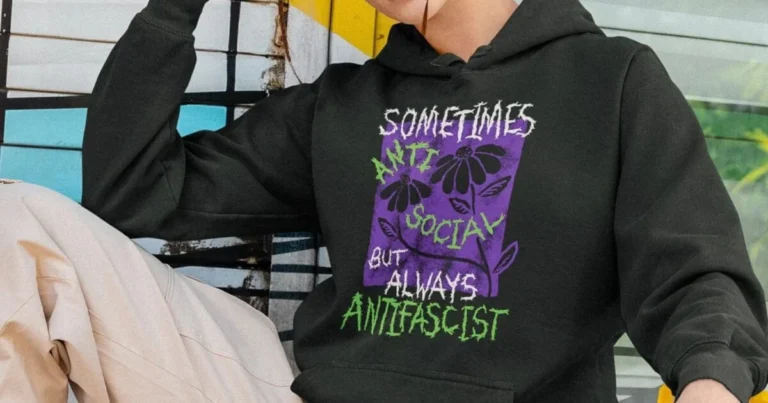
Another notable addition is Do Good Surf Club, a California-based brand specializing in swimwear. This label earned a high rating by proving that responsible and stylish swimwear can also be affordable. Founded by surfers for surfers, Do Good Surf Club emphasizes durable, ethically produced pieces designed to withstand the rigors of ocean life while minimizing environmental impact. Their commitment to accessibility demonstrates that investing in more sustainable beachwear is achievable even for budget-conscious consumers. The brand offers a refreshing alternative to fast fashion swimwear, which often relies on synthetic materials with significant environmental drawbacks.
SCATHED, a US brand, also made headlines for its unique approach to sustainable fashion, proving that ethical choices are not limited to conventional styles. SCATHED’s gothic collection showcases how a specific aesthetic can be meticulously crafted with sustainability at its core. By demonstrating the art of dressing more responsibly within a distinct niche, SCATHED challenges perceptions about the versatility of sustainable fashion. This brand highlights the importance of innovative design and material choices in expanding the reach of ethical consumption across diverse fashion preferences.
Beyond these three, two other newly rated brands further exemplify the breadth of sustainable innovation recognized this quarter. Evergreen Activewear, a brand focused on performance apparel, received high marks for its use of recycled materials and closed-loop production systems, ensuring minimal waste in the creation of durable, comfortable athletic wear. This brand’s commitment extends to fair labor practices within its manufacturing facilities, setting a benchmark for the activewear segment. Finally, Lumière Loungewear, specializing in ethical sleepwear and casual apparel, was lauded for its luxurious organic cotton and TENCEL™ fabrics, alongside its transparent supply chain that guarantees living wages and safe working conditions for all its garment workers. These brands collectively illustrate that sustainability is not a niche concept but a growing imperative across all facets of the fashion industry, from special occasion wear to everyday essentials.
In stark contrast to these top performers, Q2 2026 also revealed a concerning number of brands operating with severe deficiencies in transparency and responsibility. A total of 122 out of the 431 brands rated received Good On You’s lowest score, "We Avoid," constituting 28% of all evaluations. These brands are identified as failing to implement sufficient measures for people, the planet, or animals, often due to an acute lack of transparency or concrete action across their supply chains. Among these, five brands notably received a score of zero against Good On You’s comprehensive methodology, signifying a complete absence of publicly available information regarding their ethical and environmental practices. These brands include Qiaodan, Se7en, W.Management, US Polo Assn., and LeoChan. A zero score indicates either a deliberate lack of disclosure, making it impossible for consumers or watchdog organizations to assess their impact, or a fundamental absence of responsible practices that would warrant public disclosure. Good On You analysts reiterate that transparency is not merely a preference but a fundamental requirement for accountability in the modern fashion industry. Without it, consumers are left in the dark, unable to make choices aligned with their values.
The findings from Good On You’s Q2 2026 ratings carry significant implications for the broader fashion industry and the evolving landscape of consumer behavior. The persistent lead of smaller brands highlights the inherent challenges faced by large corporations in pivoting towards genuine sustainability. Their complex, globalized supply chains, often built for speed and volume, are difficult to reform. However, as consumer awareness of environmental and social issues grows, the pressure on these giants to adapt will intensify. Industry experts suggest that the increasing scrutiny from organizations like Good On You, combined with evolving regulatory frameworks in various countries, will compel even the most entrenched players to re-evaluate their operational ethics.
For consumers, these ratings serve as a vital tool in navigating a market often saturated with misleading "green" claims. The rise in highly-rated brands, particularly those offering affordable and diverse options, demonstrates that sustainable shopping is becoming increasingly accessible. This empowers individuals to vote with their wallets, supporting brands that align with their ethical considerations. The clear distinction between top performers and those to avoid helps cut through the noise of greenwashing, enabling more impactful purchasing decisions. The continued success of platforms like Good On You underscores a paradigm shift in the fashion industry, where sustainability is moving from a niche concern to a mainstream expectation. This trend suggests a future where transparency and ethical responsibility will not just be commendable traits but fundamental requirements for market survival and consumer trust.
Good On You publishes the world’s most comprehensive ratings of fashion and beauty brands’ impact on people, the planet, and animals. Consumers are encouraged to utilize their directory to search thousands of rated brands and make more informed choices.
Editor’s note: Feature image via Do Good Surf Club, all other images via brands mentioned. Good On You may earn a commission through purchases made via links in this article, which supports their independent ratings and journalistic work.