









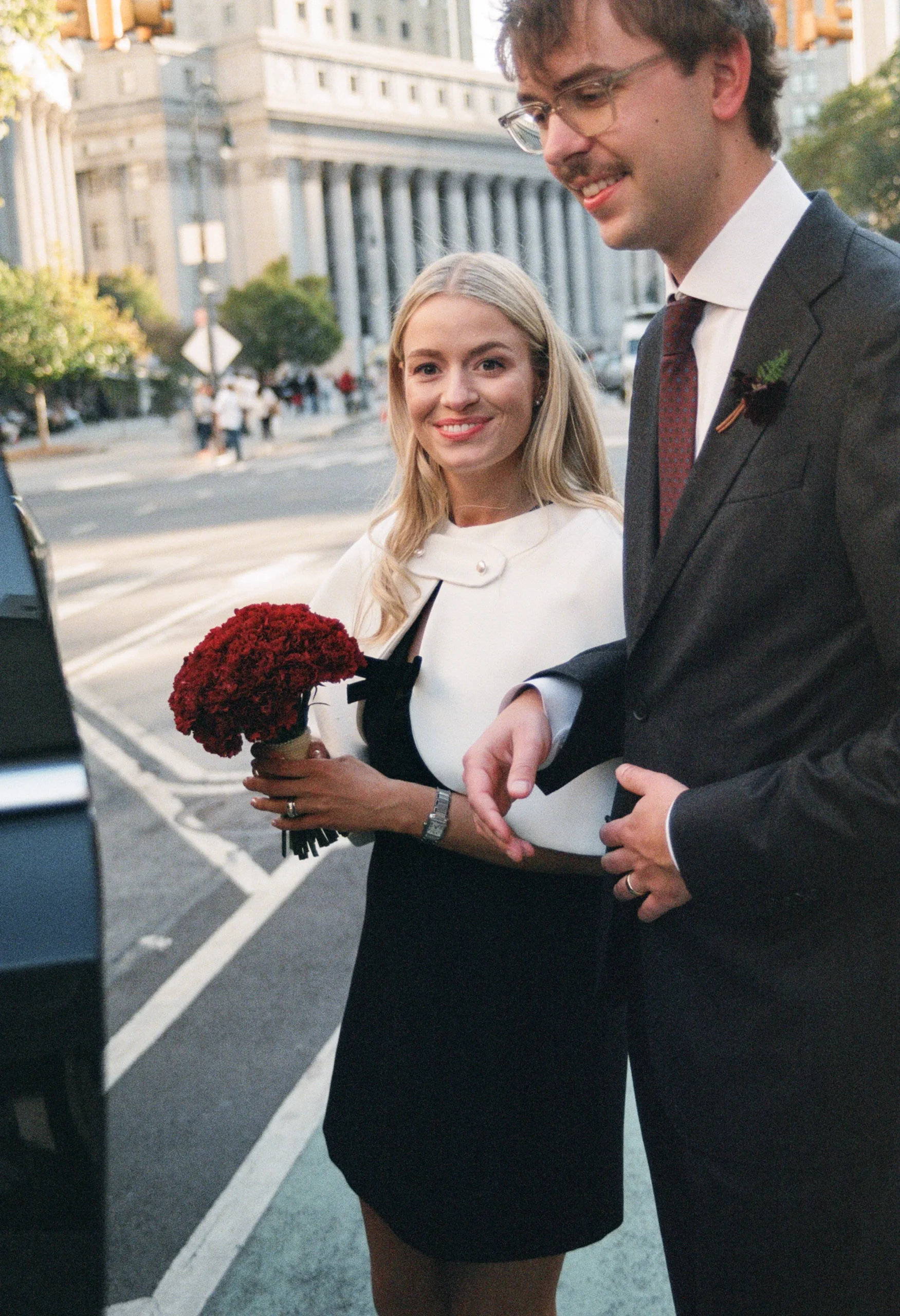
The marriage of interior designer Izzy and engineer Nico in New York City represents a burgeoning trend in the metropolitan wedding industry: the "high-low" celebration that pairs the civic simplicity of City Hall with the historic grandeur of Manhattan’s most storied institutions. Held over a weekend in October, the event utilized a multi-day format to balance intimate legal proceedings with a larger social reception at Keens Steakhouse. This approach reflects a broader shift among modern couples who prioritize architectural history, personal heritage, and sartorial individuality over traditional banquet hall conventions.
The Civil Ceremony and Initial Aesthetic
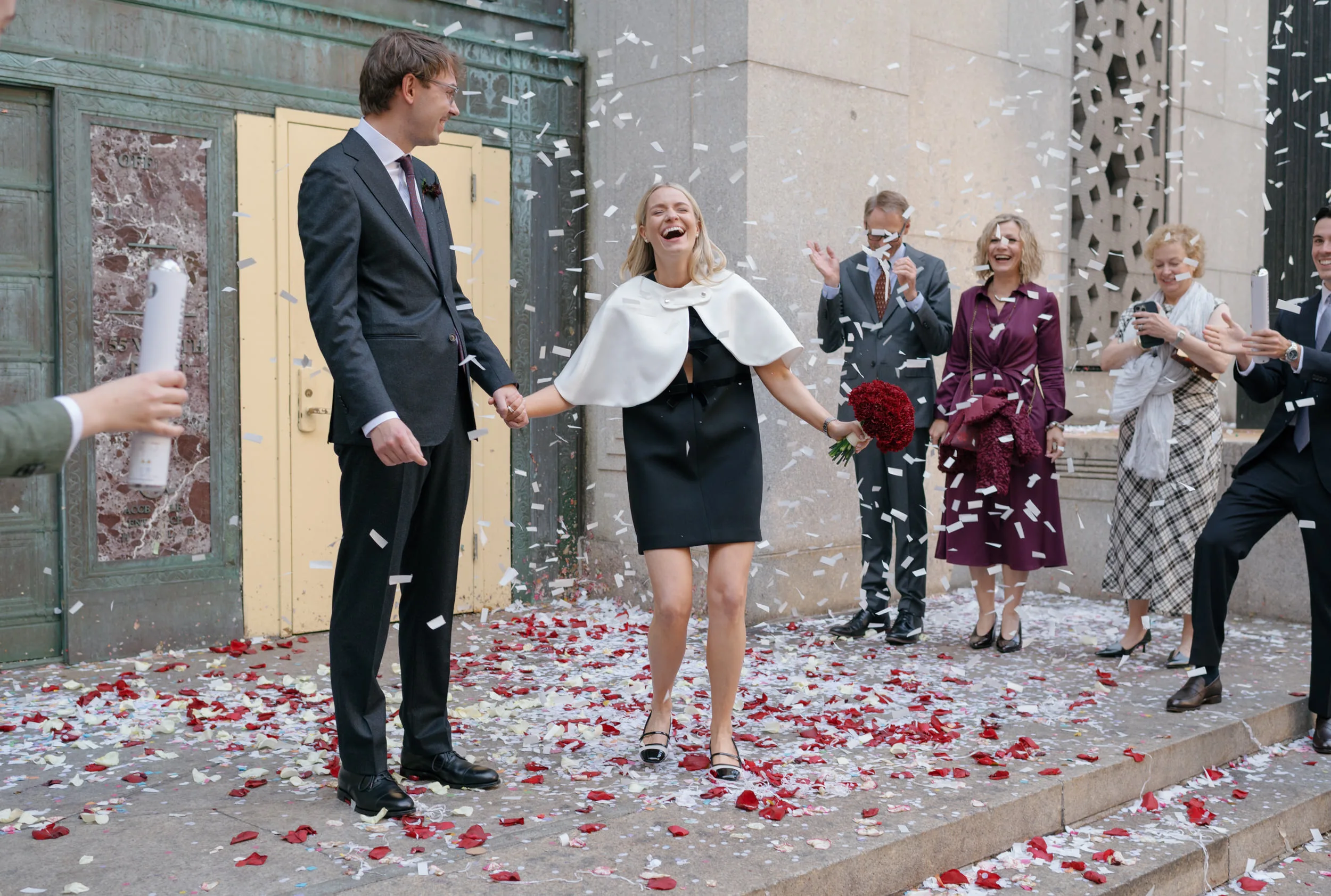
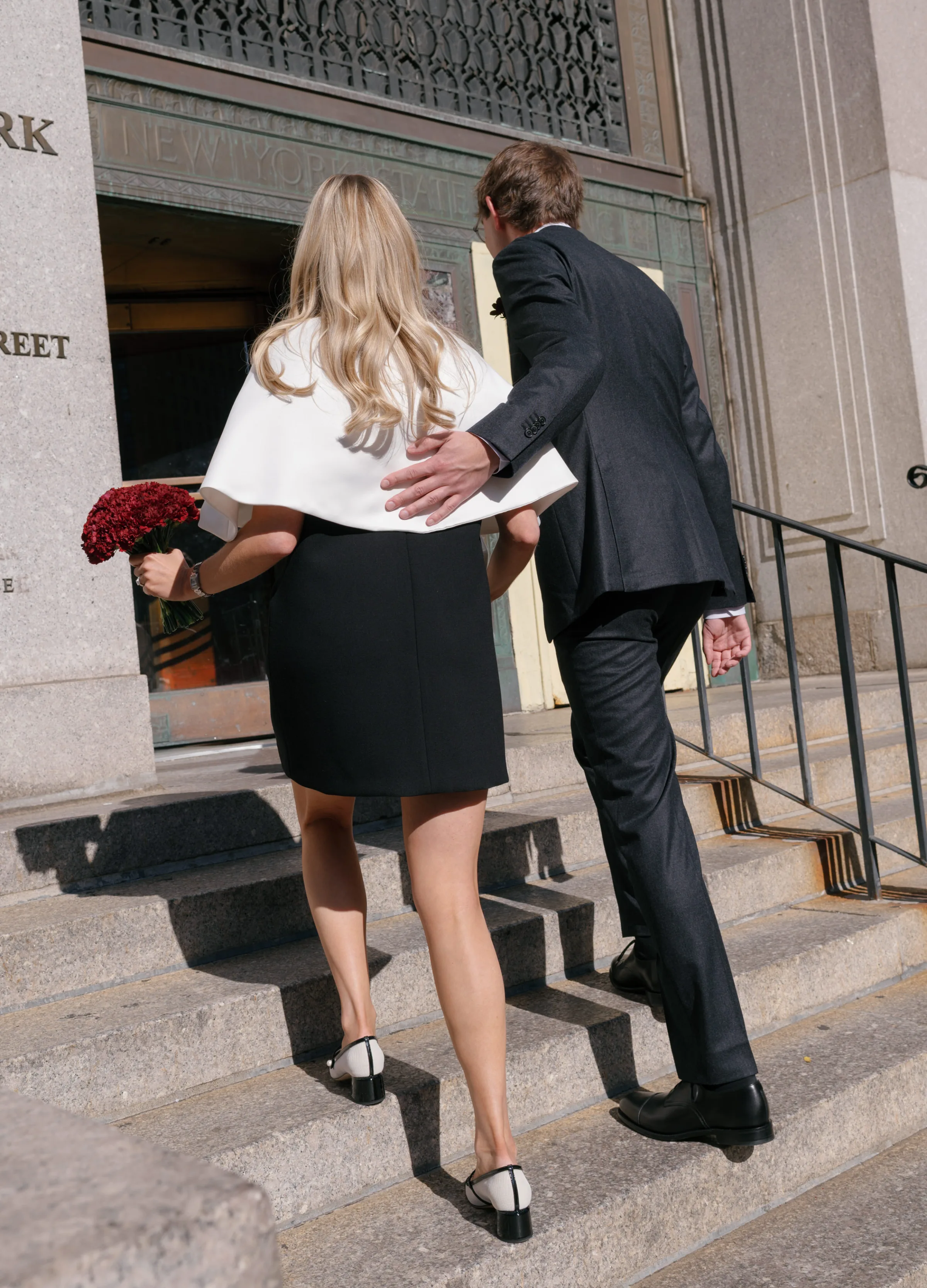
The proceedings commenced with a legal ceremony at the New York City Marriage Bureau, located at 141 Worth Street. The venue, a neoclassical landmark, serves as the site for approximately 75,000 marriage licenses issued annually in New York City. Due to current municipal regulations, the ceremony was restricted to four guests, prompting the couple to invite only their parents for the official exchange of vows.
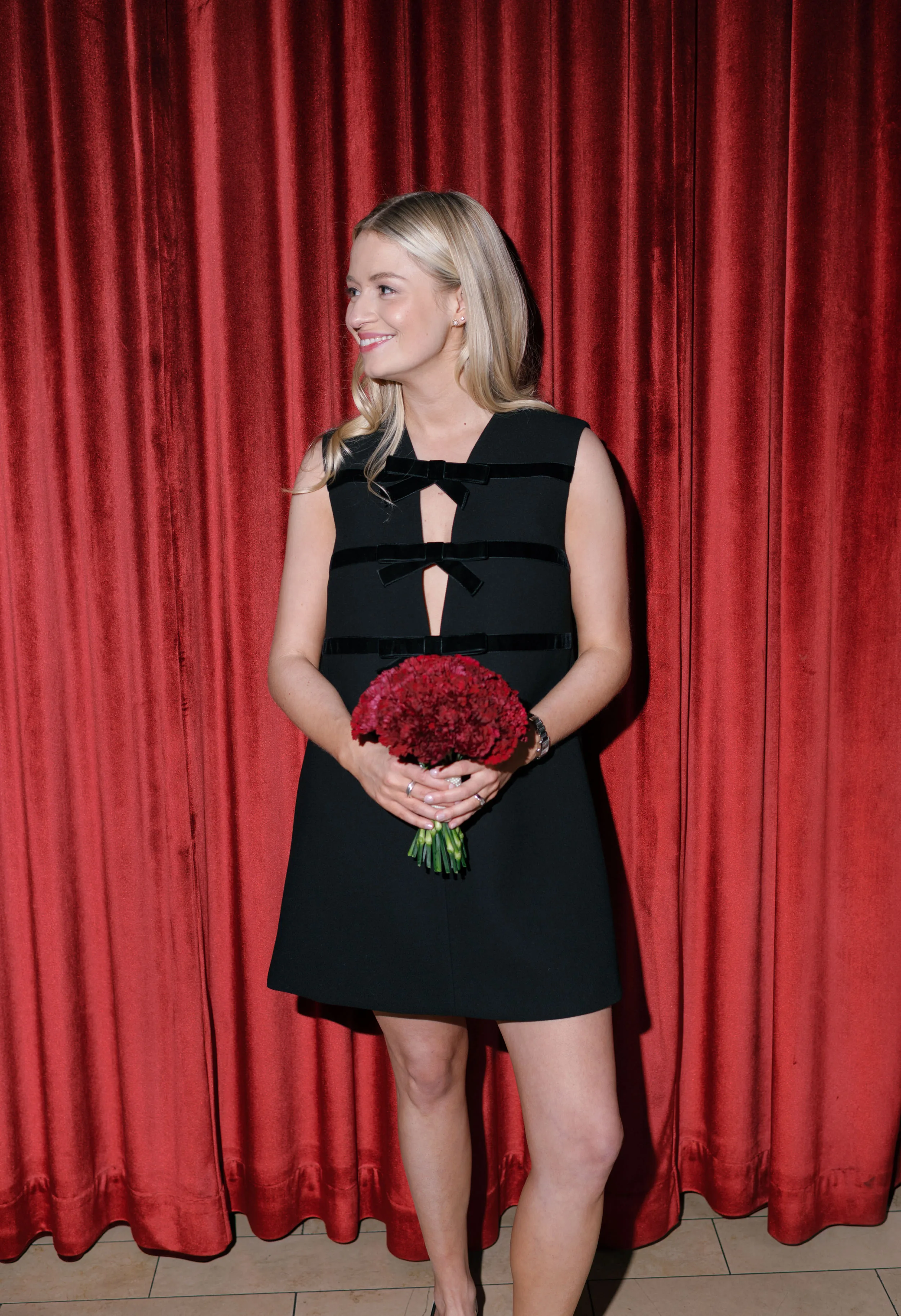
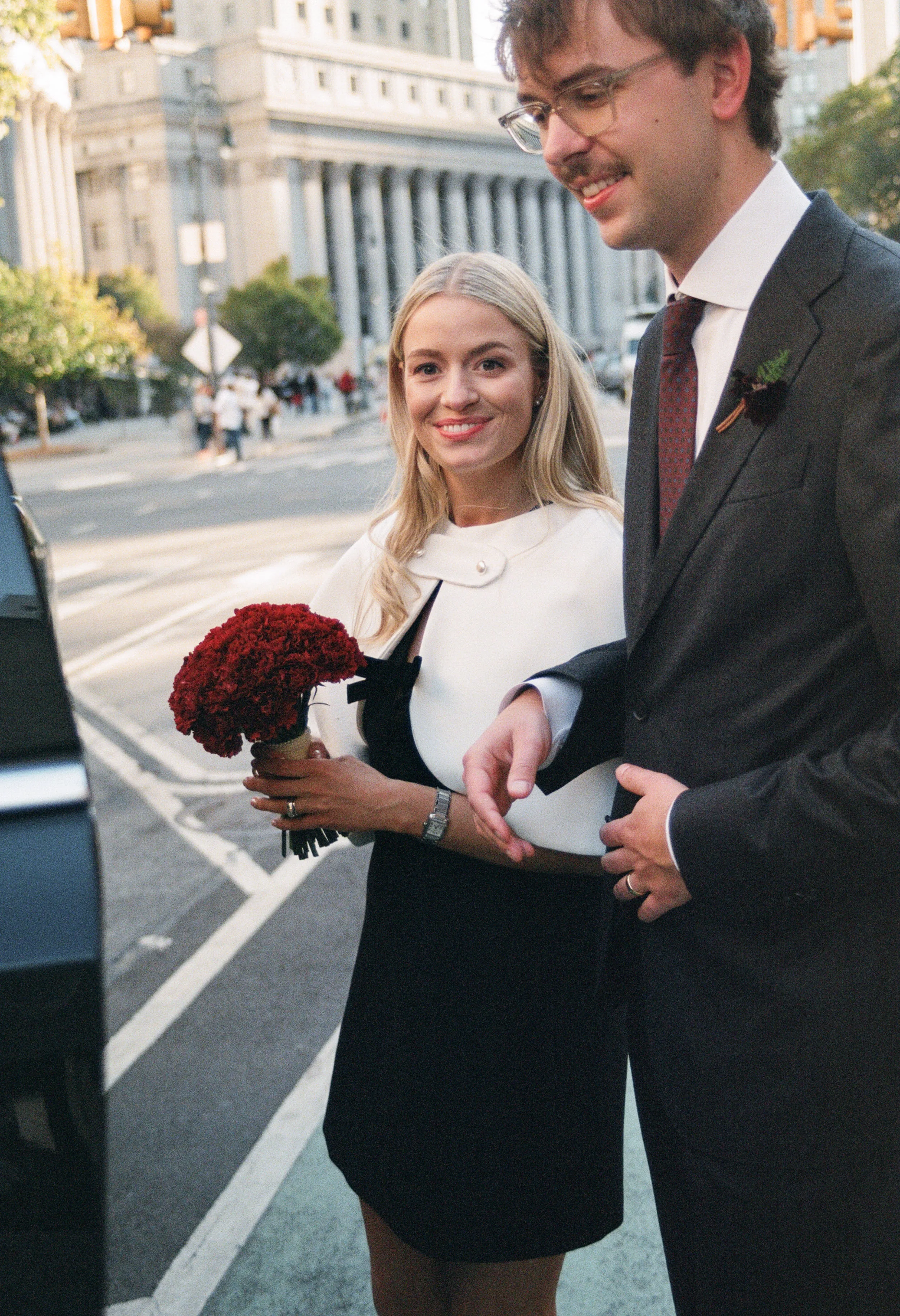
Departing from conventional bridal palettes, Izzy selected a black Prada mini dress for the City Hall appearance. The choice aligns with a documented rise in non-traditional bridal wear; market data from recent years indicates a 30% increase in searches for "short wedding dresses" and "black bridal attire," as couples seek to distance themselves from Victorian-era tropes. The ensemble was elevated by a couture capelet from Marie-Margot Couture, a Denver-based atelier specializing in bespoke bridal accessories.
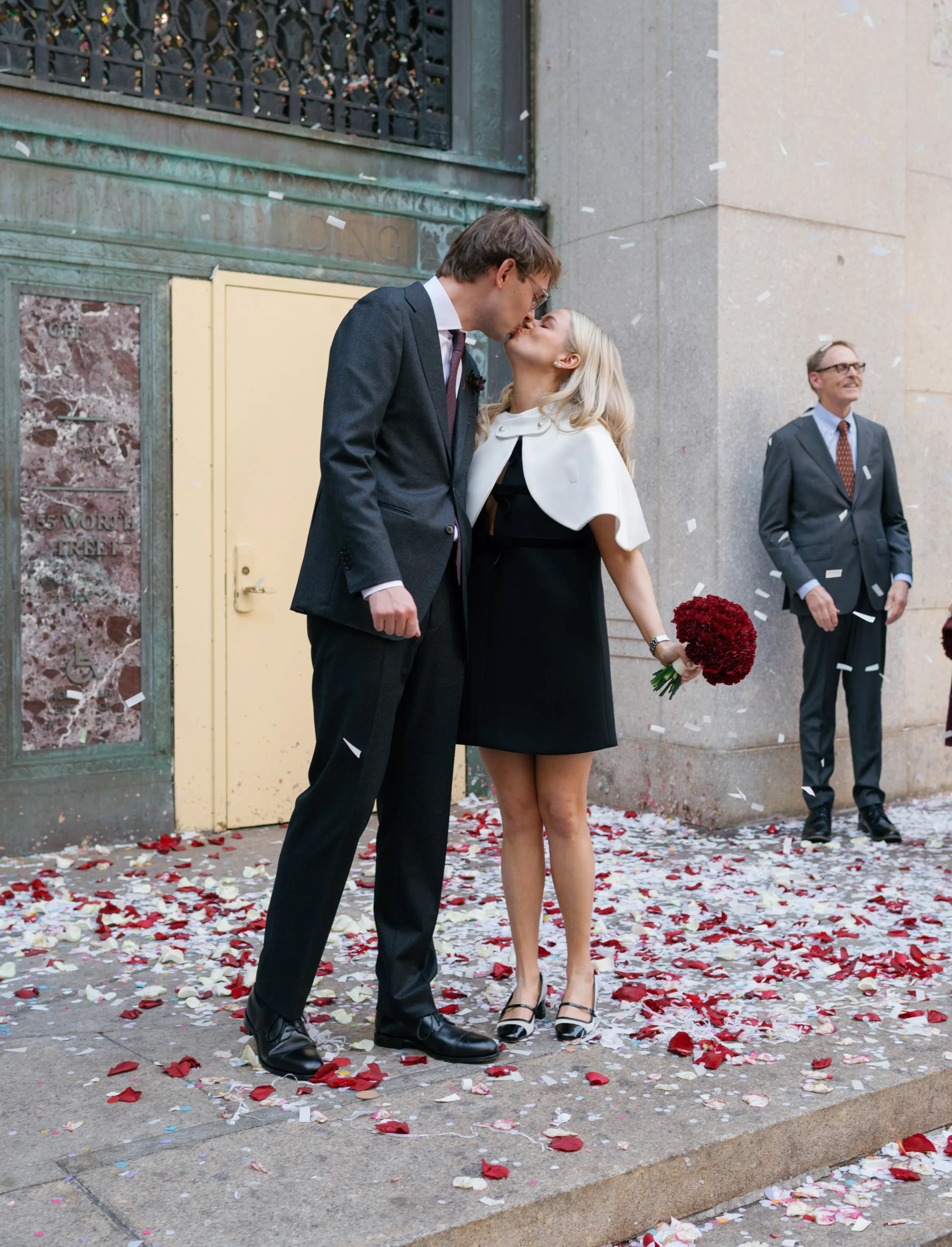
The couple integrated a private ritual into the morning of their legal union, sharing personal vows over breakfast before arriving at the bureau. This private exchange was documented in custom Leuchtturm journals, a German stationery brand founded in 1917, serving as a subtle nod to Nico’s German-American heritage. Following the ceremony, the couple was greeted by siblings and Nico’s grandfather, who utilized confetti cannons to mark the exit—a common practice at the Worth Street site that has become a staple of New York City wedding photography.
Culinary Traditions and Family Heritage
Post-ceremony festivities transitioned to Novita, a Northern Italian restaurant in the Gramercy neighborhood. The choice of venue served to honor Izzy’s family background, specifically through the distribution of Italian wedding "confetti"—sugar-coated almonds that traditionally symbolize health, wealth, happiness, fertility, and longevity.
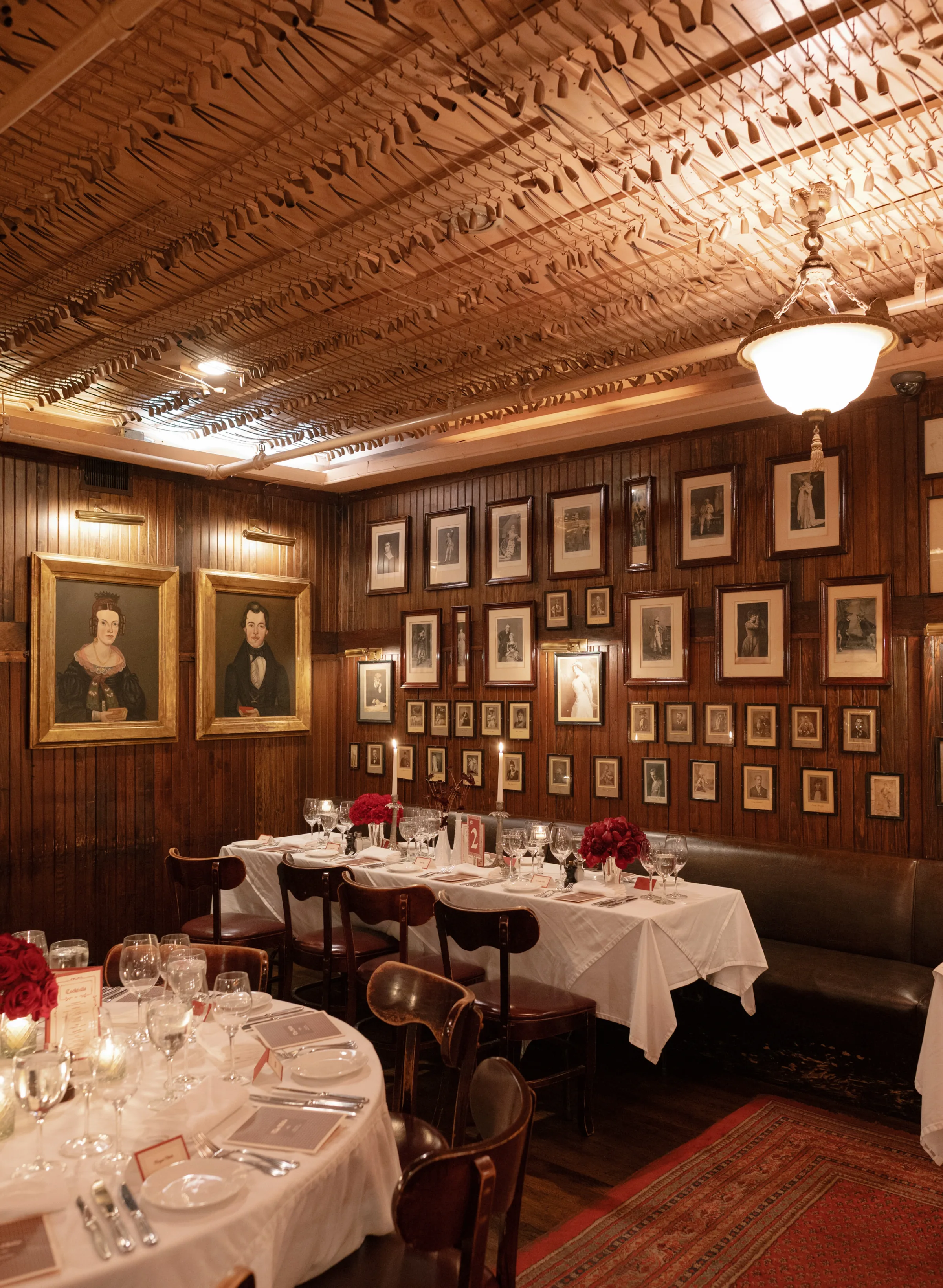
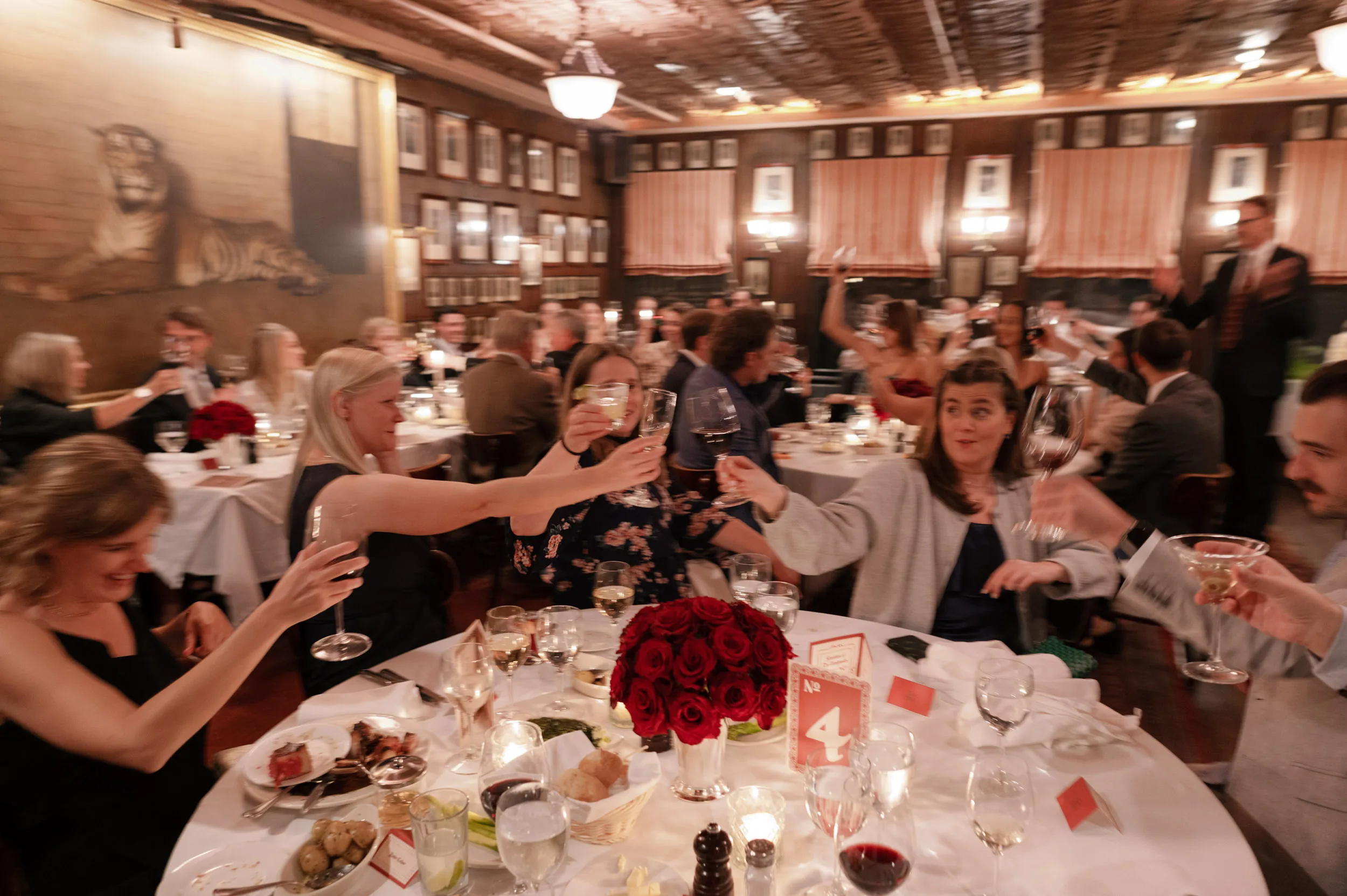
The second day of the celebration shifted focus to a larger reception at Keens Steakhouse. Established in 1885, Keens is one of the oldest dining establishments in New York City, famous for its collection of over 50,000 clay smoking pipes once owned by figures such as Theodore Roosevelt and Albert Einstein. The selection of such a venue underscores a preference for "character-driven" spaces that require minimal additional decoration due to their inherent historical texture.
Design Philosophy and Floral Artistry
The event was orchestrated by Love Laura (Laura Loves), a planning and floral design firm that emphasized a "vintage sensibility" over modern minimalism. The floral arrangements were centered on the carnation—a flower often overlooked in contemporary high-end weddings but chosen here for its sentimental value as Izzy’s grandmother’s favorite bloom. The bouquets were wrapped in pearls, the birthstone of the bride’s mother, further embedding familial history into the visual design.
Laura Loves employed a design strategy that utilized the existing dark wood and leather aesthetics of Keens Steakhouse, layering in vintage silver, milk glass bud vases, and crochet doilies. A hand-crocheted nameplate, created by artist Blake Ballard, served as a focal point for the welcome table. The tablescapes featured a rich palette of red tones, utilizing Keens’ own silver candlesticks to maintain a cohesive atmosphere that felt "collected" rather than "rented."
Bespoke Elements and Cultural Synthesis
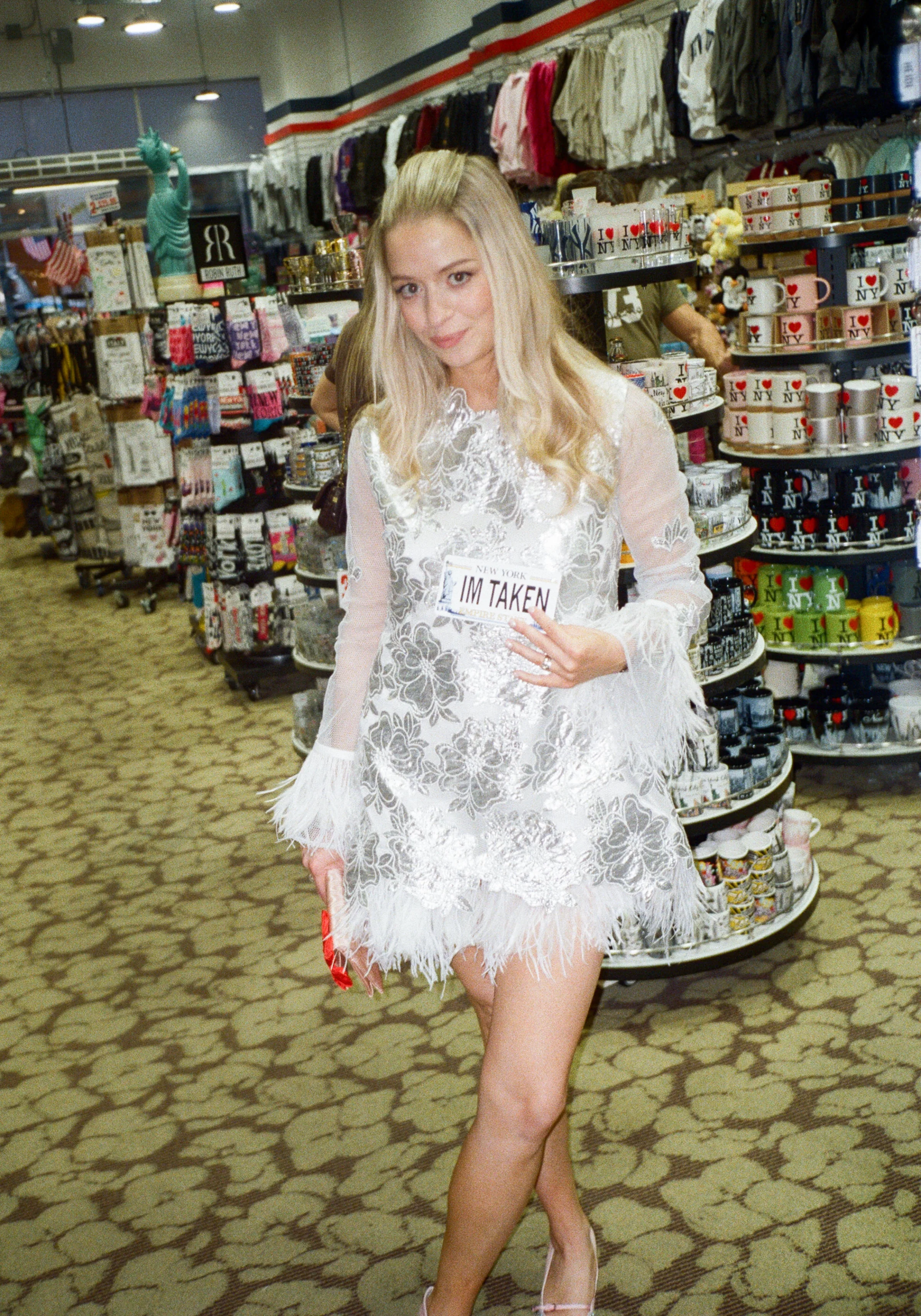
For the Keens reception, the bride transitioned into a second look: a bespoke silver dress designed in collaboration with Marie-Margot Couture. This shift to metallic tones reflects a 1960s "mod" influence, a style Izzy noted was inspired by her mother’s own wedding attire. The engineer-designer pairing of the couple was evident in the meticulous attention to the event’s "visual language," which included a stationery suite that mirrored the typography and branding of the 19th-century steakhouse.
The wedding cake, provided by Lilli Maren, was an exercise in regional culinary homage. Designed to emulate a "maple creemee"—a soft-serve delicacy synonymous with Vermont—the cake featured layers of maple sponge, whipped maple ganache, and hazelnut praline. The cultural synthesis was completed with a vintage German salt and pepper shaker set used as a cake topper, representing Nico’s ancestry.
Chronology of the Celebration
The timeline of the Izzy-Nico wedding illustrates the growing popularity of the "slow wedding" weekend:
- Friday Morning: Private vow exchange over breakfast.
- Friday Midday: Legal ceremony at NYC City Hall (141 Worth St) with parents.
- Friday Afternoon: Family portraits in Lower Manhattan.
- Friday Evening: Intimate dinner at Novita, Gramercy.
- Saturday Evening: Formal reception at Keens Steakhouse for a wider circle of friends and family.
- Saturday Late Night: After-party and karaoke at Planet Rose in the East Village.
The inclusion of karaoke as the final event—specifically a duet of "There Is a Light That Never Goes Out" by The Smiths—highlights a move toward "experiential" wedding conclusions. The couple identified "Afterlife" by Alex G as the unofficial anthem of their wedding year, signaling a departure from standard wedding band repertoires in favor of indie-rock selections that reflect the couple’s actual listening habits.
Market Analysis: The Rise of the "Institutional" Wedding
The choice of City Hall and Keens Steakhouse is indicative of a broader economic and social trend in the New York wedding market. As the average cost of a traditional wedding in Manhattan continues to exceed $60,000, many couples are opting for "institutional" weddings. By utilizing public buildings for ceremonies and established restaurants for receptions, couples can reallocate budgets toward high-quality photography (in this case, Lauren Vandame) and bespoke fashion while avoiding the "venue fees" and catering markups associated with dedicated wedding halls.
Furthermore, the "City Hall Wedding" has seen a cultural rebranding. Once viewed as a utilitarian option for those in a hurry, it is now marketed as a chic, egalitarian choice for the "urban sophisticate." This is bolstered by the architectural significance of the Marriage Bureau itself, which underwent a $12.3 million renovation in 2009 to improve its aesthetic appeal for photography.
Professional Reflections and Concluding Data
From a planning perspective, the success of the event was attributed to its adherence to "authenticity" over "tradition." Laura Loves noted that the design was "less about tradition, and more about creating a meaningful experience that truly reflected them as a couple." This sentiment is echoed by industry analysts who suggest that "personality-led" weddings have higher social media engagement and long-term satisfaction rates for couples than those following a standardized template.
The wedding rings were sourced from Tiffany & Co., a brand that has maintained a dominant share of the New York luxury market for nearly two centuries. The couple cited the "classic New York experience" of the in-store purchase as a deciding factor, reinforcing the theme of the city itself as a primary character in their union.
In summary, the marriage of Izzy and Nico stands as a case study in modern metropolitan wedding planning. By blending high-fashion couture with civic simplicity, and Vermont culinary traditions with Manhattan history, the event achieved a unique cultural synthesis. As the wedding industry continues to evolve, the Izzy-Nico model—characterized by multiple looks, restaurant-based receptions, and deep familial tributes—is expected to become a primary template for couples seeking a balance between sophistication and personal narrative.