










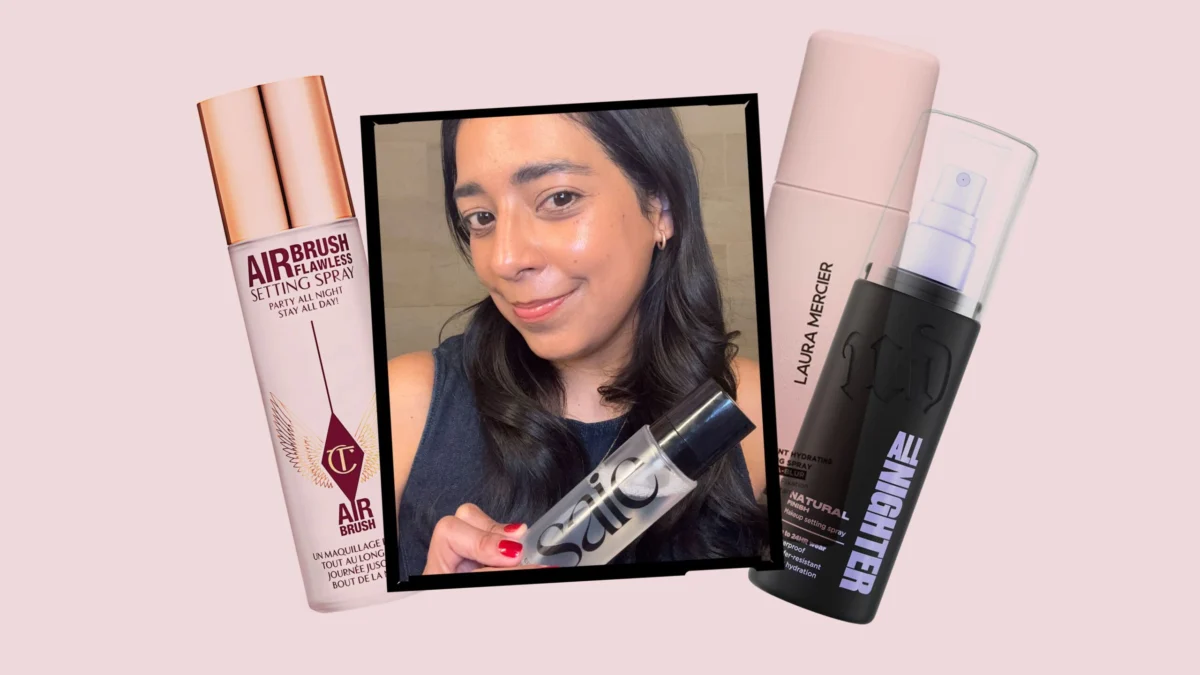
Setting sprays have emerged as a crucial step in many makeup routines, promising to extend the wear of cosmetics and maintain a flawless finish throughout the day. Beyond their seemingly simple function, these formulations are a sophisticated blend of science and artistry, designed to create a protective barrier on the skin. Cosmetic chemists and makeup artists alike underscore the nuanced approach required for their effective use and selection.
The Molecular Architecture of Makeup Longevity
At its core, a setting spray functions by forming a protective film on the surface of the skin. Victoria Vohland, a Los Angeles-based cosmetic chemist, explained to Allure that this is achieved through a carefully balanced mixture, primarily composed of water, alcohol, and specialized ingredients known as film formers. "A film former is a chemical put into cosmetics to offer long-wear benefits," Vohland stated, highlighting their pivotal role in preventing makeup from migrating or breaking down.
These film formers are typically polymers or derivatives of glycerin. Polymers, in the context of cosmetics, are long chains of molecules that can create a flexible, yet durable, coating. Glycerin, a humectant, not only attracts moisture but can also contribute to the adhesive properties of the spray, helping makeup adhere more effectively to the skin. The alcohol component serves a critical purpose beyond mere preservation; it acts as a volatile agent, meaning it evaporates quickly. This rapid evaporation helps to set the film former and other ingredients in place, while also repelling water, thereby enhancing the spray’s resistance to moisture and smudging.
Vohland further drew a compelling analogy: "The setting spray is a more diluted version of a hair gel." This comparison effectively illustrates the principle. Just as hair gel coats and holds individual strands of hair, setting spray coats the intricate canvas of makeup applied to the face, securing it in position. However, it is imperative to note the distinct formulation considerations. While the underlying principle of film formation is shared, setting spray formulas undergo rigorous refinement to ensure they are safe and gentle enough for direct application to facial skin, a stark contrast to the more robust formulations found in hair styling products. The precise concentration of ingredients, the types of polymers used, and the absence of potentially irritating agents are all critical factors in making a setting spray suitable for the delicate facial dermis.
Mastering the Application: Technique for Optimal Performance
While the composition of setting sprays is scientifically engineered, their efficacy is significantly influenced by application technique. The seemingly straightforward act of spraying the product over one’s finished makeup is often an oversimplification, according to seasoned professionals. Tommy, a New York City-based makeup artist, emphasizes that a deliberate approach can elevate the performance of a setting spray.
"A little technique goes a long way," Tommy advises. He recommends an application method involving a zig-zag motion, beginning at the forehead and systematically moving down to the chin. This ensures even distribution across the entire face. Furthermore, Tommy notes that spritzing the spray from a distance serves a dual purpose: it allows for a fine mist that settles evenly and helps to rehydrate the skin, counteracting any dryness that might have been introduced by the makeup application process itself, particularly with powder-based products.
Another expert tip comes from makeup artist Kate Lee, who advocates for a preparatory step involving a makeup sponge, such as a Beautyblender. Lee suggests dampening the sponge with setting spray before using it to blend or press makeup into the skin. This technique is particularly beneficial for smoothing out any dry patches that may have appeared during the makeup application and for preventing creasing, especially in areas prone to movement like under the eyes or around the mouth. By infusing the sponge with setting spray, makeup can be seamlessly integrated into the skin’s surface, creating a more natural and longer-lasting finish. This method effectively primes the skin for makeup adherence and provides a final layer of sealing.
Navigating the Landscape of Setting Sprays: Finding Your Perfect Match
The market is flooded with a diverse array of setting sprays, each with unique formulations catering to different skin types and makeup goals. Understanding the ingredient lists is key to making an informed choice. For individuals struggling with excess oil production, cosmetic chemist Kelly Dobos suggests looking for ingredients that actively absorb sebum. Silica is a prime example, known for its absorbent properties. Its inclusion in a setting spray can help to mattify the complexion and prevent makeup from appearing shiny throughout the day.
Conversely, for those seeking to enhance hydration and condition the skin, botanical extracts such as green tea extract and moringa seed are highly beneficial. Green tea extract is rich in antioxidants and possesses anti-inflammatory properties, while moringa seed extract is known for its moisturizing and nourishing qualities. These ingredients can contribute to a plumper, more supple appearance and help makeup sit better on the skin, preventing it from looking dry or cakey.
Dobos also highlights the importance of hydrating and adhesive ingredients like glycerin. "Glycerin can be pretty tacky and may help makeup grip," she previously informed Allure. This "tacky" quality, in a controlled cosmetic formulation, helps the makeup adhere to the skin’s surface, creating a more robust bond that resists movement and fading. The balance of these ingredients – whether they lean towards oil absorption, hydration, or enhanced adhesion – dictates the primary function and suitability of a setting spray for a particular user. Therefore, consumers are encouraged to scrutinize product labels and consider their individual skin concerns and desired makeup longevity when making a selection.
Rigorous Evaluation: The Allure Standard for Product Testing
Allure‘s commitment to providing reliable beauty recommendations is underpinned by a comprehensive and multi-faceted testing and review process. When evaluating products, particularly those within the dynamic category of makeup, a series of critical questions are posed to ensure thoroughness and relevance. This interrogative approach covers the fundamental aspects of a product’s composition, its inclusivity, its safety profile, and its overall value proposition.
Key considerations include a detailed analysis of the product’s ingredients: their purpose, potential benefits, and any known drawbacks. Furthermore, Allure investigates the brand’s commitment to shade range inclusivity, ensuring that recommendations are accessible and suitable for consumers across all skin tones and undertones. The safety of the product for individuals with sensitive skin or those who wear contact lenses is also a paramount concern. Beyond performance, the economic aspect is weighed, distinguishing between affordable options and more luxurious splurges. Packaging design is also scrutinized through the lens of environmental consciousness, evaluating whether it is designed for sustainability or contributes to unnecessary waste.
For the specific review of setting sprays, Allure assembled a diverse panel of testers. This group comprised multiple editors, writers, contributors, professional makeup artists, and cosmetic chemists. This broad spectrum of expertise and experience ensures that the testing base is representative of different skin tones, genders, and dermatological conditions. Each product undergoes rigorous evaluation across four primary performance categories: formula efficacy, wearability throughout the day, overall longevity, the resulting finish (e.g., matte, dewy), and water resistance. For a more in-depth understanding of the meticulous standards and systematic approach applied to all Allure reviews, readers are directed to the publication’s comprehensive reviews process and methodology page.
The Foundation of Trust: A Diverse Testing Cadre
The integrity of beauty product recommendations hinges on the diversity and representativeness of the testing team. Allure firmly believes that a beauty product is not a one-size-fits-all purchase. Whether an individual is seeking a deeply hydrating face cream to combat persistent dryness, a novel nail product to enhance a self-care ritual, or simply browsing the latest hair product launches, the goal is to ensure that every recommendation resonates with the reader. This commitment to reader satisfaction is intrinsically linked to the belief that a diverse team of writers and editors, augmented by a wide array of external testers and industry luminaries, is indispensable.
The publication poses a pertinent rhetorical question: "Can we really say a skin-care product is the ‘best’ for people over 50 if the only testers we’ve solicited opinions from folks who have yet to hit 30?" This highlights the critical need for age diversity in testing. Similarly, the question, "Can we honestly deem a high-end diffuser worthy of your hard-earned cash if it’s never been tested on curls?" underscores the importance of testing products on a variety of hair textures. Allure takes pride in its staff, which encompasses a broad spectrum of ages, skin tones, hair textures, genders, and backgrounds. This inherent diversity enables the publication to conduct fair and comprehensive assessments of any beauty product that enters its extensive product testing pipeline, ensuring that recommendations are both accurate and universally applicable.