









Historical Context and Site Significance
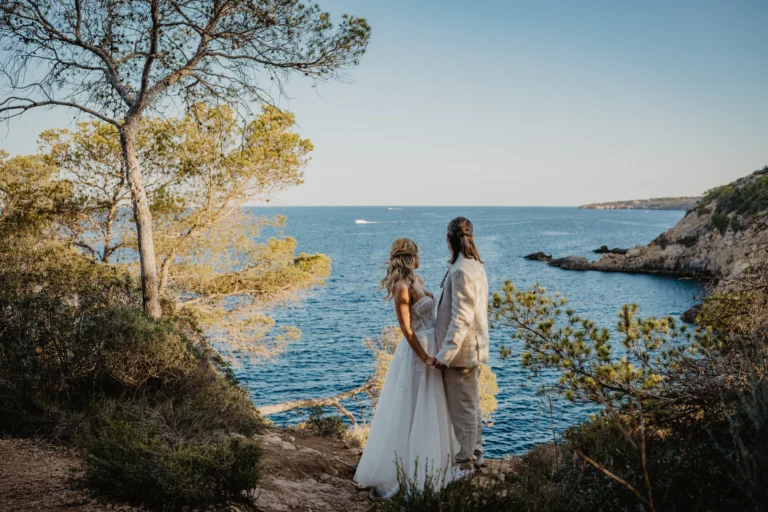
The choice of Oak Island, North Carolina, as the wedding location provided more than a scenic backdrop; it anchored the ceremony in generational history. The property, owned by the bride’s great-grandfather, has functioned as a central hub for family gatherings for decades. This decision aligns with a documented rise in "sentimental venue" selection, where couples opt for private residences to circumvent the logistical constraints of commercial event spaces while infusing the day with personal meaning.
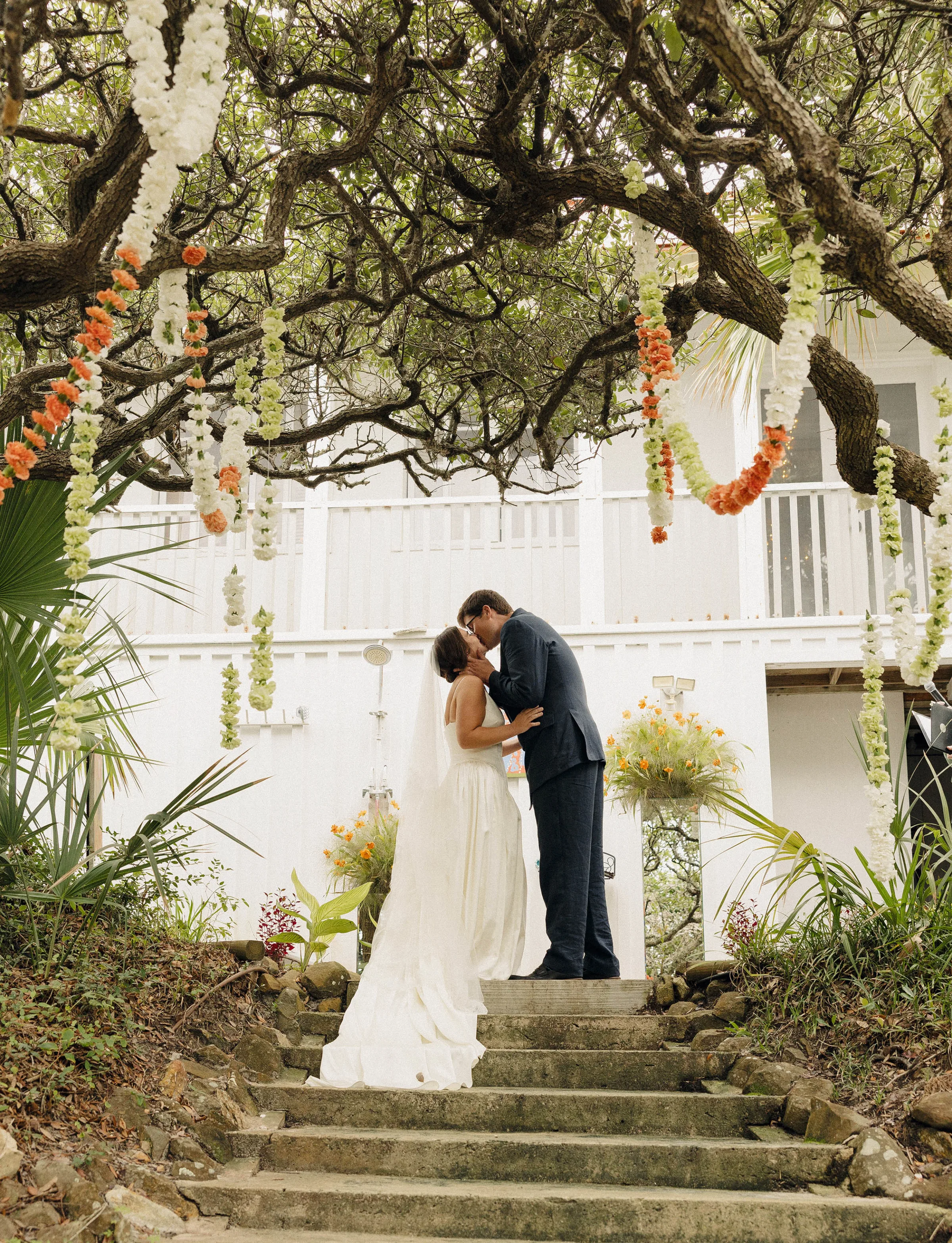
Oak Island itself, part of the Brunswick Islands, is known for its maritime forests and quiet coastal atmosphere, which dictated much of the wedding’s aesthetic. The bride, Olivia, sought to create a "familiar, comfortable, and romantic" environment, drawing inspiration from the way the surrounding nature had enveloped the historic home. The design philosophy was characterized by an "understated but intentional" feel, with floral arrangements designed to appear as though they were growing naturally from the house and the surrounding forest.
Relationship Chronology and Foundation
The union of Olivia and Franklin began in the summer of 2017 in Beaufort, North Carolina. Both were employed at The Spouter Inn, a local establishment where they developed a unique rapport during high-intensity shifts. A defining element of their early courtship was the "penny game," a playful tradition of hiding a coin around the dining room for the other to find. This specific detail would later be integrated into the wedding’s visual identity, appearing on custom guest cups alongside the phrase, "Just lucky, I guess."
The couple’s trajectory reflects the mobility of the modern workforce. Following their initial meeting, they relocated to Denver, Colorado, where Franklin attended culinary school and Olivia served as a healthcare professional during the global pandemic. After a subsequent move to Chicago, the couple returned to their roots in Beaufort in 2023.
The engagement occurred in September 2023 during a birthday weekend on Cedar Island, North Carolina. Franklin proposed with an antique ruby ring, a family heirloom that belonged to his great-grandmother from Hatteras, North Carolina. This choice of jewelry further emphasized the couple’s commitment to weaving family history into their marital journey.
Design Philosophy and Aesthetic Execution
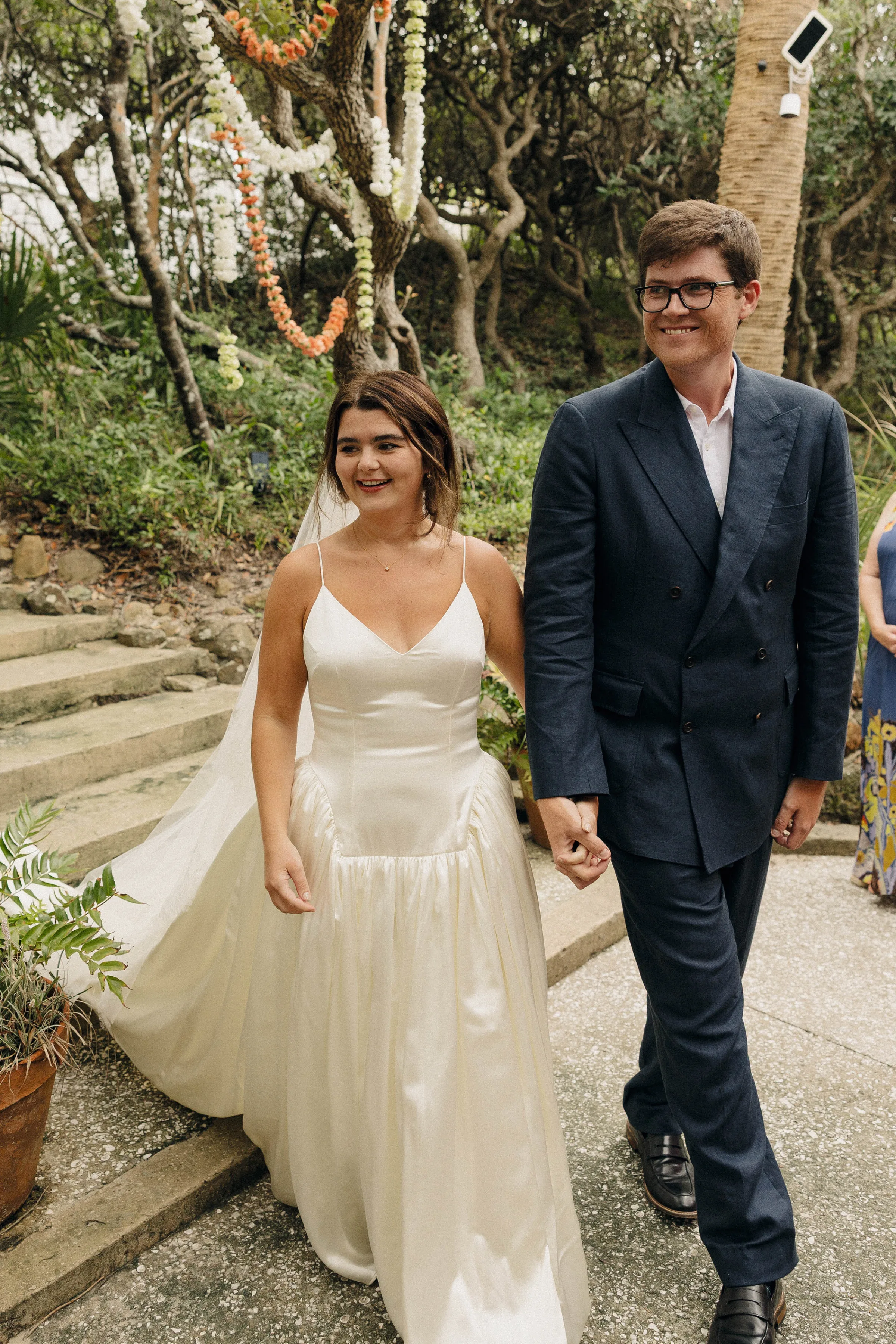
In a departure from highly curated color palettes, the couple chose a "mostly white" foundation, allowing the natural greenery of the Oak Island property and vibrant floral accents to provide visual depth. The primary accent color was orange, a personal favorite shared by both the bride and groom.
Floral and Fashion Elements
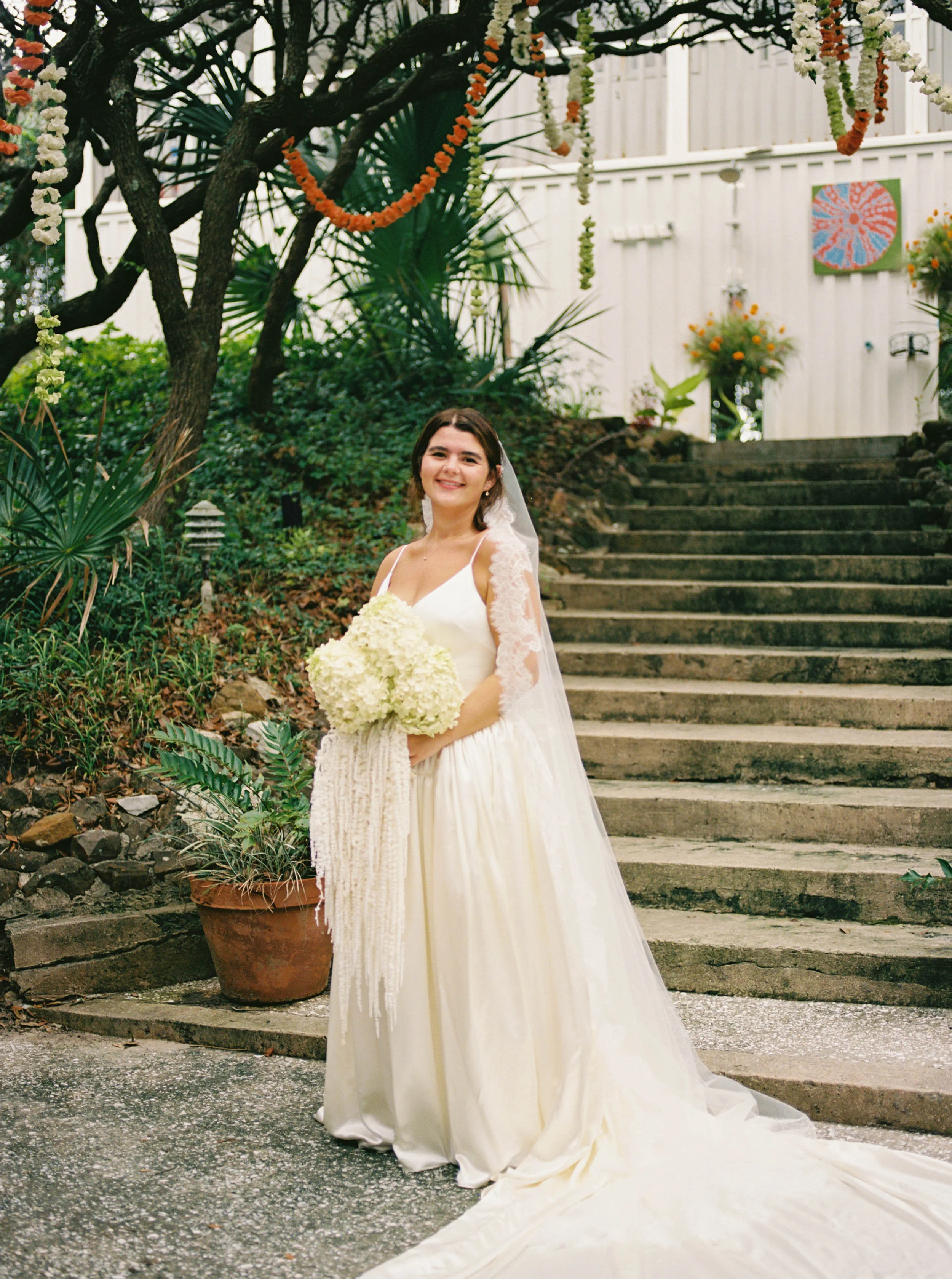
Field Floral, based in Richmond, Virginia, executed a design that bridged the gap between the built environment and the maritime forest. The arrangements utilized marigolds—a deliberate choice to honor Olivia’s late father—and incorporated greenery that mimicked the wild growth of the coastal landscape.
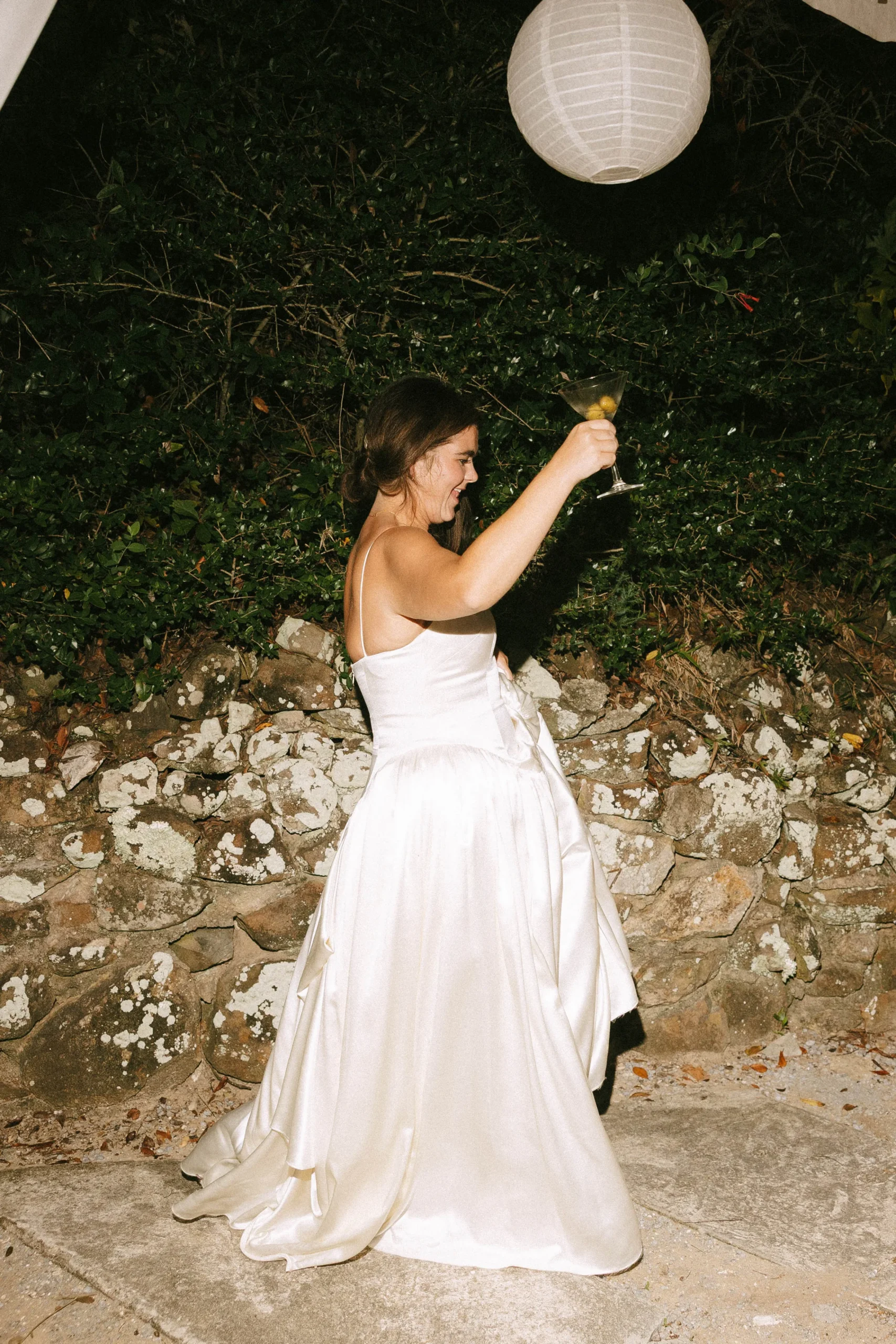
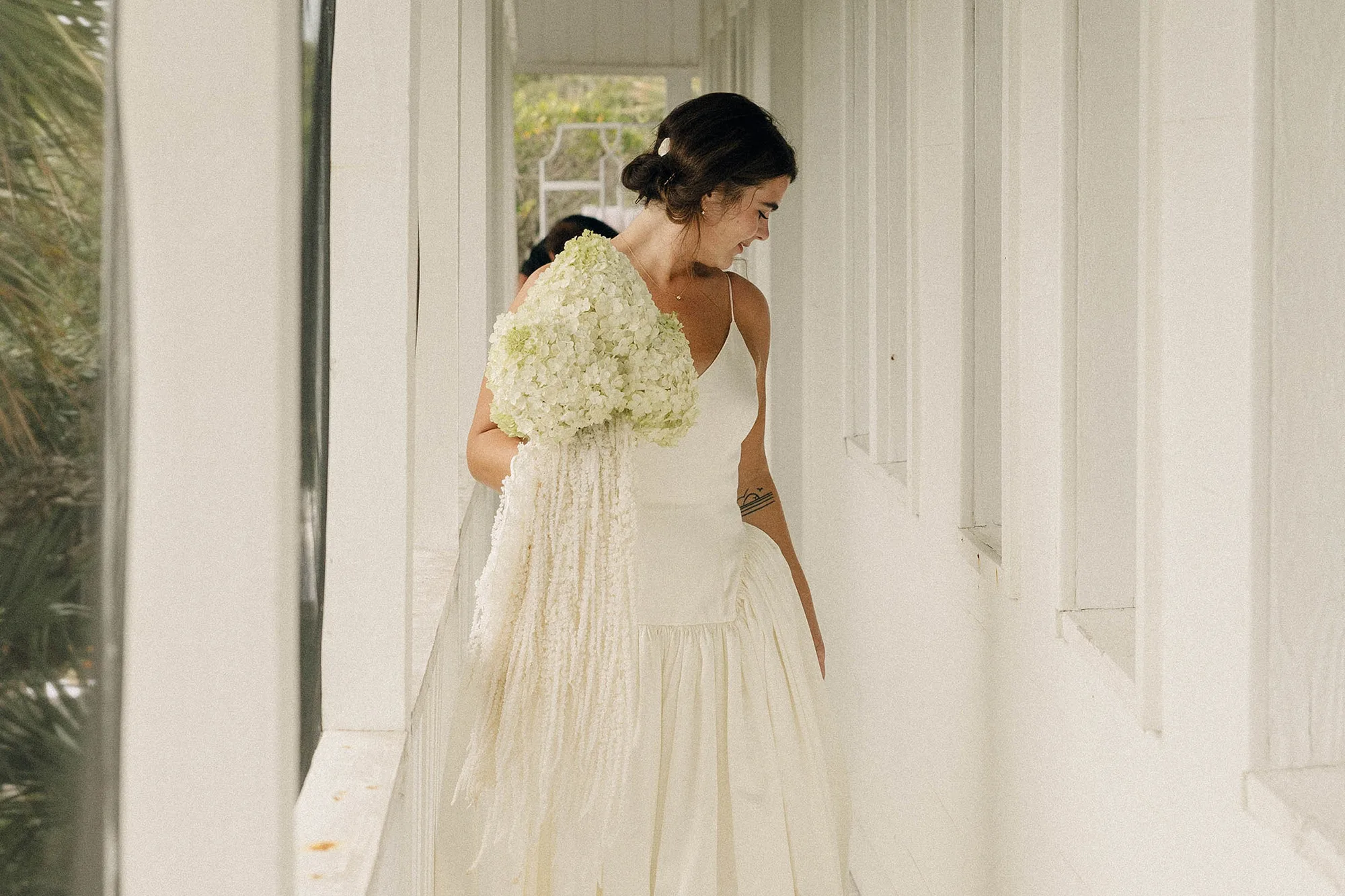
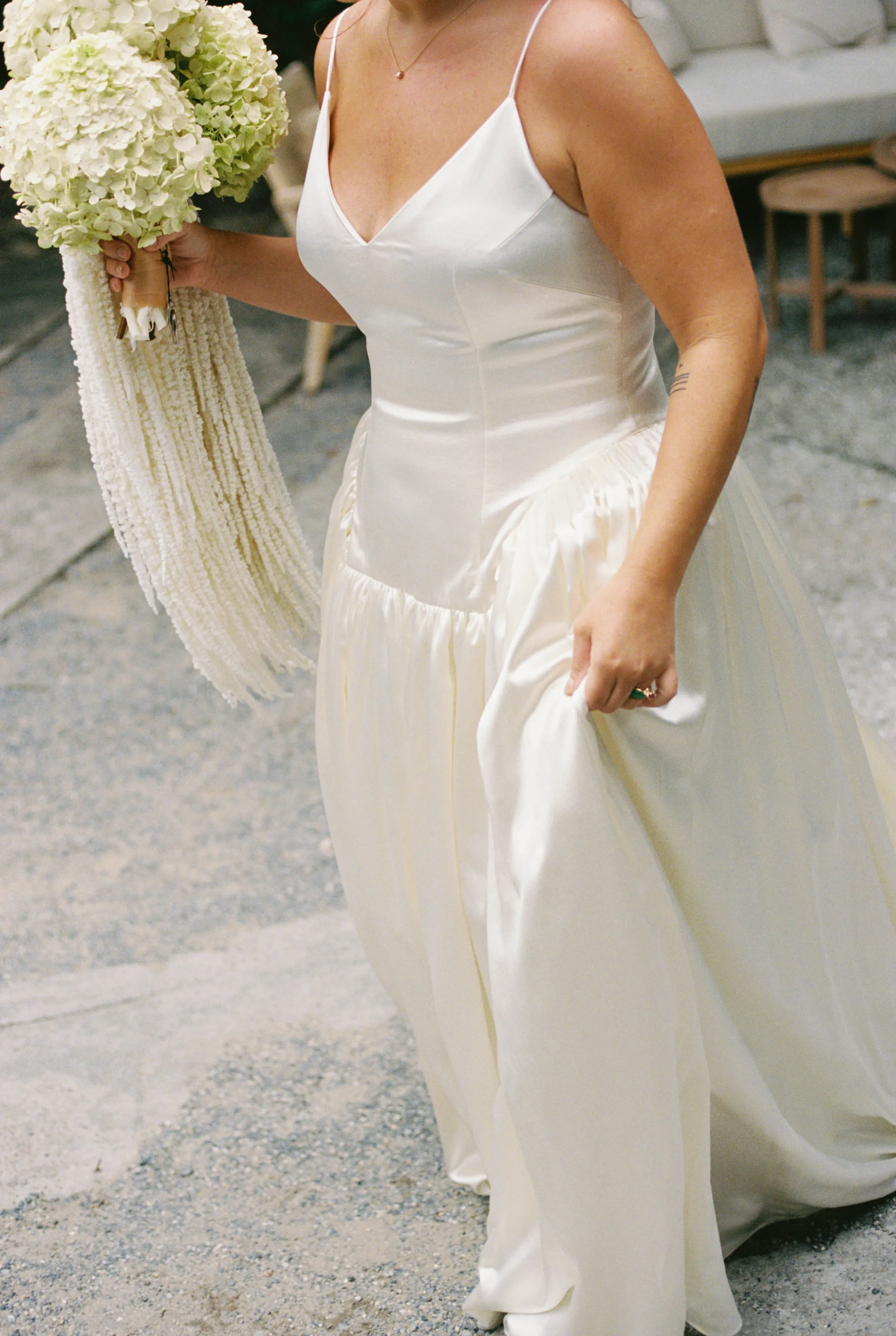
The bride’s attire featured the "Nina" gown by Danielle Frankel, a designer known for modern, non-traditional silhouettes that appeal to brides seeking a departure from classic ballroom aesthetics. The dropped-waist gown complemented the relaxed yet sophisticated tone of the private residence. To further personalize her ensemble, Olivia carried a locket featuring a photograph of her father, attached to a bouquet of white and green hydrangeas.
The Ceremony and Officiant Contributions
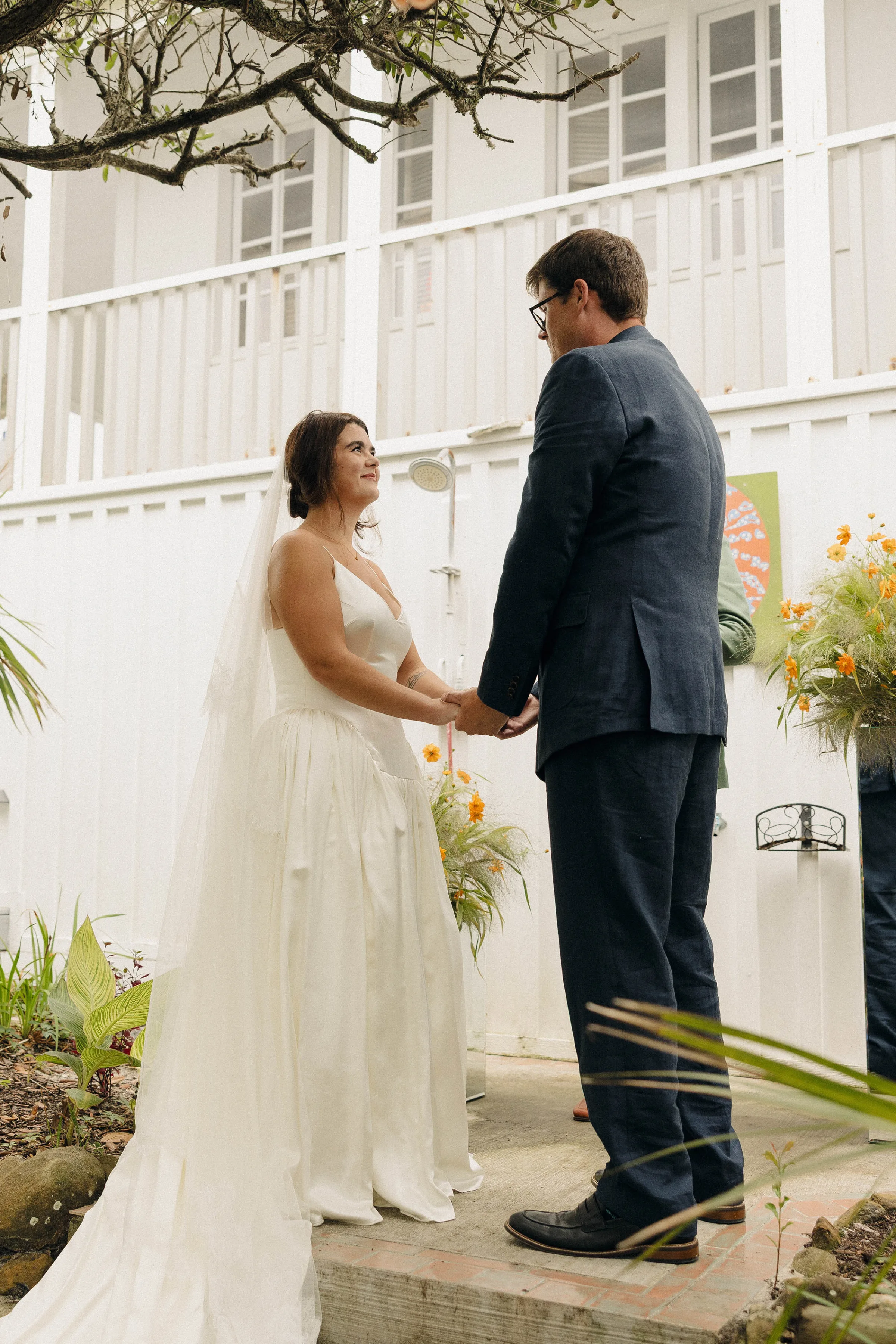
The ceremony was officiated by Andrew Bolling, a long-time friend of the bride who has been integrated into the family since her teenage years. This selection highlights a shift away from religious or professional officiants in favor of individuals with intimate knowledge of the couple’s history.
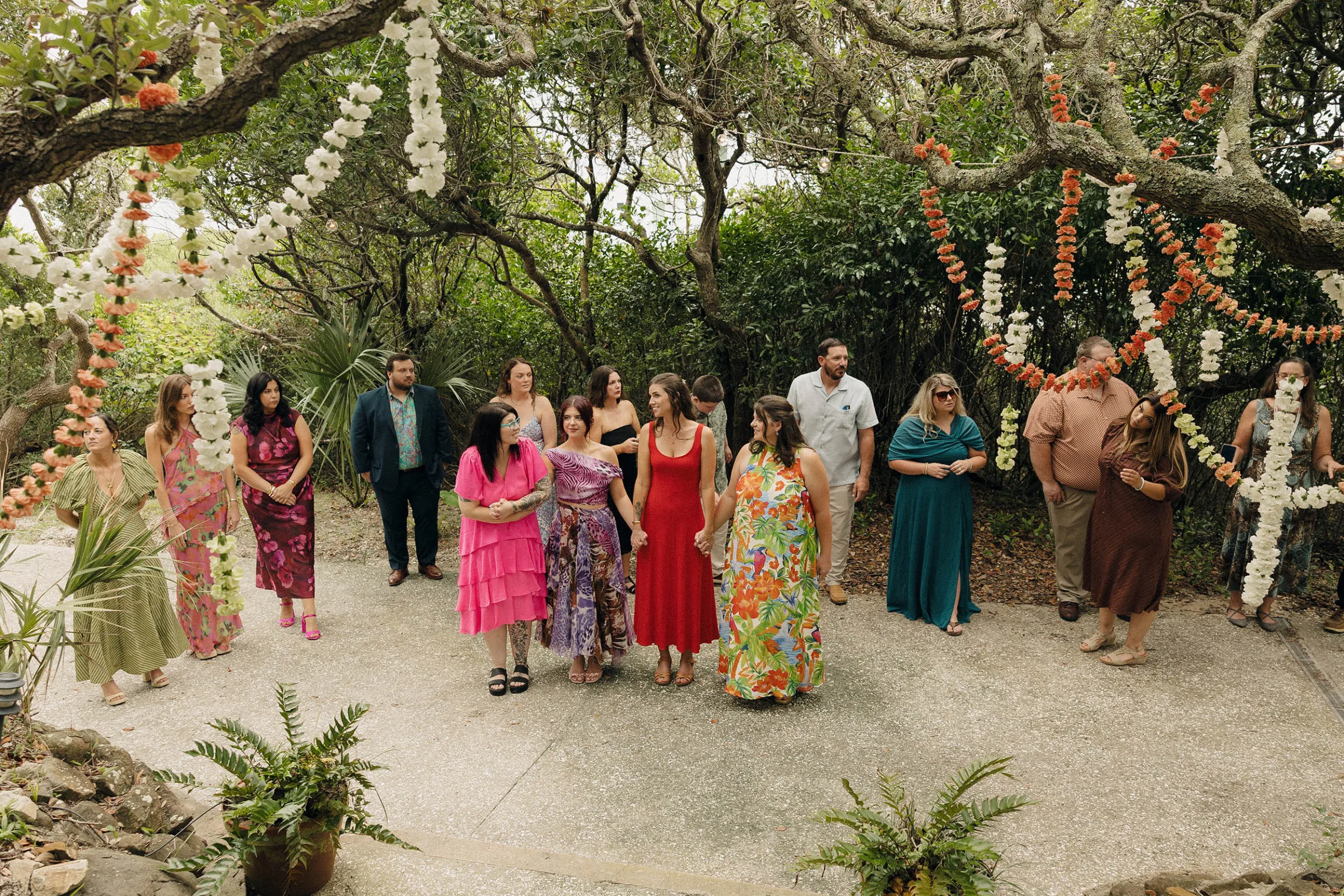
Bolling’s address focused on the lived experience of the couple’s love, citing their road trips, professional transitions, and the "penny games" that defined their early years. The ceremony was structured to be unconventional yet loyal to the couple’s specific dynamic. Olivia was escorted down the aisle by her older brother, a role necessitated by her father’s passing, which served as a poignant moment of family solidarity.
Culinary Strategy and Specialized Catering
Given the groom’s background as a trained chef and the couple’s shared history in the food and beverage industry, the culinary experience was a primary focus. They partnered with Spoonfed Kitchen to develop a menu that was entirely gluten-free, a logistical challenge that has become increasingly common as couples cater to diverse dietary requirements.
The wedding cake, produced by BeauBelle Honey Bakery in Wilmington, North Carolina, served as a focal point of the reception. The cake was an atypical shape—measuring approximately 8 inches by 3 feet—and featured four distinct flavors:
- Chocolate
- Crunchy Peanut Butter
- Carrot Cake
- Black Forest
The success of the gluten-free dessert was noted as a significant achievement, with the couple reporting that the quality exceeded the expectations usually associated with specialized dietary baking.
Logistical Analysis: Ditching the Bridal Party
One of the most notable logistical decisions made by Olivia and Franklin was the elimination of a formal bridal party. This choice reflects a broader critique of the modern wedding industry, which often imposes significant financial and emotional burdens on friends of the couple.
By removing the requirement for bridesmaids and groomsmen, the couple achieved several objectives:
- Reduced Aesthetic Rigidity: Friends were encouraged to wear attire of their choosing, leading to more authentic photographic representation.
- Simplified Coordination: The couple avoided the complexities of managing group schedules, dress fittings, and bachelorette/bachelor excursions.
- Focus on Experience: The absence of a formal "party" allowed the couple to focus on the collective experience of all guests rather than a select tier of attendees.
Olivia’s "words of wedded wisdom" suggested that the industry-driven expectations for large bridal parties can create unnecessary stress, and her experience suggests that modern guests often appreciate the lack of formal obligation.
Supporting Data: The Rise of Private Residence Weddings
The wedding of Olivia and Franklin sits within a statistical trend where couples are increasingly seeking alternatives to traditional hotel or banquet hall venues. According to industry reports, "home-based" weddings allow for:
- Extended Celebrations: Unlike commercial venues with strict 4-to-6-hour windows, private residences allow for "trickle-in" arrivals, similar to the "Mamma Mia" atmosphere cited by the bride.
- Cost Allocation: Savings on venue rental fees are often reallocated to high-priority items like premium catering or specialized photography.
- Emotional Comfort: Data suggests that couples feel more relaxed in familiar environments, which translates to more natural interactions and better photographic outcomes.
Professional Documentation
The event was documented by Leslie DeAnn Photography, a specialist in East Coast weddings. The photographic style prioritized candid moments and the interplay between the couple and the natural light of the coastal setting. The use of both photography and video ensured a comprehensive record of the day’s events, from the stone-step ceremony to the late-night celebrations.
Broader Implications and Industry Trends
The Oak Island wedding serves as a case study for the "New Sincerity" movement in the wedding industry. This movement prioritizes authenticity and personal narrative over standardized luxury. By integrating elements such as the "penny game," the late father’s favorite flowers, and a venue with deep ancestral roots, Olivia and Franklin created a template for modern couples who wish to honor tradition without being confined by it.
The success of the event also highlights the importance of vendor synergy. The ability of Field Floral and Spoonfed Kitchen to translate vague "streams of thought" into a cohesive sensory experience suggests that the role of the modern wedding vendor is evolving from a service provider to a creative collaborator.
In conclusion, the marriage of Olivia and Franklin at their family home on Oak Island demonstrates that when the focus remains on meaningful connection and personal history, the resulting celebration resonates more deeply than those governed by external expectations. Their decision to prioritize food quality, family comfort, and emotional honesty reflects a sophisticated understanding of what constitutes a successful modern union.