










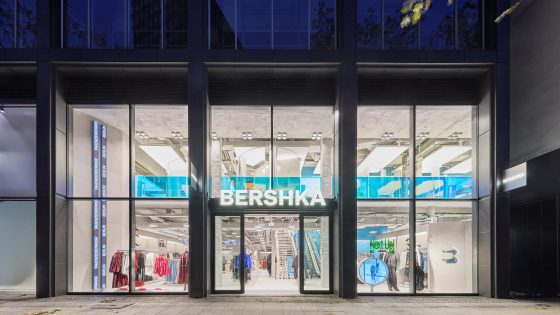
The dynamic retail landscape of Oxford is set to welcome a significant new addition this autumn, as global fast-fashion giant Bershka prepares to open a new store at the Westgate Oxford shopping centre, Drapers, the leading fashion business publication, has exclusively revealed on 26 June 2026. This strategic move by the Inditex-owned brand underscores a continued commitment to physical retail spaces, even as the industry navigates evolving consumer habits and the burgeoning influence of e-commerce. The forthcoming establishment marks a notable expansion for Bershka in the UK market and is poised to further enhance Westgate Oxford’s already diverse tenant mix, attracting a younger demographic and solidifying its status as a premier shopping destination in the region.
Bershka’s Strategic Expansion and Brand Identity
Bershka, founded in 1998, operates under the umbrella of the Spanish multinational fashion group Inditex, which also owns renowned brands such as Zara, Pull & Bear, and Stradivarius. Known for its youthful, trend-driven aesthetic, Bershka caters primarily to Gen Z and young millennial consumers aged between 13 and 25. Its collections are characterized by their contemporary design, affordability, and rapid adaptation to the latest fashion trends, encompassing everything from casual streetwear to more sophisticated party wear, alongside a growing range of accessories and footwear. The brand’s global footprint is extensive, with hundreds of stores across dozens of countries, supported by a robust online presence. The decision to open in Westgate Oxford reflects a meticulous strategy to position its physical stores in high-footfall, demographically relevant locations, complementing its digital sales channels. For a brand like Bershka, a physical store offers more than just a point of sale; it serves as a crucial touchpoint for brand immersion, allowing customers to experience the product firsthand, engage with visual merchandising, and partake in the social aspect of shopping that remains vital for its target audience. This blend of online accessibility and physical presence is a cornerstone of Inditex’s overarching retail strategy, aiming to create a seamless, omnichannel experience for its global customer base.
Westgate Oxford: A Premier Retail Destination
Westgate Oxford, which underwent a transformative £440 million redevelopment and reopened in October 2017, has firmly established itself as a cornerstone of Oxford’s retail, dining, and leisure scene. Situated in the heart of the historic city, the centre boasts over 100 shops, 25 restaurants and cafés, a cinema, and a luxury rooftop terrace with panoramic views of the city’s iconic spires. Its architectural design, blending contemporary elements with traditional Oxford stone, creates an inviting and upscale atmosphere that attracts millions of visitors annually. The centre’s strategic location, combined with its diverse offering, appeals to a broad demographic, from local residents and university students to domestic and international tourists. Securing a brand of Bershka’s calibre further enhances Westgate Oxford’s appeal, particularly to the younger, fashion-conscious consumer segment. The centre’s management has consistently aimed to curate a compelling mix of international and independent brands, ensuring a dynamic and relevant retail environment. The arrival of Bershka is anticipated to drive additional footfall, particularly from students and young professionals who align with the brand’s aesthetic, further bolstering the centre’s position as a leading retail destination in the South East of England.
The Broader Context of Fast Fashion and Physical Retail
The announcement comes at a time when the retail sector continues to evolve rapidly, grappling with the lingering effects of global economic shifts, supply chain complexities, and a pronounced acceleration in digital adoption. Despite the pervasive narrative surrounding the dominance of e-commerce, physical retail stores, particularly in the fashion segment, continue to demonstrate resilience and strategic importance. For fast-fashion brands like Bershka, physical stores play a critical role in brand visibility, product discovery, and immediate gratification. Consumers, especially the younger demographic, often enjoy the tactile experience of trying on clothes, the social aspect of shopping with friends, and the instant availability of items. Furthermore, brick-and-mortar locations serve as powerful marketing tools, creating immersive brand experiences that are difficult to replicate online. Data from retail analytics firms consistently show that while online sales continue to grow, physical stores remain crucial for driving brand loyalty and overall sales, often acting as showrooms that influence online purchases and vice versa. The return to physical store expansion by major players like Inditex, post-pandemic, signals a renewed confidence in the enduring value of tangible retail presence, albeit with an increased emphasis on integration with digital channels and creating engaging in-store experiences.
Anticipated Statements and Reactions
While specific official statements are yet to be released following Drapers’ exclusive reveal, the logical inferences suggest enthusiastic responses from all parties involved.
A spokesperson for Bershka (or its parent company Inditex) would likely emphasize the strategic importance of Oxford as a vibrant, youthful market with a significant student population, perfectly aligning with Bershka’s core demographic. They would likely highlight the brand’s commitment to expanding its physical footprint in key global cities and express excitement about joining Westgate Oxford’s prestigious tenant lineup, underscoring the brand’s dedication to providing an accessible, trend-led fashion experience.
From Westgate Oxford’s management, a statement would undoubtedly celebrate the addition of such a highly sought-after international brand. They would likely point to Bershka’s arrival as a testament to Westgate’s appeal as a prime retail destination, capable of attracting leading global retailers. The statement would probably focus on how Bershka will enhance the centre’s fashion offering, diversify its appeal to a broader and younger audience, and contribute to an even more dynamic and comprehensive visitor experience. The potential for increased footfall and dwell time would also be a key message.
Retail analysts are expected to view this move as a shrewd strategic play by Inditex. They might comment on the ongoing trend of fast fashion brands maintaining a strong physical presence to complement their digital channels, particularly in cities with robust youth demographics. Analysts could also weigh in on the competitive landscape within Oxford, suggesting that Bershka’s entry will intensify competition among fashion retailers but ultimately offer more choice to consumers and potentially draw shoppers from a wider catchment area.
Local business leaders, such as representatives from the Oxford Chamber of Commerce, might welcome the news for its potential economic benefits. They would likely highlight the creation of new employment opportunities, both directly within the store and indirectly through increased footfall for other businesses within the centre and the wider city. The positive impact on Oxford’s reputation as a leading retail hub in the UK would also be a probable talking point.
Economic Implications and Local Impact
The opening of Bershka at Westgate Oxford carries significant economic implications for the city and the wider region. Firstly, it represents a direct investment in the local economy, leading to job creation. A typical Bershka store, depending on its size, can employ dozens of staff, ranging from store managers and visual merchandisers to sales associates and stockroom personnel. This influx of new jobs will provide opportunities for local residents, including students and young people, contributing to the city’s employment figures.
Secondly, the increased footfall generated by a popular brand like Bershka is expected to have a ripple effect on other retailers, restaurants, and leisure facilities within Westgate Oxford and potentially in the surrounding city centre. More visitors mean more spending across various sectors, stimulating local commerce. This positive externality is a key benefit of attracting anchor tenants and high-profile brands to shopping centres.
Thirdly, the arrival of Bershka solidifies Oxford’s position as a vibrant retail destination. In an era where many high streets face challenges, the ability of a city to attract and retain major international brands is a strong indicator of its economic health and consumer spending power. This strengthens Oxford’s attractiveness not just for shoppers but also for other potential businesses looking to invest in the city.
However, it also presents a competitive challenge for existing fashion retailers in Oxford, particularly those catering to a similar demographic. Local boutiques and smaller chains will need to innovate and differentiate themselves to compete with Bershka’s extensive range, rapid trend cycles, and competitive pricing. This competition, while challenging for individual businesses, can ultimately benefit consumers through greater choice and potentially better value.
Chronology and Timeline
- 1998: Bershka is founded as part of the Inditex group, targeting a young, fashion-conscious demographic.
- Early 2000s onwards: Bershka embarks on rapid international expansion, establishing a presence across Europe, Asia, the Middle East, and the Americas.
- 2017 (October): Westgate Oxford undergoes a significant £440 million redevelopment, reopening as a modern, premium retail and leisure destination, attracting a host of international and national brands.
- 2020-2022: The global retail sector faces unprecedented challenges due to the COVID-19 pandemic, leading to a temporary slowdown in physical store expansions, though Inditex continues to invest strategically in omnichannel capabilities.
- 2023-2025: Retail markets begin to recover, with major brands cautiously resuming expansion plans in key locations, recognizing the enduring importance of physical presence.
- 26 June 2026: Drapers exclusively reveals Bershka’s plan to open a new store at Westgate Oxford.
- Autumn 2026: Bershka is slated to officially open its doors at Westgate Oxford, marking a new chapter for both the brand and the shopping centre.
Broader Implications for Fast Fashion and Retail Strategy
The decision by Bershka to open a new store at Westgate Oxford is not merely a localized event but reflects broader strategic implications for the fast fashion industry and retail as a whole. It signifies that despite ongoing debates about sustainability and the rise of recommerce, the demand for affordable, trend-driven fashion remains robust. Fast fashion brands are increasingly investing in more sustainable practices, from material sourcing to production processes, in response to growing consumer awareness, though the core business model of rapid trend turnover persists.
Furthermore, this expansion highlights the critical role of physical retail in an omnichannel strategy. For Inditex, which has consistently demonstrated agility in adapting to market changes, the physical store acts as an integral component of its ecosystem. It provides brand visibility, allows for immediate customer interaction and feedback, and serves as a vital touchpoint for click-and-collect services, seamlessly bridging the gap between online and offline shopping. This integrated approach is becoming the gold standard for successful retailers, ensuring that consumers can engage with brands on their own terms, whether through browsing online, visiting a physical store, or a combination of both.
The Oxford market, with its youthful demographic, strong tourist appeal, and vibrant economy, presents an ideal environment for Bershka to thrive. The new store is expected not only to capture a significant share of the local fashion market but also to attract shoppers from surrounding areas, reinforcing Westgate Oxford’s status as a regional retail powerhouse. As the retail sector continues its dynamic evolution, Bershka’s latest venture stands as a testament to the enduring power of strategically located, experience-driven physical stores in the modern consumer landscape.