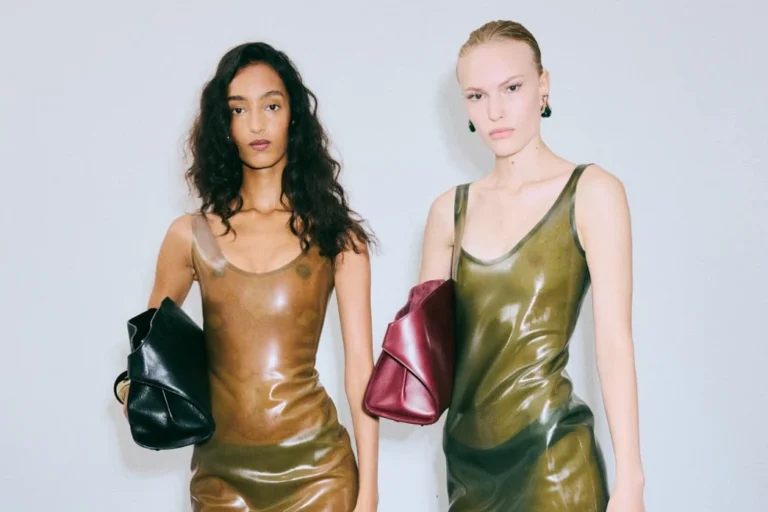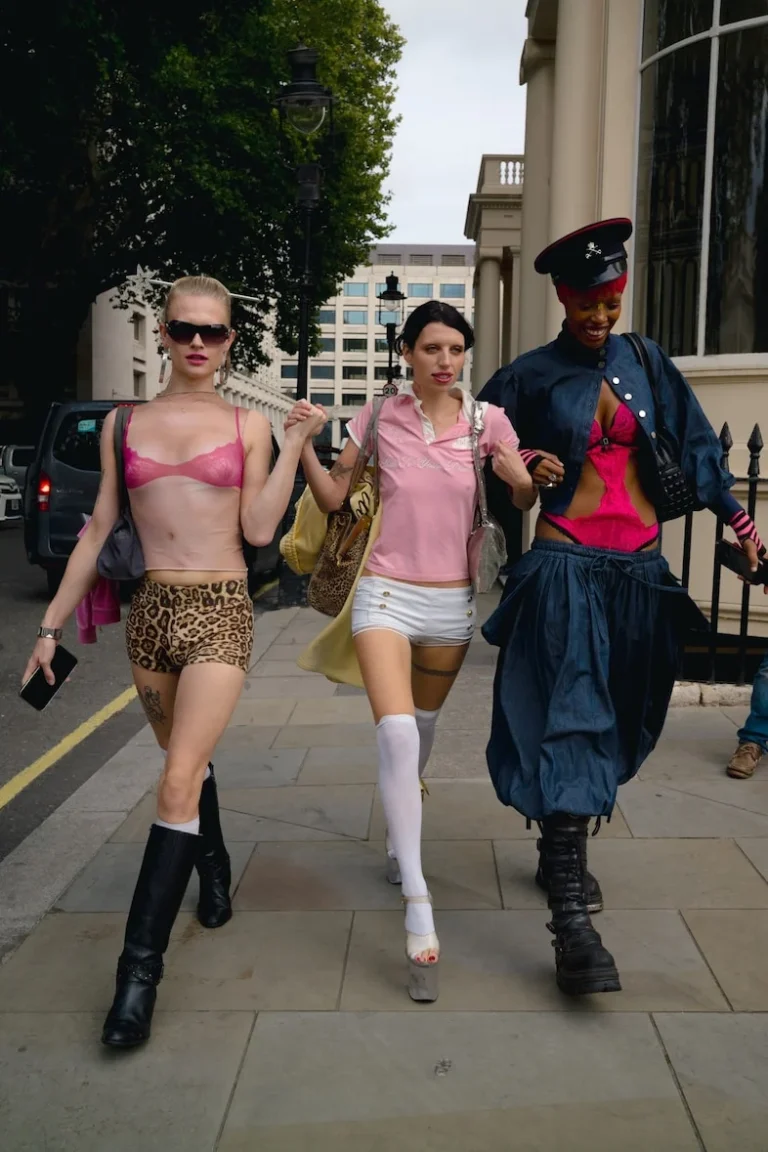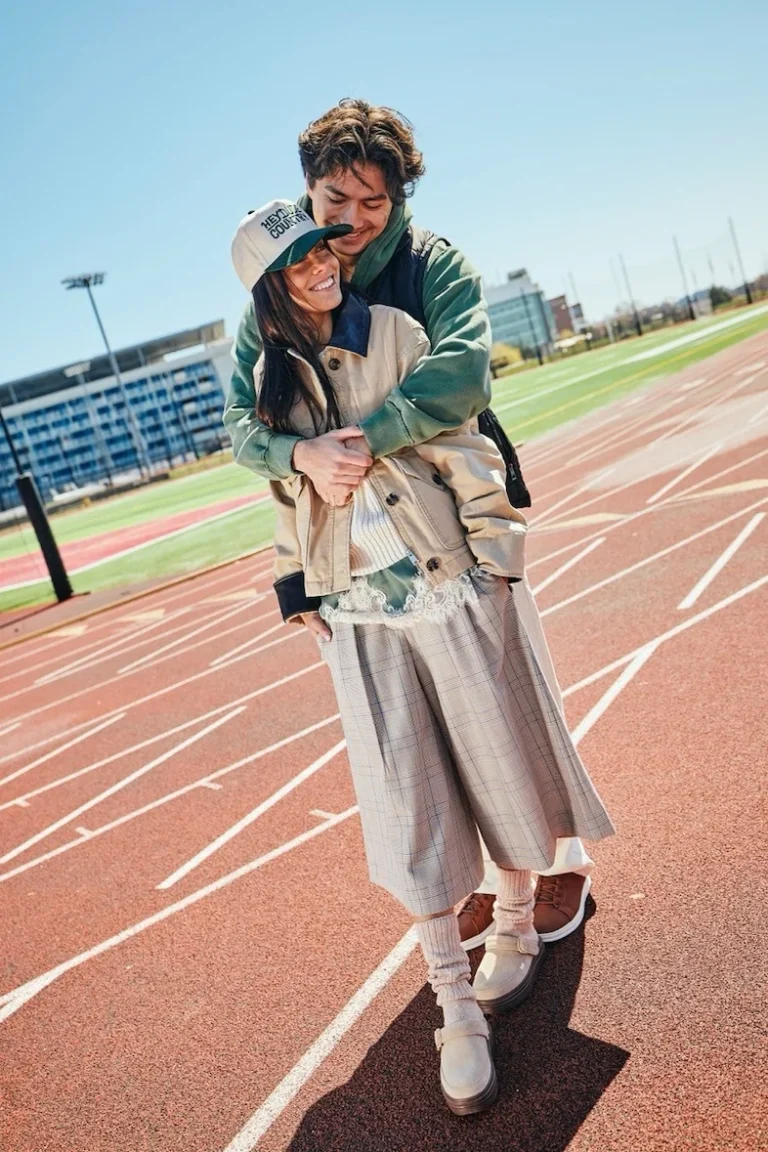
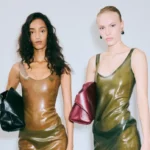





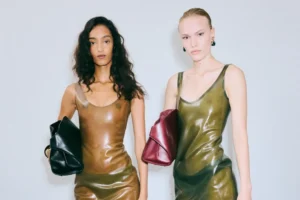


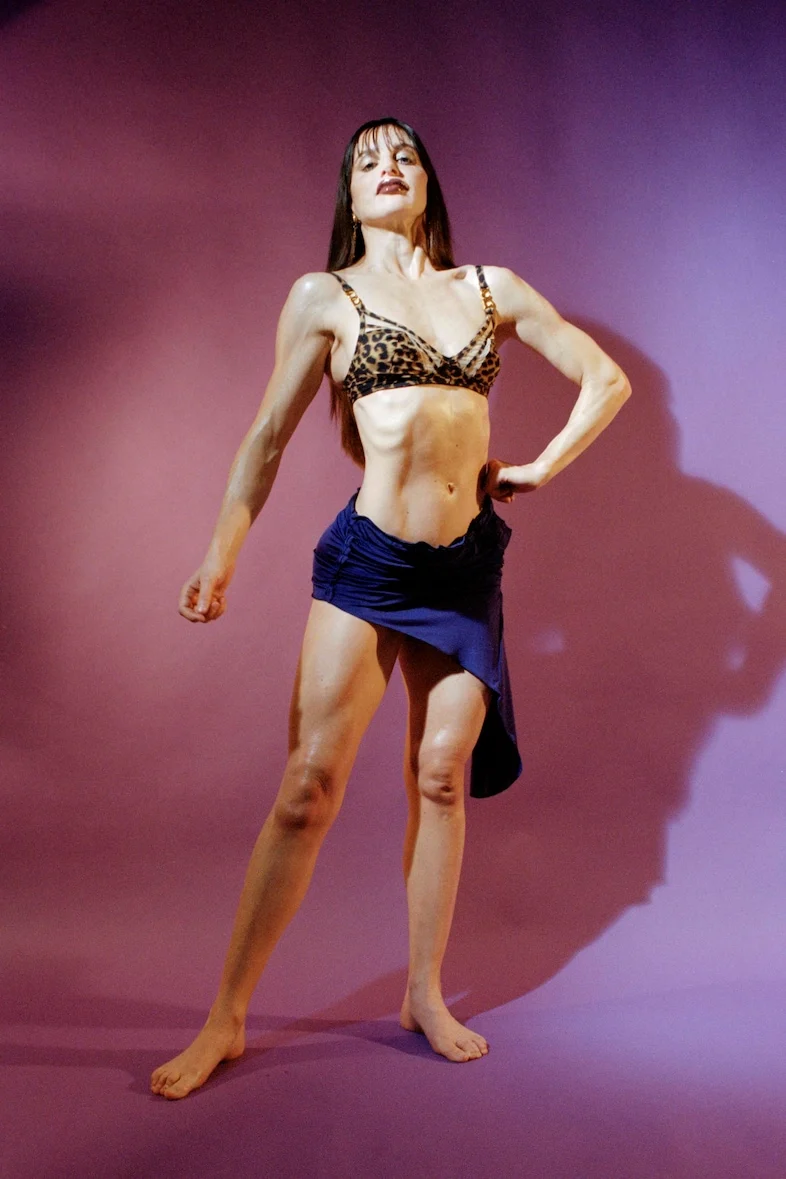
The Maison Européenne de la Photographie (MEP) in Paris is currently hosting a landmark exhibition celebrating the distinctive vision of French photographer Camille Vivier, whose work has consistently redefined the boundaries of fashion imagery by merging high art sensibilities with a profound sense of curiosity and irreverence. The retrospective, which runs until September 13, 2026, marks a significant moment in Vivier’s career, acknowledging her two decades of innovative contributions to both commercial and personal photographic realms. Known for her unique approach that prioritizes illusion and transformation over mere prettiness or adornment, Vivier has carved out a singular space where the theatrical, the seductive, and the challenging coalesce, inviting viewers into a world where conventional beauty standards are continuously questioned and reimagined.
Vivier’s Ascent: From Central Saint Martins to Fashion’s Avant-Garde
Camille Vivier’s journey into the upper echelons of the photography world began with a foundational education at Central Saint Martins in London, a crucible for creative talent renowned globally for its rigorous and experimental approach to art and design. Graduating in 1996, a pivotal moment in the evolution of contemporary fashion and art, Vivier quickly distinguished herself. The following year, her nascent talent received international acclaim when she was honored as a winner at the prestigious Hyères Fashion Festival. This annual event, dedicated to supporting emerging artists in fashion, photography, and accessories, served as a crucial springboard for Vivier, validating her unique perspective and opening doors to the competitive world of high fashion. The festival’s recognition underscored her potential to inject fresh perspectives into a genre often constrained by commercial demands.
From that moment, Vivier’s trajectory has been one of continuous ascent. She swiftly became a sought-after name, collaborating with the biggest magazines and most influential brands in the fashion industry. Yet, even as her commercial success grew, Vivier remained steadfast in her artistic philosophy. Her work has consistently stood apart from the mainstream, eschewing traditional notions of glamorous perfection in favor of narratives that delve into the nature of illusion and transformation. This unwavering commitment to her vision allowed her to subvert the established traditions of commercial photography, challenging predefined notions of beauty and dismantling the often rigid distinctions between fine art and fashion imagery. Her early career also saw her assisting at Purple magazine, an influential independent publication known for its embrace of raw and authentic aesthetics, which contrasted sharply with the then-dominant "anti-fashion" sensibilities popularized by photographers like Juergen Teller and Wolfgang Tillmans. While their work championed a stark, documentary-style realism, Vivier began to forge a path that, while equally subversive, leaned into a more theatrical and fantastical realm, proving that challenging norms could take many forms.
"Femmes Fantastiques": A High-Voltage Retrospective at the MEP
The MEP exhibition, aptly described as a "high-voltage, theatrical, and dangerously seductive show," offers an immersive exploration of Vivier’s distinct visual language. Curated to present a comprehensive overview of her personal and commercial endeavors, the exhibition highlights the intricate tapestry of influences and themes that define her oeuvre. Visitors are confronted with a compelling collision of fantasy, fetishism, mythology, romance, underground culture, and horror, all filtered through Vivier’s unique lens.
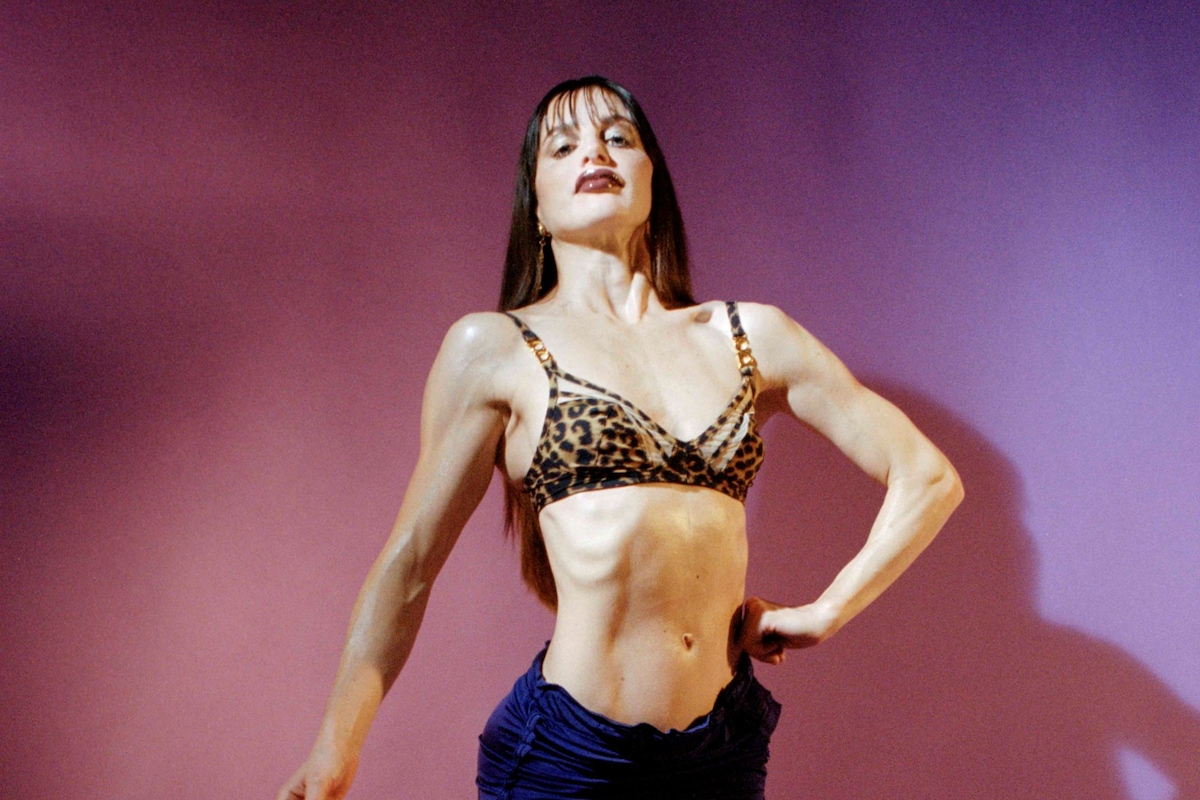
Central to the exhibition are Vivier’s "venomous female protagonists" – figures who exude power and agency, often pushing the boundaries of conventional good and bad taste. These women are not passive subjects but active participants in narratives that defy easy categorization, reflecting a nuanced understanding of female strength and complexity. The MEP’s decision to host such a significant retrospective speaks to Vivier’s enduring impact and her pivotal role in shaping contemporary photographic discourse. The institution, known for its dedication to showcasing the full spectrum of photographic art, recognizes Vivier’s ability to transcend genres and engage with profound cultural questions through her visually arresting work. A representative from the MEP, in a statement regarding the exhibition’s intent, emphasized Vivier’s "unparalleled ability to synthesize diverse cultural references into a coherent and utterly unique visual universe, offering a critical yet captivating commentary on identity, desire, and the evolving portrayal of women in contemporary society."
A Kaleidoscope of References and Influences
One of the most striking aspects revealed by the exhibition is the vast and eclectic range of references that inform Vivier’s artistic practice. Her inspirations span the spectrum of high art, literature, popular culture, and niche subcultures, demonstrating a boundless intellectual curiosity. She draws inspiration from the surrealist writings of André Pieyre de Mandiargues, a French author known for his exploration of eroticism, mysticism, and the fantastic, infusing her imagery with a similar dreamlike, unsettling quality. Simultaneously, she finds resonance in the vibrant narratives of comic strips, highlighting a democratic approach to cultural consumption that eschews hierarchical distinctions between "high" and "low" art.
Cinema also plays a crucial role in Vivier’s imaginative world. She is as profoundly influenced by sci-fi classics like David Cronenberg’s Videodrome (1983), with its unsettling fusion of technology and the human body, as she is by the stark, psychological intensity of Joseph Losey’s film noir movies. This cinematic influence is evident in her dramatic lighting, atmospheric compositions, and the palpable tension she often creates within her photographs. Furthermore, her work resonates with the dark, biomechanical aesthetics of H.R. Giger, the Swiss artist famous for his design work on Alien, whose monster-packed environments often explore themes of birth, death, and sexuality. Yet, Vivier can equally find inspiration in the serene, intricate beauty of 16th-century Mannerist gardens in Italy, known for their elaborate sculptures, grotesque figures, and theatrical layouts. Regardless of the subject – be it human bodies, abstract sculptures, or found artifacts – Vivier imbues each image with a distinct "feminine twist," a perspective that reclaims and reinterprets these diverse influences through a specifically female gaze. This intricate layering of references underscores her ability to create images that are simultaneously deeply personal and universally resonant.
The Personal and the Political: Vivier’s Dialogue with Beauty Standards and Identity
Vivier’s artistic philosophy is deeply rooted in her personal experiences and a conscious engagement with evolving societal norms. Her upbringing in the 14th arrondissement of Paris was, as she describes, "very feminine," shaped by the presence of her mother, sister, and grandmother living on the same street. Her mother, an 80s stylist in Paris, exposed her to the vibrant, often eccentric, world of fashion, while her father, a photographer, provided an early introduction to the craft. This environment fostered an ease with meeting new people and making connections, an invaluable asset in her career. Sharing a bedroom with her older sister, surrounded by Marilyn Monroe posters, Betty Boop lights, and perfumes, instilled a sense of glamorous femininity, contrasted with her own burgeoning interest in "underground" — or what she now identifies as "queer" — culture. This blend of popular culture, her mother’s eccentricities, and her grandmother’s classical education formed a rich, multifaceted foundation for her artistic outlook. The perceived "weirdness" of a conventional family dinner at a friend’s house highlights the unique, free-spirited atmosphere of her childhood home.
This early exposure to diverse cultural expressions undoubtedly shaped her understanding of identity and beauty. Vivier recalls Madonna’s True Blue (1986) album cover as her "first female fantasy," an image that subconsciously influenced her classical approach to light and form. This blend of classical aestheticism with a fascination for pop culture iconography speaks to the duality inherent in her work.
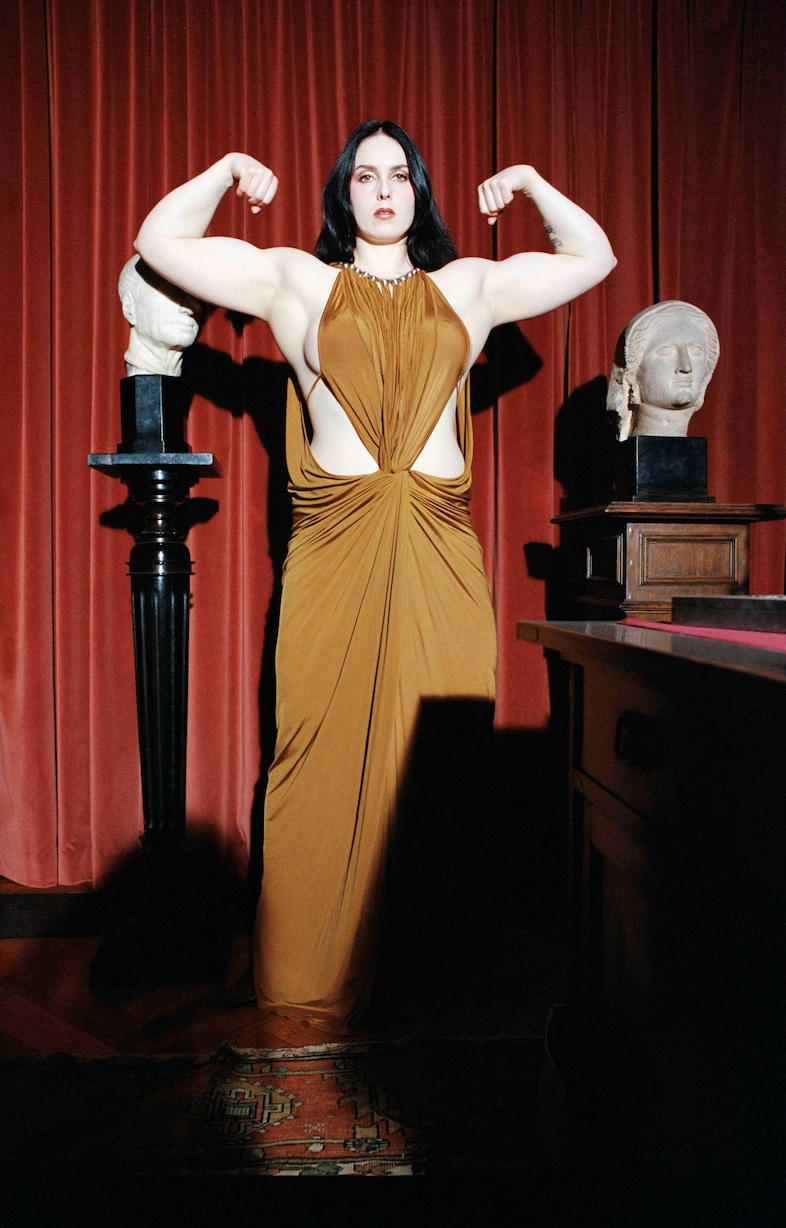
Vivier has also been a keen observer of the shifting landscape of conventional beauty standards within and outside the fashion world. She notes a significant evolution from childhood memories of "weird American books about the ‘most beautiful’ women in the world, who were also the richest women," to a more inclusive contemporary understanding. This conscious shift towards greater inclusivity is a cornerstone of her practice, particularly evident in her deliberate choice to feature "unconventional bodies" in her work. She actively seeks out models through casting agents, as well as through platforms like Instagram, where her algorithm for "muscly women" led her to Deborah, a British model.
Her collaboration with Sophie, a bodybuilder competing in the "bikini" category (which emphasizes sculpted physique without steroids), exemplifies this approach. Vivier was drawn to Sophie’s "architectural body," drawing inspiration from photographers like Robert Mapplethorpe, who explored the sculptural qualities of the human form. The resulting images showcase the body as a work of art, challenging traditional feminine ideals. The photograph of Deborah in Sigmund Freud’s house further underscores this theme. Posing a strong, muscular woman against the dusty, masculine backdrop of Freud’s cabinet, Vivier creates a powerful juxtaposition. This image, far from being overtly symbolic, instead encourages questioning and interpretation, reflecting Vivier’s view of psychoanalysis itself as an interpretive rather than definitive framework. Deborah "shines, kind of like a superhero," Vivier notes, embodying a contemporary vision of female power that transcends historical and gendered spaces.
Self-Portraiture, Play, and the Cinematic Gaze
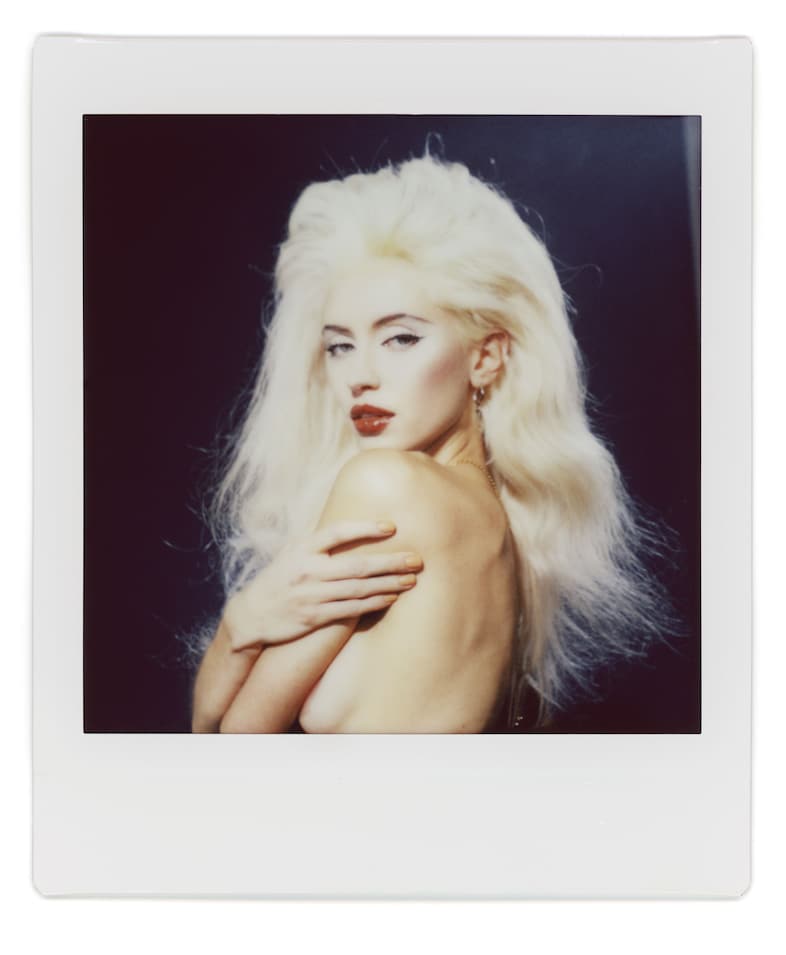
Self-portraiture has been an integral part of Vivier’s artistic journey, evolving from a practical necessity to a deeply personal form of expression. Beginning in her youth when models were unavailable, these self-portraits started as a "funny in a narcissistic way" endeavor. Now, at 48, she embraces this "narcissism a second time," viewing it as a "very pleasant, DIY process." This intimate approach involves putting on music, experimenting with outfits, and using her iPhone – a stark contrast to the elaborate productions of her commercial work. This personal practice is not merely about vanity but about a continuous exploration of identity, vulnerability, and the artist’s evolving relationship with her own image. The cover of her new book, Polaroids, features a charming self-portrait from childhood: Vivier dressed as a rabbit, eating a carrot, a testament to the enduring importance of innocence and play in her creative process.
Her Polaroids book also delves into the tactile and temporal qualities of photography, including images of "body parts I’ve taken on the TV screen" using a vintage Phillips television. This fascination with the mediated image and the imperfections of older technology connects directly to her love for cinema, particularly the body horror genre. David Cronenberg’s The Fly (1986) stands out as a favorite, appreciated for its exploration of physical transformation without focusing on female bodies. Vivier is drawn more to the "aesthetic, atmosphere, and psychology" of horror films than their plots, finding inspiration in the visual language of movies like Species (1995), particularly its lighting and framing. The fact that H.R. Giger designed the models for Sil, the film’s alien-human hybrid, further links her cinematic influences to her broader artistic references, demonstrating how these seemingly disparate elements coalesce in her unique vision.
Obsessions, Symbolism, and the Fluidity of Space
Vivier admits to getting "obsessed easily," though she clarifies she is "not a fetishist." Her fascinations, however, often manifest in recurring motifs and symbolic explorations within her work. The voodoo candles, featured prominently in her monograph Monument, are a prime example. Discovered by chance in a Cuban shop in Montparnasse, these wax figures, often depicting embracing couples, curvy forms, or phallic shapes, captivated her. She created a stop-motion film of a candle burning, a direct reference to the Flemish vanitas paintings of the 17th century, which serve as memento mori, contemplating the inevitability of death. This "romantic moment" of capturing decay and ephemerality through an everyday object highlights her ability to imbue the ordinary with profound meaning. The universality of candles – from birthday cakes to sources of light before electricity – appeals to her, connecting diverse human experiences through a singular object.
Beyond candles, her "big obsession is books," a passion inherited from her parents. Her extensive collection includes street finds, old magazines, and comics, reflecting a lifelong engagement with printed matter as a source of inspiration and knowledge. She appreciates "beautiful objects" but consciously avoids hoarding, maintaining a delicate balance between collecting and curating her influences. Her latest obsession, angel food cakes and the quest for perfect 1800s copper moulds that resemble "architecture," further illustrates her eclectic interests and her ability to find aesthetic resonance in unexpected places.
Vivier’s studio, her home, embodies this fluidity and interconnectedness. Described as a "very fluid space," it seamlessly blends work and domestic life, accommodating her children while serving as a creative hub. With high ceilings and abundant natural light, it transforms into a workspace as needed, although larger commercial shoots necessitate external locations. This integration of life and art is particularly evident in her self-portraits, many of which are created within this intimate, personal environment. She hints at future plans for "proper ones with lights and a tripod," signaling a continued exploration of this deeply personal facet of her work.
A Lasting Impact on Contemporary Photography
Camille Vivier’s retrospective at the MEP is more than just a showcase of photographs; it is a testament to an artist who has consistently challenged conventions, celebrated individuality, and expanded the visual language of photography. Her journey from a promising graduate of Central Saint Martins to a celebrated figure in both the art and fashion worlds underscores her unique ability to synthesize diverse influences into a coherent, compelling, and utterly distinctive style.
By prioritizing illusion and transformation, and by boldly blurring the lines between art and commerce, Vivier has not only left an indelible mark on fashion photography but has also significantly contributed to the broader conversation about identity, beauty, and the female gaze in contemporary culture. Her work continues to inspire, provoke, and enchant, cementing her legacy as a visionary who dared to imagine photography beyond its prescribed limits. The exhibition, alongside her coinciding book Polaroids (published by Art Paper Editions), offers a profound opportunity to delve into the intricate world of an artist who consistently reminds us that beauty resides not just in prettiness, but in the power of curiosity, irreverence, and the courage to see things differently.