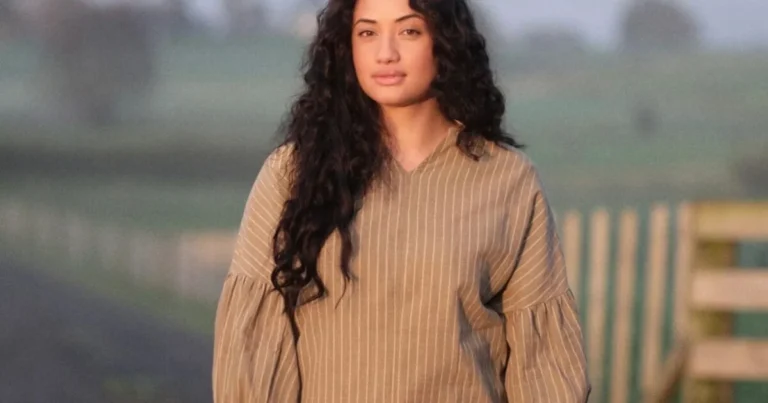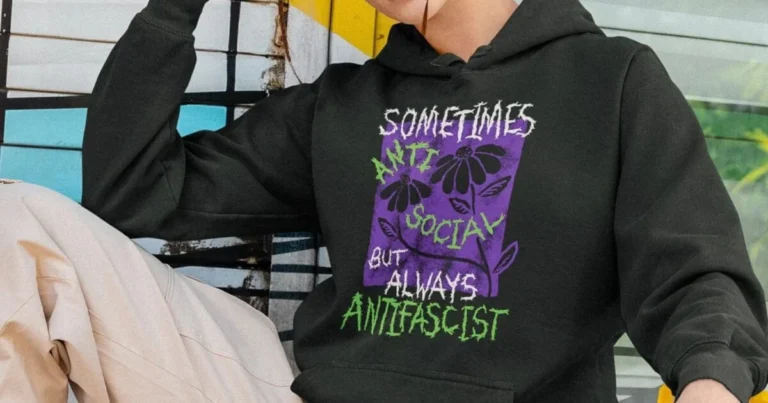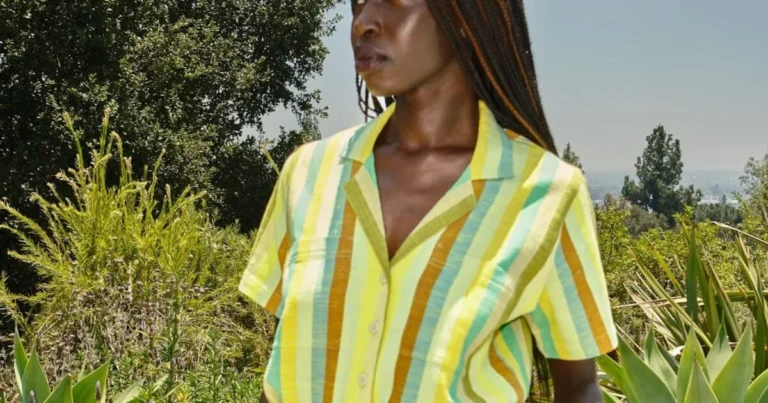









As wedding season approaches, a discernible shift in consumer behaviour is underway, with guests increasingly seeking more sustainable options for their celebratory outfits, moving away from the traditional cycle of single-use occasionwear. This burgeoning trend reflects a broader societal push towards conscious consumption and a recognition of the fashion industry’s significant environmental and social footprint. The desire to celebrate life’s special moments responsibly is reshaping how attendees approach their wardrobe choices, prioritizing longevity, ethical sourcing, and circularity over transient trends.
The Environmental Cost of Fast Fashion and Occasionwear
The global fashion industry is notorious for its environmental impact, contributing an estimated 2-8% of global greenhouse gas emissions, according to recent UN reports. A significant portion of this impact stems from "fast fashion" – the rapid production of inexpensive, trend-driven garments designed for short-term use. This model encourages frequent purchases and, consequently, massive textile waste. The problem is particularly acute within the occasionwear segment, where garments are often purchased for a single event and then relegated to the back of a closet or discarded, contributing to the staggering 92 million tons of textile waste generated globally each year. Landfills worldwide are overflowing with clothing, much of which is made from synthetic fibres that can take hundreds of years to decompose, releasing microplastics and harmful chemicals into the environment. Furthermore, the production of these garments often involves exploitative labour practices in developing countries, with workers facing low wages, unsafe conditions, and long hours, highlighting the complex ethical dimensions of the industry.
The Evolution of Sustainable Dressing for Special Occasions
The concept of sustainable fashion has gained significant traction over the past decade, moving from a niche concern to a mainstream imperative. Initially, the focus was primarily on everyday wear, encouraging consumers to buy less, choose quality over quantity, and support brands with transparent supply chains. However, this ethos has gradually permeated the realm of special occasions, including weddings. Early adopters in the wedding sector were often brides themselves, opting for vintage gowns, upcycled designs, or dresses from ethical bridal designers. This paved the way for wedding guests to consider their own impact.
A timeline of this evolution would note several key developments:
- Early 2010s: Emergence of pioneering sustainable fashion brands focusing on transparency and ethical production, primarily for everyday wear.
- Mid-2010s: Growth of online secondhand marketplaces (e.g., Depop, Vinted, The RealReal) making pre-loved fashion more accessible and desirable.
- Late 2010s: Rise of dedicated garment rental platforms, initially for high-end designer wear, then expanding to a broader range of occasionwear, offering a practical solution for single-event outfits.
- Early 2020s: Increased public awareness of climate change and social justice issues amplified by global movements, driving greater consumer demand for ethical alternatives across all consumption categories, including wedding guest attire. Media coverage and expert analyses increasingly highlighted the unsustainability of traditional fashion cycles.
Today, sustainable wedding guest attire is no longer a fringe concept but a widely embraced movement, supported by a growing ecosystem of innovative brands and services.
Key Pillars of Sustainable Wedding Guest Attire
For guests navigating the demands of wedding season, several pathways to more sustainable dressing have emerged, offering both style and peace of mind.
1. Re-wearing and Restyling Existing Wardrobe:
The most sustainable garment is often the one already owned. Experts in sustainable fashion, such as Dr. Anna Sroka, a textile waste researcher, consistently emphasize that extending the life of clothing is paramount. Before considering a new purchase, guests are encouraged to explore their existing wardrobes. This might involve creatively restyling an outfit previously worn to a different event, pairing items that have never been combined before, or accessorizing a classic dress with new elements to create a fresh look. This approach not only reduces demand for new production but also saves money and encourages personal style innovation. A simple change of shoes, a statement piece of jewellery, or a different jacket can transform an entire ensemble.
2. Embracing Secondhand Options:
The secondhand market has exploded in popularity, offering a treasure trove of unique and often high-quality garments at a fraction of their original price. Online platforms and brick-and-mortar vintage stores provide diverse selections, from designer pieces to timeless classics. Buying secondhand prevents clothes from ending up in landfills, conserves resources that would be used to produce new items, and often allows access to higher-quality garments that might otherwise be out of budget. It’s a prime example of circular fashion in action.
3. The Rise of Outfit Rental Services:
For those who desire a new look without the commitment of ownership, garment rental services have become an increasingly popular and practical solution. These platforms allow users to rent high-quality dresses, suits, and accessories for a fraction of their retail price, providing access to a rotating wardrobe of occasionwear. This model significantly reduces the environmental impact associated with clothing production and disposal. Leading platforms in this space include Rent the Runway, Hurr, By Rotation, Vow to be Chic, Glam Corner, and MyWardrobe. Industry reports indicate that the online clothing rental market is projected to grow substantially, reflecting a broad consumer acceptance of renting as a viable and desirable alternative to buying. A spokesperson for a prominent rental platform noted, "We’ve seen a remarkable increase in demand for wedding guest attire rentals, indicating a clear shift in how people perceive fashion ownership for special events. It’s about access, not accumulation."
4. Investing in New, Ethical Pieces:
When a new purchase is necessary, choosing brands committed to sustainability is crucial. This involves looking beyond aesthetic appeal to the brand’s practices across its supply chain. Key criteria for ethical brands include:
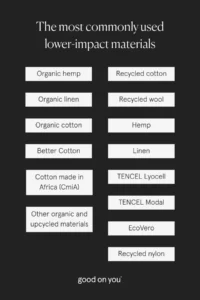
- Lower-Impact Materials: Using organic cotton, linen, hemp, recycled polyester, Tencel, or innovative plant-based alternatives.
- Ethical Labor Practices: Ensuring fair wages, safe working conditions, and no forced or child labor.
- Transparency: Openly disclosing their supply chain, manufacturing processes, and environmental impact.
- Circularity: Designing for durability, repairability, and recyclability, often offering repair services or take-back programs.
While sustainable clothes may sometimes carry a higher price tag than fast fashion alternatives, they represent an investment in quality, durability, and ethical production. As sustainability advocate Livia Firth famously stated, "Fast fashion isn’t free. Someone, somewhere, is paying." Choosing ethical brands ensures that workers are fairly compensated and environmental costs are minimized. Organizations like Good On You provide comprehensive ratings systems, assessing brands’ impact on people, the planet, and animals, guiding consumers toward more responsible choices.
Spotlight on Top-Rated Sustainable Brands
For those seeking to purchase new, high-quality, and ethically produced wedding guest attire, a growing number of brands are setting industry standards.
Sustainable Apparel Choices:
- OMNES: A UK-based brand known for high-quality womenswear at a more accessible price point. OMNES explicitly states its mission to "change the way you shop, wear and think about clothing," encouraging industry-wide transformation. Their commitment to responsible practices makes them a standout for conscious consumers.
- Ninety Percent: This British label distinguishes itself with a unique profit-sharing model, dedicating 90% of its profits to charitable causes and its garment makers. Their transparency extends to publishing details of suppliers and factories, offering consumers a clear view of their ethical commitment.
- Jiwya: Embracing heritage techniques and lower-impact plant-based materials like hand-spinning and hand-weaving, Jiwya crafts distinctive fashion pieces. Their dedication to traditional artistry supports local communities and minimizes environmental impact.
- Coco & Kandy: A Bulgarian brand specializing in uncomplicated, high-quality warm-weather clothing. They prioritize lower-impact materials, trace most of their supply chain, and regularly visit suppliers, demonstrating a strong commitment to ethical production oversight.
- AYANI: Offering timeless, feminine, and elegant clothing, AYANI focuses on affordable luxury that provides comfort and confidence. Their brand ethos is rooted in conscious design and production, ensuring pieces are both stylish and responsible.
- Christy Dawn: A US brand celebrated for its vintage-inspired women’s clothing and footwear, locally made using surplus fabric. Rated "Great" for its practices, Christy Dawn exemplifies how fashion can be both beautiful and environmentally conscious by utilizing existing resources.
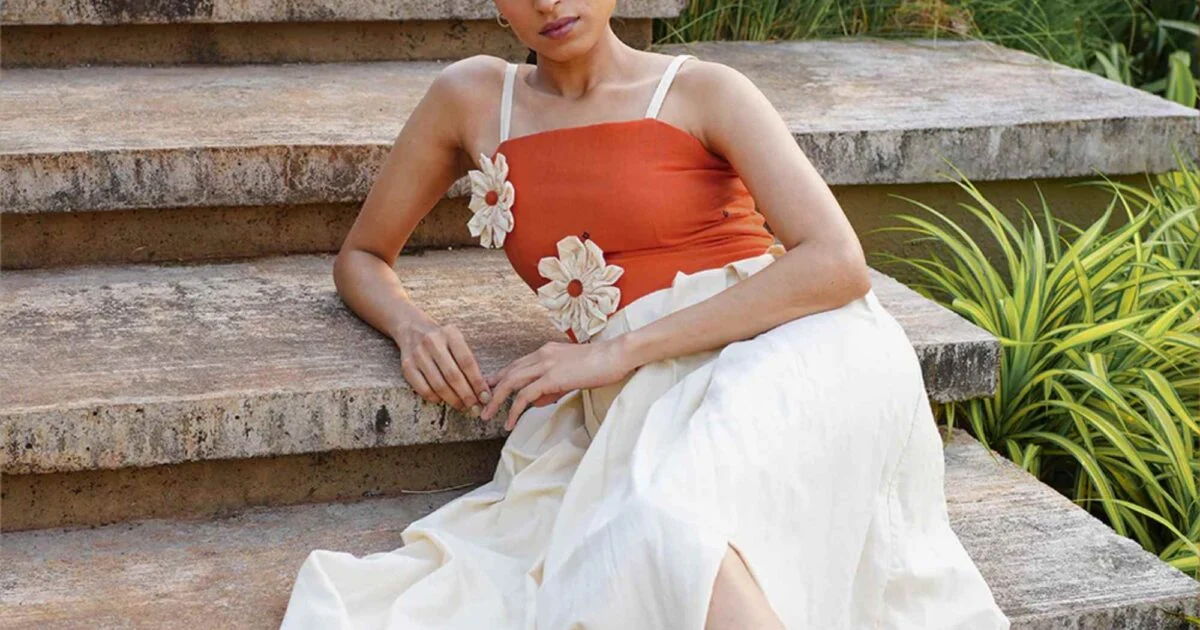
- The Summer House: Based in India, this brand creates beautiful womenswear from locally made, lower-impact fabrics. They actively partner with local artisans and NGOs, providing economic opportunities and preserving traditional craftsmanship. Their elegant prints and flowing silhouettes are perfect for wedding occasions.
- SeamsFriendly: This brand offers tailored pieces for all body types, emphasizing function and utility. They use lower-impact materials like organic cotton and linen and uniquely allow customers to customize designs (neck style, depth, sleeve length, fabric, etc.), promoting a perfect fit and reducing returns and waste. Their inclusive sizing ranges from petite to extended.
- OhSevenDays: Founded by Megan Mummery, this Australian-Canadian brand champions slow fashion and circularity from Istanbul. They reclaim end-of-roll fabrics from garment factories, transforming "fast fashion’s leftovers" into sharp, wearable womenswear. This innovative approach significantly reduces textile waste.
- SANTICLER: An US-based label crafting timeless collector pieces with modern silhouettes. An early advocate of slow fashion, SANTICLER uses lower-impact materials like GOTS-certified cotton and responsibly sourced wool, designing with intention to reduce waste.
- Akyn: Founded by sustainable fashion industry luminary Amy Powney, Akyn produces contemporary and timeless womenswear using lower-impact materials, reflecting Powney’s deep commitment to ethical practices.
- ASKET: Since 2015, ASKET has focused on creating timeless wardrobe essentials with revolutionary sizing and fair pricing. By disregarding seasonal collections and selling directly to consumers, they concentrate on a permanent collection built for longevity.
- Facettes Studio: This Parisian brand offers "wardrobe essentials for the multifaceted woman," primarily suits, made from upcycled materials. They have banned polyester and polyamide and provide repair and alteration services, championing circularity.
- CARPASUS: A Swiss menswear brand specializing in fine shirts, ties, socks, and pocket squares. CARPASUS uses GOTS-certified cotton, manufactures locally, traces its supply chain, and ensures workers receive a living wage, making it a leader in ethical menswear.
- Opera Campi: This Italian brand creates premium garments from locally-sourced raw materials. They maintain a balanced approach to sustainability throughout their supply chain and donate 4% of profits to social causes, demonstrating a holistic commitment to responsibility.
- Artknit Studios: Focused on timeless knitwear, Artknit Studios uses 100% lower-impact materials, made responsibly by Italian artisans. Their partners adhere to anti-waste practices, using certified and locally-sourced fibres, aligning with the brand’s "buy less, buy better" philosophy.
Ethical Accessories and Footwear:
- FUTURA Jewelry: A New York-based brand creating handcrafted jewellery from mercury-free 18kt Certified Fairmined Ecological gold. Their gold comes from the world’s only certified Fairmined mines that operate without toxic chemicals, setting a new standard for ethical precious metals.
- Bario Neal: This custom jewellery designer creates handmade rings and fine jewellery with conflict-free diamonds and other gemstones. They utilize lower-impact materials, including reclaimed precious metals and Fairmined gold, ensuring their pieces are beautiful and ethically sound.
- ARTICLE22: Every piece of ARTICLE22 jewellery is handcrafted in Laos using recycled materials from Vietnam War bombs, plane parts, and other aluminium scraps. This brand embodies innovation by transforming remnants of conflict into globally marketable products, supporting local artisans, and contributing to unexploded ordnance clearance in Laos.
- Mashu: A British vegan accessories label specializing in handbags. Mashu uses vegan leather alternatives for exteriors and recycled polyester for interiors, proving that style doesn’t have to compromise ethics or environmental values.
- ESSÄN: Founded by Marre Muijs, ESSÄN limits production runs and uses low-waste cutting techniques for its shoes and accessories. By eschewing fast fashion cycles, they offer a single, permanent collection built for enduring style and minimal impact.
- Agazi: A Polish vegan footwear brand offering sneakers, sandals, heels, and flats made from non-animal-derived materials, including hemp and innovative apple skin and grape-based alternative leathers. Agazi demonstrates the potential for cruelty-free and lower-impact footwear.
Broader Impact and Implications
The growing preference for sustainable wedding guest attire carries significant broader implications across environmental, social, and economic spheres. Environmentally, this trend contributes to a reduction in textile waste, decreases demand for virgin resources, and lowers the carbon footprint associated with garment production and transportation. Socially, it supports ethical labour practices by directing consumer spending towards brands that prioritize fair wages and safe working conditions, empowering artisans and workers in the supply chain. Economically, it fuels the growth of circular economy models, such as rental and resale platforms, creating new business opportunities and shifting value from rapid consumption to resource efficiency and product longevity.
Culturally, the normalization of re-wearing, renting, and conscious purchasing for special occasions challenges long-held societal norms around "newness" and disposable fashion. It fosters a greater appreciation for craftsmanship, quality, and the story behind a garment, moving away from the pressure to constantly acquire new items for every event. This shift not only makes sustainable choices more accessible but also redefines elegance as thoughtful and responsible.
In conclusion, the movement towards more sustainable wedding guest attire is a powerful reflection of evolving consumer values. It underscores a collective desire to celebrate life’s joyous milestones in a manner that respects both people and the planet. By making informed choices, guests can not only look their best but also contribute to a more ethical and sustainable future for the fashion industry. The options are diverse, accessible, and increasingly stylish, proving that conscious celebration can be effortlessly chic.