







The global fashion industry, a multi-trillion-dollar behemoth, is under increasing scrutiny for its environmental footprint and social impact. At the heart of this challenge lies the fundamental component of all apparel: fabric. For consumers navigating the complex landscape of ethical purchasing, understanding the sustainability credentials of various materials is paramount. This guide aims to demystify the origins, production processes, and environmental and social trade-offs of popular fabrics, offering a framework for informed decision-making.
The Unseen Costs of Our Wardrobes: A Global Challenge
The journey from raw material to finished garment is resource-intensive and often environmentally taxing. Fabrics, among humanity’s oldest technologies, have evolved from simple natural fibers to complex synthetics, each with distinct ecological and social implications. The lifecycle of a fabric can demand vast quantities of resources, including oil for synthetics, extensive land and water for agriculture (like cotton), and a cocktail of pesticides, chemical agents, and dyes. This intricate transformation process often involves significant energy consumption and can result in considerable pollution, impacting both ecosystems and human health, particularly for workers in manufacturing facilities.
For instance, the cultivation of conventional cotton, a seemingly benign "natural" fiber, can be surprisingly detrimental. It is notoriously water-intensive, with estimates suggesting that producing a single cotton t-shirt can require up to 2,700 liters of water—the amount an average person drinks in 2.5 years. Furthermore, conventional cotton accounts for a significant portion of global insecticide use by market share, posing risks to biodiversity, soil health, and agricultural communities. These impacts underscore that the sustainability of a garment extends far beyond its initial appearance, delving into the intricate web of its production chain.
Navigating the Complex Landscape of Sustainable Fabrics
Despite growing awareness and industry efforts, there remains no universally established hierarchy of sustainability for fashion materials. The lack of comparable, comprehensive data, such as Life Cycle Analyses (LCAs) across all materials, makes definitive ranking challenging. What is clear, however, is that every material carries some environmental or social trade-off. The optimal path forward likely involves a blend of preferred materials, chosen based on specific values and transparent production practices.
Organisations like Good On You play a crucial role in independently analysing available information and consulting experts to assess material impacts. They acknowledge that the sustainability profile of a material can vary significantly depending on its origin and manufacturing methods. The rapid emergence of novel materials further complicates the landscape, requiring robust scientific assessment against key environmental impact areas before they can be confidently classified as "lower-impact." This evolving understanding means that lists of responsible materials are dynamic, continually updated as new research and data become available. Ultimately, the decision rests with the consumer, empowered by information to align their purchases with their personal ethical framework.
It is vital to recognise that material choice is but one facet of a brand’s overall sustainability. A brand utilising organic cotton, for example, may still fall short of best practices if it neglects greenhouse gas emissions in its supply chain, generates excessive textile waste, or fails to uphold labour rights. However, a foundational commitment to lower-impact materials provides a strong base upon which a truly responsible brand can build.
Demystifying "Natural" Fibres: A Common Misconception
A prevalent misconception in sustainable fashion is that "natural" fibres are inherently more sustainable. This is not always the case. As exemplified by conventional cotton, natural fibres can have profound negative environmental impacts depending on cultivation and processing. Brands employing "natural" claims may be engaging in greenwashing, as the term alone does not guarantee ethical sourcing or manufacturing practices that consider people, the planet, and animals. Consumers must look beyond simplistic labels and delve into the specifics of how a material is produced and processed.
Deep Dive: Plant-Based Materials
Plant-based materials, derived from various botanical sources, offer a wide spectrum of sustainability profiles.
Cotton: A Tale of Two Cottons
Cotton’s ubiquity in fashion stems from its softness, breathability, and versatility. While it boasts biodegradability when untreated and unblended, conventional cotton production is deeply problematic. It is a highly water-intensive crop, often grown in arid regions, exacerbating local water scarcity. Historically, it has been associated with significant pesticide use, leading to soil degradation, water contamination, and health issues for farm workers. Furthermore, reports of child labour and forced labour in some conventional cotton supply chains are deeply concerning. The transformation from raw cotton to coloured cloth also demands extensive chemical processing for treating, dyeing, printing, and finishing.
Organic cotton addresses many of these issues. Grown without synthetic pesticides, fertilisers, or genetically modified seeds, organic farming practices prioritise environmental sustainability, soil health, and reduced resource consumption. This approach extends the fertility of agricultural land and minimises exposure to harmful chemicals for farmers. Certifications like Global Organic Textile Standard (GOTS) and Organic Content Standard (OCS) offer assurances, though past instances of organic cotton fraud, particularly from certain regions like India, highlight the need for careful verification of certification authenticity.
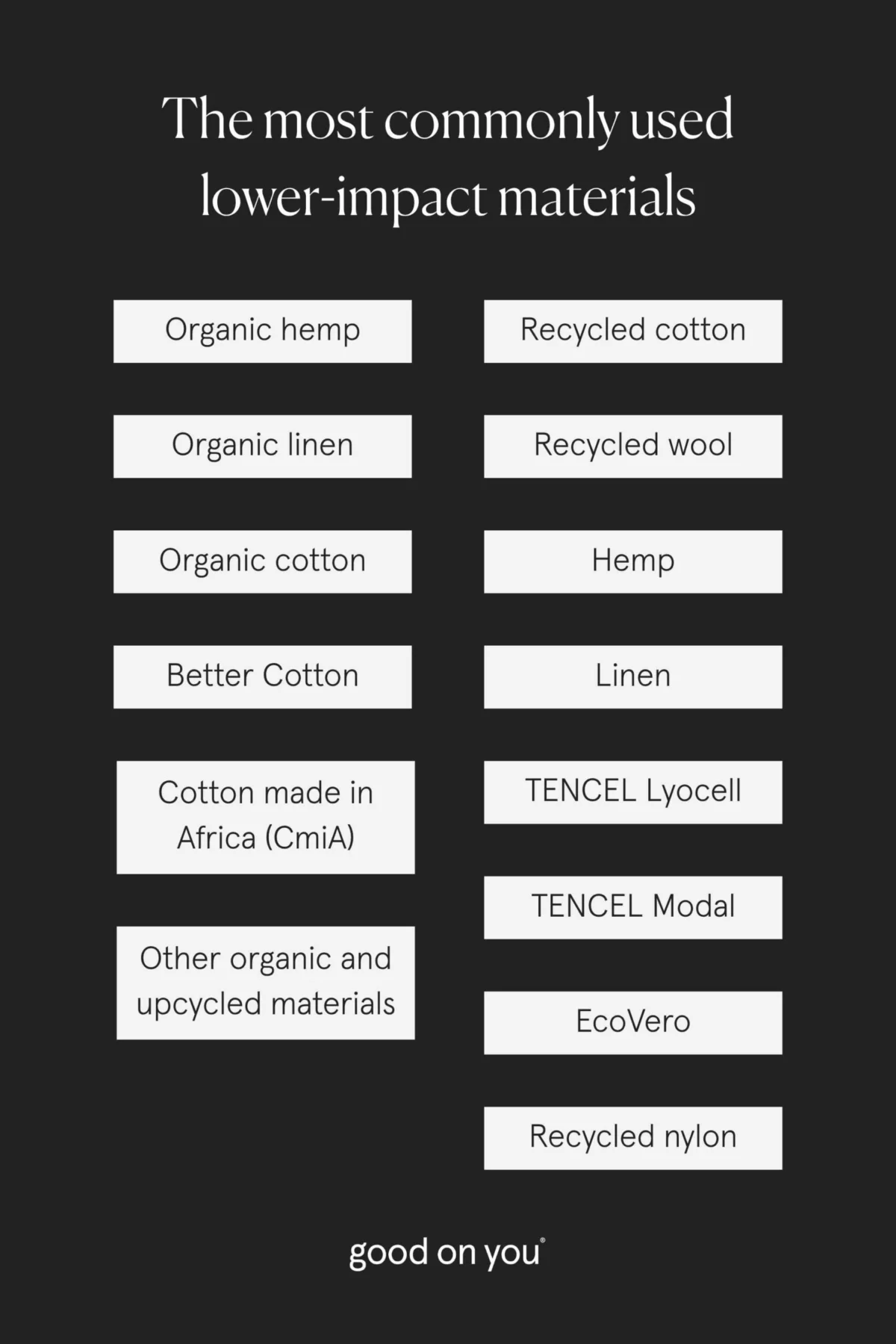
- Verdict: Avoid conventionally farmed cotton. Opt for certified organic cotton or recycled cotton. Look for certifications like Better Cotton (which aims to improve conventional farming) or Cotton made in Africa, but verify their robustness.
Denim: More Than Just Cotton
Denim, a wardrobe staple, is primarily made from cotton, meaning its sustainability is first tied to the cotton’s origin. Beyond this, traditional denim production introduces additional environmental and social concerns. Most denim is dyed with synthetic indigo, a process that can lead to local waterway pollution and health risks for workers due to chemical exposure. The "distressed" look, popular in many denim products, is often achieved through sandblasting, a controversial technique that poses severe respiratory health risks to workers due to fine silica dust. Blended denims, containing elastane for stretch, are particularly difficult to recycle, hindering circularity.
- Verdict: Seek secondhand denim. When buying new, look for denim made from certified organic cotton, dyed with more sustainable indigo alternatives (e.g., natural indigo or advanced synthetic indigo with closed-loop systems), and avoid sandblasted finishes. TENCEL Lyocell is an emerging, more sustainable alternative for denim production.
Hemp: A Resilient Fibre
Hemp, derived from the cannabis plant, is lauded as one of the most sustainable crops. It requires minimal water, grows quickly, and needs no pesticides, especially when grown organically. Hemp fabric is known for its durability, breathability, and UV protection, sharing a linen-like texture. Its cultivation can also enrich soil and sequester carbon.
- Verdict: Hemp is a superior alternative to conventional cotton. Organic hemp, free from harsh chemicals in processing, is considered a top-tier sustainable material.
Linen: Ancient and Eco-Friendly
Linen, crafted from flax plant fibres, is one of fashion’s most biodegradable and historically significant materials. Naturally strong, moth-resistant, and highly absorbent, it is fully biodegradable when untreated. Flax cultivation generally requires less water and fewer pesticides than cotton. However, intensive bleaching processes used to achieve bright white linen can diminish its environmental credentials.
- Verdict: Linen is an excellent choice. Prioritise naturally coloured linen (ivory, ecru, tan, grey) and opt for organic linen to ensure chemical-free production.
Man-Made Cellulosic Fibres (MMCFs): The Wood Pulp Family
MMCFs are derived from wood pulp, a natural resource, but their processing varies significantly in sustainability.
-
Modal: Typically sourced from beech trees, Modal is a breathable, silky fibre known for its excellent water absorption and colourfastness. While technically biodegradable and recyclable, the sustainability hinges on the production process. Lenzing AG’s TENCEL Modal (formerly Lenzing Modal) is a notable example, produced with greater transparency and more sustainable processes.
- Verdict: Choose brands transparent about their Modal sourcing. TENCEL Modal, produced in a more closed-loop system, is preferable.
-
TENCEL Lyocell: A brand name by Lenzing AG, TENCEL Lyocell is made from eucalyptus, oak, or birch wood pulp. Lenzing has pioneered a closed-loop production system where 99% of the chemical solvent used is recovered and reused, drastically minimising harmful waste. The wood and pulp are sourced from certified, responsibly managed plantations. TENCEL’s Refibra technology further enhances sustainability by incorporating pre- and post-consumer cotton scraps (up to 30%) into the wood pulp, reducing textile waste.
- Verdict: TENCEL Lyocell is a highly recommended, lower-impact alternative to cotton or silk, offering breathability, moisture absorption, and softness with robust environmental credentials.
-
Viscose/Rayon: Derived from fast-growing trees like eucalyptus, beech, pine, or even bamboo and sugarcane, viscose (or rayon in the US) is a popular, affordable fibre. However, its rapid growth in fast fashion has led to significant environmental problems. Viscose production is a major driver of deforestation, including endangered and ancient forests. The chemical-intensive manufacturing process often results in highly toxic wastewater being dumped into lakes and rivers, devastating local ecosystems and communities.
- Verdict: Seek viscose from FSC-certified forests (ensuring responsible forest management) or brands partnering with NGOs like Canopy. ECOVERO, another Lenzing product, offers a more sustainable viscose option with controlled wood sources and lower emissions. If a brand lacks transparency regarding its viscose production, it’s best avoided.
-
Cupro: Described as "regenerated cellulose," Cupro is made from cotton linter—tiny, silky fibres too small for spinning, typically considered waste. This waste material is dissolved in a cuprammonium solution, then spun into fibre. While it utilises waste and some renewable energy, the water consumption is less clear, and a full Life Cycle Assessment is still needed for a definitive sustainability classification.
- Verdict: Cupro shows promise due to its waste-utilisation and closed-loop chemical recovery. While not yet classified as a primary lower-impact material by some frameworks, ongoing improvements could elevate its status.
-
Bamboo Fabric: Bamboo, a rapidly growing crop, is often promoted as eco-friendly due to its minimal water and pesticide needs. However, the sustainability of bamboo fabric largely depends on its processing. Mechanically processed "bamboo linen" is more sustainable but coarse and not widely available. Most bamboo fabric is produced using the viscose process, primarily in China. Concerns remain regarding responsible cultivation and, crucially, the release of harmful chemicals into waterways during production. While Chinese regulations have tightened, a robust system of assurance for sustainable bamboo cultivation and processing is still lacking.
- Verdict: Bamboo has potential, but transparency from brands regarding cultivation and processing methods is critical. In the absence of such clarity, TENCEL Lyocell, with its 99% closed-loop system, offers a more reliable, lower-impact alternative.
Deep Dive: Animal-Derived Materials
Animal-derived materials present complex ethical dilemmas, intertwining animal welfare, land use, and chemical processing.
Angora: A Cruelty Concern
Angora, a soft, warm fibre from Angora rabbits, gained notoriety after investigations by PETA revealed appalling conditions and cruel practices, including live plucking, in Chinese factories. This led many major fashion brands to cease its use.
- Verdict: There are no widely recognised welfare standards guaranteeing pain-free harvesting. Avoid angora products entirely.
Cashmere: Luxury with Hidden Costs
Cashmere, prized for its exceptional softness and warmth, is derived from cashmere goats. However, the demand for cheap cashmere has led to overgrazing, causing desertification of vast grasslands in Mongolia and other regions. Goats, with their sparse fat reserves, are vulnerable to freezing if shorn too early in winter. Worker exploitation among herding communities is also a growing concern.
- Verdict: Opt for recycled or secondhand cashmere. New cashmere should be sourced from certified responsible programmes that ensure animal welfare and sustainable land management.
Fur: An Outmoded Practice
Historically a functional material, fur evolved into a symbol of luxury. The rise of fur farming led to the commodification of animals and widespread inhumane practices. Animal welfare groups like PETA have extensively documented the cruelty, including practices like skinning animals alive. Fur farming also shares many environmental and labour issues with leather production, including land and water use and chemical pollution. Many brands and countries have banned fur production and sales.
- Verdict: Avoid new fur products entirely. While secondhand fur extends the life of existing materials, it still normalises the wearing of animal pelts. The exception lies with some indigenous communities where fur remains a crucial, sustainable source of income and cultural heritage, a context often overlooked by Western critiques.
Leather: A Multifaceted Impact
Leather, the skin of animals (primarily livestock, but also exotic animals), is a durable and versatile material. However, its production entails significant animal welfare concerns, immense water and land consumption, and heavy chemical use. The tanning process, particularly chrome tanning, involves highly toxic chemicals like chromium VI, which pollutes waterways and poses severe health risks to workers. While vegetable tanning is often touted as a "sustainable" alternative, recent scrutiny suggests its environmental footprint may be higher than previously thought, despite avoiding some of the most toxic chemicals.
- Verdict: Depending on personal ethics, consider secondhand or recycled leather. For new products, explore innovative plant-based or lab-grown leather alternatives (e.g., pineapple leather, cork, mushroom leather), which are preferable to PVC or PU-based "faux leather."
Silk: Delicate and Demanding
Silk is spun from the cocoons of silkworms, which are typically killed during the extraction process to preserve the long, unbroken threads. Reports of child labour in some silk-producing regions, particularly India, add a social dimension to its ethical concerns.
- Verdict: Explore "peace silk" (Ahimsa silk), where moths are allowed to emerge from their cocoons before silk is harvested. However, peace silk’s environmental impact may not be significantly lower. Innovative vegan spider silk offers a promising, albeit not yet widely available, animal-free alternative. Transparency in sourcing is crucial to avoid exploitation and environmental damage.
Wool: A Natural Fibre with Complexities
Wool, a breathable, renewable fibre from sheep, offers warmth and stain resistance. However, industrial-scale wool production faces significant challenges. The practice of mulesing (removing skin from sheep to prevent flystrike, often without anaesthetic) is a major animal welfare concern, banned in many countries but still prevalent in Australia, a major merino wool producer. Large-scale livestock grazing can contribute to land degradation and deforestation. "Superwashed" wool, treated with plastic to prevent shrinking, loses its biodegradability.
- Verdict: Seek out pre-loved or vintage wool to extend garment life. When buying new, look for certifications like the Responsible Wool Standard (RWS), ZQ Merino Standard, or Soil Association Organic Standards, which offer varying degrees of animal welfare and environmental assurances. Consult resources like Four Paws’ directory for brands committed to mulesing-free wool.
Down: The Cruel Reality
Down feathers, used for insulation in jackets and bedding, primarily come from ducks and geese. The industry is often associated with live plucking, where feathers are painfully pulled from conscious birds. Even certified "Responsible Down Standard" products typically originate from birds raised in factory farms and slaughtered prematurely.
- Verdict: All new down comes from slaughtered or live-plucked birds. Avoid new down products. Opt for secondhand down items or choose ethical, high-performance synthetic alternatives like PrimaLoft P.U.R.E, PrimaLoft Bio, Thermore, or plant-based options like Flowerdown.
Deep Dive: Synthetic Fabrics
Synthetic fabrics, predominantly derived from fossil fuels, pose a distinct set of environmental challenges, most notably microplastic pollution.
A Note on Microfibres
All synthetic materials, whether virgin or recycled, shed non-biodegradable microfibres during washing and wear. These microscopic plastic particles enter waterways and ecosystems, posing risks to marine life and potentially human health. This factor is a critical consideration for all synthetic purchases, even those marketed as "recycled."
Conventional Polyester: The Dominant Synthetic
Polyester, a plastic derived from petroleum, is the world’s most widely produced fibre. It is non-biodegradable, meaning polyester garments can persist in landfills for hundreds of years. Its reliance on crude oil directly contributes to climate change.
Recycled polyester is often presented as a sustainable alternative. While it reduces reliance on virgin fossil fuels and diverts plastic waste (primarily plastic bottles, accounting for 98% of recycled polyester), it still sheds microplastics. Furthermore, true textile-to-textile recycling of polyester remains a significant challenge, meaning most "recycled" polyester isn’t contributing to a circular fashion economy but rather a linear one that uses external plastic waste.
- Verdict: Avoid virgin polyester. Use recycled polyester sparingly, for items washed infrequently or where no suitable natural alternative exists (e.g., swimwear), and always use wash bags or filters to mitigate microfibre shedding.
Conventional Nylon: A Fossil Fuel Legacy
Nylon, the first entirely synthetic fibre, is a plastic derived from coal and crude oil, processed through intensive chemical procedures. Its production is energy-intensive and has multiple direct environmental impacts, supporting some of the world’s most polluting industries.
ECONYL, an innovative alternative by Aquafil, recycles synthetic waste (industrial plastic, waste fabric, fishing nets) into new nylon yarn of virgin quality. This closed-loop regeneration system significantly reduces water use and waste compared to traditional nylon production.
- Verdict: Avoid conventional nylon. Opt for ECONYL, particularly for items like footwear or outerwear that are washed less frequently. Be vigilant about microfibre shedding and use protective measures during washing.
Fleece: Cozy, But Problematic
Fleece, typically made from polyester (PET) or other synthetic fibres, is valued for its warmth and lightness. However, it is derived from non-renewable resources and often requires additional chemical coatings for water or wind resistance. Recycled polyester fleece offers a marginal improvement by using waste materials. Critically, fleece is a major contributor to microfibre pollution, especially in frequently washed activewear.
- Verdict: As far as possible, steer clear of fleece. If necessary, choose recycled fleece and implement rigorous care practices to minimise microfibre shedding.
PVC: A Highly Toxic Plastic
Polyvinyl Chloride (PVC), a petrochemical product, is heavily processed and energy-intensive. Its textile derivative, Vinyon, is used for weather-resistant apparel and faux leather. PVC’s reliance on fossil fuels, combined with the use of harmful plasticisers (phthalates) that can leach into the environment and pose health risks, makes it one of the most unsustainable materials. Its overwhelming contribution to plastic waste further cements its negative impact.
- Verdict: Avoid PVC in all fashion products for a more sustainable wardrobe.
Polyurethane (PU): The "Vegan Leather" Paradox
Polyurethane (PU) is a versatile plastic derived from fossil fuels, used in shoe soles, coatings, swimwear, and as a common "vegan leather" alternative. While it avoids animal products, PU’s production contributes to greenhouse gas emissions and depletes Earth’s resources. The use of toxic isocyanates in its manufacture, though generally stabilised in hardened forms, raises concerns during production or incineration. It is also non-biodegradable.
- Verdict: Avoid polyurethane. Explore plastic-free alternatives to animal-derived materials, such as those made from plants or innovative bio-materials.
Faux Fur: The Plastic Imposter
While moving away from animal fur is a positive ethical step, most mass-produced faux fur is made from plastic-based materials, contributing to microplastic pollution and reliance on fossil fuels. Disturbingly, reports have highlighted instances of mislabelled faux fur products actually containing real animal fur, particularly in fast fashion, adding a layer of deception.
- Verdict: Steer clear of plastic-based faux fur. If the aesthetic is desired, seek out secondhand options or explore innovative plant-based alternatives currently under development.
Glitter: Microplastics in Disguise
Glitter, commonly found in cosmetics, crafts, and clothing, consists of tiny fragments of plastic (e.g., PET) coated in a shiny substance. Every time glitter-laced items are washed, these microplastic particles contribute to oceanic pollution. While "biodegradable" glitter alternatives exist, studies have questioned their environmental benefits, suggesting they may still cause similar harm.
- Verdict: Avoid glitter in all products.
Velvet: A Compositional Conundrum
Velvet refers to a fabric construction with a short pile, not a specific fibre. Its sustainability therefore depends entirely on the yarn used: silk, viscose, polyester, or nylon. Modern fast fashion often uses synthetic velvet, which can be less breathable and rougher. Historically, silk velvet was common, offering a fluid, smooth handle.
- Verdict: For velvet, prioritise secondhand options. If buying new, seek viscose-velvet with credible certifications for sustainably sourced viscose, avoiding those from ancient or endangered forests.
Rubber: Natural vs. Synthetic
Rubber is a strong, stretchy material, existing in natural (latex from plants) and synthetic forms (from chemicals like neoprene or styrene-butadiene). While natural rubber is renewable, the scale of demand often leads to unsustainable plantation practices, including deforestation and land grabs. Synthetic rubber relies on fossil fuels.
- Verdict: New rubber, even natural, poses sustainability challenges. Prioritise recycled rubber or natural rubber from fairly and responsibly sourced, certified plantations (e.g., FSC certified). Investigate local recycling options for end-of-life rubber products.
Acetate: The Semi-Synthetic Dilemma
Acetate is a human-made, semi-synthetic material derived from cellulose, often wood pulp. Known for its silk-like qualities, it’s used in dresses, linings, and increasingly for accessories like eyewear, where it’s touted as a plastic alternative.
- Verdict: Acetate is considered a "better of two evils" compared to virgin plastics. When purchasing, look for "bio-acetate" or "bio-plastic" variants with a higher plant-based content. Prioritise high-quality, durable, and timeless acetate products to maximise their lifespan. Ensure the cellulose comes from responsible sources (FSC or PEFC-certified) and is produced in a regulated environment.
Other Considerations: Deadstock and Beyond
Deadstock: A Symptom of Overproduction
Deadstock refers to leftover fabric that was not used for its original purpose due to over-ordering, incorrect production, or cancelled orders. Its sustainability depends on the inherent qualities of the fabric itself (e.g., organic cotton deadstock is better than conventional polyester deadstock). Using deadstock diverts materials from landfill or incineration, making the industry marginally more circular. However, the very existence of deadstock is a stark symptom of overproduction and overconsumption, the fashion industry’s deeper systemic issues.
- Verdict: Supporting ethical brands that genuinely use quality deadstock fabric in their designs is a good interim option, provided they also implement broader waste-reduction, climate change, and labour rights strategies. Be wary of brands that tout deadstock as their primary sustainability initiative, as this can be a form of greenwashing.
The Path Forward: Empowering Conscious Consumption
The journey towards a truly sustainable fashion industry requires a multi-pronged approach, with material choice being a critical, yet not singular, component. Consumers hold significant power in demanding transparency, supporting brands committed to ethical practices, and extending the lifespan of their garments. By understanding the intricate impacts of fabric production, from resource extraction to chemical processing and end-of-life, individuals can make more informed choices that align with their values for people, planet, and animals. The evolution of materials, coupled with increasing industry accountability, promises a future where fashion can be both beautiful and responsible.