





The beauty industry, a vibrant and rapidly evolving landscape driven by innovation and artistic expression, recently found itself at the heart of a contentious debate surrounding intellectual property and creator recognition. This dispute centers on celebrity makeup artist and brand founder Patrick Ta, whose "Transition Blush" product line and accompanying tutorials ignited a firestorm of accusations regarding the alleged copying of a distinctive makeup application technique popularized by acclaimed artist Ngozi Esther Edeme, also known as Paintedbyesther. The controversy has not only drawn widespread attention from the beauty community but has also sparked critical conversations about ownership, ethics, and the precarious position of creative works within an industry often built on shared knowledge and rapid trend dissemination.
The Genesis of a Controversy: Patrick Ta’s "Transition Blush" Launch
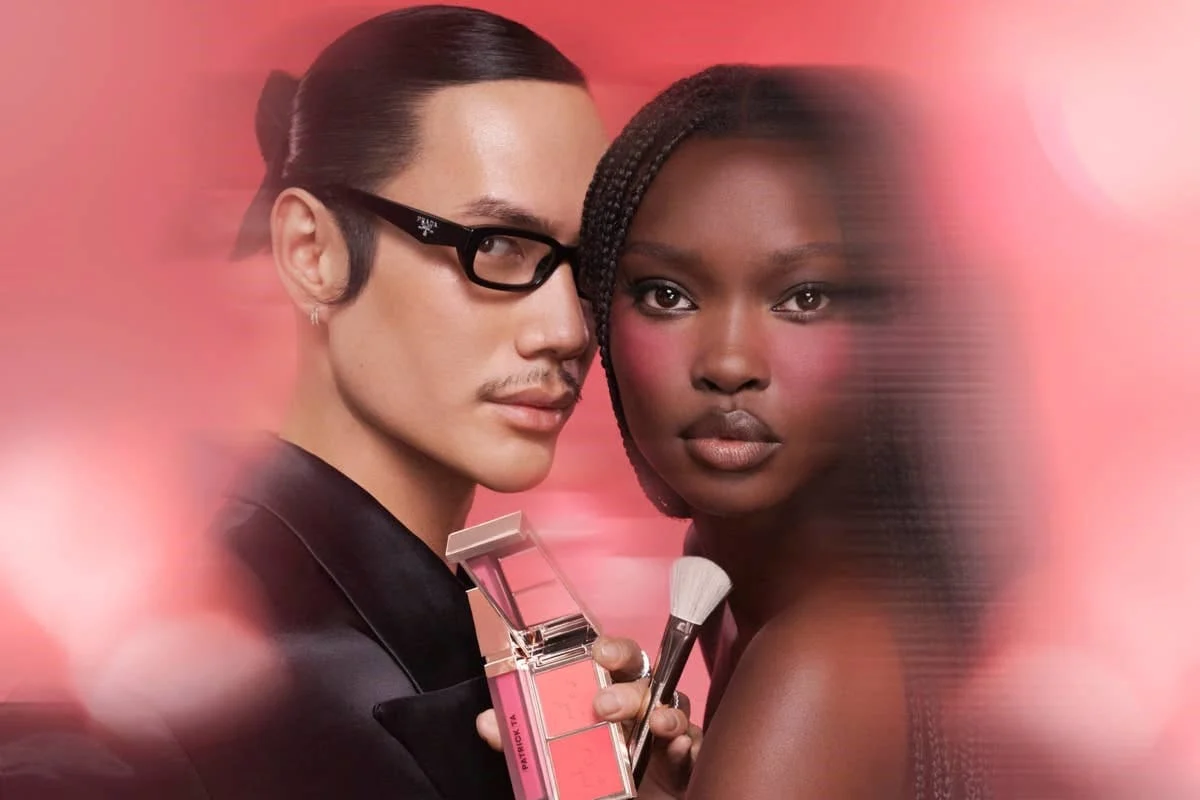
On May 20, Patrick Ta, a prominent figure in the professional makeup world known for his work with numerous celebrities and his successful eponymous beauty brand, began rolling out a series of nine step-by-step tutorials on platforms like TikTok, showcasing his new "Transition Blush" line. In one such tutorial, Ta introduced the product, stating, "If you want to take your blush from beautiful to brightened-blurred-baddie, this is my brand new Transition Blush." The product itself, launched online on May 27, promised a seamless blend of color, transitioning from the under-eyes to the cheeks, creating a soft, gradient effect.
However, almost immediately upon the release of these promotional videos, Ta’s comment sections across social media platforms were inundated with a relentless wave of criticism. Comments such as "Say her name," "ESTHERRRRRRRR," and even edited images depicting Ta as a cartoon burglar clutching blush palettes, clearly indicated a collective sentiment of outrage. The core of the backlash was a resounding accusation: Ta was perceived to be appropriating a signature blush application technique widely associated with and popularized by Ngozi Esther Edeme. This swift and vocal public response underscored the beauty community’s increasing vigilance regarding originality and credit, especially concerning the contributions of independent artists.
Esther Edeme: The Artist Behind the Signature
Ngozi Esther Edeme, operating under the moniker Paintedbyesther, is a viral makeup artist who has garnered a significant following for her innovative and distinctive approach to makeup. Her work, particularly her mastery of the ombré, gradient blush look, has become her unmistakable signature. Edeme is widely credited with popularizing this specific technique, especially for darker skin tones, bringing it to the forefront for the social media generation. Her influence is such that a 2025 interview with Dazed magazine extensively focused on her blush artistry and this particular method, solidifying her status as a pioneer in this aesthetic. Her ability to create a "blush that seamlessly transitions from the under-eyes to the cheeks, delicately blended into a gradient of layered creams and powders," resonated deeply with audiences seeking fresh, impactful beauty looks.
The technique, while popularized by Edeme, traces its origins back further. As acknowledged by all parties involved in the debate, the concept of a multi-dimensional, transitioning blush can be found in Kevyn Aucoin’s seminal 1997 book, Making Faces. Aucoin’s brand even launched a gradient blush named "Neo-Blush" in 2015. However, Edeme’s unique interpretation and consistent application, particularly through her highly visible online presence, established it as her recognizable aesthetic signature within the contemporary beauty landscape. This distinction between invention and popularization is crucial to understanding the nuanced cultural ownership claims within the beauty community.
A Chronology of Accusations, Apology, and Affirmation
The sequence of events unfolded rapidly, reflecting the accelerated pace of information and reaction in the digital age:
- May 7, 2025: Patrick Ta Beauty files a trademark application for the term "Transition Blush." This pre-emptive legal move aimed to protect the product name and associated marketing phrases, ensuring the brand’s exclusive use of the term.
- May 20: Patrick Ta begins posting a series of nine tutorials demonstrating the application of his new "Transition Blush" product. These videos quickly become the focal point of public scrutiny and criticism.
- Late May – Early June: A wave of "callout videos" emerges across social media platforms, initiated by Edeme herself, followed by her fans and other makeup artists. These videos directly accused Ta of plagiarism and profiting from the work of a Black female artist without proper acknowledgment or credit. The intensity of the online conversation grew exponentially, with hashtags and trending topics amplifying the accusations.
- May 27: Coincidentally, on the very day Ta’s "Transition Blush" line launched online, MAC Cosmetics released Edeme’s edition of "MACzine." The digital publication featured a blushing Olandria Carthen on the cover and opened with the subtitle "The Art of Gradient Blush," an undeniable affirmation of Edeme’s mastery and influence in this specific technique. This simultaneous release served as a powerful, albeit unintended, counter-narrative, validating Edeme’s cultural claim to the technique.
- June 16: Faced with mounting public pressure and widespread condemnation, Patrick Ta issues a public apology on Instagram. In his statement, Ta acknowledged the controversy, stating that while it wasn’t his intention "to claim ownership over a blush technique," he takes accountability. The apology was met with mixed reactions, with some appreciating the acknowledgment and others finding it insufficient, particularly given the perceived lack of direct credit to Edeme initially.
This rapid unfolding of events highlights the immense power of social media in holding public figures and brands accountable, even in the absence of traditional legal frameworks.
The Elusive Nature of Intellectual Property in Beauty
The "Transition Blush" controversy brought to the forefront a persistent and complex issue within the beauty industry: the legal protection, or lack thereof, for creative techniques and aesthetic expressions.
Legal Perspectives on Beauty Techniques
Legally, the ability to claim ownership over a makeup technique is, in short, impossible. Antonella Colella, a US-based beauty lawyer with nearly 17 years of experience, unequivocally states, "You can’t trademark a technique. A trademark relates to a good or a service. You cannot protect a methodology." Similarly, in the UK, beauty techniques are classified as "abstract methods"—means to achieving certain aesthetic ends—and are therefore ineligible for legal protection.
What can be protected, and what Patrick Ta Beauty did, is the name of a product and a phrase. The trademark application for "Transition Blush," filed on May 7, 2025, served to protect a source identifier, such as brand names, logos, and product names. This ensures that Patrick Ta Beauty is the sole entity that can legally use the term "Transition Blush" in connection with a product or campaign. Consequently, any writer, makeup artist, or beauty influencer covering the trend would legally be required to credit the brand or use alternative terminology.
Colella advises brands to "build a brand around the name so that everybody will know you from that name, and when they see that particular application, they immediately will think of you. If you connect it to a product, you connect it to something that you can get the trademark for." This advice underscores a fundamental disconnect in current intellectual property law: it readily recognizes and protects the transactional value of a beauty product but largely leaves the actual processes and techniques that utilize these products vulnerable to appropriation.
The Discrepancy Between Law and Culture
Despite the legal limitations, cultural norms within the beauty community often dictate a different understanding of ownership. Beauty fans, increasingly hyper-alert to provenance and credit, frequently "take the question of permission into their own hands," enforcing cultural ownership regardless of legal statutes. This grassroots enforcement mechanism has become a powerful force in the digital age, capable of influencing brand reputations and consumer loyalties.
Camille Lawrence, founder of the Black Beauty Archive, explains this phenomenon through the concept of an "indexical mark." Before her work as an archivist, Lawrence was a makeup artist herself, working with clients like Tierra Whack. She established the Black Beauty Archive partly as a tribute to makeup artistry and partly as a means of protecting the often-uncredited contributions of Black women in beauty. Lawrence elaborates, "We can see that technique on Chloe Bailey or on Olandria and think: that was Esther’s hand on that." This "indexical mark" refers to a signature style so distinctive that it instantly evokes the creator, even without explicit legal protection.
Broader IP Challenges in the Beauty Industry
The vulnerability of makeup techniques to appropriation is not an isolated issue; it reflects a broader challenge within the beauty industry concerning intellectual property protection.
The Fragrance Dupe Market
One of the most prominent examples lies in the burgeoning fragrance "dupe" market. This segment thrives by selling scents "inspired by" famous perfumes at a fraction of the cost, often leading to accusations of cultural theft. Perfumers express significant frustration with this lack of protection. David-Lev Jipa-Slivinschi, founder of the cult brand Toskovat, described the practice as "upsetting and beyond any doubt plagiarism." Similarly, Francis Kurkdjian, a renowned perfumer, lamented the industry’s "few ethics" around IP.
While perfume brands can trademark logos, product names, and even unique bottle shapes, the chemical formula of the scent itself is largely unprotected. Mireille Dagger, legal director at Broadfield law firm, explained to The Guardian, "When it comes to scent, you just can’t do that, because scent is subjective. Different people smell different things." This subjectivity, combined with the technical complexities of chemical composition, makes it exceedingly difficult to establish clear legal ownership over a particular fragrance profile, leaving perfumers vulnerable to replication.
Other Unprotected Elements
Beyond techniques and scents, other elements of beauty creation, such as specific aesthetic trends (e.g., "clean girl" aesthetic, "latte makeup"), product formulations (unless patented, which is costly and difficult), and even styling choices (e.g., specific hair braids, nail art designs), often exist in a legal grey area. They are widely shared, adapted, and reinterpreted, making it challenging to pinpoint original authorship or enforce exclusivity. This fluid environment, while fostering creativity and rapid trend cycles, also creates ripe conditions for cultural appropriation and uncredited borrowing.
The Creator Economy and the Dilemma of Ownership
The rise of the creator economy, fueled by platforms like Instagram, TikTok, and YouTube, has amplified the dilemma of ownership in beauty. Creators like Esther Edeme build their careers on developing and showcasing unique, auteur-like signatures that audiences instantly recognize. The irony, however, is that while this distinguishable style is essential for standing out in an endless scroll of content, it often cannot be legally owned unless the creator establishes their own brand and trademarks specific product names or logos.
Social media’s double-edged sword is evident here. On one hand, it provides unprecedented reach and opportunities for creators to share their art and build communities. On the other hand, it facilitates the rapid dissemination and often uncredited replication of ideas, making it difficult for individual artists to control the narrative or monetize their unique contributions. The speed at which trends go viral means that by the time a creator might consider formal protection, their idea has already permeated the global consciousness.
Finding Legitimacy and Legacy: Education and Collaboration
In a landscape where legal ownership is often not an option, creative minds in makeup are finding alternative ways to document, legitimize, and protect their contributions. Camille Lawrence points out, "Because beauty is ephemeral, in the past, how we’ve documented, and kind of stamped legitimacy on our techniques has been through educational videos, trade shows, DIY step-by-steps in magazines." This historical approach remains highly relevant today, especially for independent artists.
Esther Edeme’s recent activities exemplify this strategy. Her MACzine collaboration, released coincidentally with Ta’s product launch, served as a powerful validation of her artistry and her role in popularizing the gradient blush. This partnership with a legendary brand like MAC Cosmetics provided a significant platform and official recognition. Edeme expressed the profound impact of this moment: "It truly was a full circle moment for us. We’ve been through so much hate with this blush journey, so to have it cemented by none other than the legendary MAC Cosmetics… words cannot even describe."
Furthermore, Edeme’s ongoing commitment to teaching, as evidenced by her heading to South Africa for a NYX masterclass, highlights another critical avenue for establishing legacy and authority. "Teaching has always been my passion and my driving force in this," she stated, adding, "I purposely held off on teaching until I felt like I had perfected my technique." By actively sharing her perfected technique through educational channels, Edeme is not only empowering other artists but also cementing her place as an originator and expert, ensuring her influence is recognized and documented within the community. These collaborations and educational initiatives provide a form of cultural copyright that legal frameworks currently do not.
Implications for the Future of Beauty and Creator Rights
The "Transition Blush" controversy, while specific to a makeup technique, carries significant implications for the broader beauty industry and the burgeoning creator economy.
Ethical Sourcing and Brand Responsibility
There is an undeniable and growing demand from consumers for brands to operate ethically, which increasingly includes transparently sourcing inspiration and crediting creators, particularly those from marginalized communities whose work has historically been overlooked or appropriated. Brands like Patrick Ta are now under heightened scrutiny to navigate the fine line between "inspiration" and "appropriation." A failure to acknowledge original sources can lead to significant reputational damage and erosion of consumer trust, as evidenced by the swift social media backlash. This pressure may force brands to adopt more rigorous internal guidelines for acknowledging creative influences and potentially fostering collaborations rather than simply adapting ideas.
Empowerment of Independent Creators
Despite the legal limitations, the collective power of the beauty community has shown that it can effectively advocate for independent creators. The widespread support for Edeme demonstrates that cultural ownership, enforced by public sentiment, can be a potent force. This empowers artists to continue innovating, knowing that their contributions, even if not legally protected, will likely be recognized and championed by their audience. The rise of direct-to-consumer models and personal branding also allows creators to bypass traditional gatekeepers and monetize their unique styles through their own products or educational offerings, as Edeme is doing.
The Evolution of Intellectual Property Law
The recurring challenges in protecting beauty techniques and fragrance formulas suggest a potential need for intellectual property law to adapt to the unique characteristics of creative industries in the digital age. Existing frameworks, largely designed for tangible inventions and literary/artistic works, struggle with ephemeral, highly visual, or sensory forms of creativity like makeup artistry or perfumery. While wholesale changes may be slow, the ongoing debates might encourage legal scholars and policymakers to explore new mechanisms for protecting creative expressions that fall outside current definitions, or at least for fostering better industry standards for attribution and fair compensation.
In conclusion, the "Transition Blush" controversy encapsulates the complex interplay between legal definitions of intellectual property and cultural notions of ownership in the fast-paced, highly visual beauty industry. While current laws offer limited protection for creative techniques, the power of social media and an engaged community can act as a formidable guardian of cultural credit. As the beauty landscape continues to evolve, the demand for ethical sourcing of inspiration, greater brand responsibility, and the empowerment of independent creators will undoubtedly continue to shape the industry’s future, pushing it towards a more equitable and transparent model of innovation and recognition.