









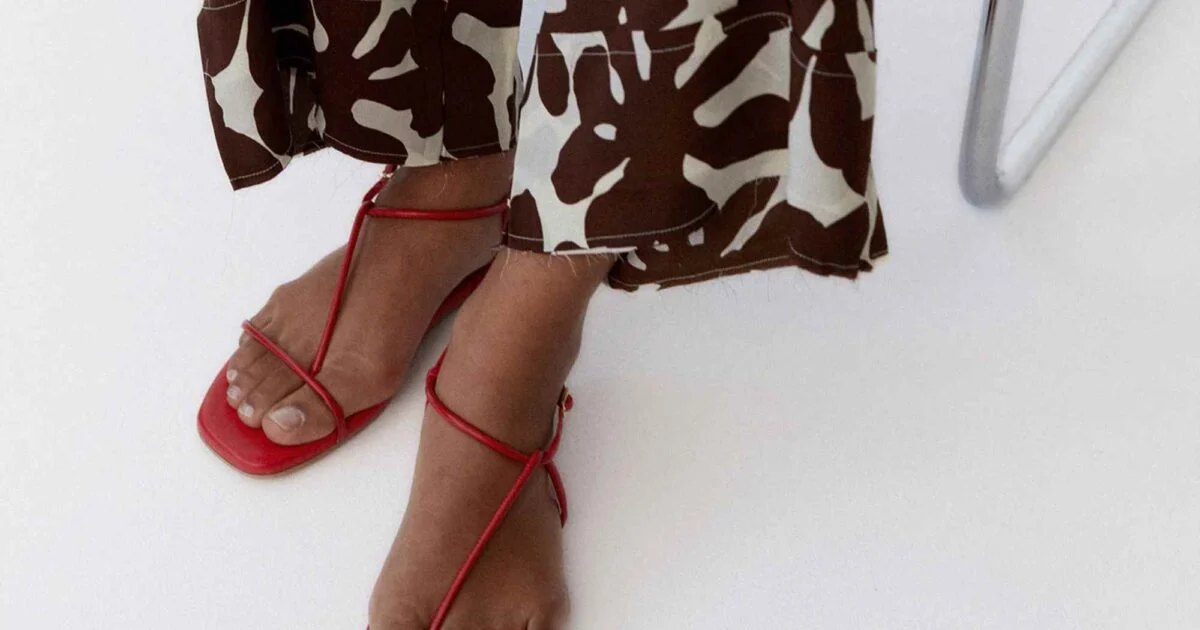
As temperatures rise and the call of summer adventures beckons, sandals firmly reclaim their position as an indispensable wardrobe staple. From leisurely strolls along sandy beaches to vibrant park picnics and lively backyard gatherings, the right pair of sandals offers both comfort and style. However, the modern consumer faces an increasingly complex challenge: finding footwear that not only meets aesthetic and comfort requirements but also aligns with rigorous standards of environmental stewardship, ethical labor practices, and animal welfare. This pursuit is far from straightforward in a global fashion industry often characterized by rapid production cycles and opaque supply chains. Good On You, a leading authority in brand sustainability ratings, curates and assesses brands to help consumers make informed choices, emphasizing that buying through their vetted links supports their ongoing work to evaluate and promote responsible fashion. The organization has recently undertaken an extensive search to identify some of the most exemplary sustainable and ethical sandal brands poised to carry consumers through the warmer months with integrity and ease.
The Pervasive Impact of Conventional Footwear Production
The global footwear industry is a colossal enterprise, churning out billions of pairs annually. This scale of production carries a significant environmental footprint, impacting natural resources at every stage, from material sourcing to manufacturing and eventual disposal. Traditional leather production, for instance, is notoriously resource-intensive, requiring vast quantities of water for livestock farming and tanning processes, which often involve hazardous chemicals like chromium that can contaminate waterways and soil. Synthetic materials, predominantly plastics, contribute to the fossil fuel industry’s demand and persist in landfills for centuries, breaking down into microplastics that infiltrate ecosystems and food chains. Beyond materials, manufacturing processes consume substantial energy, often derived from fossil fuels, and generate considerable waste, from offcuts to packaging. The carbon emissions associated with global supply chains, transporting materials and finished goods across continents, further exacerbate climate change. This backdrop underscores the urgency for consumers and brands alike to pivot towards more sustainable models.
Defining the Pillars of Sustainable and Ethical Footwear
Identifying a truly sustainable or ethical sandal requires a holistic understanding of a brand’s practices across several critical dimensions: materials, production processes, labor ethics, and animal welfare.
- Lower-Impact Materials: The foundation of sustainable footwear often lies in its material composition. Brands committed to reducing their environmental footprint prioritize natural, renewable, and recycled resources.
- Cork: A highly renewable resource harvested from cork oak trees without harming the tree, cork is lightweight, durable, and naturally cushioning, making it an excellent choice for footbeds and soles.
- Responsibly Sourced Natural Rubber: Unlike synthetic rubbers derived from petroleum, natural rubber comes from rubber trees. "Responsibly sourced" implies cultivation methods that avoid deforestation, protect biodiversity, and ensure fair treatment for tappers.
- Recycled Materials: The incorporation of recycled plastics (like RPET from plastic bottles), recycled rubber, or even textile waste diverts materials from landfills and reduces the demand for virgin resources.
- Innovative Vegan Alternatives: For consumers seeking animal-free options, the landscape of alternative leathers has rapidly evolved. Beyond conventional synthetic leathers, which are often plastic-heavy, a new generation of bio-based materials is emerging. These include materials made from grape and apple skins, pineapple leaves (Piñatex), mushroom mycelium, and cactus fibers. While many still incorporate some synthetic binders for durability, their reliance on agricultural waste or rapidly renewable plant sources marks a significant step forward. Consumers are encouraged to inquire about the full composition of "vegan leather" to understand its environmental profile.
- Responsible Production and Manufacturing: Sustainable brands often employ practices that minimize waste, conserve resources, and reduce pollution during manufacturing. This includes using low-waste cutting techniques, optimizing energy consumption (ideally through renewable sources), implementing closed-loop water systems, and avoiding harmful chemicals in dyeing and finishing processes. Made-to-order models are increasingly popular as they drastically reduce overproduction and inventory waste.
- Ethical Labor Practices ("People" Pillar): A truly ethical brand ensures that every individual involved in its supply chain, from material sourcing to manufacturing, is treated fairly. This means guaranteeing living wages, safe working conditions, reasonable working hours, and the absence of child labor, forced labor, or discrimination. Transparency in the supply chain, often achieved through certifications or direct partnerships with factories, allows brands to monitor and improve labor standards.
- Animal Welfare ("Animals" Pillar): For those prioritizing animal welfare, brands that are certified vegan or demonstrably avoid all animal-derived products are essential. This extends beyond leather to glues, dyes, and other components that might unknowingly contain animal products. Good On You’s "Animals" pillar rating provides clear guidance on brands’ commitments in this area.
- Circularity and Longevity: A crucial aspect of sustainability is designing products for durability, repairability, and eventual recycling or composting. Promoting longevity through quality craftsmanship reduces the need for frequent replacements, while take-back programs and end-of-life solutions ensure materials are kept in circulation rather than ending up in landfills.
The Rise of Conscious Consumerism and Market Shifts
In recent years, a significant shift in consumer sentiment has driven a growing demand for transparency and ethical products. Consumers are increasingly aware of the social and environmental costs of their purchases and are actively seeking brands that align with their values. This has led to the growth of the ethical fashion market segment, with more brands adopting sustainable practices and communicating their efforts. Platforms like Good On You play a pivotal role in this ecosystem, providing accessible, comprehensive ratings that empower consumers to navigate complex sustainability claims and make informed decisions. The organization’s directory, allowing users to filter by specific values like fair wages or vegan certification, exemplifies this commitment to consumer empowerment.
Spotlight on Exemplary Sustainable and Ethical Sandal Brands
Good On You’s rigorous assessment system evaluates brands across their impact on people, the planet, and animals. Based on this methodology, several brands stand out for their commitment to creating sandals that are not only stylish and comfortable but also responsibly made.
ESSÄN: The Art of Deliberate Creation
Founded in 2016 by Marre Muijs, ESSÄN emerged as a direct response to the prevalent fast fashion cycle characterized by overproduction, fleeting trends, and excessive waste. Muijs’s vision was to cultivate a brand that prioritized careful craftsmanship over mass production, timeless classics over ephemeral trends, and sustainability over depletion. ESSÄN operates on a distinct philosophy of slow fashion, eschewing the traditional seasonal fashion calendar in favor of a single, permanent collection. This approach inherently combats the industry-wide issue of overproduction, which leads to vast amounts of unsold inventory and subsequent waste. Furthermore, the brand employs low-waste cutting techniques, meticulously planning patterns to minimize textile offcuts, thereby conserving resources and reducing landfill contributions. ESSÄN’s commitment to creating durable, timeless pieces encourages a longer product lifecycle, fostering conscious consumption rather than disposable fashion. Their rating on the Good On You directory reflects their strong performance in environmental impact and labor practices.
Shop ESSÄN
Agazi: Pioneering Vegan Innovation from Poland
Agazi, a vegan footwear brand hailing from Poland, showcases a deep commitment to animal welfare and material innovation. Their extensive range, encompassing sneakers, sandals, heels, and flats, is entirely free from animal-derived materials. What truly distinguishes Agazi is its forward-thinking adoption of alternative leathers made from agricultural waste products such as apple and grape skins. These bio-based materials offer a compelling alternative to traditional animal leather, which carries significant environmental and ethical burdens, as well as to conventional synthetic leathers that are often petroleum-based. By utilizing these innovative materials, Agazi not only provides cruelty-free options but also contributes to reducing waste from other industries and minimizing the reliance on virgin fossil resources. Their focus on such progressive materials underscores a commitment to both ethical production and environmental sustainability.
Shop Agazi
Spell: Conscious Craftsmanship from Byron Bay
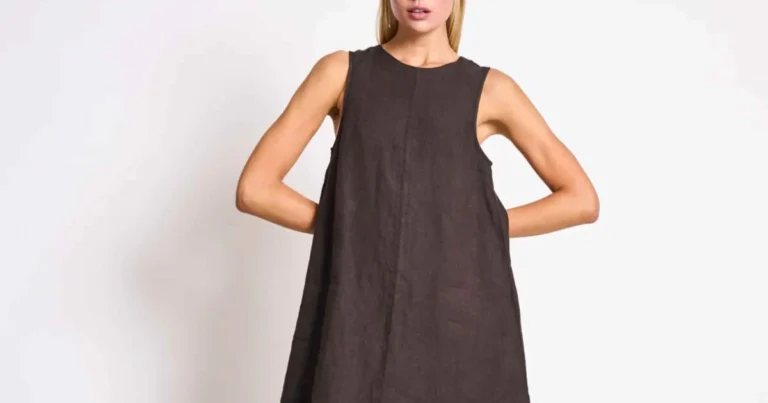
Spell, an Australian fashion brand, infuses its creations with a bohemian spirit, drawing inspiration from global travels, vintage aesthetics, and nostalgic childhood memories. While known for its apparel, Spell’s approach to fashion production extends to its footwear, including sandals. The brand proudly designs and samples its garments in Byron Bay, Australia, maintaining a strong connection to its local roots and creative vision. Production is then carried out responsibly in factories worldwide, with Spell emphasizing ethical manufacturing processes. This commitment means they actively work with their supply chain partners to ensure fair labor practices and minimize environmental impact. Their focus on responsible production, combined with a design philosophy that leans towards enduring style rather than fleeting trends, aligns with principles of thoughtful consumption. Spell also demonstrates an admirable commitment to inclusivity, with most garments available in sizes 2XS-2XL, an important aspect of ethical fashion often overlooked.
Shop Spell
Bhava: Designer Vegan Footwear with a Conscience
BHAVA, an innovative vegan women’s footwear brand, is the brainchild of designer Francisca Pineda, who envisioned a line that merges high fashion with uncompromising ethical standards. The brand distinguishes itself through its meticulous material selection and rigorous avoidance of harmful chemicals. BHAVA incorporates several environmentally friendly materials into its designs, including organic cotton, which reduces pesticide use and water consumption, and recycled materials, which divert waste from landfills. Crucially, BHAVA takes its commitment to clean production a step further by explicitly stating that its vegan leather is free from a litany of hazardous substances: aromatic amines, PCP, formaldehyde, PVC, phthalates, azo-dyes, and chrome. This comprehensive list highlights a dedication to not only animal welfare but also human health and environmental protection, ensuring that their products are safer for both wearers and the planet.
Shop Bhava
Nisolo: Empowering Communities and Combating Climate Change
Nisolo, an American brand, stands as a testament to the power of integrating social impact with environmental responsibility. A core tenet of Nisolo’s mission is the prioritization of living wages throughout its entire supply chain. This commitment goes beyond minimum wage requirements, ensuring that artisans and workers are paid enough to cover their basic needs and support their families, fostering economic stability and dignity within communities. By focusing on living wages, Nisolo directly addresses one of the most pressing ethical challenges in the global fashion industry. Concurrently, the brand is actively engaged in combating climate change, implementing strategies to reduce its carbon footprint and promote environmental regeneration. Their holistic approach, which links fair labor practices with ecological stewardship, positions Nisolo as a leader in responsible fashion. Their shoes are available in a broad range of EU sizes 35-42, ensuring accessibility.
Shop Nisolo
Up-Fuse: Transforming Waste into Opportunity
Up-Fuse is a Cairo-based social enterprise that embodies the principles of a circular economy and social empowerment. Operating under the inspiring belief that "one’s trash is another’s fabric," the brand specializes in upcycling discarded materials into unique and functional products, including sandals. What makes Up-Fuse particularly impactful is its social mission: it actively collaborates with Syrian, Ethiopian, and Sudanese female refugees residing in Egypt. Through this partnership, Up-Fuse provides meaningful employment opportunities, fair wages, and skills training, empowering vulnerable women and fostering economic independence. By transforming waste into valuable goods and simultaneously creating social value, Up-Fuse demonstrates an innovative model that addresses both environmental pollution and humanitarian challenges, proving that fashion can be a powerful force for good.
Shop Up-Fuse
Etiko: Setting the Standard for Organic Fair Trade
Etiko, an Australian designer of organic fair trade clothing and shoes, has long been a pioneer and an uncompromising advocate for human rights within traditionally exploitative industry supply chains. The brand has consistently set high benchmarks for ethical production, campaigning tirelessly for the rights and welfare of workers. Etiko’s commitment to "organic fair trade" signifies a dual dedication: ensuring that materials like cotton are grown without harmful pesticides and chemicals, and that every worker involved in the production process receives fair wages, works in safe conditions, and has their fundamental rights respected. This unwavering stance against exploitation and for transparency has made Etiko a respected voice and a trusted choice for consumers seeking genuinely ethical products. Their clothing is available in AU sizes 8-20, and shoes in UK sizes 3-13, catering to a wide audience.
Shop Etiko
Vesica Piscis: A Vegan Brand Committed to Circularity
Vesica Piscis is a vegan footwear brand based in Spain that exemplifies a comprehensive approach to sustainable manufacturing. The brand distinguishes itself by using a high proportion of lower-impact materials in its shoes, carefully selecting components that minimize environmental harm. Furthermore, Vesica Piscis powers its manufacturing processes with renewable energy, significantly reducing its carbon footprint and reliance on fossil fuels. A key element of their sustainability strategy is their made-to-order production model. By producing items only when a customer places an order, the brand virtually eliminates overproduction and the associated waste from unsold inventory, a common problem in the fashion industry. This demand-driven approach not only conserves resources but also supports a more thoughtful and less wasteful consumption cycle. Most of their shoes are available in sizes 36-46, ensuring a broad fit.
Shop Vesica Piscis
The Evolving Landscape: Challenges and Future Directions
Despite the advancements made by these pioneering brands, the journey towards a fully sustainable and ethical footwear industry faces ongoing challenges. "Greenwashing," where brands misleadingly market their products as eco-friendly, remains a concern, making the role of independent vetting organizations like Good On You more crucial than ever. The higher cost of sustainably sourced materials and ethical labor practices can sometimes translate into higher retail prices, posing an accessibility barrier for some consumers. However, ongoing innovation in material science continues to yield promising new alternatives, and increased consumer demand for sustainable products is steadily driving down costs and expanding availability.
The future of sustainable footwear lies in continued innovation, greater transparency across supply chains, and a collective commitment from brands and consumers to prioritize people and the planet. As more brands adopt circular design principles, invest in renewable energy, and ensure fair treatment for workers, the choice for a truly ethical sandal will become not just a possibility, but an expectation.
Conclusion
Choosing a pair of sandals for the summer season now extends beyond mere style and comfort; it is an opportunity to make a conscious decision that supports a more responsible and equitable fashion industry. By opting for brands that prioritize lower-impact materials, ethical labor, and animal welfare, consumers contribute directly to mitigating the significant environmental and social costs associated with conventional footwear production. Resources like the Good On You directory serve as invaluable tools, empowering individuals to navigate the complexities of sustainability claims and identify brands that genuinely align with their values. As the updated article reflects on May 5, 2026, the landscape of ethical fashion is continually evolving, with new brands emerging and existing ones refining their practices. This ongoing commitment to review and refresh selections ensures that consumers always have access to the most current and comprehensive information, enabling them to step into summer with both style and a clear conscience.