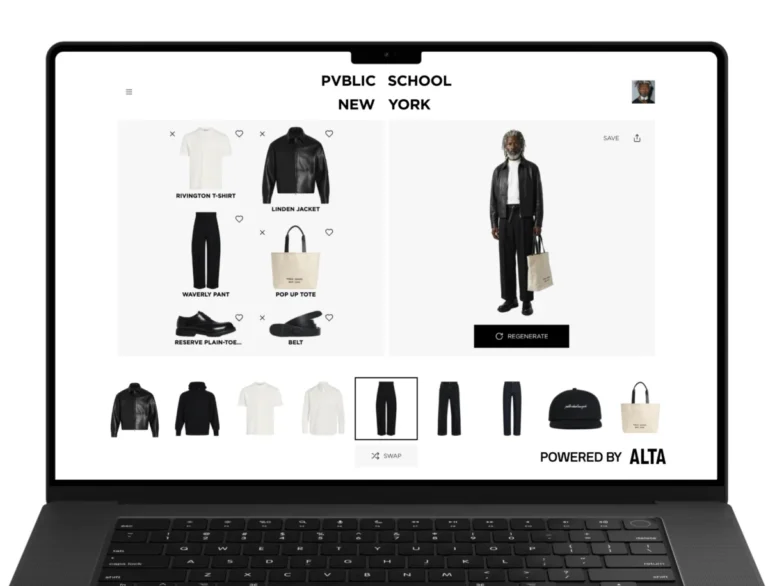












The landscape of global fashion e-commerce underwent a significant consolidation this week as the Japan-based retail giant Zozo announced the acquisition of Lyst, the London-headquartered premium fashion marketplace. The deal, valued at $154 million in cash, represents a stark departure from the lofty valuations seen during the height of the pandemic-era digital shopping boom. Lyst, which acts as a massive aggregator for luxury and high-street fashion brands, was valued at approximately $700 million as recently as May 2021. The acquisition marks a pivotal moment for both companies as they attempt to navigate a volatile global trade environment and a shift in investor focus toward artificial intelligence.
Zozo, a titan in the Japanese e-commerce space, operates several prominent brands including Zozotown, the country’s largest online fashion portal, as well as Wear by Zozo and the innovative Zozosuit. The company is perhaps best known internationally through its flamboyant founder, Yusaku Maezawa, a billionaire who gained global notoriety for his planned lunar expeditions and for holding the record for the most retweeted tweet after promising cash giveaways to his followers. By bringing Lyst into its portfolio, Zozo gains a significant foothold in the Western market, particularly in the United Kingdom, Europe, and the United States.
Strategic Continuity and Leadership Retention
Despite the change in ownership, Zozo has signaled a commitment to operational continuity. Lyst will continue to function as a stand-alone business entity based in the United Kingdom. Emma McFerran, who has served as the Chief Executive Officer of Lyst, will remain at the helm to oversee the transition and lead the next phase of the company’s growth. This move is seen as an effort to preserve the brand equity and institutional knowledge that Lyst has built since its inception.
The acquisition price of $154 million—roughly 22% of its peak valuation—serves as a sobering indicator of the current state of the e-commerce market. The sector is currently grappling with a triad of pressures: shifting macroeconomic policies, intensified competition from diversified retail giants, and a fundamental pivot in the venture capital landscape.
The Evolution of Lyst: From Growth to Consolidation
Lyst’s trajectory over the past decade mirrors the broader "boom and bust" cycle of the tech-enabled retail sector. Founded in London, the platform positioned itself as the ultimate search engine for fashion, utilizing a marketplace model that did not require it to hold its own inventory. Instead, it aggregated products from thousands of retailers and designers, allowing users to track prices and receive alerts on specific items.
In May 2021, Lyst successfully raised $85 million in a pre-IPO funding round led by Fidelity Management & Research Company. At the time, the round included participation from high-profile venture capital firms such as Accel, Balderton Capital, and Molten (formerly known as Draper Esprit). The $700 million valuation assigned during that round reflected an era of unbridled optimism, as stay-at-home orders drove record-breaking traffic to online storefronts. However, as the world transitioned out of the pandemic, the IPO window for tech companies narrowed significantly, and the rapid growth seen in 2020 and 2021 began to normalize.
Financial Performance and Narrowing Losses
According to the most recent filings with the UK’s Companies House for the fiscal year ending March 31, 2024, Lyst reported revenue of £50.1 million (approximately $64 million). This figure remained largely stagnant compared to the £50 million reported the previous year. While revenue growth has plateaued, the company has made significant strides in improving its bottom line.
In the 2023-2024 fiscal year, Lyst managed to narrow its net loss to just £510,000, a dramatic improvement from the £23.7 million loss recorded in the prior year. Furthermore, the company reported an operating profit before taxes of £443,000 and achieved a positive EBITDA of approximately $1 million. These figures suggest that the company had shifted its focus toward sustainability and operational efficiency—likely in preparation for a sale or a strategic partnership—following a 2022 restructuring that saw the company lay off 25% of its workforce.
A Triad of Macroeconomic and Industry Headwinds
The discount on Lyst’s valuation can be attributed to three primary external pressures that have redefined the risks associated with global e-commerce.
First, the threat of escalating trade tensions and tariff hikes has cast a shadow over international retail. For Lyst, this is a critical concern, as nearly 30% of its revenue is generated from consumers in the United States. Proposed changes to U.S. trade policy, including potential increases in tariffs on imported goods and the tightening of "de minimis" rules that currently allow low-value packages to enter the country duty-free, could significantly impact the margins of the 27,000 brands Lyst hosts.
Second, the competitive landscape has become increasingly crowded. While Lyst specializes in high-end fashion, it now competes for consumer attention against "everything stores" like Amazon, which has made aggressive inroads into the luxury space. Additionally, the rise of ultra-fast fashion platforms like Temu and Shein has disrupted traditional e-commerce by leveraging massive supply chain efficiencies and aggressive marketing budgets, forcing premium marketplaces to justify their value propositions more clearly.
Third, there has been a tectonic shift in investor appetite. The venture capital community has largely moved away from pure-play e-commerce in favor of artificial intelligence. Companies that cannot demonstrate a core AI-driven growth story often find themselves struggling to secure the same level of capital or valuation multiples they enjoyed just three years ago.
The AI Pivot: Transforming Fashion Discovery
In their joint announcement, Zozo and Lyst emphasized a shared vision for "Transforming the Future of Fashion Discovery through AI and Technology." While specific product roadmaps were not disclosed, the focus on AI is a strategic necessity in the current market.
Industry analysts suggest that for Lyst, AI integration could mean more sophisticated personalization engines that predict consumer trends before they go viral, or computer vision tools that allow users to find luxury alternatives based on images. For Zozo, which has a history of experimenting with body-scanning technology like the Zozosuit, Lyst’s data on 160 million annual unique users provides a goldmine of information to train machine learning models on global fashion preferences and sizing.
Global Reach and Brand Aggregation
The acquisition provides Zozo with an immediate and diversified international footprint. Lyst’s business is geographically distributed, with 34% of its business coming from Europe, 30% from the United States, and 24% from the United Kingdom. This diversity is anchored by its relationship with some of the world’s most prestigious luxury houses and retailers.
Lyst currently claims to offer products from 27,000 brands. Its index includes "The Lyst Index," a quarterly ranking of the world’s hottest brands and products that has become an industry benchmark. The platform’s partner list is a "who’s who" of luxury, featuring names such as:
- Prada
- Gucci
- Bottega Veneta
- Miu Miu
- Valentino
- Coach
- Hugo Boss
- Selfridges
- Harrods
By acquiring Lyst, Zozo moves from being a dominant regional player in Japan to a global intermediary in the luxury fashion ecosystem.
Broader Implications for the E-commerce Sector
The sale of Lyst at a reduced valuation is not an isolated incident but rather part of a broader "great reset" in fashion tech. Other major players have faced similar or more dire fates. Farfetch, once a darling of the New York Stock Exchange with a multi-billion dollar valuation, narrowly avoided bankruptcy through a rescue deal with South Korea’s Coupang in late 2023. MatchesFashion, another UK-based luxury retailer, was placed into administration shortly after being acquired by Frasers Group.
These events highlight a fundamental shift in how the market values online marketplaces. The era of prioritizing user acquisition and top-line growth at the expense of profitability has ended. Investors and acquirers now demand clear paths to positive cash flow and a defensible technological moat.
Conclusion: A New Chapter for Lyst and Zozo
For Lyst, becoming part of the Zozo Group offers a chance for stability and the benefits of "economies of scale" that were difficult to achieve as an independent entity in a tightening capital market. The backing of a profitable parent company like Zozo provides the runway needed to invest in the AI-driven tools that the companies believe will define the next decade of retail.
As Emma McFerran noted, the deal is viewed as a "win-win" for the ecosystem of shoppers and partners. However, the success of this acquisition will ultimately depend on whether the two companies can successfully integrate their disparate technologies and navigate the complex web of global trade regulations that continue to challenge the e-commerce industry. For now, the deal stands as a definitive marker of the end of the pandemic-era tech bubble and the beginning of a more pragmatic, AI-focused era in digital fashion.