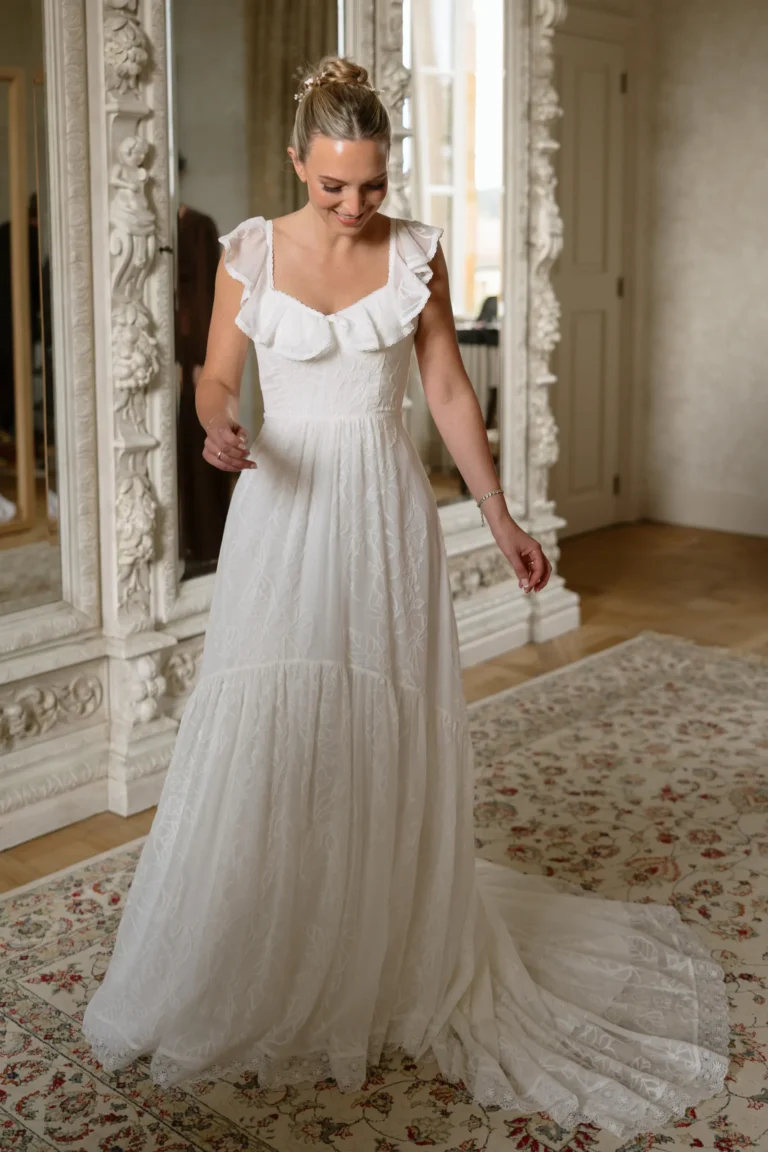







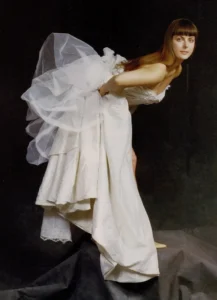


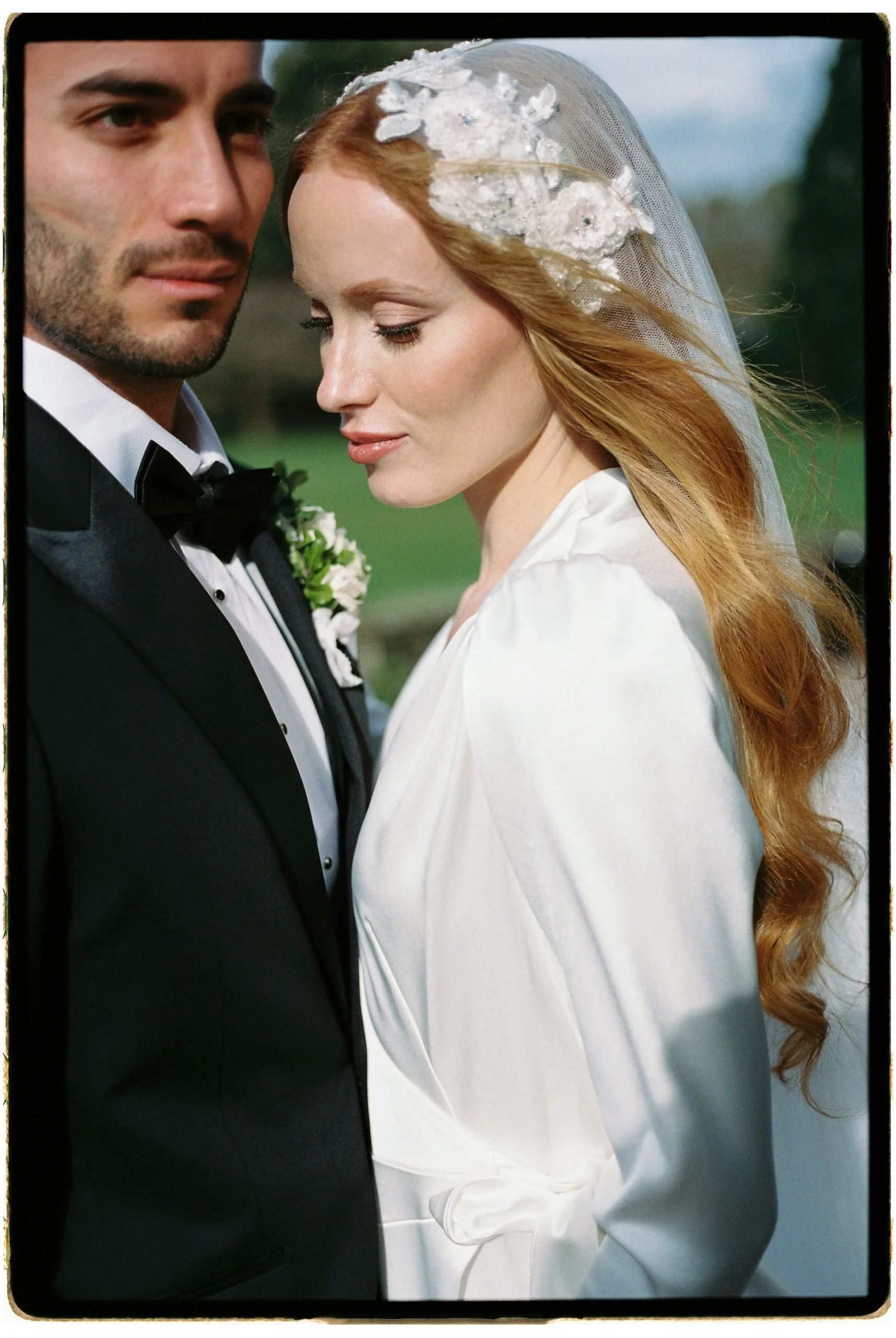
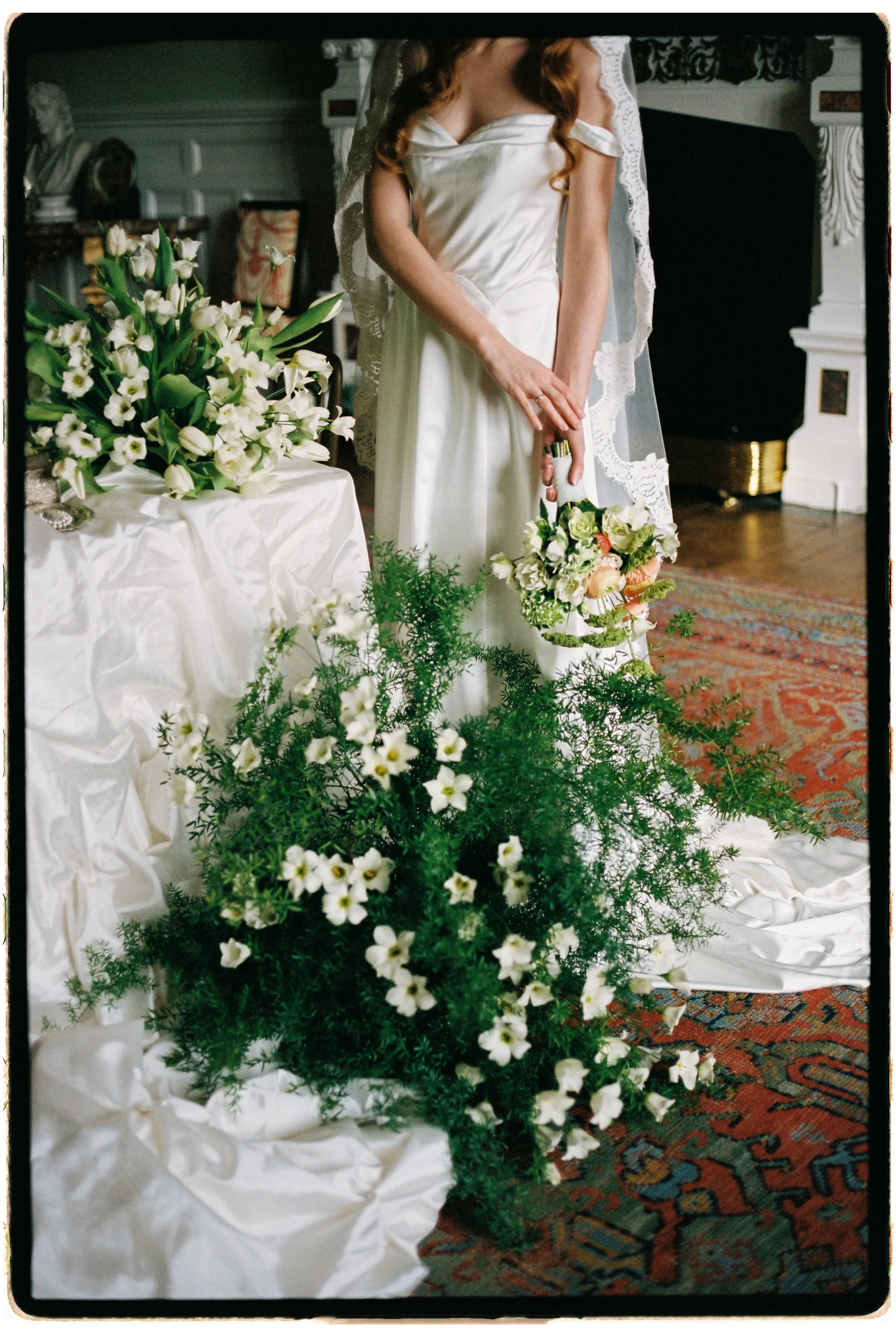
The UK bridal industry has observed a significant shift toward narrative-driven design, a trend exemplified by the recent editorial launch of the Persephone collection by Wilderness Bride. Spearheaded by founder and lead designer Stephanie Mitchell, the editorial serves as a strategic preview of a collection rooted in the psychological and mythological journey of its namesake. Captured at the historic Capesthorne Hall in Cheshire, the project brought together a curated assembly of industry professionals to execute a vision that balances the delicate aesthetics of early spring with the structural gravitas of vintage fashion. The editorial, photographed by Georgina Harrison, utilizes a hybrid of digital and 35mm film to document a collection that explores themes of transformation, feminine sovereignty, and the duality of the human experience.
The Conceptual Framework: Mythology as a Design Catalyst
The Persephone collection represents a departure from traditional bridal themes, opting instead for a conceptual exploration of the Greek myth of Persephone. In classical mythology, Persephone’s narrative is one of profound transition—from the "Kore" or maiden to the formidable Queen of the Underworld. This transition necessitates a life divided between two realms: six months spent in the light of spring with her mother, Demeter, and six months reigning in the shadows alongside Hades.
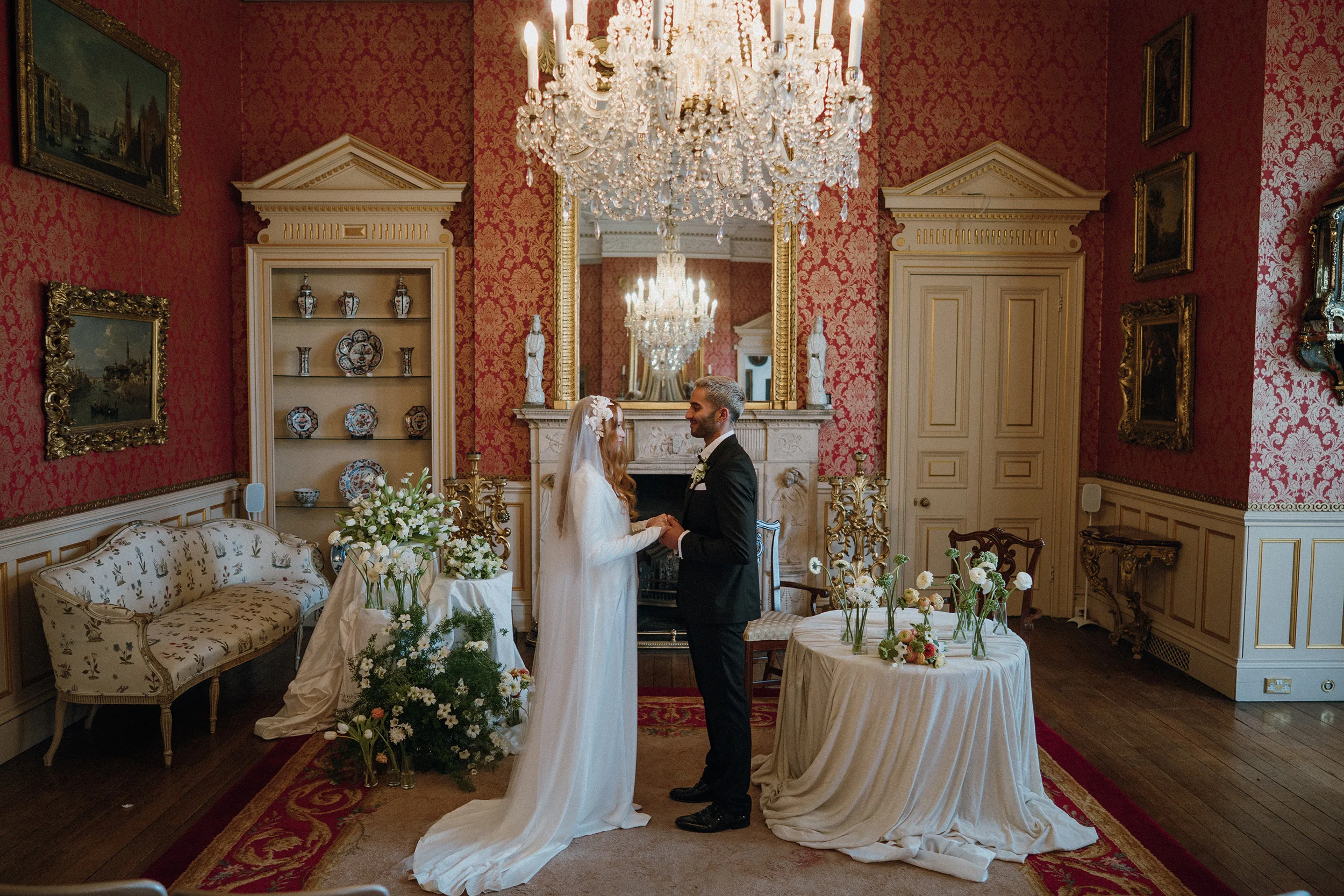
According to Mitchell, this duality served as the foundational pillar for the collection’s creative direction. The designs aim to reflect the complexity of the modern woman, who often navigates between perceived "soft" femininity and "hard" personal authority. By utilizing the Persephone myth as a psychological framework, Wilderness Bride addresses a growing market segment of brides seeking attire that reflects personal growth and internal strength rather than just ornamental tradition. This "sovereign" aesthetic is characterized by garments that retain a sense of romantic delicacy while incorporating the structured silhouettes of the mid-20th century.
Historical Influence and Architectural Context
A primary driver of the editorial’s visual success was the selection of Capesthorne Hall as the backdrop. Located in the parish of Siddington, Cheshire, Capesthorne Hall is a Grade II* listed country house that has been the ancestral home of the Bromley-Davenport family since the 18th century. The current Jacobean-style architecture, rebuilt by Anthony Salvin in the 19th century after a significant fire, provides a sense of permanence and historical weight that complements the "underworld" aspect of the Persephone narrative.
The hall’s grand interiors and expansive grounds allowed the creative team to play with scale and light. The choice of venue was not merely for its aesthetic appeal but for its symbolic alignment with the collection’s themes. The juxtaposition of the soft, ethereal bridal gowns against the dark wood paneling and stone masonry of the hall mirrored the mythological tension between the vibrancy of life and the stillness of the subterranean realm.
Technical Execution: The Resurgence of Analog Photography
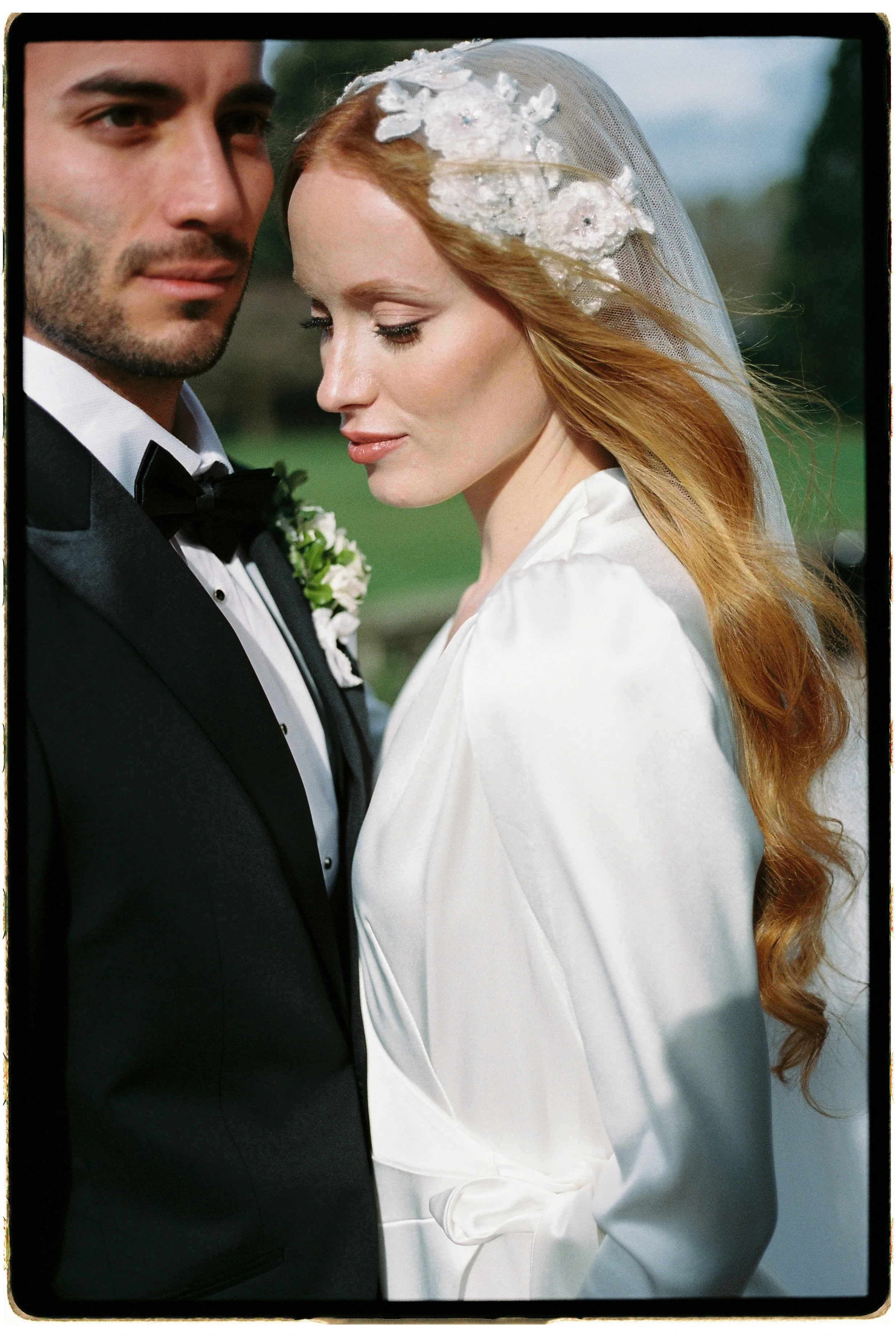
In an era dominated by high-speed digital imaging, the decision by photographer Georgina Harrison to utilize 35mm film alongside digital formats is a noteworthy technical choice. Within the professional photography industry, there is a measurable resurgence in film photography, particularly in the luxury wedding sector. Film is often favored for its superior dynamic range, organic grain, and the specific way it renders light and skin tones—qualities that digital sensors often struggle to replicate without extensive post-processing.
For the Persephone editorial, the use of film was instrumental in capturing the "softness of early spring light." This specific lighting condition is central to the narrative of Persephone’s return to the upper world. The technical limitations of film—requiring a slower, more intentional approach to composition—aligned with the "considered" nature of the Wilderness Bride brand. Harrison’s editorial eye focused on translating the brief into a series of atmospheric images that prioritize mood over mere documentation. This approach reflects a broader industry trend where wedding photography is increasingly viewed through the lens of fashion and fine art.
Stylistic Elements and Visual Identity
The editorial’s palette was heavily influenced by the natural features of the model, Fern, whose striking red hair dictated a color story of soft blush tones, warm neutrals, and ivory. This palette was designed to evoke the "maiden" phase of the Persephone myth—innocence and the awakening of spring—while the structured tailoring of the gowns represented the "queen" phase.
Vintage Silhouettes of the 1930s and 1940s
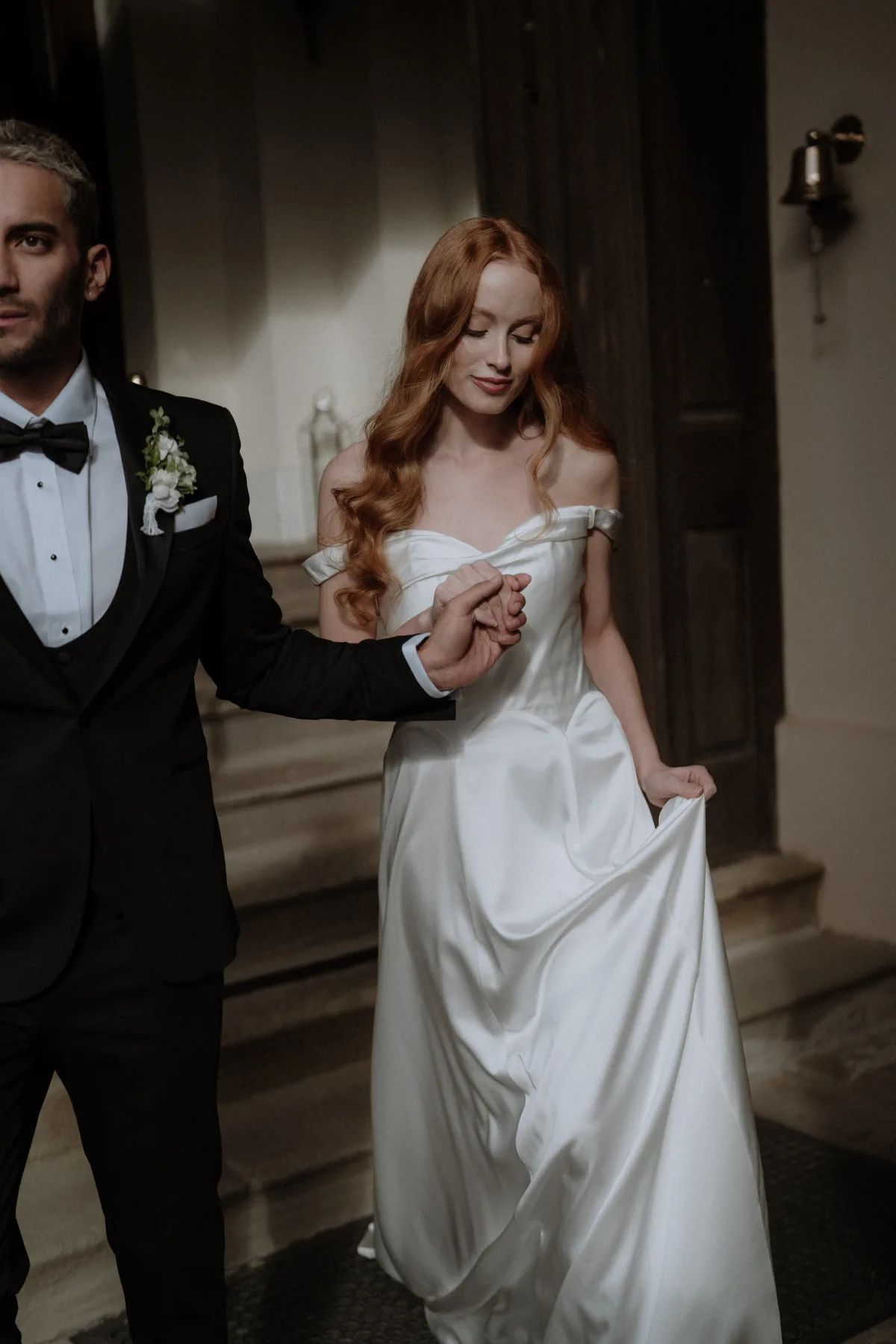
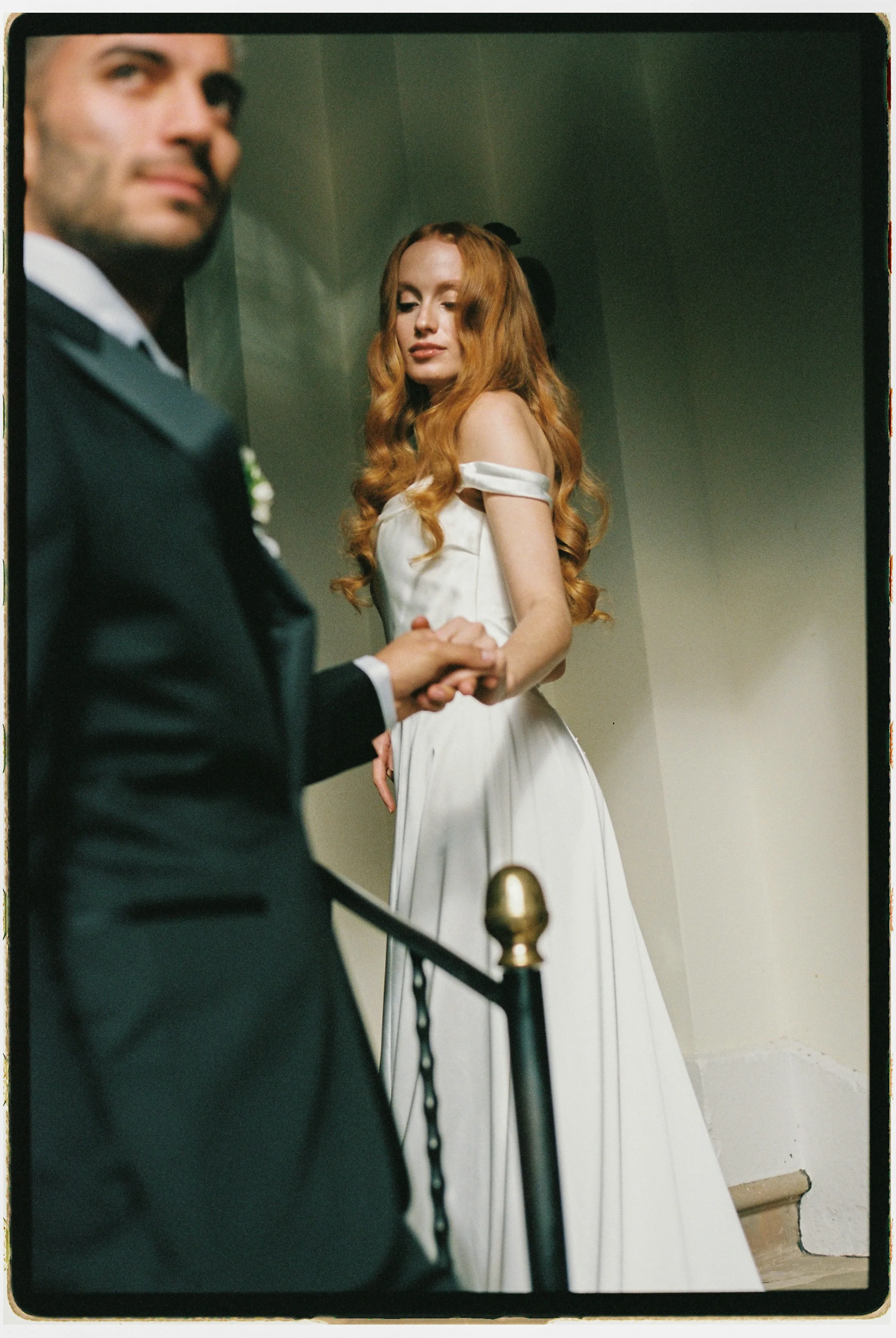
Wilderness Bride has long been associated with vintage-inspired design, and the Persephone collection draws specifically from the silhouettes of the 1930s and 1940s. The 1930s were characterized by the bias-cut gown, a technique popularized by Madeleine Vionnet that allows fabric to drape elegantly over the body’s natural curves, creating a liquid-like movement. The 1940s influence introduced a more tailored, structured shoulder and a focus on utilitarian elegance. By blending these eras, Mitchell creates a timeless aesthetic that avoids the "costume" feel sometimes associated with vintage bridal wear.
Floral and Tablescape Design
The floral arrangements, designed to be understated and sophisticated, avoided the heavy, densely packed styles of previous seasons. Instead, the team opted for deconstructed, airy compositions that suggested movement and the wistful nature of early spring. This "undone" elegance extended to the tablescape, which utilized a clean, minimal approach.
Stationery provided by Linhay Press featured letter-pressed designs on high-quality stock, emphasizing craftsmanship over ornamentation. The centerpiece of the styling was a seven-tier cake created by Lucy, which served as an architectural focal point. The cake’s intricate detailing was designed to complement the textures of the gowns, reinforcing the editorial’s commitment to a cohesive visual language.
Industry Context and Market Implications
The release of this editorial comes at a time when the UK wedding industry, valued at approximately £14.7 billion annually, is undergoing a period of stabilization following the volatility of the post-pandemic "boom." Today’s couples are increasingly prioritizing quality over quantity, with a focus on "intentionality" in their choices.
The Persephone collection targets a specific demographic: the "modern-vintage" bride. Market data suggests that while the demand for traditional white weddings remains, there is a growing interest in alternative narratives and bespoke-feeling designs. By offering a collection that is both "elegant and considered," Wilderness Bride positions itself within the luxury niche that values storytelling and artisanal production.
Furthermore, the collaborative nature of this editorial highlights the importance of the "supplier ecosystem" in the wedding industry. Styled shoots have evolved from simple marketing tools into sophisticated brand-building exercises that allow small-to-medium enterprises (SMEs) to showcase their capabilities to a global audience via digital platforms and bridal directories.
Chronology of the Editorial Production
The production of the Persephone editorial followed a structured timeline designed to maximize the specific environmental conditions of the Cheshire landscape:
- Conceptualization (Winter): Stephanie Mitchell developed the Persephone theme, focusing on the psychological journey of transformation. Initial sketches and fabric selections were made to align with the 1930s/40s influence.
- Supplier Curation: A team of creatives was assembled, including Georgina Harrison for her expertise in film photography and the staff at Capesthorne Hall for venue logistics.
- The Shoot (Early Spring): The editorial was executed over a single day to capture the specific quality of spring light. The schedule was dictated by the movement of natural light through the hall’s historic windows.
- Post-Production (Late Spring): Harrison processed the 35mm film and curated the digital gallery, ensuring a seamless blend between the two formats.
- Digital Launch: The editorial was released as a "first glimpse" into the upcoming collection, serving as a strategic lead-in to the full collection’s commercial availability.
Conclusion and Future Outlook
The Persephone editorial by Wilderness Bride serves as a case study in how mythological narratives can be successfully integrated into modern commercial design. By grounding the collection in the themes of transformation and duality, and by executing the vision through high-caliber photography and historical context, the creative team has produced a body of work that resonates on both an aesthetic and an emotional level.
As the bridal industry continues to evolve, the emphasis on "meaningful" luxury is expected to grow. The Persephone collection, with its blend of vintage elegance and contemporary strength, is well-positioned to meet the demands of a discerning clientele. The collaboration between Wilderness Bride, Georgina Harrison, and Capesthorne Hall underscores the continued relevance of the British countryside as a premier destination for high-end bridal fashion and editorial innovation. For the prospective bride, the editorial offers more than just dress inspiration; it offers a narrative framework for the wedding day as a moment of significant personal and social transformation.