










June 2026 marked a pivotal period for the global fashion industry, characterized by a sharp juxtaposition of persistent environmental and social challenges against emerging efforts toward sustainability. From the opulent streets of Paris, where a luxury brand’s extravagant display ignited debates on climate responsibility, to the crucial battlegrounds of workers’ rights in Indonesian factories, the month underscored the multifaceted pressures facing fashion’s vast ecosystem. Regulatory bodies intensified their scrutiny of greenwashing claims, while legislative efforts in Europe grappled with the complex task of reining in fast fashion’s unchecked growth. Amidst these systemic struggles, pockets of innovation and positive action offered glimmers of hope, demonstrating the industry’s capacity for progress when faced with collective determination and conscious choices. This comprehensive review delves into the key events and trends that shaped the discourse around ethical and sustainable fashion throughout the month, examining their broader implications for brands, consumers, and policymakers alike.
The Environmental Reckoning: Luxury, Fast Fashion, and Climate Goals Under Scrutiny
The fashion industry’s environmental footprint remained a dominant theme in June, with high-profile incidents and critical reports drawing significant attention to its impact on the planet. From extravagant displays by luxury giants to the relentless production cycles of fast fashion, the sector faced increasing pressure to align its practices with global sustainability imperatives.
Louis Vuitton’s Waterfall: A Symbol of Disconnect in a Warming World
In a striking display that quickly became a focal point of environmental debate, Louis Vuitton hosted a high-profile fashion show in Paris featuring a colossal artificial waterfall. The event, held amidst a record-breaking heatwave that saw temperatures soaring across Europe, immediately drew widespread criticism. The brand asserted that the water, sourced from Paris’s municipal supply, would be recirculated through a closed-loop system, minimizing waste. However, this technical assurance did little to quell public outrage and industry scrutiny.
The backdrop of a sweltering Paris, a city increasingly vulnerable to the impacts of climate change, amplified the perceived disconnect between luxury fashion’s spectacle and environmental realities. Students residing in a prominent accommodation complex near the show venue voiced their dismay, noting to Reuters that the "show underscored a stark gap between extreme wealth and their own living conditions." This sentiment resonated with environmental activists and a growing segment of the public who view such lavish displays as tone-deaf in an era of climate crisis. Data from the European heatwave of 2026 indicated a significant strain on public resources and heightened awareness of water scarcity, making Louis Vuitton’s use of a large-scale water feature particularly contentious. Critics argued that even a closed-loop system consumes energy and still presents a visual spectacle of resource abundance at a time when conservation is paramount. The incident highlighted the ongoing challenge for luxury brands to balance their aspirational imagery with genuine environmental responsibility, underscoring how actions, regardless of technical justifications, are increasingly judged by their symbolic weight and public perception.
The Fast Fashion Paradox: SHEIN’s Exit and France’s Legislative Hurdles
The month also saw significant developments in the ongoing battle against fast and ultra-fast fashion, reflecting a growing societal and governmental pushback against its pervasive environmental and social costs. The controversial partnership between ultra-fast fashion behemoth SHEIN and Parisian department store BHV came to an abrupt end, with a BHV representative publicly describing the collaboration as a "mistake." This termination followed a period of intense public outcry, including protests in Paris and reports of several brands withdrawing their products from BHV in response to the association.
SHEIN, known for its rapid production cycles, low prices, and immense volume of new designs—often thousands daily—has faced extensive criticism for its environmental impact, labor practices, and intellectual property infringement. Its business model epitomizes the "take-make-dispose" linear economy, contributing significantly to textile waste and carbon emissions. The public’s negative reaction to its presence in a traditional Parisian retail space like BHV signals a shifting consumer sentiment and an increasing reluctance among established retailers to align with brands perceived as environmentally and ethically problematic.
Concurrently, French lawmakers reached an agreement on a bill aimed at curbing the excesses of fast fashion. However, the legislation immediately faced criticism from industry organizations and the "Stop Fast-Fashion" coalition. Critics argued that the bill was too narrowly focused on "ultra-fast fashion," thereby allowing conventional fast fashion brands to largely escape its regulatory reach. Concerns were also raised about the vagueness of its provisions and the potential difficulties in enforcement, echoing broader challenges in legislating a globalized and rapidly evolving industry. This legislative attempt is part of a wider European trend to regulate textile waste and promote circularity, as evidenced by the EU Strategy for Sustainable and Circular Textiles. Yet, the French experience in June highlighted the intricate challenges of defining and effectively regulating different tiers of fast fashion, revealing the potential for loopholes and the need for more comprehensive and enforceable measures to truly mitigate the industry’s environmental and social damage.
Climate Commitments Lagging: Fashion’s Uphill Battle
A critical report from Business of Fashion in June underscored a sobering reality: the fashion industry is falling behind on its climate targets. Despite numerous pledges and initiatives, including the Fashion Pact and the UN Fashion Industry Charter for Climate Action, progress in cutting emissions has decelerated. This deceleration is particularly alarming given the urgency of the climate crisis and the fashion sector’s significant contribution to global greenhouse gas emissions, estimated to be between 2% and 8% annually.
The analysis pointed to several key reasons for this lagging progress. A pervasive issue is the "do-say gap," where ambitious public commitments are not matched by concrete, implementable strategies. Brands often lack a clear roadmap for translating high-level targets into actionable steps across their complex, global supply chains. Furthermore, the report highlighted a scarcity of meaningful consequences for brands that fail to meet their stated goals, diminishing accountability. Challenges in the wider corporate landscape, such as economic volatility and geopolitical instability, were also cited as factors diverting attention and resources from climate action. The bulk of fashion’s emissions, often up to 90%, fall under Scope 3, generated in the supply chain (e.g., raw material production, manufacturing, transportation). Decarbonizing these upstream activities requires significant investment, collaboration, and systemic change, which many brands are struggling to achieve at scale. The implications are profound: without accelerated action, the fashion industry risks failing to meet critical global climate goals, exacerbating environmental degradation, and facing increased regulatory pressure and consumer backlash. The report served as a stark reminder that voluntary commitments alone are insufficient and that a more robust framework of accountability, coupled with innovative financing and technological adoption, is essential to steer the industry back on track.
Battling Greenwashing and Enhancing Transparency: A Regulatory Tightening
As consumer awareness of environmental issues grows, so too does the scrutiny of corporate sustainability claims. June saw significant advancements in regulatory efforts to combat greenwashing and enforce greater transparency within the fashion sector, aiming to protect consumers and level the playing field for genuinely sustainable brands.
UK Bans Misleading "Recycled" Claims: A Precedent for Authenticity
In a landmark move against greenwashing, the UK’s Advertising Standards Authority (ASA) banned several advertisements from prominent brands including Adidas, Uniqlo, and Calvin Klein. The bans were issued over claims related to "recycled" clothing and shoes, which the ASA deemed misleading due to a lack of specific clarification. The regulatory body emphasized that without details on the exact percentage of recycled content or the specific components that were recycled, such claims could easily mislead consumers into believing a product was more environmentally friendly than it actually was.
This action is part of the ASA’s broader, ongoing investigation into environmental claims made by fashion brands, reflecting a growing global trend among regulators to tackle deceptive marketing practices. The ASA’s stance aligns with evolving guidelines, such as those from the Competition and Markets Authority (CMA), which stipulate that environmental claims must be clear, accurate, and substantiated. The implication of these bans is significant: they set a clear precedent for heightened accountability and transparency in sustainability marketing. Brands are now under increased pressure to provide verifiable data and detailed explanations for any eco-claims, moving beyond vague terminology that capitalizes on consumer goodwill. Failure to do so risks not only regulatory penalties but also severe damage to brand reputation and consumer trust, as shoppers become increasingly savvy about identifying superficial green claims. This regulatory tightening signals a shift towards a more rigorous environment where authenticity and verifiable impact will be crucial for brands wishing to communicate their sustainability efforts credibly.
EU Uncovers Systemic Label Inaccuracies: The Call for Consumer Vigilance
Further evidence of a pervasive lack of transparency emerged from an investigation by the European Commission, which uncovered systemic inaccuracies in clothing labels across the EU. The extensive testing of 132 items revealed an alarming 39% failure rate in fibre composition labels. Issues ranged from incorrect fibre percentages to the substitution of declared fibres with different, often cheaper, alternatives, and instances where fibres were incorrectly declared or named altogether. For example, a garment labeled as 100% cotton might contain a significant percentage of polyester, or a product claiming to use premium fibres might actually contain a lower-grade synthetic.
These inaccuracies have far-reaching implications for consumers, who rely on labels for informed purchasing decisions, product care, and understanding the environmental impact of their clothing. Incorrect labels can lead to consumers unknowingly purchasing materials they are allergic to, making incorrect choices for garment care (potentially shortening product lifespan), and hindering effective recycling efforts, as accurate fibre identification is crucial for textile-to-textile recycling processes. The EU Commission’s report advised consumers to be cautious of "very low prices, or deals that seem too good to be true," and to "prefer products where the manufacturer’s name, address or website is mentioned on the label. This ensures accountability and traceability." This systemic issue highlights the need for stricter enforcement mechanisms, more frequent market surveillance, and potentially higher penalties for non-compliance. It also underscores the complexity of global supply chains, where oversight can be challenging, but ultimately places the onus on brands to ensure the integrity of their product information.
Empowering the Workforce: A Landmark Victory for Garment Workers
Beyond environmental concerns, the human element of the fashion industry’s supply chain continues to be a critical area of focus. June brought a rare but significant victory for labor rights, highlighting the persistent struggles and the power of collective action in global manufacturing hubs.
Indonesian Union Triumphs: Reinstatement at an On Running Supplier
In a significant development for labor rights in the global sportswear supply chain, a trade union in Indonesia achieved a rare victory, securing the reinstatement of 64 factory workers. These workers had been unjustly dismissed by a facility that supplies sportswear to major international brands, including the popular Swiss running shoe company On Running. Public Eye’s detailed report shed light on the arduous realities faced by workers in Indonesia, a country where sportswear production is booming, but often at the expense of fair labor practices.
The victory, achieved through diligent union organizing and advocacy, underscores the ongoing challenges workers face globally, including low wages, poor working conditions, and suppression of union activities. In many garment-producing nations, workers are often paid below living wages, struggle with excessive overtime, and face precarious employment conditions. The ability of unions to successfully negotiate the reinstatement of dismissed workers is a powerful deterrent against arbitrary firings and a testament to the importance of collective bargaining. This particular outcome serves as a beacon of hope, demonstrating that even against powerful multinational corporations and their suppliers, organized labor can achieve tangible results. It sends a clear message to brands like On Running about the critical need for robust due diligence in their supply chains, ensuring that their suppliers adhere to international labor standards and respect workers’ rights to organize without fear of reprisal.
Broader Implications for Labor Rights in Global Supply Chains
This Indonesian union victory carries broader implications for labor rights across the intricate global supply chains of the fashion industry. It highlights the crucial role of independent trade unions and civil society organizations, such as Public Eye, in advocating for and protecting vulnerable workers. For years, NGOs and labor rights groups have campaigned for greater transparency and accountability from brands regarding their supply chain practices. This case demonstrates that when these efforts combine with strong local union presence, significant change can be effected.
The sportswear industry, in particular, has long been under scrutiny for its manufacturing practices, with many brands outsourcing production to countries with lower labor costs. While some brands have made commitments to ethical sourcing, the enforcement of these policies at the factory level remains a persistent challenge. This victory could inspire other workers and unions in similar contexts to push for their rights, potentially leading to a ripple effect across the industry. It also puts renewed pressure on international brands to go beyond mere audits and actively engage in fostering environments where workers’ rights, including the freedom of association and collective bargaining, are genuinely respected and upheld. Ultimately, this incident serves as a reminder that "sustainable fashion" must encompass not only environmental stewardship but also equitable and dignified treatment of the millions of people who form the backbone of the industry.
Innovating for a Greener Future: Progress in Materials and Practices
Despite the significant challenges, June also showcased areas of promising innovation and strategic investments aimed at mitigating fashion’s environmental impact. From advancements in textile recycling to commitments to renewable energy, these initiatives offer glimpses into a more sustainable future for the industry.
The Evolution of Recycled Textiles: World Cup Kits and Beyond
The 2026 World Cup served as a significant platform for showcasing advancements in recycled textiles, particularly the increasing adoption of textile-to-textile (T2T) recycled polyester in many team kits. This marks a notable departure from the more common practice of using plastic bottles-to-textile recycling. While bottle-to-textile recycling has been a vital step in diverting plastic waste, T2T recycling represents a more truly circular approach, aiming to close the loop on textile waste by turning old garments into new ones.
Business of Fashion’s analysis investigated whether this high-profile application was enough to signal strong demand for scaling T2T technology among recyclers. The market for recycled polyester is growing, with projections indicating significant expansion as brands seek sustainable alternatives. However, the report also highlighted critical caveats. While T2T polyester is a positive step, a substantial portion of it is currently derived from "post-industrial waste" (scraps from manufacturing), rather than "post-consumer textiles" (worn-out clothing from individuals). This distinction is crucial because the vast majority of textile waste—millions of tons annually—comes from post-consumer sources, which largely end up in landfills or are incinerated. Furthermore, the sheer volume of football merchandise, driven by overconsumption, means that even sustainably made kits contribute to an overall consumption problem. The long-term impact of T2T technology hinges on its ability to effectively process mixed textile waste from post-consumer sources at scale, which remains a complex technical and economic challenge.
Towards Less Toxic Performance Wear: A Material Science Challenge
The segment of performance wear, renowned for its technical attributes like water repellence and moisture-wicking, poses unique challenges for sustainability due to its heavy reliance on synthetic materials and chemical coatings. Vogue Business journalist Sophie Benson explored these complexities, highlighting the environmental and health concerns associated with many traditional performance wear components. Chemicals like per- and polyfluoroalkyl substances (PFAS), often used for durable water repellence (DWR), are persistent organic pollutants linked to various health issues and environmental contamination. The extensive use of synthetic fibres like polyester and nylon also contributes to microplastic pollution, which enters waterways and food chains.
Despite these hurdles, the report showcased brands and material innovators actively working towards less toxic and more sustainable solutions. This includes the development of bio-based synthetics derived from renewable resources, non-toxic DWR coatings that achieve similar performance without harmful chemicals, and innovative material structures that inherently offer performance properties without excessive chemical treatment. For example, some brands are exploring natural fibres treated with plant-based waxes or developing new blends that offer breathability and quick-drying properties. The shift requires significant investment in research and development, collaboration across the supply chain, and consumer education about the benefits of these newer, often more expensive, alternatives. The ongoing innovation in this space is critical not only for reducing environmental harm but also for responding to growing consumer demand for healthier, more transparently produced activewear.
The Rise of Refillable Beauty: Addressing Packaging Waste
On the occasion of World Refill Day, a Vogue Business report delved into the evolving landscape of refillable beauty products, identifying key factors driving consumer adoption and highlighting industry leaders. The beauty sector is a major contributor to plastic waste, with millions of tons of packaging entering landfills annually. Refillable systems offer a promising solution by encouraging consumers to reuse durable primary packaging, thereby reducing single-use plastic consumption.
The report recognized L’Oréal as a leader in this space, having invested significantly in developing refillable options across its diverse portfolio of brands. Key factors for consumer investment in refillable products were identified as convenience, consistency, and the creation of original, aesthetically pleasing packaging that consumers desire to keep. Convenience is paramount; refill processes must be straightforward and easily accessible. Consistency in product quality ensures that consumers are not compromising on performance when opting for a refill. Lastly, the initial packaging itself needs to be designed with longevity and desirability in mind, transforming it from a disposable item into a cherished object. The growth of refillable beauty signifies a broader shift in consumer habits and industry design, moving towards a more circular economy where product lifecycles are extended, and waste is minimized. This trend is expected to continue as consumers become more environmentally conscious and brands innovate to make sustainable choices more appealing and accessible.
Decarbonizing Supply Chains: Lululemon’s Investment Fund
In a significant move toward decarbonizing its global supply chain, activewear giant Lululemon announced a new renewable energy investment fund. This initiative, highlighted by Action Speaks Louder following its "mumumelon" campaign that previously spotlighted Lululemon’s environmental record, is designed to enable its suppliers in China to access renewable electricity from wind and solar developments. The decision marks a critical step in addressing Scope 3 emissions, which represent the vast majority of carbon footprint for many fashion brands, primarily generated in manufacturing and raw material processing.
Action Speaks Louder lauded the move, stating, "When brands put their money where their mouth is and support real, credible solutions to fossil-fuelled supply chains, it’s a sign of the ‘do-say’ gap on climate starting to close." This investment fund is a practical mechanism to overcome financial and logistical barriers that often prevent suppliers, particularly in regions heavily reliant on fossil fuels, from transitioning to renewable energy. By providing direct financial support and facilitating access to green energy projects, Lululemon is not only reducing its own environmental impact but also empowering its manufacturing partners to decarbonize their operations. This model has the potential to inspire other major brands to take similar responsibility for their upstream emissions, accelerating the transition to a renewable energy-powered global supply chain. It underscores the growing recognition that genuine climate action in fashion requires deep engagement and financial commitment throughout the entire value chain, rather than simply setting targets.
Spotlight on Sustainable Collaborations: Brands Leading by Example
Amidst the industry’s ongoing struggles and regulatory pressures, June also showcased a refreshing series of collaborations and initiatives from highly-rated brands, demonstrating tangible commitments to sustainability and ethical practices. These examples highlight innovative approaches to design, material sourcing, and community engagement.
Art Meets Sustainability: Lefrik x Coco Dávez
"Great"-rated bags brand Lefrik announced a vibrant partnership with artist Coco Dávez, resulting in a colourful collaboration that transforms everyday accessories into expressive statements. This collection, where "art meets everyday movement," features five eye-catching green and pink bags. Crucially, each piece is crafted using Lefrik’s established sustainable approach, which typically involves using recycled materials like PET bottles. This collaboration not only offers consumers visually appealing products but also reinforces the brand’s commitment to responsible production. Such partnerships are vital in demonstrating that sustainability does not equate to a compromise on aesthetics or creativity, making eco-conscious choices more desirable and accessible to a wider audience.
Circular Innovation: Swedish Stockings and Sylvi Sundkler
In an inspiring display of circular design, "Good"-rated Swedish Stockings partnered with Sylvi Sundkler to create a unique collection of garments from recycled nylon stockings. Through its innovative Recycling Club, Swedish Stockings collects worn-out tights from consumers, diverting them from landfill and giving them a second life. This collaboration transformed these reclaimed materials into beautifully crafted pieces, including a top, corset, and dress. Each garment is handmade and produced to order, further minimizing waste and promoting conscious consumption. This initiative exemplifies how brands can actively engage consumers in circularity and demonstrates the creative potential of textile waste, turning what was once considered trash into valuable resources.
Conservation Through Fashion: PANGAIA x Coral Gardeners
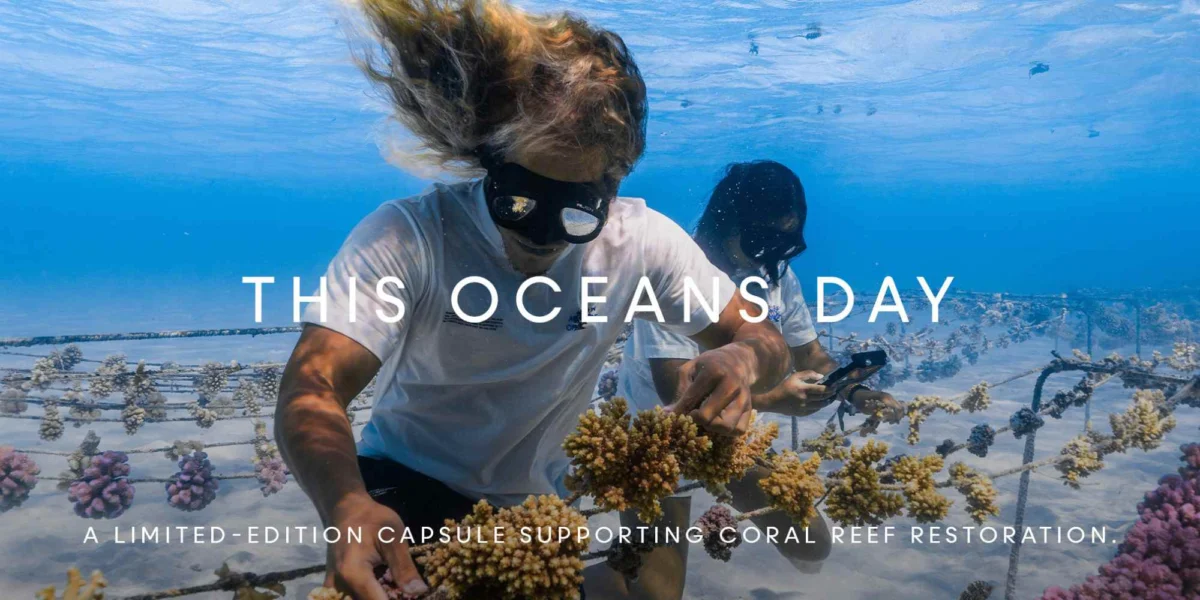
Top-rated "Great" brand PANGAIA continued its commitment to environmental conservation with a second collaboration with Coral Gardeners. This organization is dedicated to restoring vital coral ecosystems and reefs worldwide, which are crucial for marine biodiversity and planetary health. The capsule collection, featuring a hoodie and a T-shirt, directly links consumer purchases to environmental action: for every sale from the collection, PANGAIA pledges a donation to Coral Gardeners. This partnership not only raises awareness about the critical plight of coral reefs but also provides a tangible way for consumers to contribute to conservation efforts through their purchasing power. PANGAIA, known for its innovative material science and sustainable practices, consistently uses its platform to support environmental causes, showcasing a model where fashion can be a force for positive ecological impact.
Conclusion
June 2026 served as a microcosm of the fashion industry’s ongoing journey towards sustainability and ethical responsibility. The month presented a complex tapestry of challenges—from the glaring opulence of a luxury show amidst a climate crisis and the persistent environmental toll of fast fashion, to systemic failures in supply chain transparency and lagging climate commitments. Regulatory bodies, notably the UK’s ASA and the European Commission, intensified their efforts to combat greenwashing and enforce accuracy in product claims, signaling a new era of accountability for brands. Simultaneously, a landmark victory for garment workers in Indonesia underscored the enduring importance of labor rights and collective action in securing fair treatment within global supply chains.
Yet, amidst these pressing issues, the month also illuminated significant progress and innovation. Advancements in textile-to-textile recycling, the emergence of less toxic performance wear, the expansion of refillable beauty solutions, and strategic investments in renewable energy by brands like Lululemon offered tangible pathways to a more sustainable future. Collaborative initiatives, such as those by Lefrik, Swedish Stockings, and PANGAIA, demonstrated how creativity, circularity, and environmental stewardship can be seamlessly integrated into brand offerings.
The narrative of June 2026 is one of increasing tension between conventional industry practices and the urgent need for systemic change. It highlights the growing pressure from consumers, regulators, and NGOs for greater transparency, verifiable impact, and genuine commitment to environmental and social responsibility. As the fashion world navigates these evolving landscapes, the events of this month underscore that the industry’s future will be defined by its ability to embrace radical transformation, moving beyond rhetoric to implement meaningful, measurable, and equitable solutions across its entire value chain. The journey is far from over, but the direction is becoming increasingly clear: a more conscious, accountable, and sustainable fashion ecosystem is not merely an aspiration, but an imperative.
Editor’s note
Good On You publishes the world’s most comprehensive ratings of fashion and beauty brands’ impact on people, the planet, and animals. Use our directory to search thousands of rated brands.