






The convergence of luxury fashion and the tech elite has become a defining narrative of the contemporary cultural landscape, raising profound questions about industry values, commercial imperatives, and societal implications. Recent high-profile appearances of tech billionaires at exclusive fashion events have sparked considerable debate, prompting industry analysts and observers to scrutinize the underlying motivations and potential ramifications of such alliances. This phenomenon is not merely a superficial mingling of different echelons of wealth; it represents a deeper intertwining of powerful industries, each with its own complex relationship with sustainability, ethics, and global influence.
The Infiltration of Tech Titans into High Fashion
Over the past few months, the presence of figures from the tech industry’s upper echelons in traditionally exclusive high fashion spaces has transitioned from occasional novelty to a discernible trend. While the fashion industry itself has long been intertwined with immense wealth, the integration of tech billionaires introduces a new dynamic, often drawing criticism for elevating individuals whose business models and personal philosophies have been linked to significant global harm, ranging from environmental degradation to labor exploitation and societal polarization. This emerging partnership is increasingly perceived as a concerning juxtaposition of poor values, where cultural cachet and financial power supersede ethical considerations.
A Chronology of Recent High-Profile Crossovers
The trend has been punctuated by several notable incidents, each serving as a microcosm of this broader industry shift.
Mark Zuckerberg’s Front-Row Presence at Prada (February 2026)
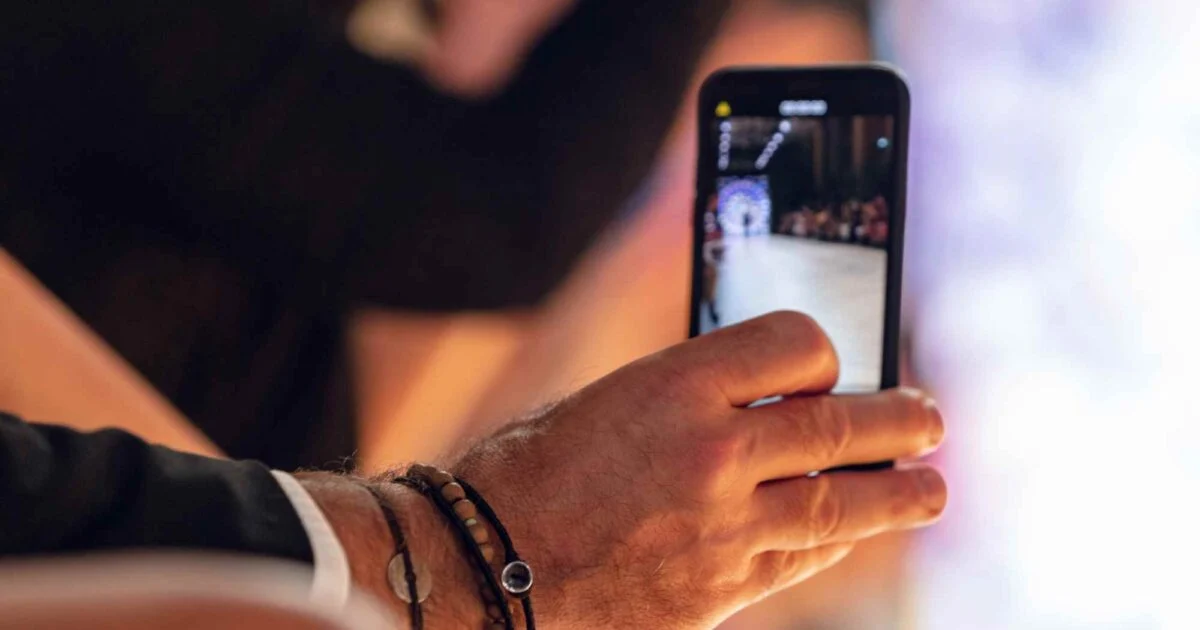
One of the most widely discussed instances occurred during Milan Fashion Week in February 2026, when Meta CEO Mark Zuckerberg and his wife, Priscilla Chan, made a significant appearance at the Prada show. Their arrival, alongside fashion luminaries Anna Wintour and Eva Chen, head of Instagram’s fashion partnerships, immediately captured global attention. Zuckerberg’s prominent seating next to Lorenzo Bertelli, Miuccia Prada’s son and a key figure in the Prada Group’s strategic marketing, fueled speculation regarding a potential collaboration involving Meta AI Glasses. This strategic placement underscored a fundamental shift in how luxury fashion houses perceive and leverage their shows. As observed by The New York Times, such events are no longer solely about showcasing sartorial artistry but have evolved into multifaceted business platforms, integral to broader corporate strategies and technological integration. The implicit message was clear: fashion, even at its most prestigious, is increasingly open to being a testing ground or a promotional stage for tech innovation, blurring the lines between haute couture and Silicon Valley’s latest ventures.
The Bezoses’ Elevated Role at the Met Gala (February 2026 Announcement)
Further illustrating this trend, Amazon founder Jeff Bezos and his partner Lauren Sánchez transitioned from lead sponsors to honorary board members for the Met Gala, announced in February 2026. This elevation placed them at the very pinnacle of the event, whose theme was aptly revealed as “fashion is art.” Joining a distinguished roster of co-chairs including Beyoncé, Nicole Kidman, Venus Williams, and Anna Wintour, the Bezoses’ enhanced role signifies a deep entrenchment of tech wealth within one of fashion’s most iconic philanthropic and cultural gatherings. Vanessa Friedman of The New York Times remarked on the significance of this development, noting that the image of the Bezoses at the event would likely be interpreted by many as "proof positive… of a new gilded age." This move followed Sánchez’s high-profile appearances at Paris haute couture shows, including Dior and Schiaparelli, where she was notably seen with celebrity image architect Law Roach, signaling a deliberate and visible immersion into the fashion world. The Met Gala, historically a bastion of artistic expression and celebrity, now explicitly embraces the patronage and influence of tech billionaires, further cementing their status as cultural arbiters.
Curious Figures on the Gucci Runway (February 2026)
The Gucci runway show during Milan Fashion Week in February 2026, under the creative direction of Demna, provided another intriguing example. While the collection itself garnered mixed reviews, the presence of certain figures on the runway raised eyebrows and highlighted the industry’s complex relationship with wealth and notoriety. Among the models were Vivian Wilson, the estranged daughter of Elon Musk—who has publicly described her father as a "pathetic man-child"—and supermodel Karlie Kloss, whose marriage to billionaire entrepreneur Josh Kushner connects her to a politically prominent family, including Ivanka Trump. The inclusion of these individuals, whether intended as a satirical commentary on wealth or a strategic invitation into the brand’s orbit, undeniably underscored the pervasive influence of problematic billionaire figures within the fashion narrative. It suggested a deliberate, if provocative, engagement with the broader cultural discourse surrounding wealth, power, and public perception, signaling a potential invitation for deeper entanglement.
Historical Context: Fashion’s Enduring Alliance with Wealth
The relationship between luxury fashion and the ultra-wealthy is not new. From the patronage of European royalty and aristocracy in centuries past to the industrial magnates of the Gilded Age, fashion has always thrived on exclusivity and the financial backing of society’s most affluent. Historically, grand couturiers relied on private clients and wealthy patrons to sustain their ateliers and disseminate trends. In the 20th century, the rise of department stores and mass production democratized fashion to some extent, but luxury brands maintained their allure through association with film stars, socialites, and powerful business figures.
However, the current wave of tech billionaire integration marks a distinct evolution. Unlike traditional industrialists or old money, many tech titans have built their empires through disruptive technologies, often challenging established norms and accumulating wealth at unprecedented speeds. Their ventures frequently involve complex ethical dilemmas concerning data privacy, labor conditions in global supply chains, environmental footprint, and the broader societal impact of artificial intelligence and social media. This background creates a unique tension when these figures are embraced by an industry already grappling with its own significant ethical and sustainability challenges.
The Business Imperative: Why Fashion Courts Tech
The growing links between luxury fashion and tech/political figures are multifaceted, driven by both commercial objectives and a desire for cultural relevance.
Market Expansion and New Consumer Bases:
For luxury brands, aligning with tech billionaires offers a direct conduit to new demographics and markets. Meta AI Glasses, for instance, could gain significant traction if positioned as a high-fashion accessory, tapping into a demographic that values both luxury and cutting-edge technology. Similarly, Amazon, despite its mass-market appeal, is increasingly moving into luxury retail, and the association of its founder with high fashion events like the Met Gala lends an aura of exclusivity and taste that can attract affluent shoppers to its expanding luxury offerings. The global luxury goods market, valued at over €350 billion in 2023 and projected to grow further, is constantly seeking new avenues for expansion, and the tech sector, with its immense capital and global reach, presents a lucrative frontier.
Brand Association and Cultural Clout:
Beyond direct sales, these partnerships are about crafting powerful brand associations. By having figures like Zuckerberg and Bezos "infiltrate" fashion, brands aim to imbue themselves with perceived luxury, taste, and "coolness." In an era dominated by digital influence and viral moments, the visual spectacle of a tech mogul alongside a fashion icon generates immense media attention and social media engagement. This translates into cultural clout, positioning luxury brands at the intersection of innovation, wealth, and aspiration. This is particularly crucial for brands seeking to remain relevant to younger, digitally native generations who are influenced by both celebrity culture and technological advancements.
Merging of Ideologies and Power Structures:
More fundamentally, this coupling can be seen as a merging of ideologies. Luxury brands, despite their veneer of glamour, have historically faced criticism for exploitative labor practices, environmental impact, and animal welfare concerns. Similarly, many tech giants operate with business models that have drawn scrutiny for their impact on workers, the planet, and democratic processes. The confluence suggests a troubling normalization of these "poor values," where industries with parallel ethical challenges find common ground in mutual economic and cultural benefit. The immense lobbying power and political influence wielded by both sectors further amplify these concerns, potentially shaping regulations and public discourse in ways that prioritize profit over people and planet.
Sustainability and Ethical Concerns: A Troubling Disconnect
The integration of tech billionaires into luxury fashion presents a stark contradiction to the industry’s nascent efforts towards sustainability and ethical responsibility. The fashion industry is one of the world’s largest polluters, responsible for significant greenhouse gas emissions, water consumption, and textile waste. Reports from organizations like the UN Environment Programme consistently highlight the environmental footprint of fashion, from raw material extraction to manufacturing and disposal. Many luxury brands have begun to respond to consumer pressure for greater transparency and more sustainable practices, investing in initiatives like circular design, ethical sourcing, and reduced chemical usage.
However, the embrace of tech figures whose empires are built on often extractive and resource-intensive models, and whose personal wealth is largely insulated from the externalized costs of their businesses, complicates this narrative. For example, the massive energy consumption of data centers supporting tech platforms contributes significantly to global emissions. The rapid obsolescence built into many tech products mirrors the fast fashion model, generating vast amounts of electronic waste. The very algorithms that drive social media platforms, often central to fashion marketing, have been criticized for their impact on mental health and the spread of misinformation.
This partnership raises questions about the sincerity of luxury fashion’s sustainability commitments. If the industry prioritizes the cultural and financial capital brought by tech billionaires over a critical assessment of their broader societal and environmental impact, it risks undermining its own stated ethical goals. The platforming of individuals associated with significant ethical challenges sends a mixed message, suggesting that economic opportunity can often trump genuine commitment to responsible practices.
Cultural and Societal Implications: The New Gilded Age
The visual spectacle of tech billionaires taking center stage in fashion’s most exclusive venues has significant cultural and societal implications. It reinforces the notion of a "new gilded age," where extreme wealth and influence are increasingly concentrated in the hands of a few, often transcending traditional boundaries of industry and culture.
This phenomenon can contribute to a sense of disconnect between the elite and the broader public. While luxury fashion seeks to inspire aspiration, its overt embrace of figures who represent vast economic disparities and whose companies have faced public criticism can alienate consumers who are increasingly conscious of social justice and environmental issues. It also normalizes a particular type of power and influence, where economic success, regardless of its ethical underpinnings, grants access to and shapes cultural institutions.
The "fashion is art" theme of the Met Gala, juxtaposed with the Bezoses’ honorary co-chairmanship, highlights this tension. Can fashion truly be considered "art" when its most prestigious events are shaped by the very forces that contribute to the exploitation and environmental damage it often claims to transcend? This question resonates deeply in a society grappling with wealth inequality, corporate accountability, and the role of cultural institutions in reflecting or challenging prevailing power structures.
Industry Reactions and Expert Perspectives
The industry’s response to this trend has been mixed, ranging from cautious acceptance to outright criticism.
Fashion analyst Mandy Lee articulated a common sentiment among critics: “We all know billionaires keep the lights on in the fashion industry, but that doesn’t mean they should be welcomed with open arms just so the brands we love can continue making clothes we like. There is a very fine line between accepting that is our reality and being ignorant to the real dangers it poses.” This perspective acknowledges the economic realities that bind fashion to wealthy patrons while simultaneously cautioning against the moral compromises inherent in embracing figures with questionable ethical track records.
Anastasia Vartanian, writing for Glamour, offered a more pragmatic view, stating, “Whether this is another attempt at farming engagement through sparking outrage or a sign of corrupt morals is up to your interpretation. What we can say for certain, though, is that the tech revolution in fashion is here.” This highlights the dual nature of the phenomenon: it is both a calculated strategic move for engagement and an undeniable sign of a fundamental shift in the industry’s landscape.
While representatives for luxury houses like Prada and Gucci typically refrain from commenting on specific guest lists or strategic partnerships, their actions speak volumes. The careful curation of front-row seating and runway participants reflects deliberate decisions aimed at shaping brand perception and future collaborations. For institutions like the Met Gala, the involvement of major philanthropists and sponsors is crucial for funding exhibitions and maintaining cultural relevance. Official statements often emphasize the philanthropic contributions and the broad appeal such figures bring, rather than delving into ethical debates.
Looking Ahead: The Future of Luxury at the Tech Frontier
The increasing coupling of luxury fashion and the ultra-wealthy tech sector is a trend unlikely to abate. As technology continues to permeate every aspect of daily life, its influence on cultural industries like fashion will only deepen. We can anticipate more collaborations between tech giants and fashion brands, from smart wearables integrated into couture to virtual fashion experiences in the metaverse.
However, the ethical questions raised by these alliances will persist and likely intensify. Consumers, particularly younger generations, are increasingly discerning and demand greater accountability from both fashion and tech companies. The pressure for genuine sustainability, ethical labor practices, and transparent governance will continue to mount.
The challenge for luxury fashion will be to navigate this complex terrain: how to leverage the immense financial and innovative power of the tech industry without compromising its evolving commitment to ethical responsibility and authentic artistic expression. The true test will be whether the industry can integrate these powerful new patrons while simultaneously pushing for a more sustainable, equitable, and values-driven future, rather than simply replicating the "poor values" it purports to transcend. The platforming of tech billionaires may keep the lights on, but it also casts a long shadow over the industry’s future, prompting an ongoing debate about what luxury truly signifies in the 21st century.