







Geo Aghinea’s recent film, Waves Penetrate Me Fiercely, offers a kaleidoscopic glimpse into the clandestine yet vibrant queer nightlife of Bucharest, Romania, presenting a narrative that is both deeply personal and broadly resonant with the experiences of marginalized communities in post-Communist Eastern Europe. The 24-year-old trans creator, a musician and sound designer, has crafted a work that functions as a fever dream, immersing viewers in a surreal yet authentic portrayal of freedom found within the city’s forgotten spaces. The film, released in 2026, has garnered significant attention for its raw aesthetic and its powerful commentary on identity, community, and resilience against a backdrop of societal challenges.
The Cinematic Experience: A Fever Dream of Bucharest Nightlife
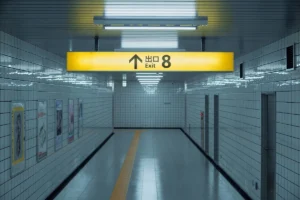
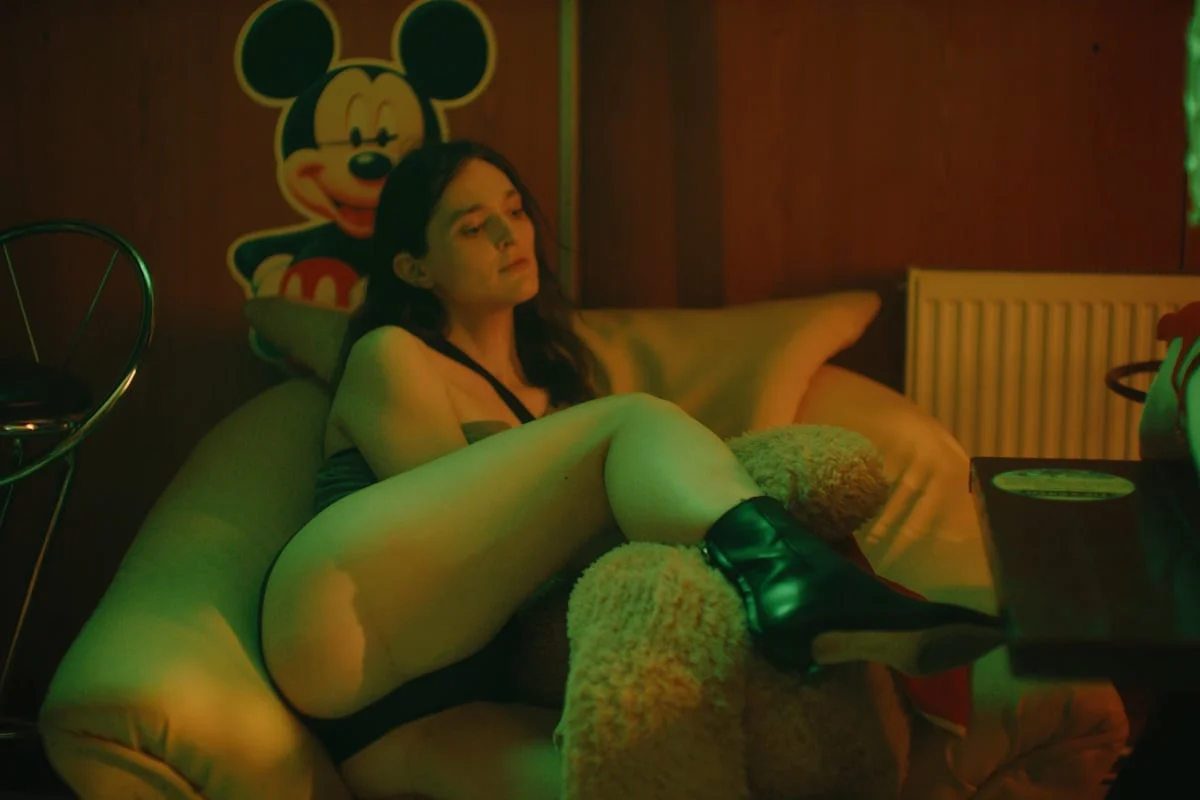
The film opens with a seemingly mundane scene: a group of friends engaged in pre-drinking rituals within a stark, brutalist Soviet-era apartment complex. This initial normalcy quickly dissolves into a whirlwind of neon-lit imagery, signaling the viewer’s entry into a liminal world where reality bends to accommodate the desires of its inhabitants. Sequences unfold with a dreamlike logic, transitioning from a finger tracing the lines of a golden-hour skyline to an impromptu karaoke session erupting in a clandestine speakeasy. Corridors, seemingly endless and foreboding, suddenly open out to reveal an electrifying DJ-set pulsating within the cavernous expanse of an abandoned office building. This visual tapestry, characterized by its rapid cuts and evocative lighting, is not merely stylistic flourish but a deliberate artistic choice by Aghinea to represent the actual experience of partying in Bucharest for its queer residents. It is a vision that, while surreal, is rooted in the lived realities of a community forging its own spaces for expression and connection.
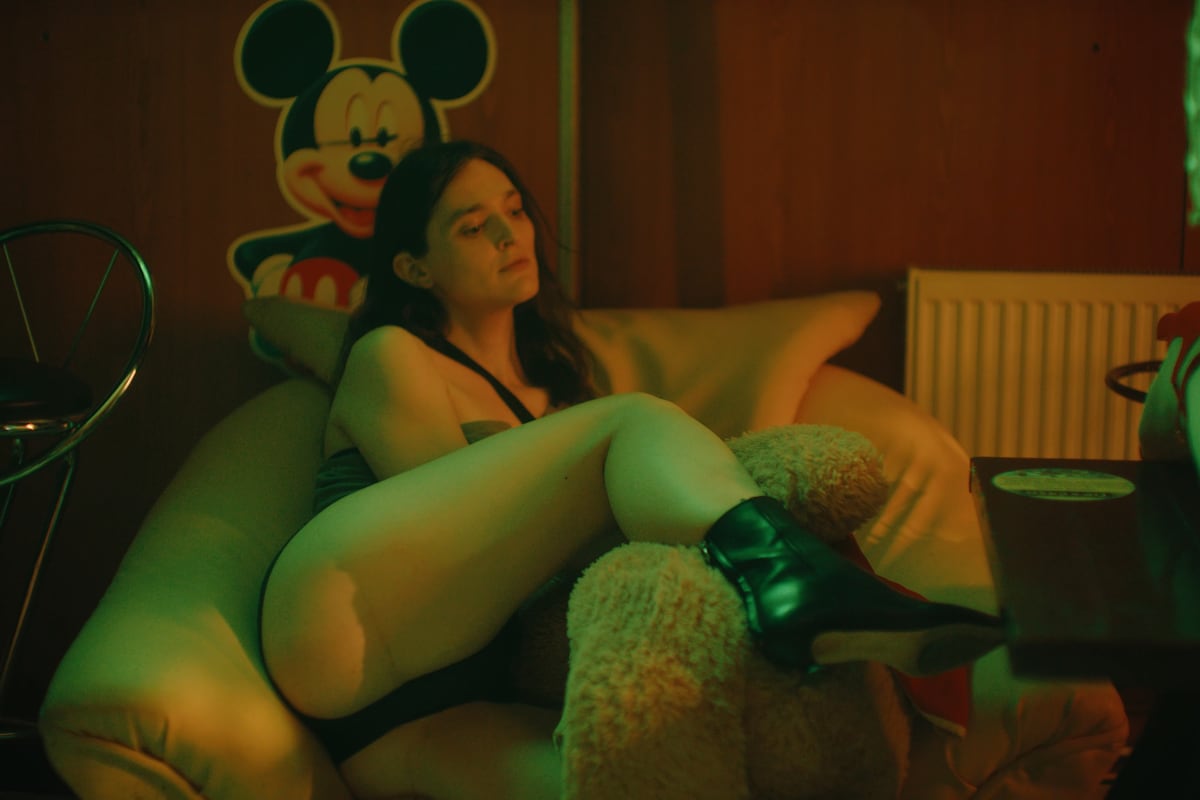
Aghinea’s direction, in collaboration with Director Irina Alexiu and DoP Tudor Cioroiu, creates a sensory overload that mirrors the intensity of these underground gatherings. The cinematography often utilizes handheld shots, giving the viewer a sense of being an active participant rather than a detached observer. The lighting, heavily reliant on neon and pulsating strobes, transforms otherwise derelict urban environments into vibrant, temporary havens. This aesthetic choice is critical in conveying the sense of "mystery and danger" that Aghinea speaks of, an allure that they admit to missing since relocating to London. The film’s cast, including Paula Dunker, Renate Dinu, Antonella Lerca Duda, Aron Madon, Vergine Santa Frida, Ana-Maria Băescu, and Aghinea themselves, embody a diverse and authentic representation of Bucharest’s queer community, their interactions feeling unscripted and genuinely celebratory.
Bucharest’s Queer Underground: A Response to Societal Pressures
The film’s vibrant portrayal of queer nightlife in Bucharest takes on deeper significance when viewed through the lens of Romania’s socio-political landscape. As a post-Communist nation, Romania grapples with a legacy of enforced homogeneity that has historically stifled individual expression and diversity. Aghinea, who moved from the smaller town of Târgu Ocna to Bucharest at 16, articulates this succinctly: "Romania is a post-Communist country so, as a generation, we’ve had no culture that celebrates freedom of expression. It’s all very homogenous. Everyone was taught to dress and act the same way in the Soviet Union." This historical context is crucial; for decades under communist rule, individual identity was subsumed by the collective, and deviations from prescribed norms were often met with severe repression. While Romania decriminalized homosexuality in 2001, a significant step towards European integration, the societal attitudes and cultural norms inherited from the communist era continue to present formidable challenges for the LGBTQ+ community. Legal protections for same-sex partnerships remain absent, and public discourse often reflects conservative viewpoints, fueled by political and religious influences.
In this environment, the scarcity of designated safe spaces for queer individuals is stark. Aghinea notes, "To this day, there’s only one gay bar in the whole city." This limited infrastructure forces the community to innovate, seeking out and transforming unconventional locations into temporary sanctuaries. A key aspect of this improvisation involves "red-coded buildings"—derelict Soviet-era apartment complexes marked for demolition. These structures, often structurally unsound and officially uninhabitable, have become fertile ground for a thriving underground scene. They host a myriad of clandestine bars, clubs, and art collectives, providing the anonymity and freedom that is often denied in more public venues. These spaces, while carrying inherent risks due to their dilapidated state, offer a crucial sense of liberation. They represent a defiant reclaiming of urban decay, turning symbols of past austerity into canvases for contemporary self-expression.
The daily realities for queer individuals in Bucharest are often fraught with harassment and discrimination. Aghinea recounts a recent incident where a non-binary friend had rocks thrown at them on the street, illustrating the pervasive nature of hostility in public spaces. This fear of open prejudice means that much of the queer community’s social life is relegated to the night and operates through word-of-mouth networks. Yet, as Aghinea observes with a poignant reflection, "The community is very strong. I don’t want to say this, but, you know, people under pressure form very strong bonds." This statement encapsulates the paradoxical strength derived from adversity, a testament to the resilience and solidarity fostered within a community that must constantly navigate societal pressures. The bonds formed in these hidden enclaves are not merely social connections but lifelines, providing mutual support and affirmation in a challenging world.
Art as Utopian Escape: The Film’s Narrative Arc
Significantly, Waves Penetrate Me Fiercely makes a conscious artistic choice to largely absent these daily pressures from its primary narrative. Instead, the film creates a nearly utopian vision of freedom, depicting a community unburdened as they frolic from one industrial space to another. This deliberate omission serves to amplify the sense of liberation experienced within these temporary sanctuaries. The film immerses the viewer in the joy, camaraderie, and unrestrained self-expression that define these hidden parties, showcasing a collective effervescence that Aghinea describes as embodying a "mystery and danger" they have not found elsewhere. This artistic framing allows the audience to fully appreciate the profound sense of release and belonging that these spaces offer, highlighting their vital role as sites of queer affirmation and cultural production.
However, this utopian bubble is not indefinite. The film’s closing moments orchestrate a stark return to reality, as the group of partygoers gathers for breakfast in a traditional Romanian restaurant, and the harsh glare of daylight creeps back in. This transition is abrupt and intentional, designed to underscore the fragile nature of the freedom experienced during the night. Aghinea explains, "That shot was to show the contrast between their freedom and how the world actually is back there." The subtle tension in this scene is palpable: the restaurant owner’s "strange" gaze, the unspoken need to conceal the details of their shoot—all these elements reinforce the precariousness of queer visibility in broader society. The return to daylight strips away the anonymity and protective darkness of the underground, exposing the characters to the scrutinizing eyes of a less accepting world. It is a powerful cinematic device that brings the viewer full circle, reminding them of the external realities that necessitate the creation of such clandestine utopias.
A Personal Journey: Aghinea’s Self-Discovery in Bucharest
Beyond its broader societal commentary, Waves Penetrate Me Fiercely is profoundly personal for Geo Aghinea. The film is a reflection of their own journey of self-discovery, particularly during a formative period eight years prior when they first moved to Bucharest and began to explore their identity and sexuality. "It was a very exploratory period for me," Aghinea recalls. "I’m from a small village, so it was the time that I really got to know myself which is very special to me." This move from the small Romanian hometown of Târgu Ocna to the capital at the age of 16 marked a pivotal shift, opening up new possibilities for connection and understanding.
Aghinea’s personal narrative is intricately woven into the fabric of the film, as many of the queer partygoers depicted are individuals they encountered during this crucial phase of their life. The process of finding community began in one of Bucharest’s few queer-friendly bars, leading to a series of serendipitous discoveries. "One night, I ended up at a disused bunker on the edge of the city. It was like that a lot—you would end up in really unexpected locations," they recount. These experiences of navigating the city’s hidden nooks and crannies, stumbling upon vibrant gatherings in forgotten spaces, were instrumental in shaping Aghinea’s understanding of self and belonging. The film, therefore, is not merely an observation but an embodiment of a personal odyssey, celebrating the places and people that facilitated their coming-of-age.
The Auditory Dimension: "Waves Penetrate Me Fiercely" and Hearing Loss
The title, Waves Penetrate Me Fiercely, carries an additional, deeply poignant layer of meaning, directly linked to Aghinea’s personal experience with hearing loss. Diagnosed at the tender age of four, Aghinea’s relationship with sound and music has been uniquely shaped by this challenge. They recall doctors discouraging their parents from allowing them to pursue music, warning that it "wasn’t safe" and that they were "going to lose their hearing." Despite these early warnings, Aghinea persisted, becoming a musician and sound designer.
Currently relying on hearing aids, Aghinea faces the potential future need for cochlear implants. These devices, which send electrical impulses directly into the brain, would fundamentally alter their perception of sound and music. This impending possibility imbues Aghinea’s artistic endeavors with a profound sense of urgency. "I think that’s why I’m trying so hard with music, because I could lose my hearing at any time," they confess. The title thus becomes a visceral descriptor of their physical interaction with sound waves—the very essence of music—and the fierce dedication to experiencing and creating it while they still can. It speaks to the raw, intense sensation of sound, a sensation that is both a source of joy and a constant reminder of a potential future loss.
Aghinea vividly remembers the mornings after nights out in Bucharest’s abandoned backrooms, often waking with tinnitus and anxiety. Yet, despite the physical toll, they look back on this period with profound fondness. It was during these nights that Aghinea not only discovered a community they could call their own but also first encountered electronic music, a genre that resonates deeply with their sensory experience. The pulsating beats and intricate soundscapes of electronic music, perhaps, offer a unique pathway for someone navigating hearing loss, allowing for a different kind of immersion and connection. This confluence of personal vulnerability, artistic passion, and community building forms the emotional core of Aghinea’s work, making the film a testament to the power of human connection and creative expression in the face of adversity. "I was just so dedicated to finding myself," Aghinea concludes, reflecting on the bittersweet intensity of that period. Indeed, as they had noted earlier, pressure forms strong bonds, and in Aghinea’s case, it also forged a potent artistic voice.
Broader Implications and Cultural Impact
Waves Penetrate Me Fiercely transcends its specific setting to offer broader insights into the global queer experience and the role of art in social commentary. Aghinea’s film is a significant contribution to queer art and activism, providing visibility to a community that often remains hidden in Eastern Europe. By documenting these vibrant, underground gatherings, the film challenges prevailing narratives of homogeneity and conservatism, asserting the existence and resilience of diverse identities within Romanian society. Such artistic endeavors are crucial for fostering understanding, challenging prejudice, and inspiring future generations to embrace their authentic selves.
The film also highlights the universal significance of underground spaces for marginalized communities. Across the globe, from Berlin’s techno clubs to New York’s ballroom scene, temporary, liminal venues have historically provided sanctuary and platforms for self-expression for those excluded from mainstream society. Bucharest’s "red-coded buildings" fit into this global tapestry, demonstrating how urban decay can be repurposed into sites of cultural innovation and social cohesion. These spaces, though transient, leave an indelible mark on the lives of those who inhabit them, shaping identities and fostering revolutionary forms of community.
As a piece of art, Aghinea’s film functions both as a mirror, reflecting the realities and aspirations of Bucharest’s queer community, and as a catalyst for dialogue. It invites viewers to confront the complexities of post-Communist societies, the ongoing struggles for LGBTQ+ rights, and the profound human need for belonging and freedom. The film’s unique blend of gritty realism and dreamlike euphoria creates a powerful emotional resonance, urging empathy and challenging preconceived notions.
The production of Waves Penetrate Me Fiercely involved a dedicated team including Director Irina Alexiu, DoP Tudor Cioroiu, with editing by Geo, Irina, and Tudor. First AC Cozma Cristian and Second AC Ștefan Pribeagu contributed to the visual execution, with rental equipment provided by Format Film. The diverse cast brought authenticity to Aghinea’s vision.
Geo Aghinea’s artistic journey continues beyond this film. They are slated to support Imogen Heap at Camden Roundhouse on April 17th, an event that further highlights their rising profile in the music and arts scene. This upcoming performance underscores Aghinea’s multifaceted talents as a musician and sound designer, continuing to explore the boundaries of auditory and visual expression.
In conclusion, Waves Penetrate Me Fiercely stands as a powerful testament to the resilience of the human spirit and the transformative power of community. Through Geo Aghinea’s unique artistic vision and deeply personal narrative, the film offers a vibrant, albeit fleeting, glimpse into the hidden world of Bucharest’s queer nightlife. It celebrates the bonds forged under pressure, the self-discovery found in unexpected places, and the fierce determination to experience and create sound against all odds. The film is not just a story about a city’s underground, but a universal declaration of identity, freedom, and the enduring strength of those who dare to live authentically.