





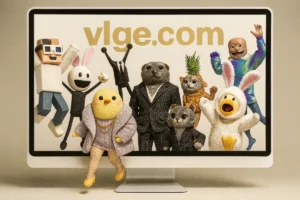

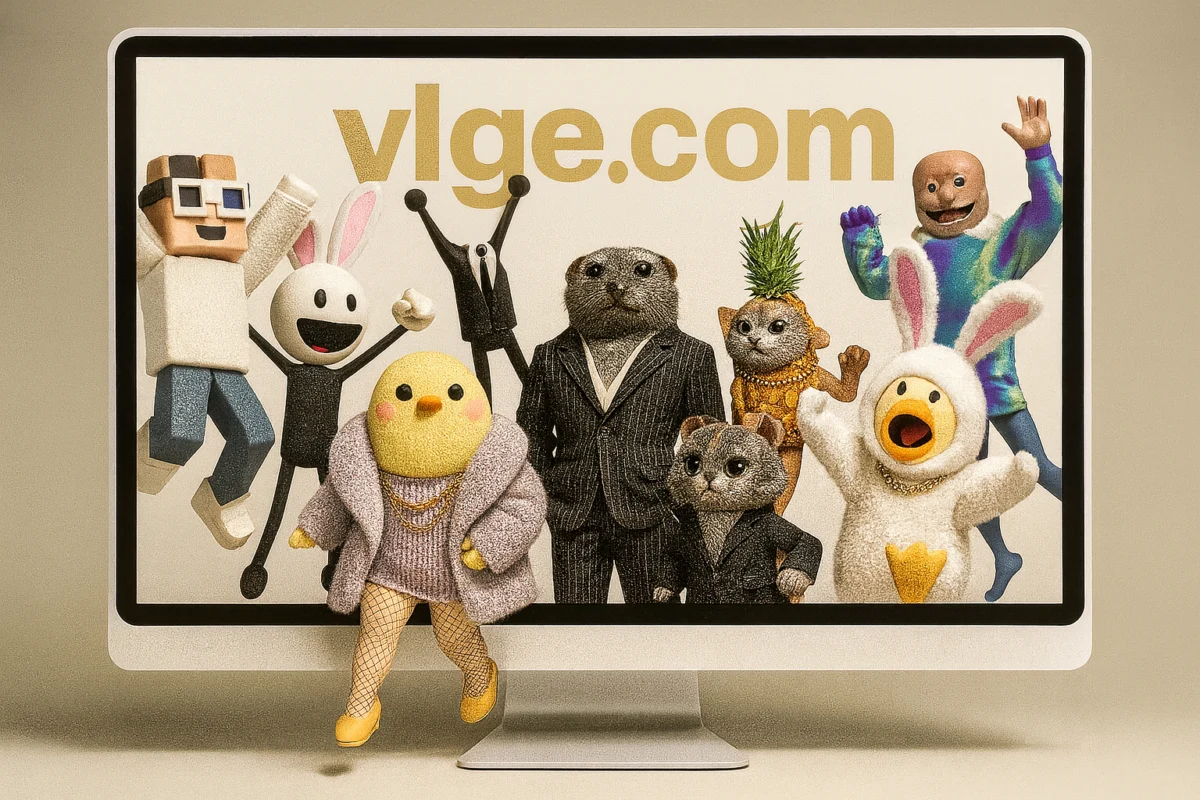
The landscape of global fashion is undergoing a fundamental shift as digital infrastructure begins to supersede traditional runway presentations, a transition underscored by the recent announcement from VLGE, a pioneering immersive-world-building platform. Founded by tech entrepreneur Evelyn Mora, VLGE has confirmed that 50 prominent fashion brands will launch independent, shoppable digital worlds as part of "World Fashion Week." This initiative, powered entirely by VLGE’s proprietary technology, marks a significant milestone in the convergence of e-commerce, gaming, and sustainable brand storytelling. By providing a no-code bridge to platforms like Roblox, VLGE is effectively democratizing access to the metaverse, allowing brands to engage with Gen Z consumers through interactive experiences rather than static advertisements or high-carbon-footprint physical events.
The Genesis of a Digital Fashion Revolution
To understand the rise of VLGE, one must look at the career trajectory of its founder, Evelyn Mora. Long before the term "metaverse" became a corporate buzzword, Mora was a disruptor in the traditional fashion circuit. As the founder of Helsinki Fashion Week, she gained international recognition for her uncompromising stance on sustainability. It was during this period that Mora identified a systemic failure within the industry: even the most eco-conscious designers were tethered to an archaic system of physical shows that required massive international travel, temporary construction, and significant waste.
By 2021, Mora pivoted from event curation to technological solutionism, launching VLGE (pronounced "Village"). The platform was conceived not merely as a gallery for digital clothes, but as a robust infrastructure tool. It was designed to solve the "technical debt" many brands faced when trying to enter immersive spaces. While major luxury houses had the capital to hire specialized game studios to build bespoke experiences, smaller and mid-sized labels were effectively locked out of the digital frontier. VLGE addressed this disparity by offering a platform where brands could build their own worlds, populate them with interactive content, and—crucially—export those environments to established gaming ecosystems like Roblox.
Bridging the Gap: Technical Interoperability and Ease of Use
The primary hurdle for fashion brands entering the gaming space has historically been the high barrier to entry regarding technical expertise and cost. Developing a presence on a platform like Roblox typically requires proficiency in Luau (Roblox’s coding language) or the capital to hire a specialized agency. Industry estimates suggest that a custom-built branded world on Roblox can cost anywhere from $10,000 to over $100,000, with development timelines stretching over several months.
VLGE’s value proposition lies in its ability to bypass these hurdles. The platform allows users to build immersive environments directly within a web browser in real time. This "what you see is what you get" (WYSIWYG) approach means that creative directors and marketing teams can oversee the construction of their digital storefronts without needing a background in software engineering. Mora noted that the platform makes world-building "instant, affordable, scalable, and interoperable."
Beyond Roblox, VLGE is expanding its compatibility to include Unreal Engine, the high-fidelity framework used in triple-A gaming and cinematic production. Furthermore, the company is actively developing integration for Meta’s Horizon Worlds. This cross-platform capability, known as interoperability, is the "holy grail" of the burgeoning metaverse, ensuring that a brand’s digital assets and environments are not confined to a single "walled garden" but can exist across the entire digital ecosystem.
Strategic Investment and Institutional Backing
The industry’s confidence in VLGE’s mission is reflected in its successful capital raises and its roster of high-profile partners. To date, the startup has secured $5 million in funding. The investor pool is a mix of traditional industrial wealth and modern corporate venture capital, including Lammot J. du Pont of the du Pont family, the L’Oréal Group, and the British Fashion Council (BFC).
The involvement of the British Fashion Council is particularly telling. As the governing body for one of the world’s "Big Four" fashion weeks, the BFC’s support suggests a recognition that the future of the industry is hybrid. Similarly, L’Oréal’s investment highlights the massive potential for the beauty sector within gamified commerce. Brands like Lancôme and Charlotte Tilbury have already utilized VLGE to create immersive activations, proving that the demand for "v-commerce" (virtual commerce) extends beyond apparel into the multi-billion-dollar cosmetics industry.

World Fashion Week: A New Paradigm for Global Trade
The upcoming World Fashion Week serves as the ultimate stress test and showcase for VLGE’s capabilities. By hosting 50 brands simultaneously, the event aims to demonstrate that digital fashion is no longer a niche experimental phase but a viable commercial strategy. Unlike traditional fashion weeks, which are often exclusive to industry insiders and press, World Fashion Week is designed to be accessible to a global audience of millions.
The initiative functions as a bridge for creators to launch shoppable games. In these environments, users can participate in "gamified commerce," where the act of shopping is integrated into play. A user might complete a quest or explore a hidden area of a brand’s world to unlock the ability to purchase a digital skin for their avatar or a physical item for their real-world wardrobe. This blur between the physical and digital—often referred to as "phygital" retail—is central to VLGE’s long-term strategy.
Economic and Environmental Implications
The move toward digital-first brand experiences addresses two of the fashion industry’s most pressing challenges: the need for new revenue streams and the demand for environmental accountability.
From an economic perspective, the "Direct-to-Avatar" (D2A) market is a burgeoning frontier. According to reports from firms like McKinsey and Morgan Stanley, the market for virtual goods could reach $50 billion by 2030. For brands, digital assets offer a high-margin product with zero inventory costs and no physical shipping constraints. By using VLGE to enter this market, brands can tap into the spending power of Gen Z and Gen Alpha, demographics that increasingly view their digital identities as being just as important as their physical ones.
Environmentally, the shift is even more profound. A single physical fashion show can produce hundreds of tons of CO2 equivalent, factoring in the travel of thousands of guests and the production of physical samples that are often discarded. By shifting the "spectacle" of fashion to 3D gamified worlds, brands can maintain their cultural relevance while drastically reducing their physical footprint. Evelyn Mora’s vision of a sustainable fashion industry is thus being realized not through better fabrics alone, but through a fundamental change in how fashion is consumed and experienced.
The Future of E-tail: Converging Assets
Looking ahead, VLGE is not content with being just a world-building tool. The company has announced plans to launch a comprehensive e-tail store. This marketplace will serve as a dual-purpose hub where consumers can purchase physical items from emerging designers alongside 3D assets that can be exported directly into Roblox and other platforms.
This model represents a significant evolution of the traditional e-commerce storefront. Instead of scrolling through 2D images on a white background, consumers will navigate 3D spaces that reflect the brand’s DNA. This immersive approach has been shown to increase user engagement time and brand recall, two metrics that are increasingly difficult to capture in the age of social media saturation.
Conclusion: Infrastructure for the Next Generation
As Roblox continues to solidify its position as a "youth frontier" with over 70 million daily active users, the necessity for brands to have a presence there is undeniable. However, the complexity of the platform has previously acted as a gatekeeper. VLGE’s intervention is shifting the power dynamics of the industry, allowing creators and brands of all sizes to claim their stake in the digital economy.
The announcement of World Fashion Week and the ongoing expansion of VLGE’s compatibility features suggest that the industry is moving past the "hype cycle" of the metaverse and into a phase of practical, infrastructure-led growth. In the words of Evelyn Mora, this moment is about the "infrastructure that will power the next generation of commerce." By lowering the cost and technical barriers to entry, VLGE is ensuring that the future of fashion is not just digital, but inclusive and accessible to the global creative community. The success of the 50-brand launch during World Fashion Week will likely serve as a blueprint for how the luxury and retail sectors operate in the decades to come.