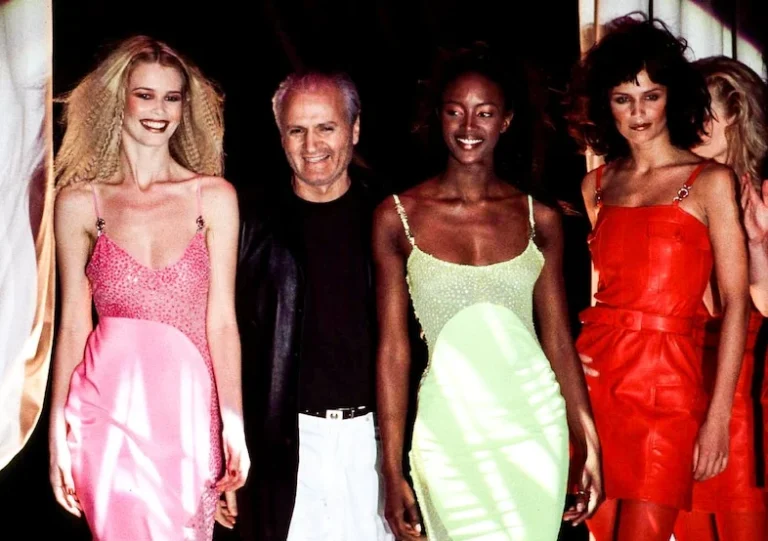





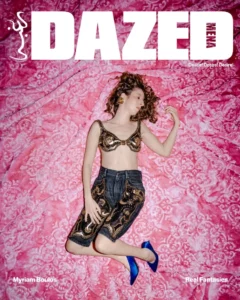

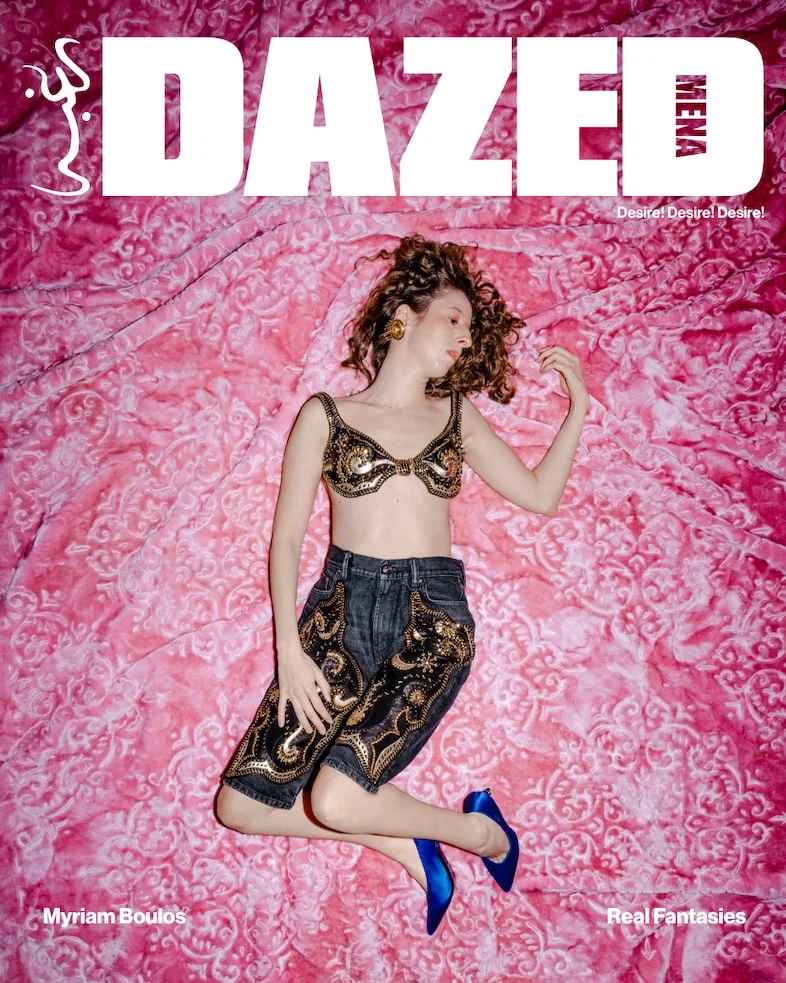
A significant collaboration between global luxury fashion house Versace and prominent regional media platform Dazed MENA has resulted in a special project for the Spring/Summer 2026 collection, uniquely set against the vibrant backdrop of Beirut, Lebanon. This initiative, which includes a compelling self-shot cover by acclaimed photographer Myriam Boulos and a broader visual narrative of Beirut’s diverse creative community, is profoundly rooted in a city whose spirit and resilience resonate deeply with the brand’s intrinsic DNA. However, the launch of this artistic endeavor on April 3 has been inextricably linked to the escalating humanitarian crisis unfolding in Lebanon, prompting Dazed MENA to commit all proceeds from the cover story’s sale to two vital non-governmental organizations operating on the ground: Beit Aam and Man Wa Salwa. This decision underscores a critical convergence of fashion, art, and urgent humanitarian advocacy in the face of widespread suffering.
The proceeds from this special Dazed MENA edition are being directed towards supporting Lebanese citizens grappling with the severe consequences of recent military actions. Since March 2, Lebanon has been under attack by Israeli forces, with initial strikes targeting southern Lebanon before extending further into the country, eventually reaching the capital, Beirut. The impact on the civilian population has been catastrophic and continues to worsen. As of March 25, data compiled by Lebanon’s Health Ministry and UNICEF indicated a grim toll of at least 1,094 fatalities, including 121 children. These figures are not static, with casualties tragically climbing day by day as the conflict persists. The relentless aggression has also triggered a massive internal displacement crisis, forcing over one million people from their homes. This makes it one of the largest displacements globally, showing no signs of abating. Approximately 14 percent of Lebanon’s territory is now subject to Israeli displacement orders, exacerbating an already dire humanitarian situation.
A Lens on Resilience: Versace, Dazed MENA, and Beirut’s Creative Spirit
The decision to feature Beirut as the setting for Versace’s Spring/Summer 2026 collection, spearheaded by the Dazed MENA collaboration, was initially conceived as a celebration of the city’s enduring cultural dynamism and its unique "DNA." Beirut, a metropolis steeped in history and known for its vibrant arts scene, architectural marvels, and indomitable spirit, has long served as a beacon of creativity in the Middle East. The collaboration sought to capture this essence, particularly through the lens of Myriam Boulos, a Lebanese photographer renowned for her raw, intimate, and often provocative portrayal of her homeland and its people. Her self-shot cover is not merely an artistic statement but a personal testament to the resilience and defiance that define Beirut’s creative community.
Boulos’s work for the project extends beyond her self-portrait, encompassing a wider tableau that showcases the city’s diverse artists, designers, and cultural figures. This approach aligns with Versace’s global strategy of connecting with local narratives and artistic expressions, infusing its collections with authentic cultural resonance. For Versace, a brand synonymous with bold aesthetics, strength, and unapologetic self-expression, Beirut offered a compelling backdrop that mirrors these values. The choice of location, made prior to the current escalation, now carries an even deeper, more poignant significance, transforming a fashion statement into a powerful act of solidarity and remembrance. It highlights the stark contrast between the city’s inherent beauty and creative energy, and the brutal realities of conflict that threaten to overshadow it.
Lebanon’s Unfolding Tragedy: A Deepening Humanitarian Crisis
The humanitarian crisis in Lebanon is not an isolated event but the latest exacerbation of a nation already reeling from a confluence of systemic challenges. Understanding the current plight requires a brief overview of the context that has rendered Lebanon particularly vulnerable to the ongoing conflict.
Roots of the Conflict: A Volatile Border
The current wave of hostilities, which commenced on March 2, is part of a long-standing and complex conflict along the Israeli-Lebanese border. This region has been a flashpoint for decades, characterized by intermittent clashes, cross-border shelling, and a significant military presence on both sides. The escalation in March saw Israeli forces launching strikes initially in southern Lebanon, a region historically affected by conflict, before expanding their operations further north, impacting areas closer to and within the capital, Beirut. The precise triggers and justifications for the expanded operations are subjects of intense geopolitical debate, but their impact on civilian lives and infrastructure is unequivocally devastating. The Lebanese government has consistently condemned these actions as violations of its sovereignty and international law, while Israeli authorities often cite security concerns related to militant groups operating from Lebanese territory.
Lebanon’s Pre-Existing Vulnerabilities
Before the current conflict, Lebanon was already in the throes of one of the worst economic collapses in modern history, dating back to 2019. The national currency had lost over 90% of its value, leading to widespread poverty, critical shortages of fuel, medicine, and electricity, and the erosion of public services. The catastrophic Beirut port explosion in August 2020, which killed over 200 people, injured thousands, and destroyed large swaths of the capital, further crippled the nation’s infrastructure and economy, leaving deep scars on its psyche. Political paralysis, corruption, and a protracted failure to implement meaningful reforms have compounded these issues, leaving the state ill-equipped to respond to any new crisis. Moreover, Lebanon hosts one of the largest per capita refugee populations in the world, primarily Syrian refugees, placing immense strain on its resources and social fabric. The current conflict thus lands on a population already at breaking point, with minimal safety nets or state support.
Dire Needs on the Ground
The human cost of the renewed hostilities is staggering. Beyond the tragic loss of life, the forced displacement of over one million people has created an urgent need for basic necessities. Displaced families often arrive in temporary shelters or host communities with little to no possessions, requiring immediate access to food, clean water, adequate shelter, and sanitation facilities. The disruption of healthcare services, coupled with injuries sustained during attacks, places immense pressure on already fragile medical infrastructure. Children, who constitute a significant portion of the casualties and displaced population, are particularly vulnerable, facing not only physical threats but also profound psychological trauma. UNICEF has consistently highlighted the severe impact on children, emphasizing the need for psychosocial support, protection services, and continued access to education, which is frequently interrupted by conflict. The damage to infrastructure, including homes, roads, and vital services, further complicates aid delivery and prolongs the suffering, making long-term recovery efforts a monumental challenge.
On the Frontlines of Aid: Supporting Local Initiatives
In response to this deepening humanitarian crisis, Dazed MENA’s decision to channel the proceeds to local NGOs, Beit Aam and Man Wa Salwa, is a strategic and impactful choice. Local organizations often possess an unparalleled understanding of community needs, established networks, and the ability to operate effectively in complex, rapidly evolving environments where larger international bodies might face logistical or cultural barriers.
Beit Aam: A Pillar of Community Support
Beit Aam, meaning "House of the People" or "Our Home" in Arabic, typically embodies the spirit of direct community assistance. While specific operational details can vary, NGOs with similar names and missions in Lebanon often focus on providing multi-faceted support to vulnerable populations. This can include:
- Emergency Relief: Distribution of food parcels, hygiene kits, blankets, and temporary shelter provisions to displaced families.
- Medical Assistance: Providing access to essential medicines, facilitating medical consultations, and supporting local clinics overwhelmed by demand.
- Child Protection and Education: Establishing safe spaces for children, offering psychosocial support to help them cope with trauma, and ensuring continuity of education through temporary learning centers or remote solutions.
- Rehabilitation and Livelihoods: Assisting families in rebuilding their homes and livelihoods once conditions permit, offering vocational training or small grants to foster economic recovery.
Their work is critical for immediate survival and for laying the groundwork for future resilience.
Man Wa Salwa: Addressing Core Vulnerabilities
Man Wa Salwa, often translated as "Manna and Quail" (referencing the miraculous sustenance provided in biblical narratives), typically focuses on sustainable humanitarian interventions, often related to food security and the empowerment of vulnerable groups. Their activities might include:
- Food Security Programs: Providing nutritious meals or food vouchers, supporting local agriculture, and establishing community kitchens, particularly vital in a country facing severe food insecurity.
- Empowerment Initiatives: Offering support to women, youth, and marginalized communities through skill-building workshops, micro-enterprise development, and educational programs aimed at fostering self-sufficiency.
- Healthcare Access: Working to ensure that basic healthcare services are accessible to those who cannot afford them, especially in rural or underserved areas.
- Advocacy: Raising awareness about humanitarian issues and advocating for policy changes that protect the rights and well-being of the most vulnerable.
Both Beit Aam and Man Wa Salwa represent the grassroots efforts that form the backbone of humanitarian response in Lebanon, ensuring that aid reaches those most in need with efficiency and cultural sensitivity.
Solidarity Through Media: Dazed MENA’s Enduring Commitment
The donation initiative is not an isolated gesture but part of Dazed MENA’s broader and ongoing commitment to solidarity with the people of the region and their struggles. The publication has consistently used its platform to shed light on humanitarian crises and social justice issues across the Middle East and North Africa. This includes not only Lebanon but also Palestine, Sudan, Syria, Yemen, and beyond, regions frequently overlooked by mainstream global media despite facing immense challenges.
The Intersection of Fashion, Art, and Advocacy
The collaboration between a global luxury brand like Versace and a culturally influential media outlet such as Dazed MENA exemplifies a growing trend in the creative industries: the integration of social responsibility and advocacy into core business practices and editorial missions. Fashion and art, often perceived as realms of escapism or aesthetic indulgence, are increasingly being leveraged as powerful tools for raising awareness, fostering dialogue, and mobilizing resources for humanitarian causes.
- Global Reach: Versace’s international recognition and Dazed MENA’s regional influence combine to create a potent platform that can transcend geographical and cultural boundaries, drawing global attention to local crises.
- Narrative Power: The visual storytelling inherent in fashion photography and editorial content can humanize complex conflicts, making the plight of affected populations more tangible and relatable to a wider audience. Myriam Boulos’s work, in particular, carries a strong emotional charge that can evoke empathy and action.
- Economic Impact: Beyond awareness, the direct donation of proceeds provides tangible financial support to organizations that are desperately in need of funding to sustain their life-saving operations. This model allows consumers to engage with art and fashion while simultaneously contributing to a humanitarian cause.
This approach signifies a mature understanding within the industry that cultural production cannot exist in a vacuum, detached from the geopolitical and social realities of the world. Instead, it can and should play an active role in shaping a more just and empathetic global community.
Beyond the Headlines: Long-Term Implications for Lebanon and the Region
The current conflict and humanitarian crisis in Lebanon carry profound long-term implications that extend far beyond the immediate casualties and displacements. These challenges will shape the nation’s trajectory for years, if not decades, affecting its socio-economic fabric, cultural identity, and regional stability.
Economic Fallout and Reconstruction Challenges
Lebanon’s economy, already on its knees, will suffer further devastating blows. The destruction of infrastructure, including homes, businesses, and vital public services, will necessitate immense and costly reconstruction efforts at a time when the state lacks resources and is mired in debt. Sectors like tourism, which has historically been a significant contributor to the Lebanese economy, will be severely impacted by ongoing instability and safety concerns. Agriculture, particularly in southern Lebanon, is also at risk due exacerbation of conflict. The displacement of a large segment of the population disrupts labor markets, reduces consumer spending, and creates a brain drain as skilled professionals seek stability abroad. The path to economic recovery will be arduous, requiring substantial international aid, robust governance, and a prolonged period of peace, which currently seems elusive.
Cultural Preservation and Identity
Beirut, a city famed for its vibrant cultural scene, its historic architecture, and its unique blend of traditions, faces the threat of losing parts of its identity under the shadow of conflict. Cultural institutions, artistic communities, and historical sites are vulnerable to damage and neglect. Projects like the Versace and Dazed MENA collaboration, by actively celebrating and showcasing Beirut’s creative spirit, play a crucial role in cultural preservation and reaffirmation of identity. They serve as a reminder of what is at stake and highlight the resilience of a community determined to express itself despite adversity. Protecting this cultural heritage and supporting the arts are not luxuries but essential components of national healing and future prosperity.
Regional Instability and Humanitarian Concerns
The conflict in Lebanon is intricately linked to broader regional geopolitical dynamics. The escalation of hostilities contributes to overall instability in the Middle East, a region already grappling with numerous complex crises. This interconnectedness means that sustained peace in Lebanon is often dependent on wider regional de-escalation. From a humanitarian perspective, the crisis in Lebanon adds to the already overwhelming demands on international aid organizations, which are simultaneously responding to crises in Palestine, Syria, Sudan, Yemen, and other conflict zones. This necessitates a more coordinated, robust, and sustained international response, both in terms of humanitarian aid and diplomatic efforts towards conflict resolution. The call for international attention and support is not just for Lebanon but for a more stable and humane future for the entire region.
The partnership between Versace and Dazed MENA transcends a mere fashion campaign; it has evolved into a powerful statement of solidarity and a tangible mechanism for humanitarian aid. As the sale of the special edition cover story continues indefinitely, its success will directly translate into vital support for Lebanese citizens on the ground. To contribute to these crucial efforts and support the resilience of the Lebanese people, interested individuals are encouraged to visit the Dazed MENA shop and purchase a copy. In doing so, they participate in an initiative that deftly weaves together art, commerce, and compassionate action, underscoring the urgent need for peace and sustained humanitarian assistance in Lebanon.